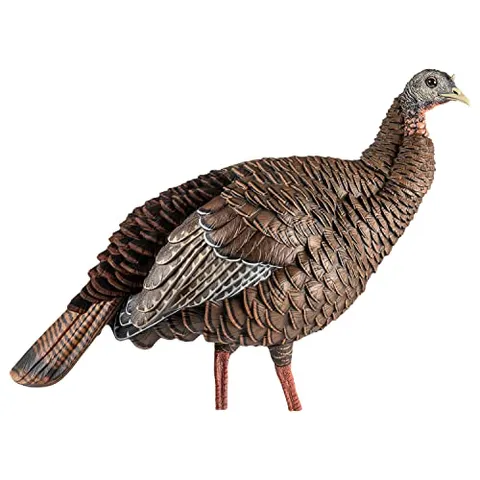
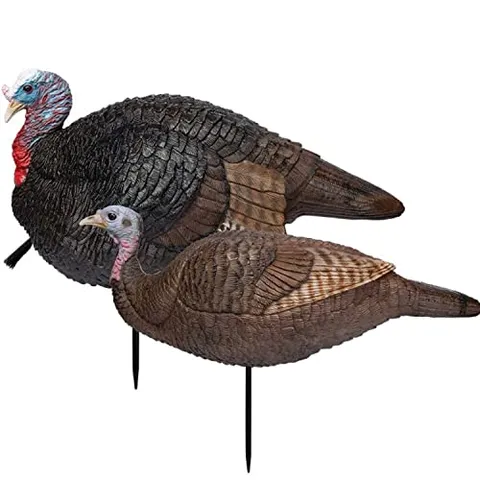
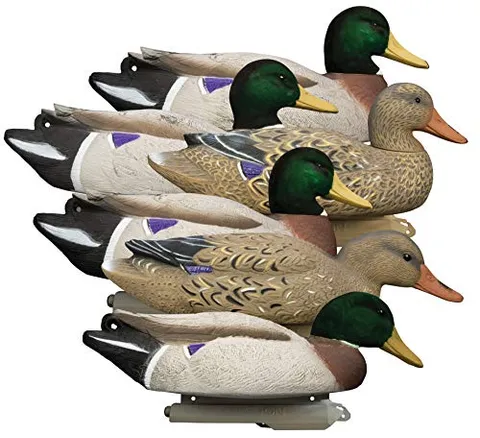
A decoy is the only piece of hunting gear that has to survive inspection by the animal you are hunting. A rangefinder that is 2 yards off costs you nothing. A decoy with a glossy back, a stiff posture, or paint that flares in low sun costs you the last 40 yards, which is the only 40 yards that matter. That is why the decoy aisle looks so strange from the outside: a dozen goose silhouettes can cost $60 while a single whitetail decoy costs $650, and no product page ever explains the gap.
Here is the honest version of that gap. At the low end you are buying visibility and volume, which is genuinely most of the job on big water, in cut grain, and on opening-day doves. Corrugated silhouettes, foam-filled standard floaters, and a spinning-wing dove decoy all punch far above their price because they solve the long-range problem, which is getting birds to look. At the high end you are buying the close-range problem: flocking that kills glare, molded feather groups instead of painted ones, and postures taken off a hand carving so the fake bird or animal reads as relaxed rather than alert. Dave Smith and Avian-X charge what they charge because a pressured late-season goose or a call-shy longbeard is running a checklist, and the cheap decoy fails at 25 yards.
The practical answer for most hunters is a mixed spread, not an all-or-nothing purchase. Fill the outer edges with cheap, visible, packable bodies and spend real money on the two or three finisher decoys that sit closest to the blind. This guide is built around that logic, and it spans big game, waterfowl, and upland so you can see where each dollar goes. One caution before you buy: decoy rules vary by state and by season. Electronic and spinning-wing decoys are banned or date-restricted for waterfowl in a number of states, several states restrict deer decoys during firearms seasons, and reaping a turkey with a strutter is illegal or strongly discouraged on public land in some places. Read your regs before you read reviews.