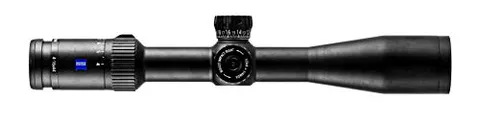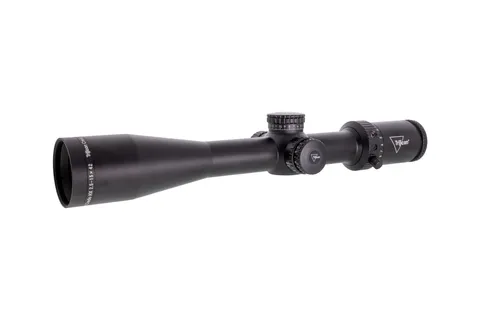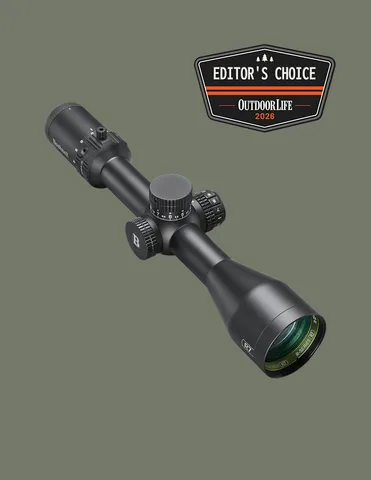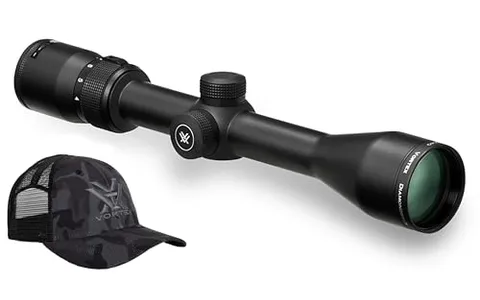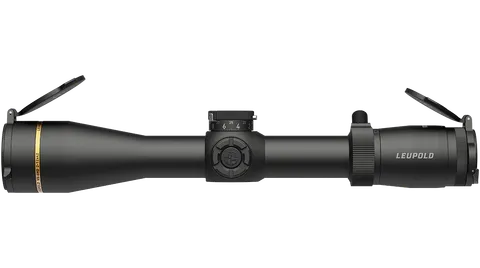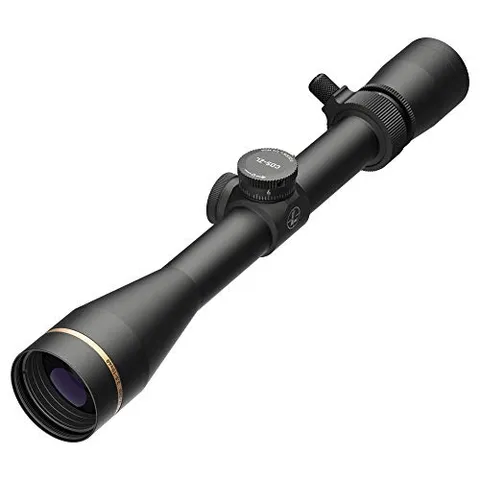
1. VX-3HD 3.5-10x40 CDS-ZL
Leupold
$520–$600
This is the magnification range, weight, and glass quality that fits the widest range of real North American hunting, and the CDS-ZL dial adds precision without the risk of a bumped turret. At 13.1 ounces it disappears on a mountain rifle and still holds its own at last light.
Best for: The hunter who wants one scope for whitetails, elk, and mule deer and does not want to think about it again
13.1 ounces, one of the lightest scopes in its optical class · CDS-ZL turret with push-button ZeroLock, so it dials but cannot drift · Custom laser-marked dial cut to your load at no extra cost · Designed, machined, and assembled in the USA with Leupold's lifetime guarantee
1 inch tube limits total elevation travel compared to 30mm competitors · No illuminated reticle in the base Duplex configuration · 3.5x on the low end is slightly tight for close timber compared to a true 2x
Sources: leupold.com, amazon.com, opticsplanet.com, outdoorlife.com