Hunting Outfitters · British Columbia
Hunting Outfitters in British Columbia
Hunt 9 outfitters across British Columbia. Maps, hours, contact info, photos, and verified operator profiles, all in one place.
At a glance
Hunting Outfitters in British Columbia at a glance
All 9 outfitters listed in British Columbia.
| Outfitter | City |
|---|---|
| Arcadia Outfitting | Westbank |
| Babine Guide Outfitters | Smithers |
| Batnuni Lake Bear and Moose Hunt Guides & Outfitters | Cariboo |
| Cariboo Mountain Outfitters | Quesnel |
| DB Outfitting Ltd. | Telkwa |
| Inzana Outfitters | Prince George |
| McGregor River Outfitters | Prince George |
| Tuchodi River Outfitters | Northern Rockies |
| White Swan Lake Outfitters | East Kootenay |
All listings
9 outfitters in British Columbia
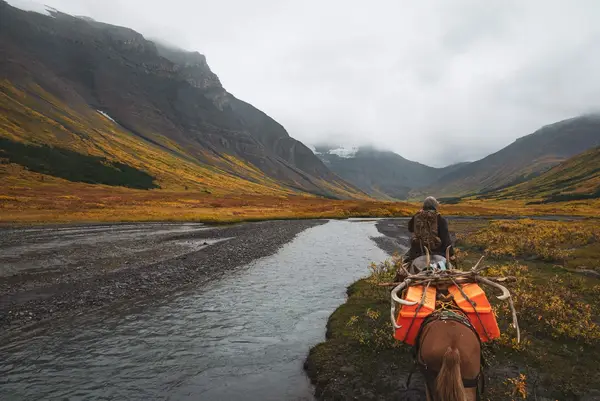
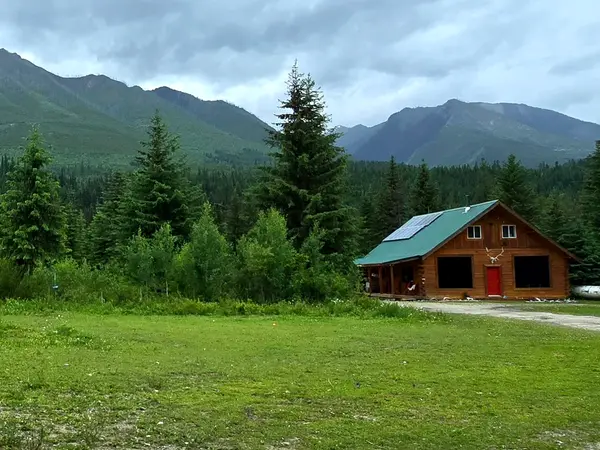
On the map
Outfitters in British Columbia
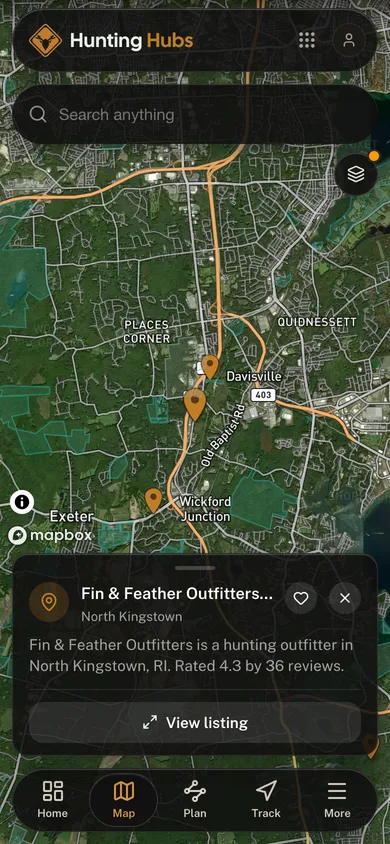
Everything we have mapped in British Columbia, on one map. Tap anything for its details.
Loads the full map of British Columbia. We leave it off by default so the page opens fast on mobile data.
About British Columbia
Quick facts
- Outfitters listed
- 9
Trip guide
Know before you go in British Columbia
Confirm current requirements with the state agency before your trip. Rules and fees change every season.
Non-Resident Guide Requirement
A non-resident of Canada is required to be accompanied by a licensed guide outfitter or a resident holding a permit to accompany when hunting big game in British Columbia. This ensures responsible hunting practices and adherence to provincial wildlife management objectives.
Hunting Licences and Species Licences
All hunters must possess a valid BC hunting licence. Additionally, a species licence is mandatory for each specific animal intended for harvest. Non-residents must acquire a Non-Resident Hunting Licence and the appropriate species licences for their hunt.
Firearms Declaration for Non-Residents
Non-residents bringing firearms into Canada must declare them at the Canadian border. The RCMP Non-Resident Firearm Declaration (form 5589) must be completed in triplicate. This serves as a temporary licence and registration, valid for up to 60 days.
Royal Canadian Mounted Police
01Do I need a guide to hunt in British Columbia if I am not a resident?
02How do I get a hunting licence for British Columbia as a non-resident?
03What are the rules for bringing firearms into British Columbia?
04What big game species can I hunt in British Columbia?
05Where can I hunt in British Columbia?
06What is Limited Entry Hunting (LEH) in British Columbia?
When to go
Season by season in British Columbia
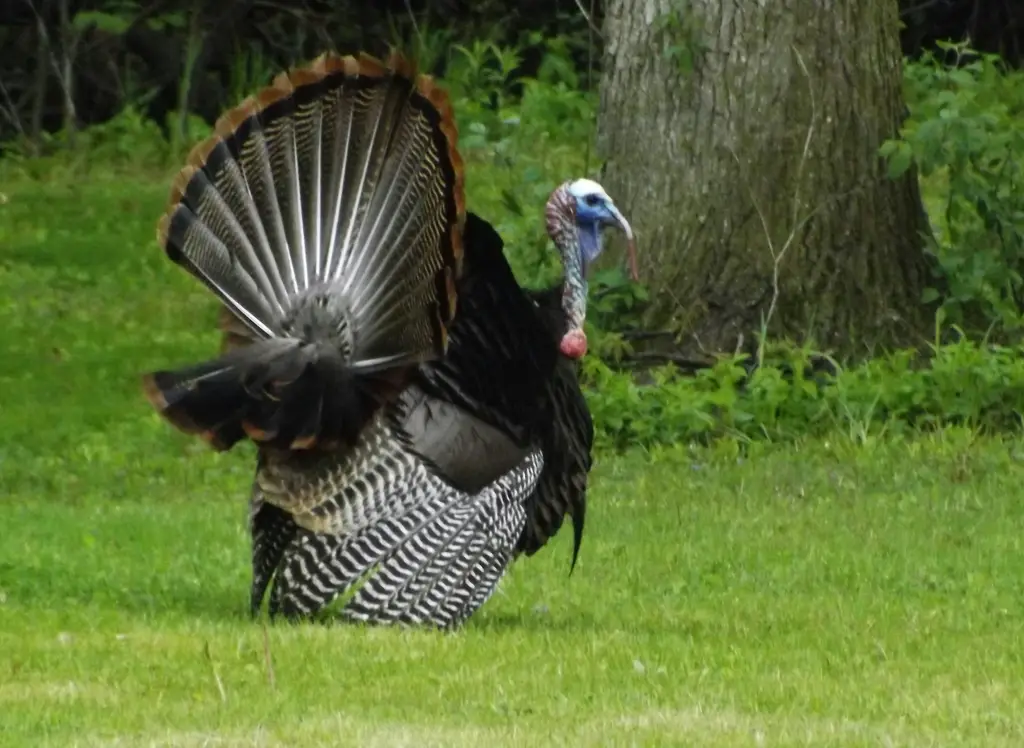
Spring (April-June)
Spring in British Columbia primarily offers black bear hunting opportunities. As bears emerge from hibernation, they can be found feeding in open clearings and along river systems. This season provides a unique chance to experience the province's awakening wilderness.
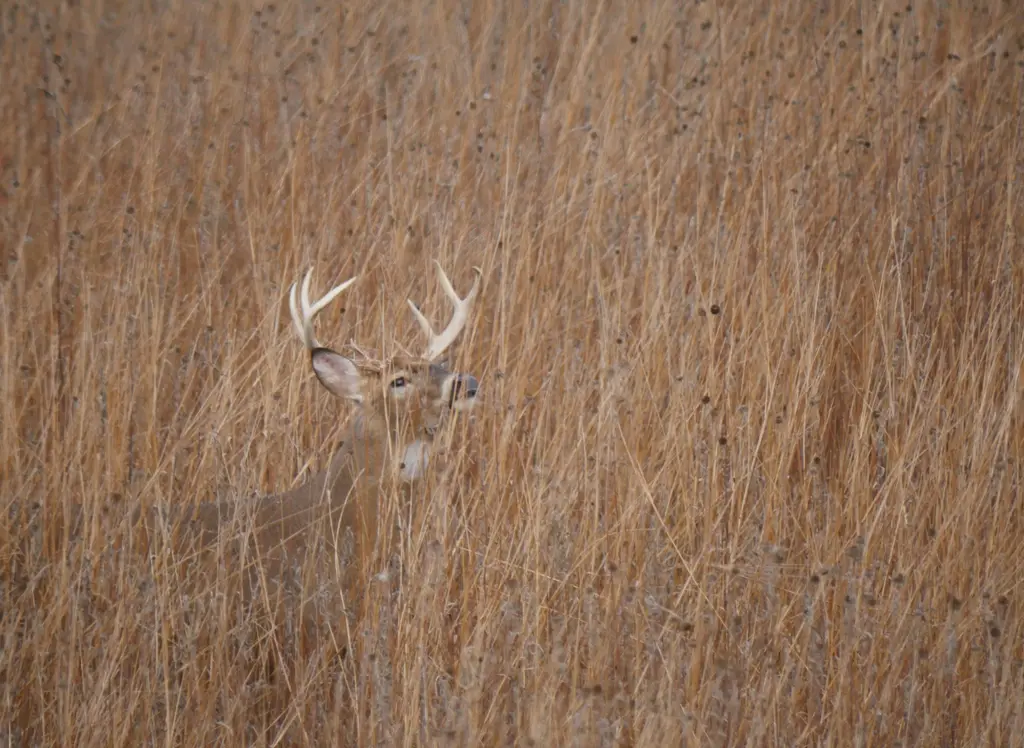
Summer (July-August)
While big game hunting seasons are generally closed during the summer months, this period is ideal for scouting, preparing equipment, and planning fall hunts. Many guide outfitters use this time to conduct reconnaissance of their territories and prepare camps for the upcoming seasons.
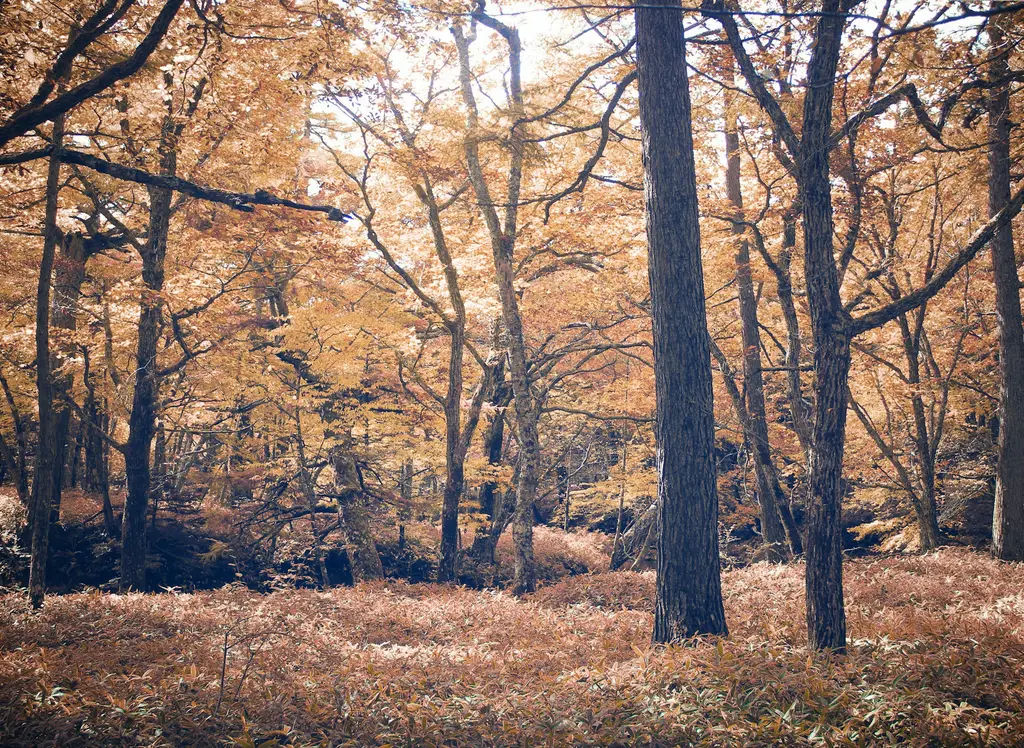
Fall (September-November)
Fall is the peak hunting season in British Columbia, with open seasons for most big game species including moose, elk, deer, caribou, sheep, and goat. The cooler weather and rutting periods for many ungulates make this an exciting and productive time for hunters. Seasons vary by species and Management Unit.
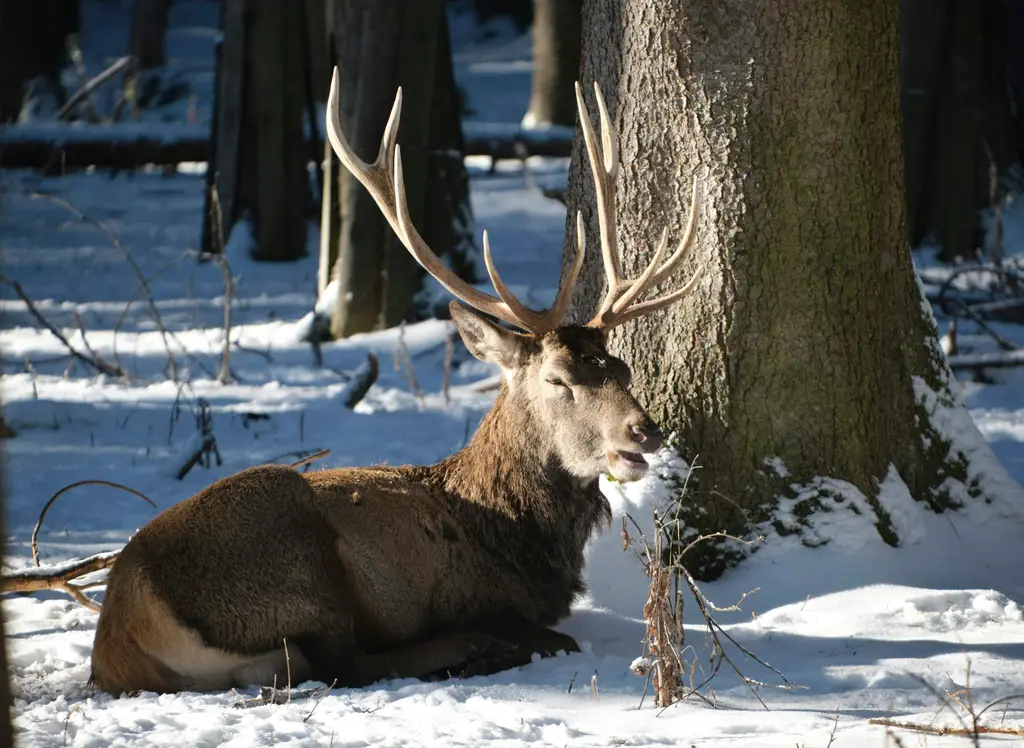
Winter (December-March)
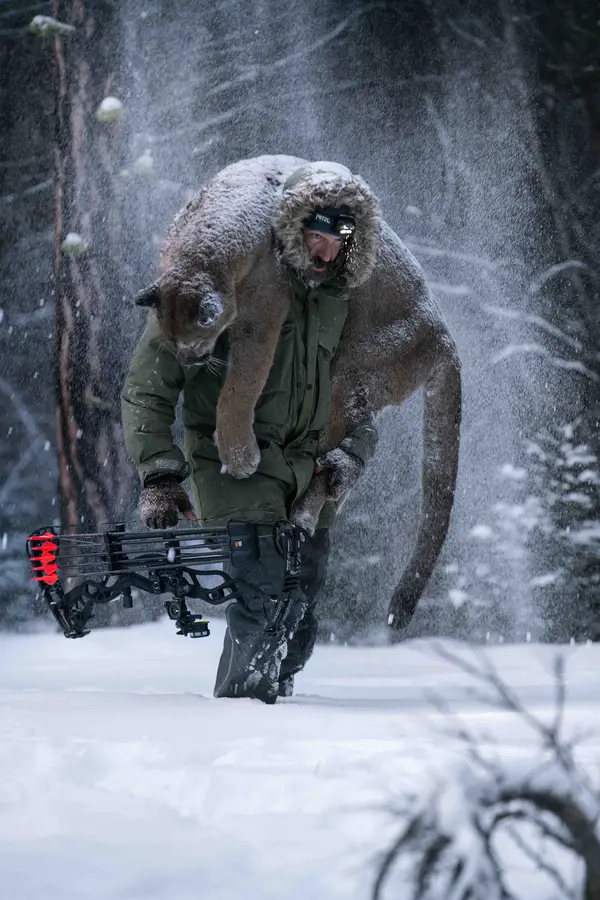
Winter hunting opportunities include species such as cougar and wolf, often pursued with hounds in snowy conditions. While more challenging due to weather, this season offers a unique experience in the snow-covered landscapes of British Columbia. Specific seasons vary by Management Unit.
Free tools
Your free outdoor toolkit



Keep exploring