Hunting Outfitters · Washington
Hunting Outfitters in Washington
Hunt 22 outfitters across Washington. Maps, hours, contact info, photos, and verified operator profiles, all in one place.
North Cascades, the Olympics, and 3,000 miles of saltwater coastline.
About Washington
22 on the map
Tap a pin to open its profile.
Quick facts
- Outfitters listed
- 22
- Best season
- June through October
All listings
22 outfitters
across Washington

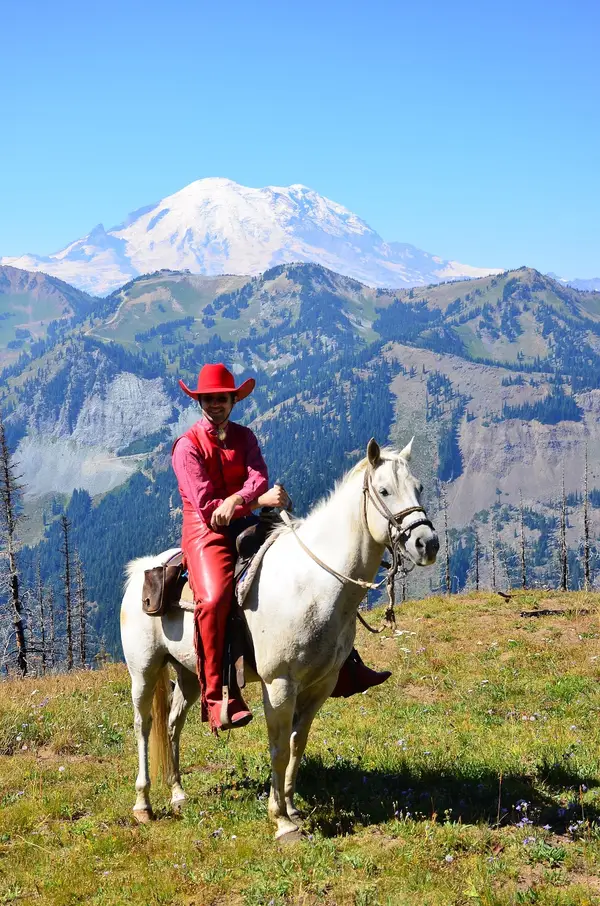

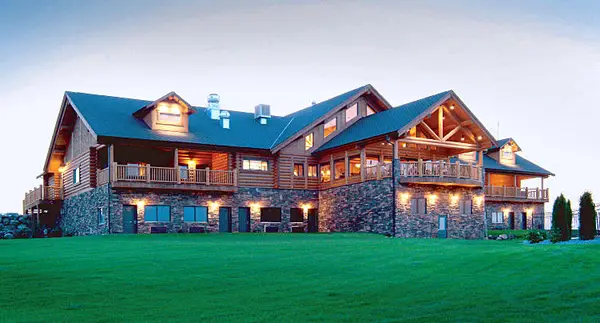
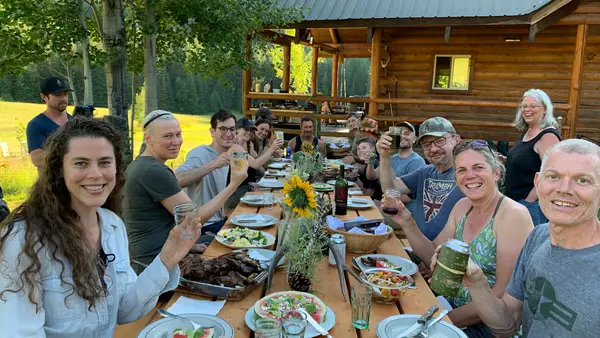
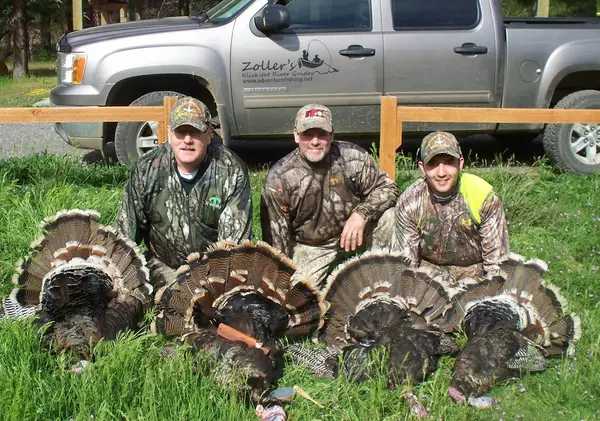
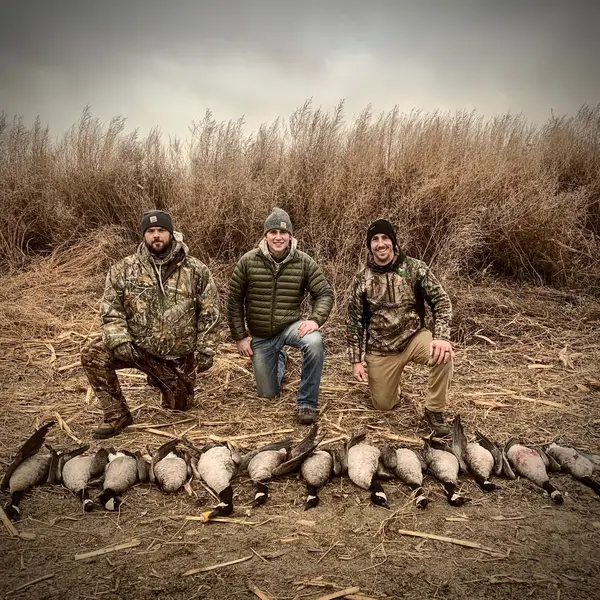
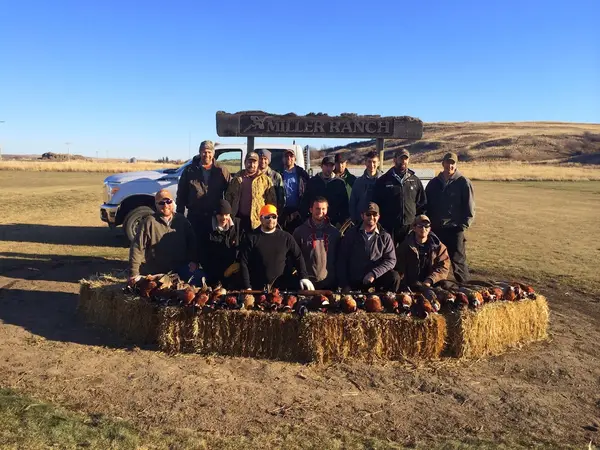
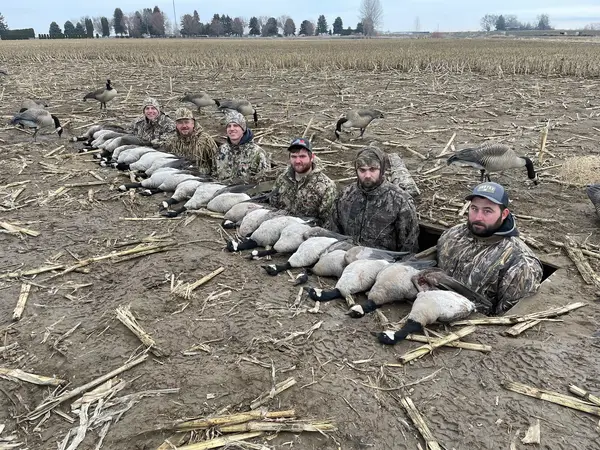
Plan your trip
Plan your trip to Washington
Game Species and Seasons
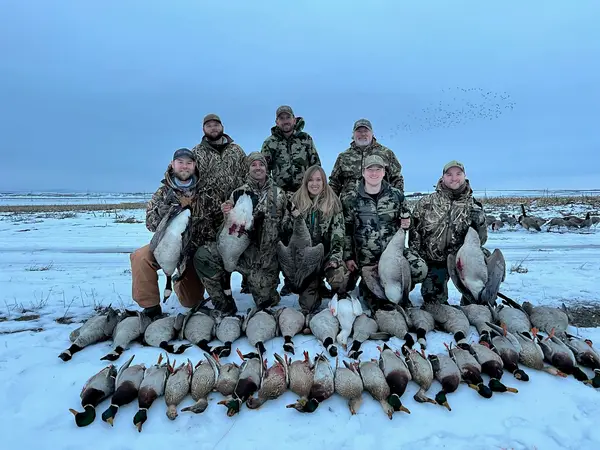
Washington offers diverse big game (elk, mule deer, whitetail, blacktail, bear, cougar) and small game (turkey, upland birds, waterfowl). Seasons vary significantly by species and Game Management Unit (GMU), often with specific archery, muzzleloader, and modern firearm dates. Consult the WDFW hunting regulations for precise dates and GMU-specific rules.
License, Tag, and Draw Requirements
All hunters must possess a valid Washington hunting license. Big game species typically require specific tags, many of which are allocated through a draw system, especially for coveted elk and deer permits in certain GMUs. Non-residents face higher license and tag fees. Understand the draw odds and application periods well in advance.
Private vs. Public Land Access
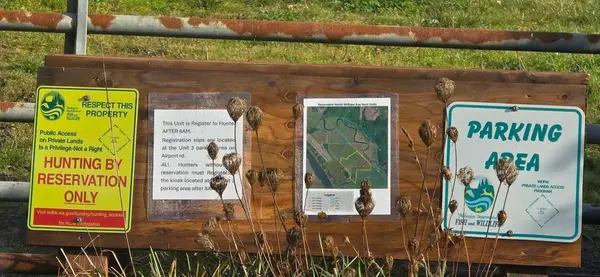
While Washington has extensive public lands, private leases and hunting clubs offer exclusive access, often to well-managed properties with higher game density. Hunting on private land always requires explicit permission from the landowner, which is formalized through a lease agreement or club membership. Public lands have different access rules and often higher hunter pressure.
Diverse Terrain Types
Hunting club and lease opportunities span various terrains. Eastern Washington features open sagebrush, Ponderosa pine forests, and irrigated agricultural fields ideal for deer and waterfowl. Western Washington offers dense conifer forests, river bottomlands, and clear-cuts. Be prepared for varied conditions, from mountainous climbs to wetland slogs.
Club Membership Norms
Hunting clubs in Washington typically involve annual dues, shared responsibilities for habitat management and infrastructure maintenance, and adherence to specific club rules regarding harvest, guest policies, and safety. Prospective members should inquire about these aspects to ensure alignment with their hunting style and expectations.
Confirm current requirements with the state agency before your trip. Rules and fees change every season.
Hunting License Requirement
Every hunter in Washington, resident or non-resident, must possess a valid Washington hunting license. This license is a prerequisite for purchasing any species-specific tags or permits. Licenses are available annually and must be renewed.
Washington Department of Fish and WildlifeBig Game Tag and Permit Requirements
In addition to a general hunting license, hunters pursuing big game (deer, elk, bear, etc.) must acquire the appropriate species-specific tags. Many popular big game hunts, particularly for elk and quality deer, are managed through a lottery draw system, requiring hunters to apply for permits well in advance of the season.
Hunter Education Certification
Individuals born after January 1, 1972, must provide proof of hunter education certification to purchase a Washington hunting license. This certification ensures hunters understand firearm safety, wildlife conservation, and ethical hunting practices. Approved courses are offered statewide and online.
Washington Department of Fish and WildlifeWritten Permission for Private Land
While a hunting club membership or lease agreement implies permission, any hunter on private land in Washington must have the landowner's permission. Verbal permission is legally sufficient on most private ground; written permission is specifically required only where the land is posted "Hunting by Written Permission Only," in which case you must carry the signed permission card on you. Getting it in writing is still the smart move. Club and lease documents typically serve this purpose.
- 01
1. Complete Hunter Education
If you were born after January 1, 1972, hunter education comes first, Washington won't issue you a hunting license without it. Get the course done before you spend a dollar on anything else.
- 02
2. Purchase a Washington Hunting License
Buy your annual hunting license from the Washington Department of Fish and Wildlife (WDFW). Every tag, permit, and hunt in the state builds on this one document.
- 03
3. Research Club and Lease Opportunities
Decide which side of the Cascades, and which species, you're committing to, then work the search: online directories like Hunting Hubs, plus the local contacts who hear about ground before it's ever listed.
- 04
4. Contact and Vet Potential Groups
Get the operators on the phone and ask real questions: availability, membership requirements, lease terms, and how the ground is managed. Facilities and club culture matter as much as game density, you'll be living with both.
- 05
5. Understand and Sign Agreements
Read every line of the lease agreement or club bylaws before you sign. Rules, responsibilities, financial commitments, duration, know exactly what you're agreeing to, because the document governs your seasons for as long as it runs.
01What types of game are available on Washington hunting leases?
02Do I need a special license for leased land hunting in Washington?
03Are there specific regulations for hunting on private leases in Washington?
04What is the typical duration of a hunting lease in Washington?
05How do hunting clubs in Washington typically operate?
06Can non-residents join Washington hunting clubs or leases?
When to go
Season by season in Washington
Spring
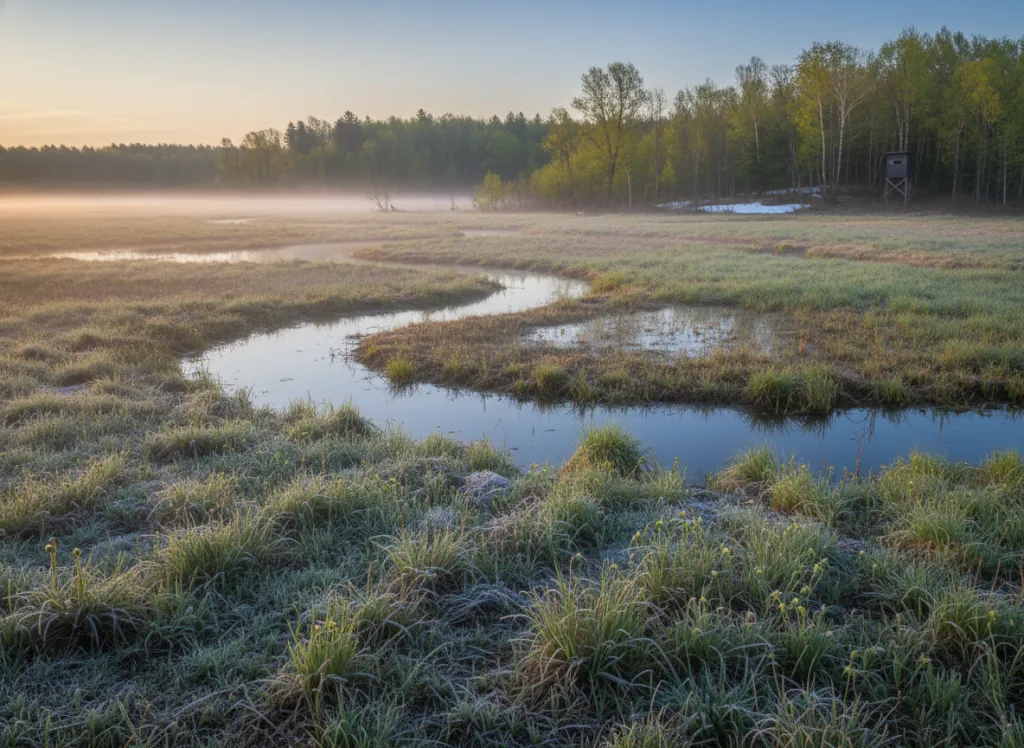
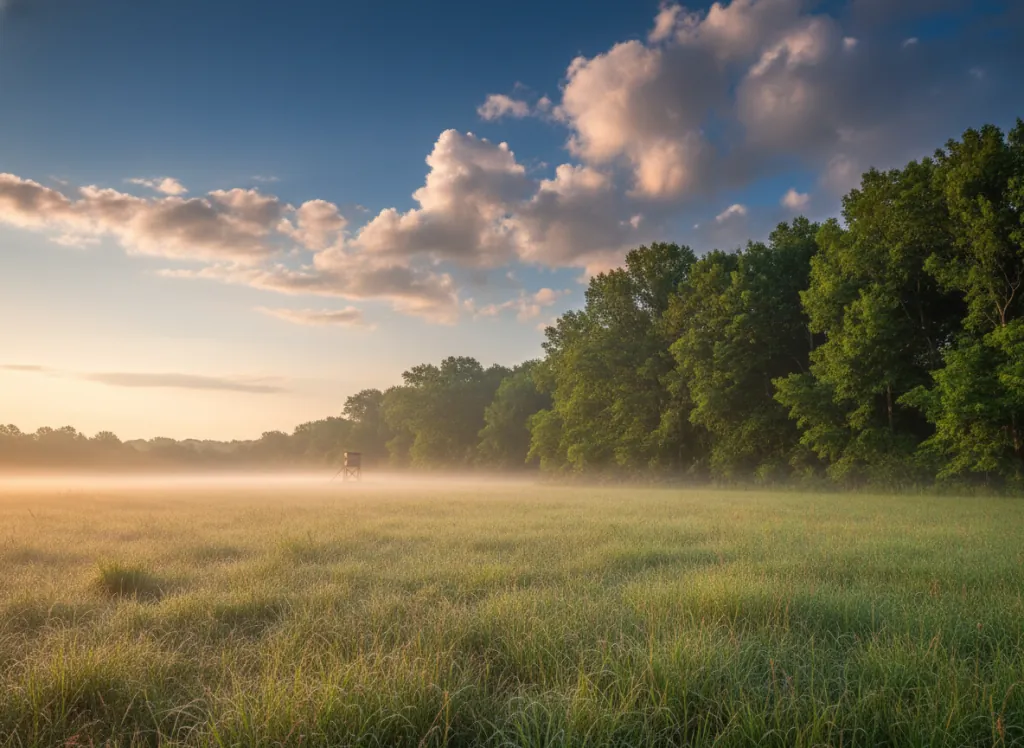
Spring brings turkey season, and the year's first work parties. Clubs and lease groups put in habitat projects, scout for the fall's big game, and get blinds and food plots back into shape.
Summer
Summer is spent behind trail cameras and on stand work, learning where the game lives before it matters. Clubs finalize memberships and run work parties, so that when fall arrives nothing on the property is left to fix.
Fall
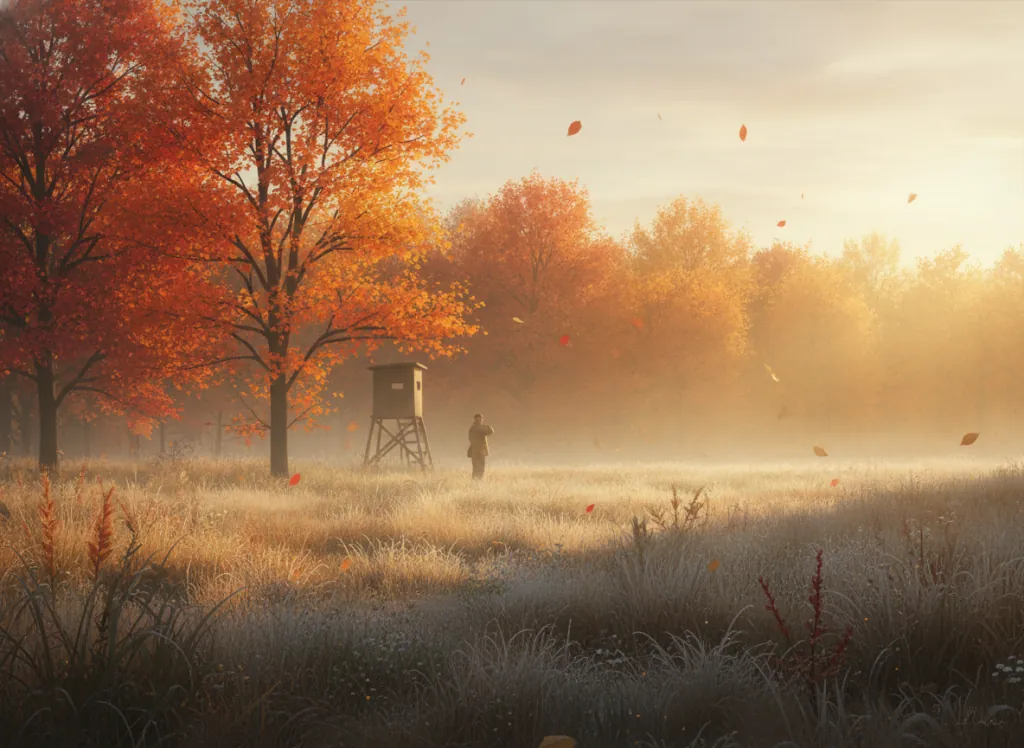
Fall is the main event: deer and elk seasons, waterfowl and upland birds all arriving at once. Club properties and leases hunt hard through these months, usually under rotation schedules and harvest limits that keep the pressure, and the members, in balance.
Winter
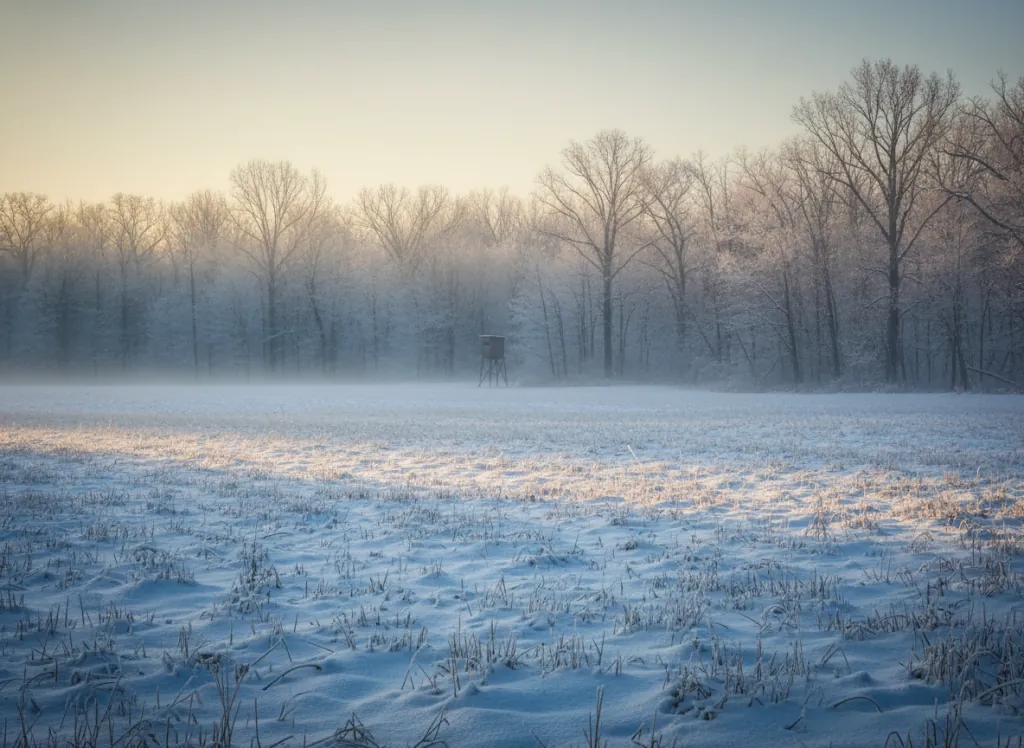
A few late-season hunts push into early winter, and then the year winds down the way it should: walking the property to assess the habitat, servicing equipment, and laying plans for the next lease year.
Free tools
Your free outdoor toolkit

Everything Map
Listings, trails, spots, clubs and public land on a single full-screen map. Switch layers on and off, then tap any point for the details.
Open Everything MapTrail Explorer
Browse a community map of named trails with distance, difficulty, and where each one starts.
Open Trail ExplorerRoute Planner
Drop stops on a map and watch distance and drive time add up. Export a GPX or share the link.
Open Route PlannerHunting Clubs
Browse local clubs with meeting info and how to join, or start your own for free.
Open Hunting ClubsPhoto ID
Point your camera at whatever you found and get a structured identification. No signup.
Open Photo IDGear Checklists
Printable, save-as-you-go packing lists. Tick items off and pull them up on your phone.
Open Gear Checklists