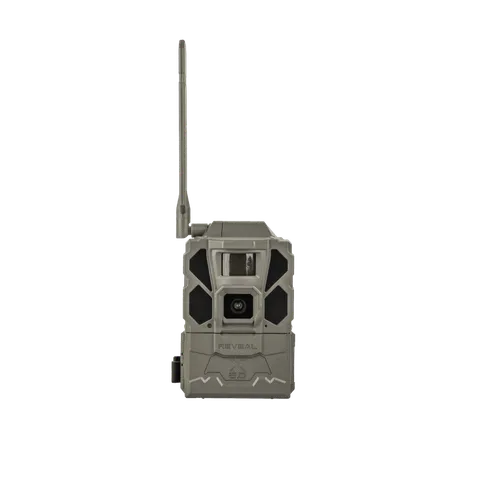
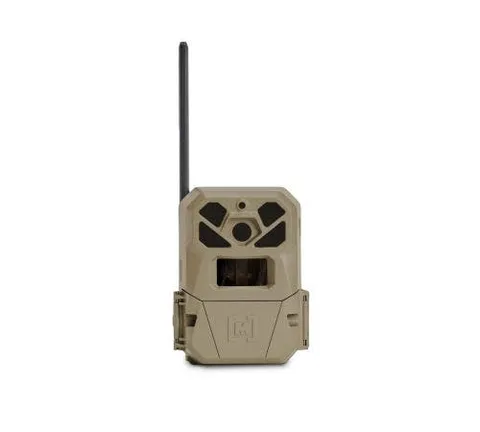
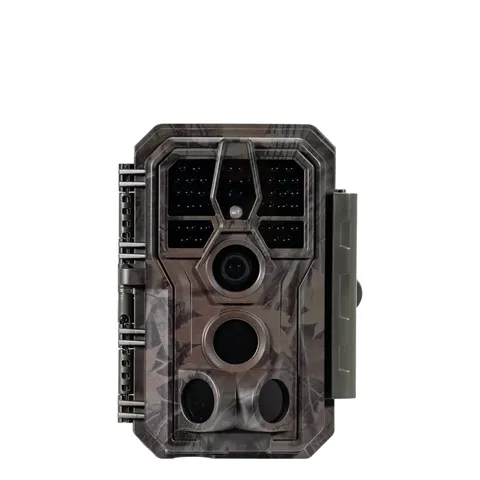
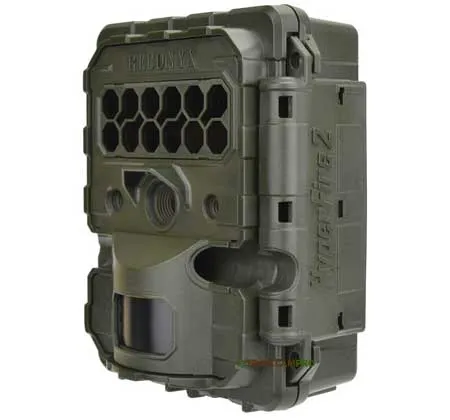
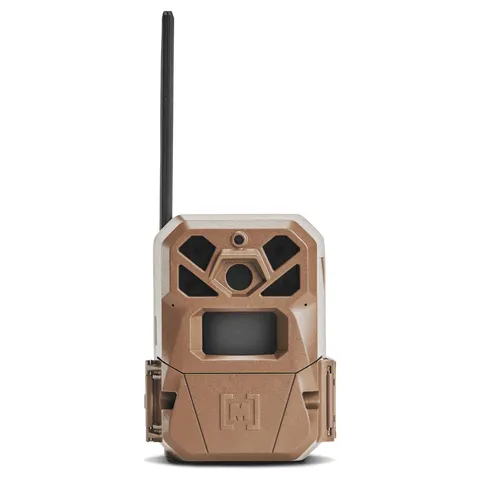
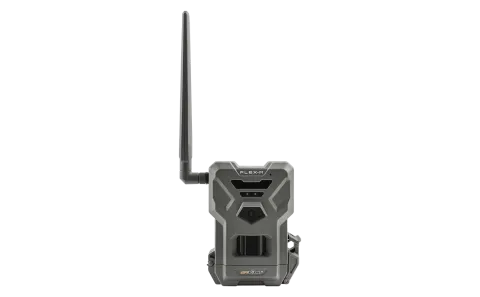
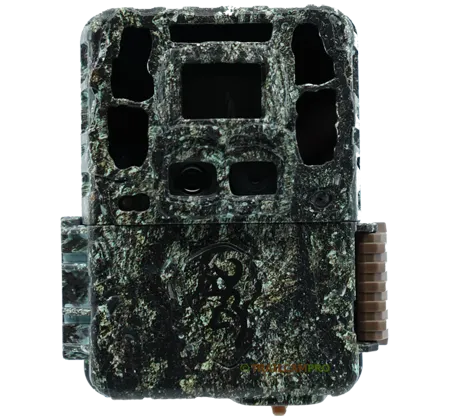
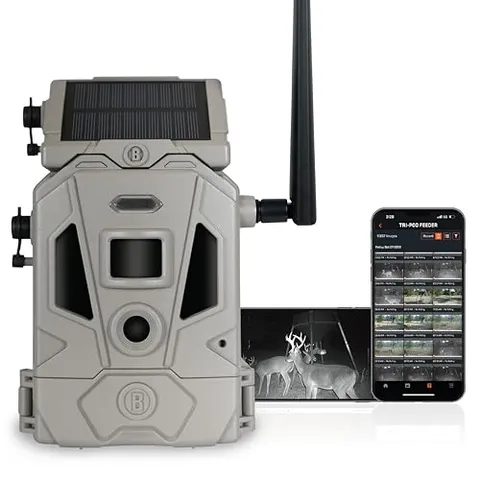
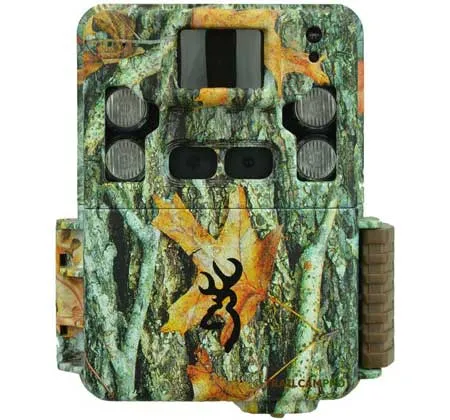
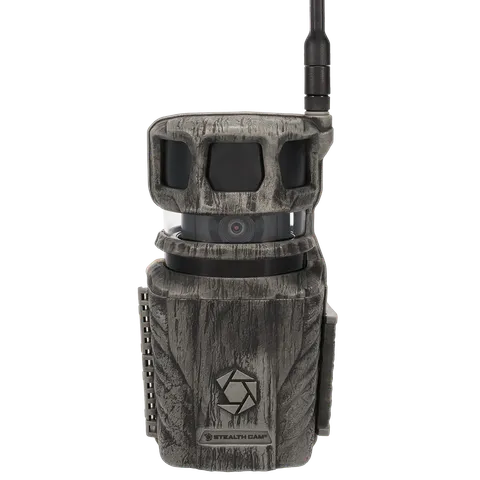
Trail cameras have quietly become the most useful piece of scouting gear most hunters own, and 2026 is the best buying moment yet: cellular models that beam photos straight to your phone now start under $100, while dependable non-cellular SD cameras can be had for the price of a box of ammo. For the big-game hunter patterning a mature buck on a 200-acre lease, the waterfowler watching a flooded timber hole, or the upland hunter mapping bird movement along field edges, the right camera turns guesswork into a data-driven plan, without you burning scent and daylight walking the property.
The catch is that the market is noisy. Amazon's bestseller list is dominated by deep two-pack discounts and rebadged no-name units, which makes it nearly impossible to see how a $70 budget camera actually stacks up against a $140 mid-tier cellular or a $350 American-made workhorse. The real differences come down to four things: trigger and recovery speed (so a walking deer lands centered in frame, not as a tail), night-image quality from the IR flash, battery life across a long season, and, for cellular models, how reliable and how expensive the data plan and app actually are.
This guide spans that whole spectrum on purpose. We mix cellular and traditional SD cameras, because the best setup for most hunters is a couple of cellular cams on the spots that matter and cheaper SD cams filling in the gaps. Every model below is a genuine, currently-available 2026 product that hunters are actually running in the field.