Hunting Outfitters · Alaska
Hunting Outfitters in Alaska
Hunt 25 outfitters across Alaska. Maps, hours, contact info, photos, and verified operator profiles, all in one place.
America's last great frontier. Fjords, glaciers, and 17 of the 20 highest peaks in the country.
About Alaska
25 on the map
Tap a pin to open its profile.
Quick facts
- Outfitters listed
- 25
- Best season
- June through early September
All listings
25 outfitters
across Alaska
Watch it live
Live webcams in Alaska
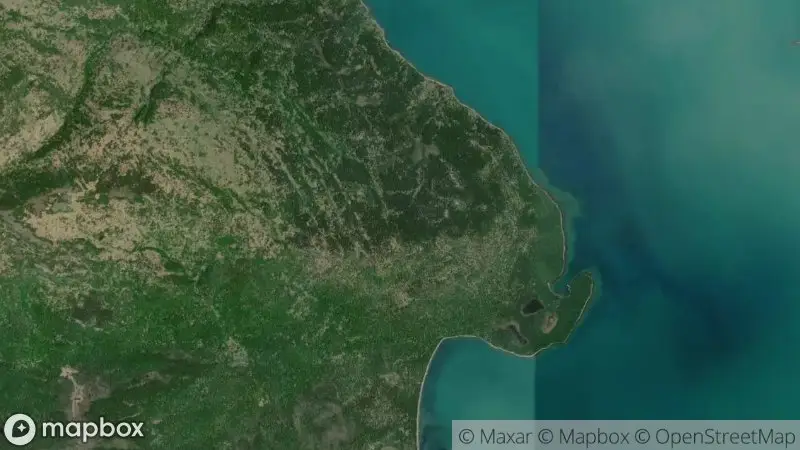 Location
Dumpling Mountain Cam, Katmai Bear Country
via National Park Service / explore.org
Watch live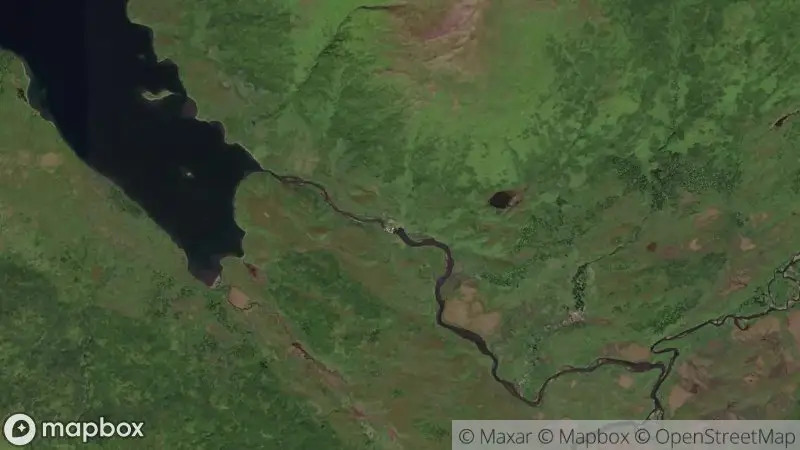 Location
Kodiak Brown Bears
via HDOnTap
Watch live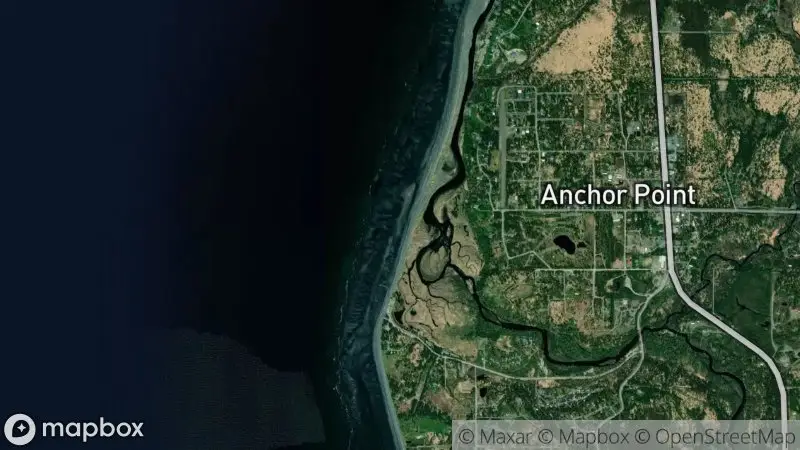 Location
Cook Inlet Bears
via HDOnTap
Watch livePlan your trip
Plan your trip to Alaska
Game Species and Seasons
Alaska offers diverse big game, including moose, caribou, Dall sheep, mountain goat, brown bear, black bear, and Sitka black-tailed deer. Seasons vary significantly by species, Game Management Unit (GMU), and weapon type; it is crucial to consult the Alaska Department of Fish and Game (ADF&G) regulations for specific dates, bag limits, and legal hunting methods.
License, Tags, and Draws
All hunters must possess a valid Alaska hunting license. Specific species, particularly brown/grizzly bear, Dall sheep, and moose in some units, require additional locking tags or are managed through a limited drawing (lottery) system. Non-residents often face different tag fees and may have specific guide requirements for certain hunts.
Public Land vs. Lease/Club Access
Alaska has vast public lands, including National Parks (hunting generally prohibited), National Wildlife Refuges, and state lands, where hunting is generally permitted under state regulations. Private leased hunting grounds, while less common than in the Lower 48, exist on private land holdings or through exclusive guiding concessions that operate much like a club, pooling resources for access.
Terrain and Logistics
Alaska's terrain ranges from coastal temperate rainforests and alpine mountains to interior boreal forests and arctic tundra. Access to prime hunting areas often requires specialized transportation such as bush planes, boats, ATVs, or extensive backpacking. Clubs and lease groups are essential for pooling resources and expertise to navigate these challenging logistics and ensure safety.
Club and Lease Membership Norms
Given Alaska's remoteness and logistical complexities, hunting clubs and lease groups often function as highly organized expeditions. Members typically share costs for transportation, camp infrastructure, and potentially professional guides. Emphasis is placed on self-sufficiency, wilderness skills, and adherence to strict safety protocols due to the challenging environment.
Confirm current requirements with the state agency before your trip. Rules and fees change every season.
Alaska Hunting License
All individuals hunting in Alaska, resident or non-resident, must possess a valid Alaska hunting license. Licenses are annual and must be obtained before engaging in any hunting activity. Fees vary based on residency and age.
Alaska Department of Fish and GameSpecies-Specific Tags
In addition to a general hunting license, non-residents must buy a locking tag for essentially every big game animal they hunt: moose, caribou, sheep, goat, and bear among them. Residents, by contrast, need a locking tag only for brown/grizzly bear (in certain areas) and muskox; for other species a resident's license plus the required harvest ticket or drawing permit is enough. These tags have varying costs and may be limited by draw for certain units or species. Tags must be in possession while hunting and affixed to the animal immediately after harvest.
Hunter Education Requirements
Alaska has no statewide hunter education mandate. Hunters born after January 1, 1986, must complete an approved hunter education course only to hunt in certain game management units (including Units 7, 13, 14, 15, and 20) and specific designated management areas. Where it applies, those 18 and older must hold the certification themselves, while younger hunters may instead hunt under the direct supervision of a qualified adult. Carry proof of certification afield wherever the requirement is in force.
Alaska Department of Fish and GameNon-Resident Guide Requirements
Non-residents are required to be accompanied by a licensed registered guide or an Alaskan resident who is a close relative (as defined by statute) when hunting brown/grizzly bear, Dall sheep, or mountain goat. This regulation ensures safety and ethical hunting practices in challenging terrain and for high-value species.
- 01
Research Species and Seasons
Pick your animal and your Game Management Unit (GMU) first, everything else hangs off that choice. Then read the Alaska Department of Fish and Game (ADF&G) regulations for that unit's dates, bag limits, and weapon rules, because they swing widely from one corner of the state to another.
- 02
Obtain Licenses and Tags
Buy your Alaska hunting license and any species tags early. If your hunt runs through a draw, mark the application window, typically in the fall for the following year, and don't miss it; there's no recovering a blown deadline.
- 03
Plan Logistics and Transportation
Decide how you're physically getting in: bush plane, boat, ATV, or your own two feet under a heavy pack. If you're not fully self-sufficient, start lining up air taxis, boat charters, or outfitters now, the good ones book out.
- 04
Join a Club or Lease Group
An Alaskan hunt is expensive alone and cheaper split. Join an established club or lease group, or build one from partners you trust: the shared charter, the shared camp, and the extra hands are what make remote country reachable.
- 05
Prepare for Wilderness Conditions
The country doesn't grade on a curve. Bring gear rated for real weather, solid navigation, a satellite communicator, and an emergency plan everyone in camp knows. Show up fit, and know your wilderness first aid, out here that's not a nicety.
01Are traditional hunting leases common in Alaska?
02What are the benefits of joining a hunting club in Alaska?
03Do I need a guide for hunting in Alaska?
04What kind of terrain can I expect on an Alaskan hunting lease or club hunt?
05How do hunting clubs in Alaska typically handle transportation to remote areas?
06What are the typical costs associated with an Alaskan hunting club or lease experience?
When to go
Season by season in Alaska
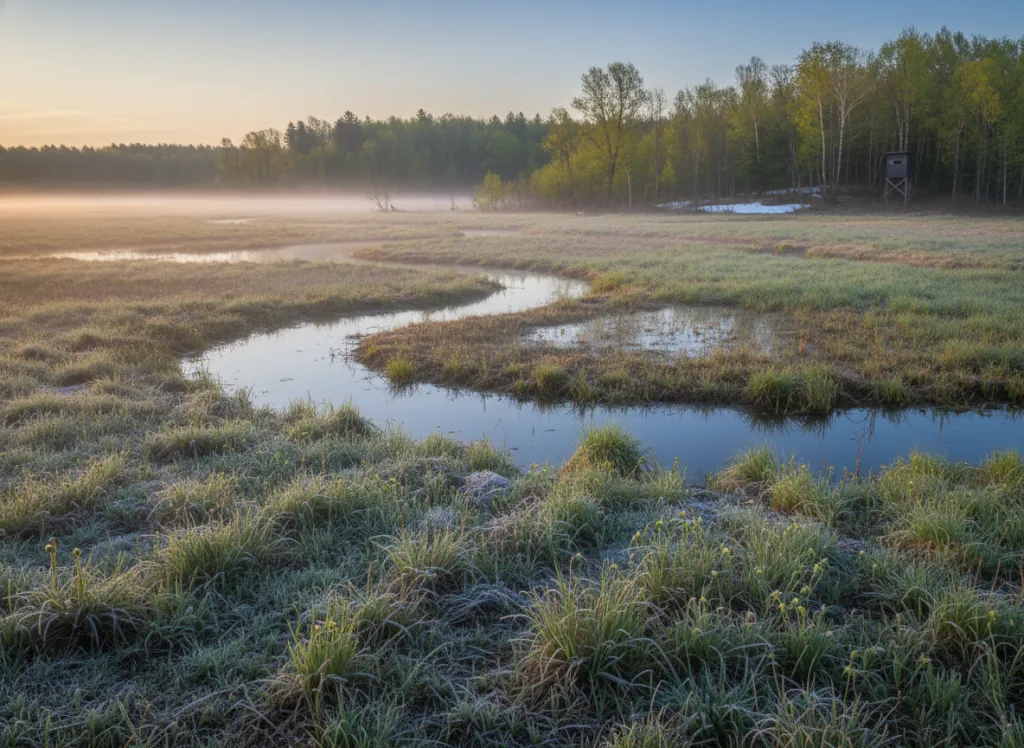
Spring (April - May)
Spring belongs to bears, black and brown/grizzly, often taken soon after they leave the den. The complication is snowmelt: getting into coastal or interior bear country before the brush leafs out usually means an air charter or a boat, and clubs spend this season juggling exactly that timing.
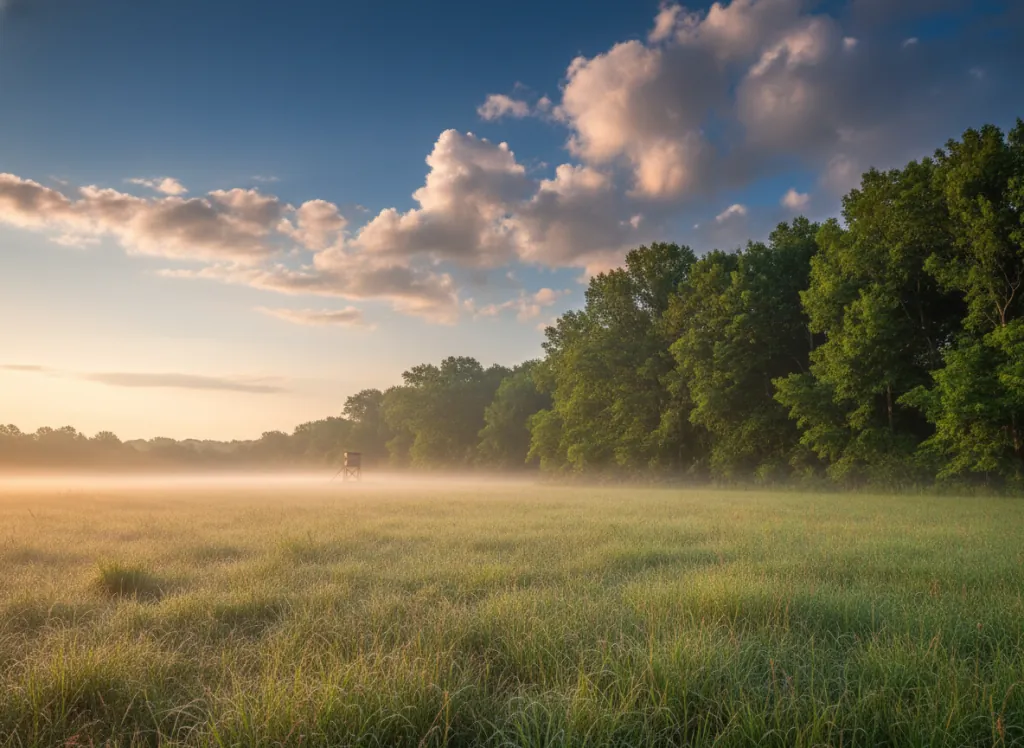
Summer (June - August)
Mid-summer is quiet for big game, but late August opens caribou, moose, and Dall sheep in certain areas, so the quiet is deceptive. This is when groups scout, fly in camp supplies, stake out remote sites, and get every permit squared away before the fall crush.
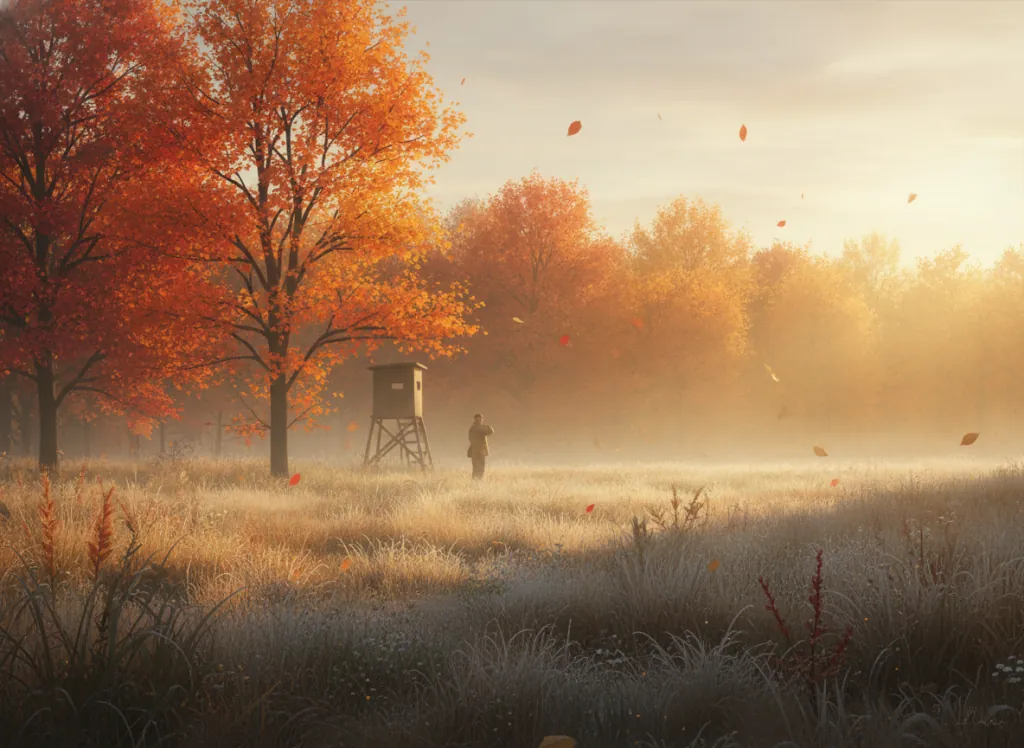
Fall (September - November)
Fall is the season Alaska is famous for: moose, caribou, Dall sheep, Sitka black-tailed deer, and brown/grizzly bears all at their peak. Clubs run their most ambitious trips now: bush planes staging hunters into drainages, riverboats working the big systems, long backpack pushes to cut off migrating herds.
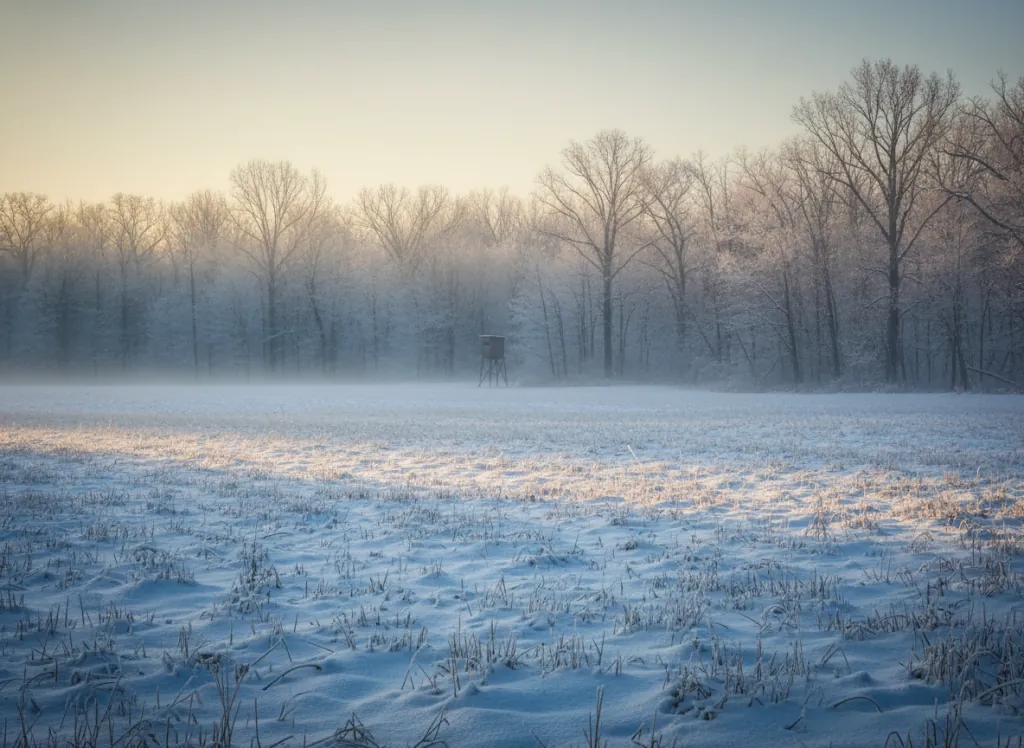
Winter (December - March)
Options thin out (late-season deer in Southeast, some predator hunting), and most groups shift indoors. Winter is for patching the remote cabin, rebuilding gear, and doing the unglamorous planning that decides next year: draw applications, charter bookings, and the logistics puzzle all over again.
Free tools
Your free outdoor toolkit

Everything Map
Listings, trails, spots, clubs and public land on a single full-screen map. Switch layers on and off, then tap any point for the details.
Open Everything MapTrail Explorer
Browse a community map of named trails with distance, difficulty, and where each one starts.
Open Trail ExplorerRoute Planner
Drop stops on a map and watch distance and drive time add up. Export a GPX or share the link.
Open Route PlannerHunting Clubs
Browse local clubs with meeting info and how to join, or start your own for free.
Open Hunting ClubsPhoto ID
Point your camera at whatever you found and get a structured identification. No signup.
Open Photo IDGear Checklists
Printable, save-as-you-go packing lists. Tick items off and pull them up on your phone.
Open Gear Checklists