Hunting Outfitters · Connecticut
Hunting Outfitters in Connecticut
Hunt 13 outfitters across Connecticut. Maps, hours, contact info, photos, and verified operator profiles, all in one place.
Long Island Sound coastline plus Litchfield Hills hardwoods.
About Connecticut
13 on the map
Tap a pin to open its profile.
Quick facts
- Outfitters listed
- 13
- Best season
- May through October
All listings
13 outfitters
across Connecticut

Plan your trip
Plan your trip to Connecticut
Game Species and Seasons
Connecticut offers hunting for white-tailed deer (archery, shotgun, muzzleloader), wild turkey, various small game (rabbit, squirrel, pheasant), and waterfowl. Seasons vary by species and weapon type; consult the CT DEEP Hunting and Trapping Guide for precise dates.
Licensing and Tags
All hunters must possess a valid Connecticut hunting license. Species-specific tags or permits are required for deer and turkey. Non-residents can obtain a Connecticut hunting license, subject to the same requirements as residents.
Private vs. Public Land Access
Hunting clubs and leased grounds provide exclusive access to private land, often with higher game populations due to active management. This contrasts with public hunting lands which may experience higher pressure and more restrictive regulations.
Typical Terrain Types
Connecticut's hunting terrain primarily consists of mixed hardwood forests, dense underbrush, wetlands, and agricultural edges. Specific club or lease properties may feature varying combinations, from rocky uplands to riverine bottomlands.
Club Membership Norms
Hunting clubs in Connecticut typically emphasize safety, ethical hunting, habitat stewardship, and shared responsibilities. Members often contribute to maintenance, participate in workdays, and adhere to specific club rules regarding harvest limits and guest policies.
Confirm current requirements with the state agency before your trip. Rules and fees change every season.
Connecticut Hunting License
All individuals hunting in Connecticut, whether on public or private land, must possess a valid hunting license. Licenses are issued annually by the Department of Energy and Environmental Protection (DEEP).
CT DEEPHunter Education Certificate
First-time hunters in Connecticut, and those who have not held a hunting license in the past 5 years, must successfully complete a state-approved hunter education course. Proof of completion is required to obtain a hunting license.
CT DEEPDeer and Turkey Permits
In addition to a general hunting license, hunters pursuing deer or turkey in Connecticut must obtain specific permits or tags for each species. These permits are typically purchased at the time of license acquisition and must be carried while hunting.
CT DEEPPrivate Land Permission
Deer and turkey hunters on private land must carry written landowner permission on an official DEEP consent form, dated for the current season; for other game, verbal permission suffices except on Sundays, when the written form is again required. Club members and leaseholders should carry that permission and present it on request by law enforcement or conservation officers.
- 01
Complete Hunter Education
First-time hunter? The Connecticut hunter education course comes before everything else, you can't buy a license without it.
- 02
Obtain Connecticut Hunting License
Buy your annual license plus any species permits you'll need, deer or turkey tags, through the CT DEEP online portal or an authorized vendor.
- 03
Research Clubs and Leases
Start narrowing down clubs and leased ground by region. Weigh what actually matters to you: target species, drive time, dues, amenities, and how strict the club rules run.
- 04
Contact Operators and Visit Properties
Call the club manager or lease operator, ask about openings, and walk the property if they'll let you. An hour on the ground tells you more than any listing will.
- 05
Understand Rules and Prepare
Read the state regs and the club's own rulebook before opening day. Get your gear squared away, scout if the property allows it, and make sure permits and written permission are in hand.
01What primary game species can I expect to hunt on a lease or club ground in Connecticut?
02Do I need a special license or permit to hunt on private leased land in Connecticut?
03Are there specific rules regarding archery versus firearm hunting on private club lands?
04What are common expectations for members joining a hunting club in Connecticut?
05How do I find reputable hunting clubs or lease opportunities in Connecticut?
06Are there specific restrictions for non-resident hunters looking to join a club or lease in Connecticut?
When to go
Season by season in Connecticut
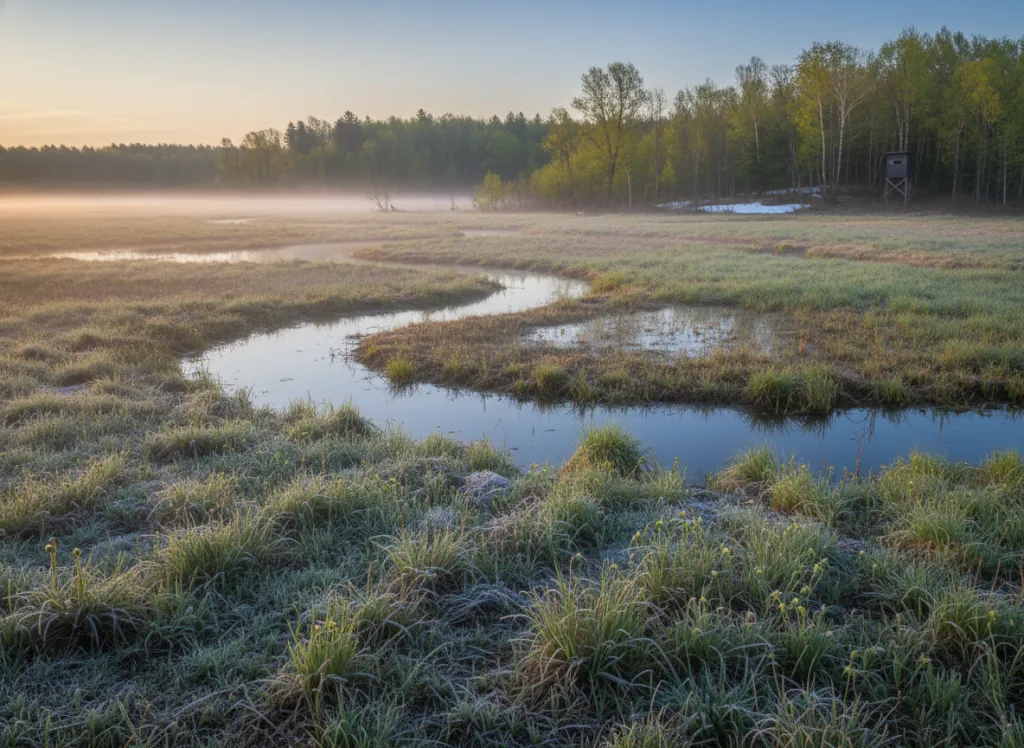
Spring (April-May)
Spring means gobblers. Turkey season is the main event on most clubs and leases, and it doubles as the season for walking the property: checking winter damage, planning food plots, clearing trails while the woods are still open.
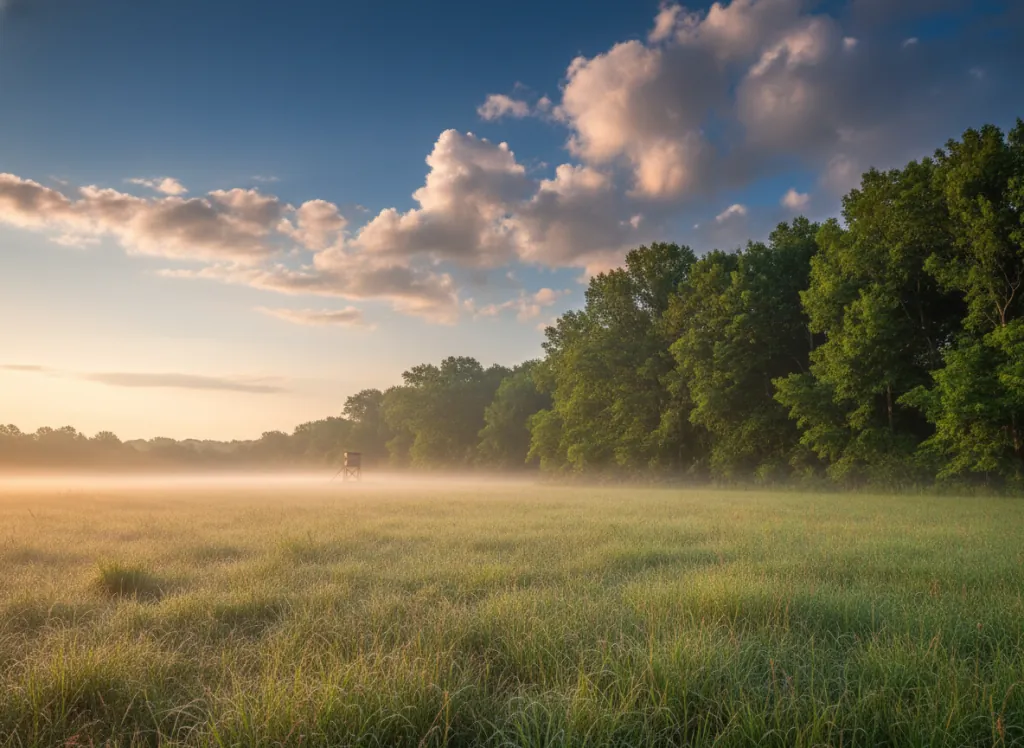
Summer (June-August)
Summer is work-party season: food plots go in, access roads get cut back, trail cameras go up. The scouting and stand-hanging done in July is what fills tags in November.
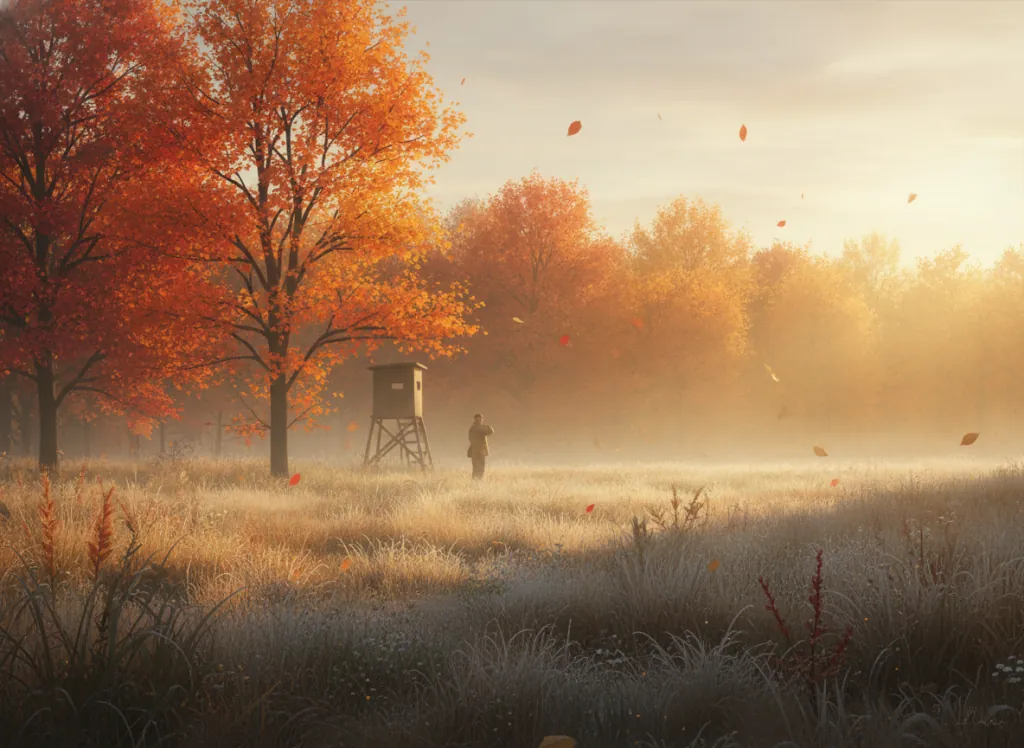
Fall (September-December)
This is what the dues pay for. Archery opens the deer woods, shotgun and muzzleloader follow, and duck hunters start working the wetlands. Expect the sign-in board to fill up fast.
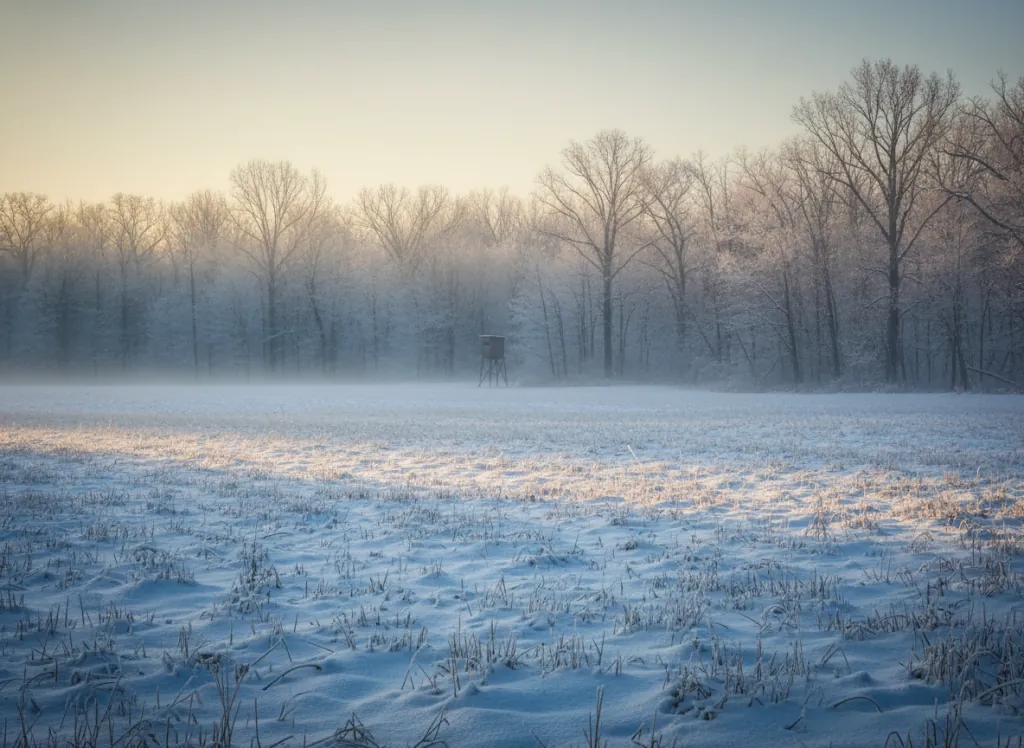
Winter (January-March)
Late-season deer and small game carry into winter, and then the quiet work starts: predator control, gear repair, harvest-data review, and the arguments over next year's management plan.
Free tools
Your free outdoor toolkit

Everything Map
Listings, trails, spots, clubs and public land on a single full-screen map. Switch layers on and off, then tap any point for the details.
Open Everything MapTrail Explorer
Browse a community map of named trails with distance, difficulty, and where each one starts.
Open Trail ExplorerRoute Planner
Drop stops on a map and watch distance and drive time add up. Export a GPX or share the link.
Open Route PlannerHunting Clubs
Browse local clubs with meeting info and how to join, or start your own for free.
Open Hunting ClubsPhoto ID
Point your camera at whatever you found and get a structured identification. No signup.
Open Photo IDGear Checklists
Printable, save-as-you-go packing lists. Tick items off and pull them up on your phone.
Open Gear Checklists


Keep exploring