Hunting Outfitters · Kansas
Hunting Outfitters in Kansas
Hunt 37 outfitters across Kansas. Maps, hours, contact info, photos, and verified operator profiles, all in one place.
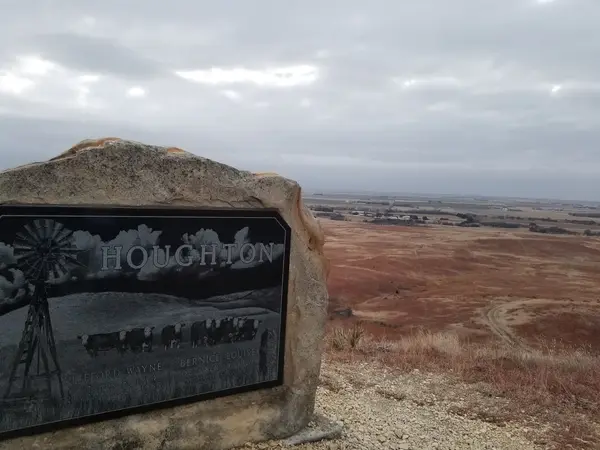
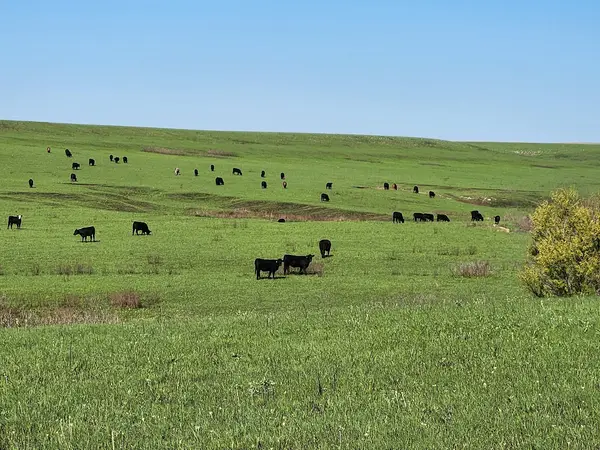
Tallgrass prairie remnants and the Smoky Hills.
About Kansas
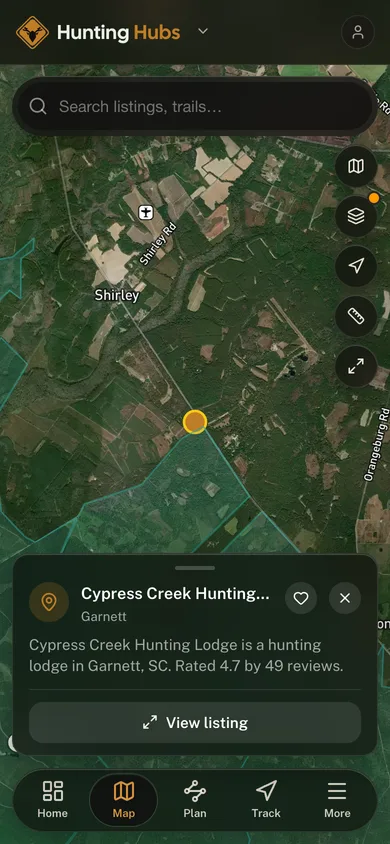
37 on the map
Tap a pin to open its profile.
Quick facts
- Outfitters listed
- 37
- Best season
- April through October
All listings
37 outfitters
across Kansas
Plan your trip
Plan your trip to Kansas
Key Game Species and Seasons
Kansas is renowned for whitetail deer, with archery season typically running from September through December, and firearm season usually in early December. Wild turkeys (Rio Grande across the western two-thirds of the state, Eastern in the timbered east, and hybrids in the central mixing zone), are hunted in spring, while pheasant and bobwhite quail seasons generally open in early November. Waterfowl seasons are split, often from late October through mid-February. Always verify specific dates with the Kansas Department of Wildlife, Parks and Tourism (KDWP).
Licenses, Tags, and Draws
All hunters must possess a valid Kansas hunting license. Non-resident deer permits are primarily allocated through a draw system, often requiring application in April. Specific permits are needed for turkey, pheasant, quail, and waterfowl, with federal and state migratory bird stamps required for waterfowl. Hunter education is mandatory for anyone born on or after July 1, 1957.
Private Land Dominance and Access
Approximately 97% of Kansas is privately owned, making hunting clubs and leased ground the primary means of accessing quality hunting. Public lands exist, but are often limited or heavily pressured. Secure written permission from landowners or a formal lease/club agreement is essential for hunting on private property.
Diverse Terrain Types
Kansas offers varied terrain, from the rolling tallgrass prairies and cedar thickets of the Flint Hills to the dense hardwood bottomlands along major rivers like the Kansas and Missouri. Western Kansas features extensive agricultural fields, CRP grasslands, and irrigation pivots, ideal for upland birds and deer. Understanding the terrain helps in selecting the right club or lease for your target species.
Hunting Club Membership Norms
Hunting clubs in Kansas typically operate with annual memberships, often requiring a financial contribution and sometimes active participation in habitat management or property maintenance. Members are expected to adhere to club-specific rules, which often include guest policies, harvest limits, and safety protocols, in addition to state regulations. Clear communication with the club manager or landowner is paramount.
Confirm current requirements with the state agency before your trip. Rules and fees change every season.
Kansas Hunting License
Resident hunters aged 16 through 74 and nonresidents 16 and older must possess a valid Kansas hunting license; residents under 16 and residents 75 and older are exempt. Licenses are issued annually and are required for hunting all game species in the state. Specific permits or tags are also necessary for certain species like deer or turkey.
Hunter Education Requirement
Individuals born on or after July 1, 1957, must complete a hunter education course approved by the Kansas Department of Wildlife, Parks and Tourism (KDWP) to legally hunt in Kansas. A valid hunter education certificate must be carried while hunting. There are exemptions for those hunting on their own land or participating in a mentored hunting program.
Private Land Access Permission
Hunting on private land in Kansas requires the explicit permission of the landowner or tenant. This permission should ideally be in writing, especially when joining a hunting club or leasing property, to avoid any legal issues. Trespassing is strictly prohibited and enforced.
Deer Permit Application (Non-residents)
Non-resident hunters seeking to hunt deer in Kansas must typically apply for a non-resident deer permit through a lottery draw system. The application period usually occurs in April, and hunters must select a specific hunting unit. Success in the draw is not guaranteed and varies by unit.
- 01
1. Determine Your Target Species and Season
Decide what you're hunting (deer, turkey, pheasant), and when, before you look at a single property. That choice determines which regions and property types in Kansas are even worth your time.
- 02
2. Complete Hunter Education and Obtain Licenses
Get hunter education squared away if Kansas requires it of you, then buy your license and every needed permit (deer tags, turkey tags, migratory bird stamps), well ahead of your hunt dates. The non-resident deer draw in particular waits for no one.
- 03
3. Research Regions and Habitat Types
Match region to species: the Flint Hills for deer and turkey, the Western High Plains for upland birds. Knowing the habitat you need keeps you from paying good money for the wrong ground.
- 04
4. Explore Hunting Club and Lease Opportunities
Work online directories, hunting forums, and local networks for clubs and leases in your chosen regions. Weigh acreage, amenities, and, most telling of all, how the ground is actually managed for game.
- 05
5. Visit Properties and Vet Agreements
See the ground with your own eyes when you can: habitat, facilities, and the person you'd be dealing with. Then read every line of the lease or bylaws before signing; the paperwork should match what you were promised on the tailgate.
01What are the most popular game species to hunt in Kansas?
02Do I need a hunter education course to hunt in Kansas?
03How do I find a reputable hunting club or lease in Kansas?
04Are non-residents welcome to join hunting clubs or lease land in Kansas?
05What is the typical duration for a hunting lease in Kansas?
06What are some common rules or expectations for members of Kansas hunting clubs?
When to go
Season by season in Kansas
Spring (March-May)
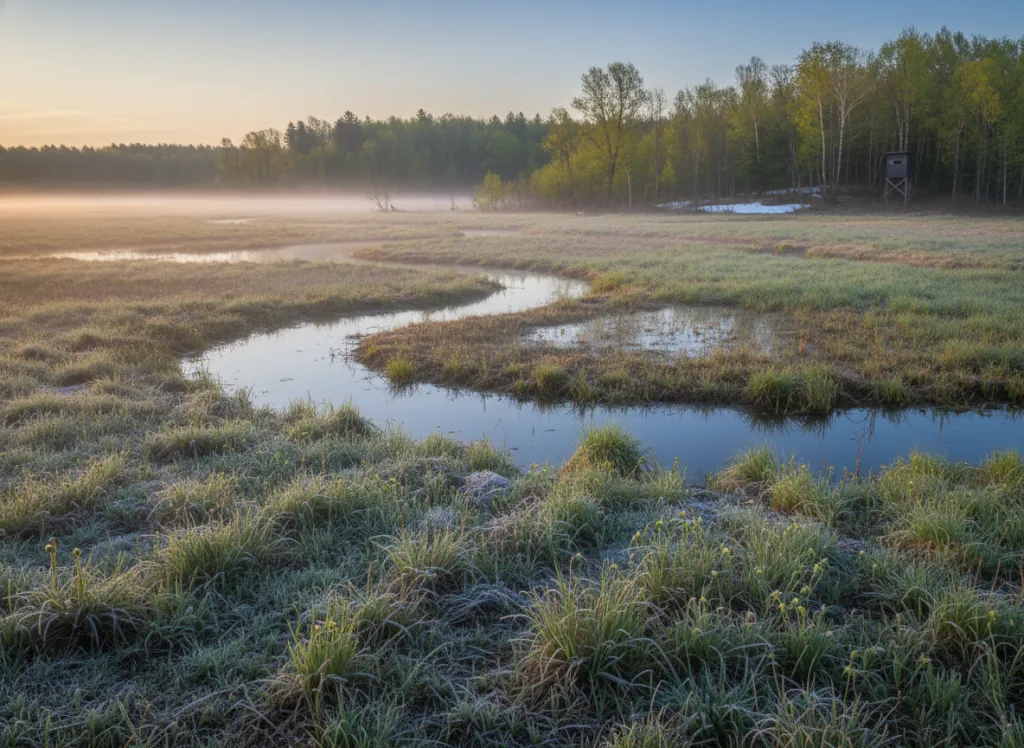
Turkey season, with archery and firearm options, is the main event. It's also the smart window to walk prospective lease ground, judge the habitat while it greens up, and start conversations about fall memberships before everyone else does.
Summer (June-August)
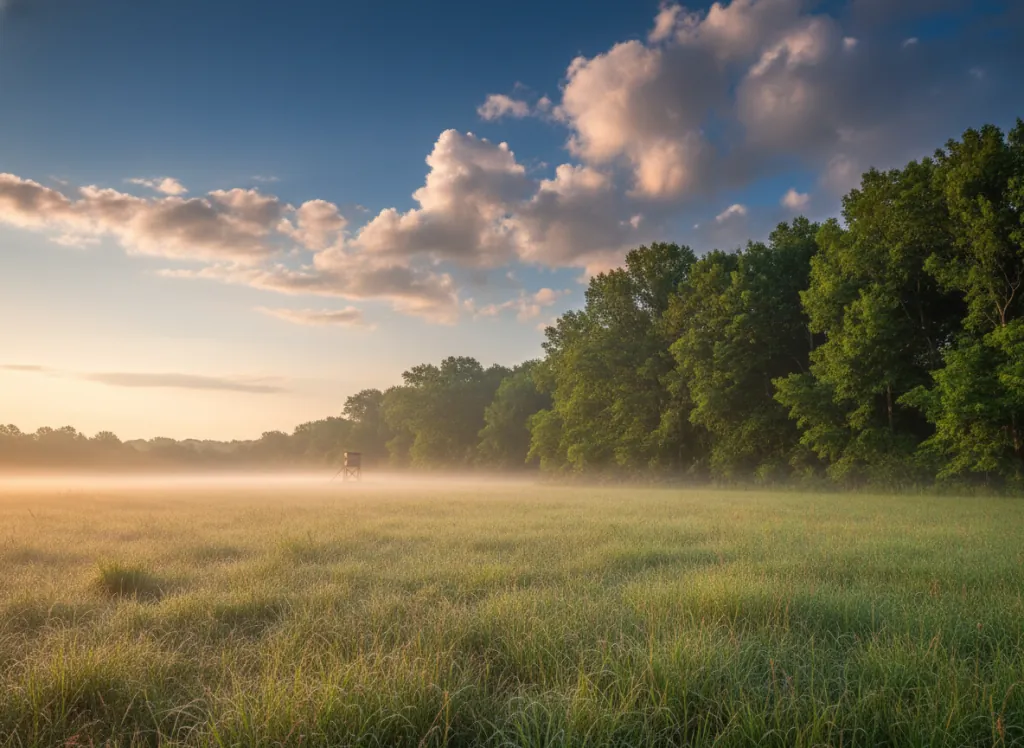
Little hunting, lots of work. Food plots go in, equipment gets fixed, and clubs finalize rosters and lease agreements. The members who spend summer shooting and preparing are the ones telling stories in December.
Fall (September-December)
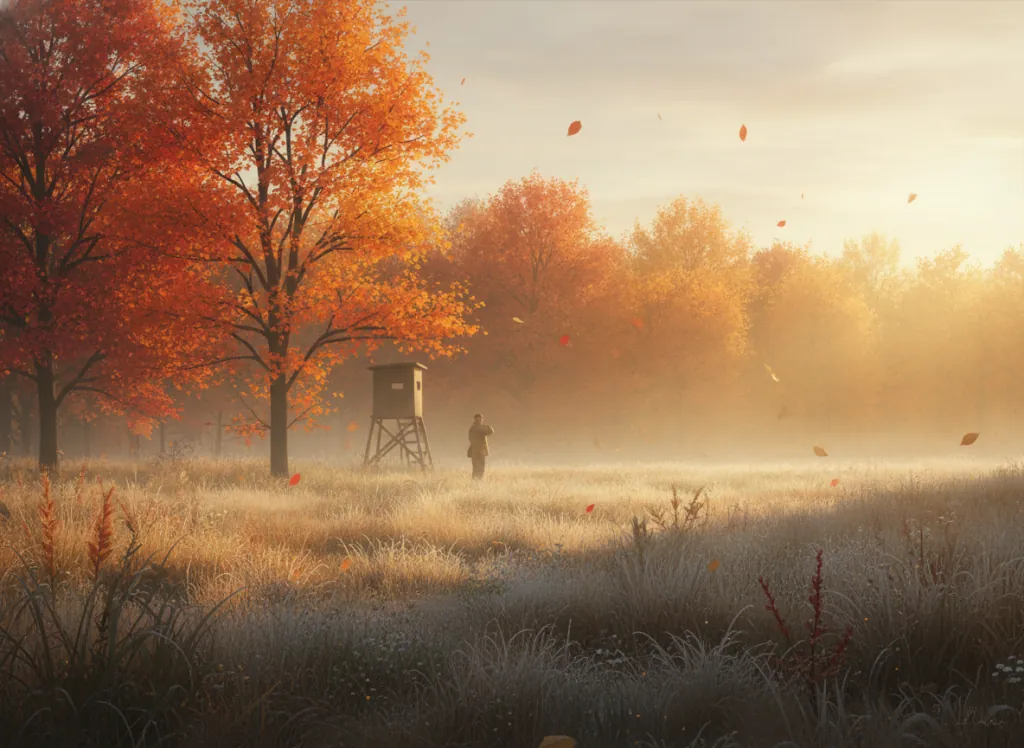
The whole state comes alive: archery and firearm deer, then pheasant, quail, and waterfowl openers stacking on top. Club and lease ground earns its keep now, through the most productive months of the year.
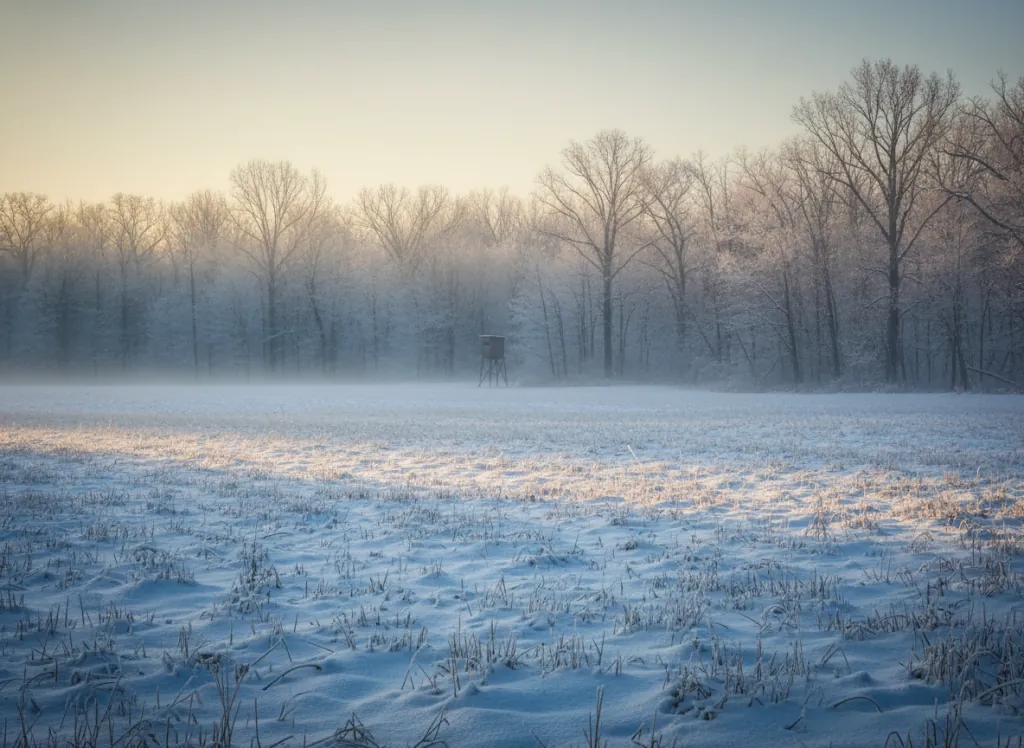
Winter (January-February)
Late-season deer, birds, and waterfowl, often the best of it after the crops come off. It's also when honest post-season reviews happen, habitat plans get drawn, and next year's memberships and leases get locked in.
Free tools
Your free outdoor toolkit

Everything Map
Listings, trails, spots, clubs and public land on a single full-screen map. Switch layers on and off, then tap any point for the details.
Open Everything MapTrail Explorer
Browse a community map of named trails with distance, difficulty, and where each one starts.
Open Trail ExplorerRoute Planner
Drop stops on a map and watch distance and drive time add up. Export a GPX or share the link.
Open Route PlannerHunting Clubs
Browse local clubs with meeting info and how to join, or start your own for free.
Open Hunting ClubsPhoto ID
Point your camera at whatever you found and get a structured identification. No signup.
Open Photo IDGear Checklists
Printable, save-as-you-go packing lists. Tick items off and pull them up on your phone.
Open Gear Checklists


Keep exploring