Hunting Outfitters · Vermont
Hunting Outfitters in Vermont
Hunt 11 outfitters across Vermont. Maps, hours, contact info, photos, and verified operator profiles, all in one place.
Green Mountains, the Northeast Kingdom, and Lake Champlain.
About Vermont
11 on the map
Tap a pin to open its profile.
Quick facts
- Outfitters listed
- 11
- Best season
- May through October
All listings
11 outfitters
across Vermont
Plan your trip
Plan your trip to Vermont
Primary Game Species
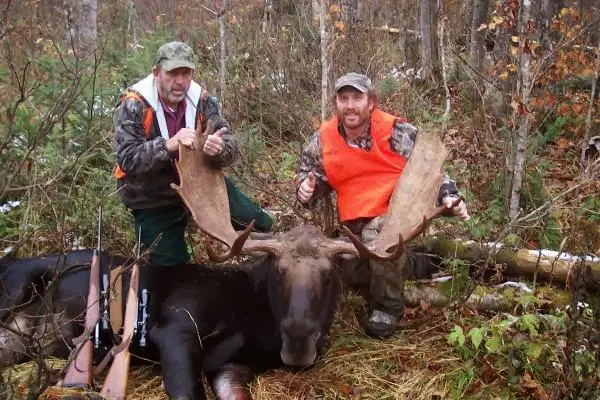
Vermont's hunting clubs and leases primarily focus on whitetail deer, black bear, and wild turkey. Moose hunting is highly regulated via a limited lottery draw, making dedicated moose leases rare but not impossible in specific northern areas. Waterfowl and small game are also pursued on appropriate properties.
License and Tag Requirements
All hunters must possess a valid Vermont hunting license. Specific tags or permits are required for certain species, such as deer and bear. These are typically purchased in addition to the base license. Moose tags are obtained through a lottery system.
Private Land Access is Key
A significant portion of Vermont is private land, and much of the most productive hunting is found on these properties. Joining a hunting club or leasing ground provides guaranteed, exclusive access, often to lands with established wildlife management practices, reducing competition found on public lands.
Diverse Terrain Types
Vermont's terrain varies from dense, mature hardwood forests in the Green Mountains to mixed woodlands and agricultural fields in the Champlain Valley. Leased properties can include swampy bottomlands, hilly timber, and open fields, each requiring different hunting strategies and offering unique opportunities.
Club Membership Norms
Vermont hunting clubs often emphasize shared responsibility, conservation, and ethical hunting. Members typically contribute to land maintenance, habitat improvement projects, and adherence to club rules, fostering a strong sense of community and stewardship.
Confirm current requirements with the state agency before your trip. Rules and fees change every season.
Vermont Hunting License
All individuals intending to hunt in Vermont, even on private leased land or as part of a club, must possess a valid Vermont hunting license. Licenses are issued by the Vermont Fish & Wildlife Department.
Hunter Education Requirement
Anyone buying their first Vermont hunting license must complete a hunter education course, regardless of age, Vermont applies no birth-year cutoff. Proof of a previous hunting license from another state or country may also satisfy this requirement.
Vermont Fish & WildlifeLandowner Permission
Unlike most states, Vermont is open-land by default: private land is open to hunting unless the landowner has legally posted it against hunting, so no permission is required on unposted ground, only properly posted land requires the owner's written permission (and a landowner may ask you to leave at any time, posted or not). The youth and novice deer/turkey weekends are the exception, requiring permission everywhere. For hunting clubs and leased grounds, access is formalized through the lease agreement or club bylaws.
Vermont Fish & WildlifeBig Game Tags and Permits
In addition to a general hunting license, specific tags or permits are required for certain big game species such as deer and bear. These tags must be purchased and properly validated according to state regulations. Moose permits are obtained through a lottery system.
- 01
Understand Vermont's Regulations
Read the Vermont Fish & Wildlife Department's regulations before anything else: licensing, season dates, bag limits, and the hunter education requirement. The rules shape every decision that follows.
- 02
Define Your Hunting Goals
Get specific about what you want: which species, how remote, how much work you're willing to put into the ground. A bear hunter and a field-edge turkey hunter are shopping for very different leases.
- 03
Research Clubs and Leases
Look at what's available in the regions that hold your target species. Ask hard questions about management practices, amenities, and how the membership is structured, the answers separate the serious operations from the casual ones.
- 04
Visit Potential Properties and Clubs
Walk the ground and meet the people. A visit tells you what no listing can: the condition of the habitat, the culture of the club, and whether the rules, responsibilities, and access match what was described.
- 05
Secure Your Membership or Lease
When the fit is right, put it in writing. Access rights, financial obligations, and the property's specific hunting rules should all be spelled out clearly before anyone signs, clarity now prevents disputes in deer season.
01What are the primary benefits of joining a hunting club or leasing land in Vermont?
02Is public land hunting a viable option in Vermont, or are clubs/leases essential?
03What kind of habitat management do Vermont hunting clubs typically undertake?
04Are there specific legal considerations for leasing hunting land in Vermont?
05Can non-residents join Vermont hunting clubs or lease land?
06What is the typical duration of a hunting land lease in Vermont?
When to go
Season by season in Vermont
Spring
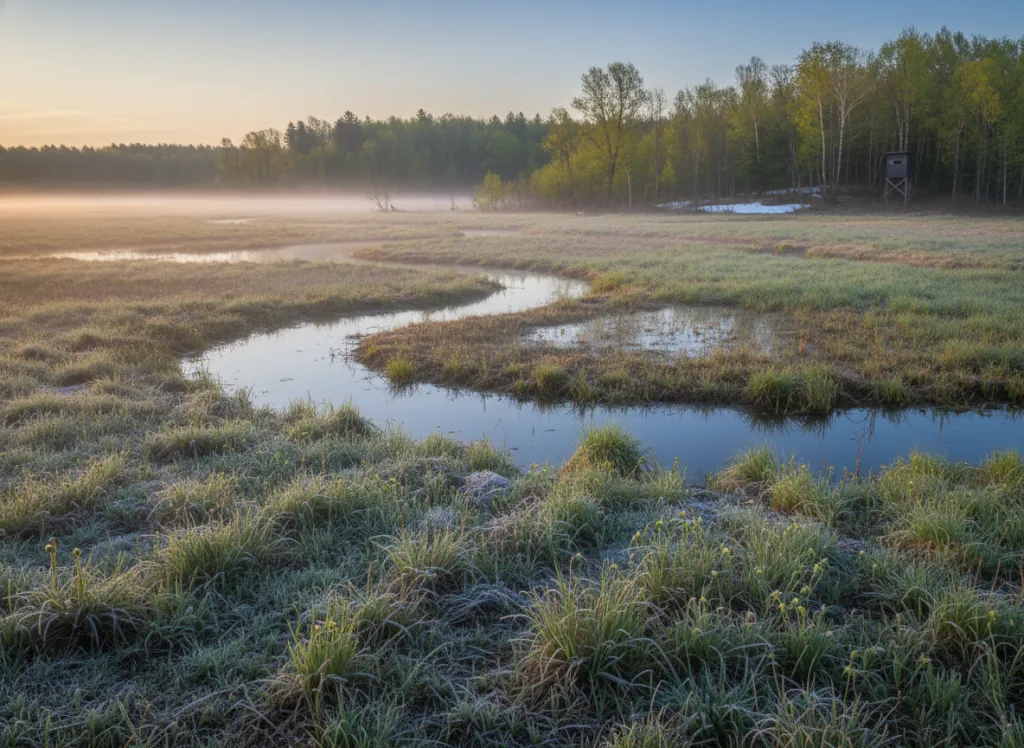
Spring means turkeys, and club members are out for them. It's also when the year's groundwork happens: scouting, habitat projects, and food plots going in ahead of the growing season.
Summer
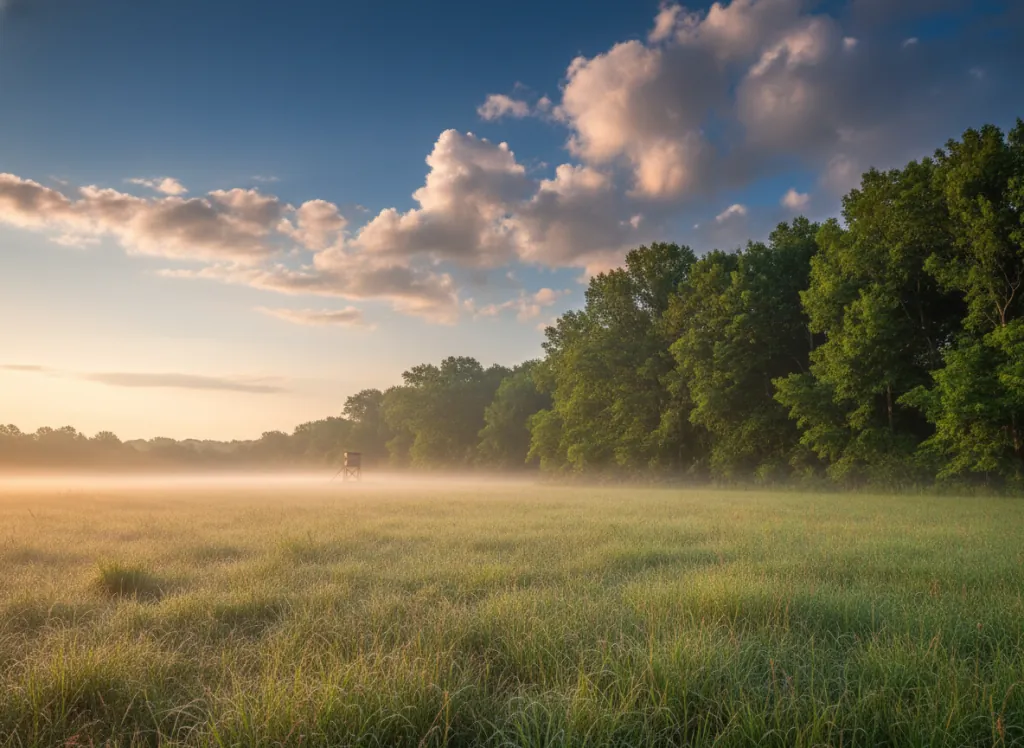
Summer runs on camera cards and stand work. Members hang and adjust sets, push habitat projects to completion, and hold the planning meetings that make sure every blind, trail, and gate on the lease is ready before fall.
Fall
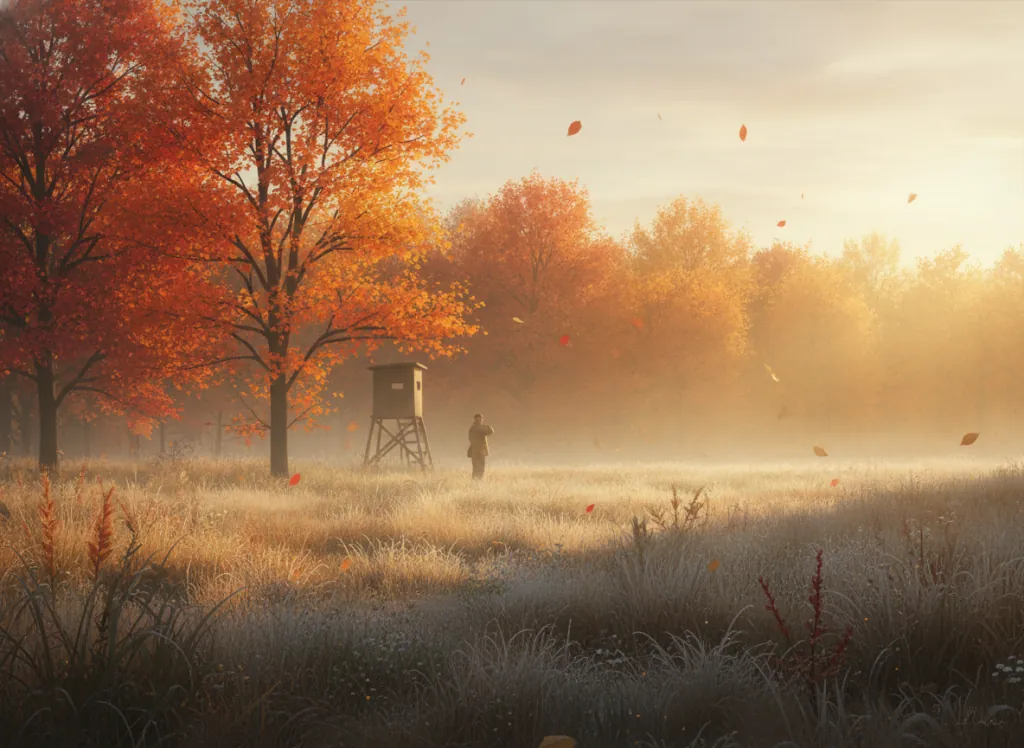
Fall is the season the whole year serves: whitetail and black bear hunting at its peak, camps full, every stand claimed. Members hunt the ground they prepared, and the summer's work either pays off or teaches next year's lesson.
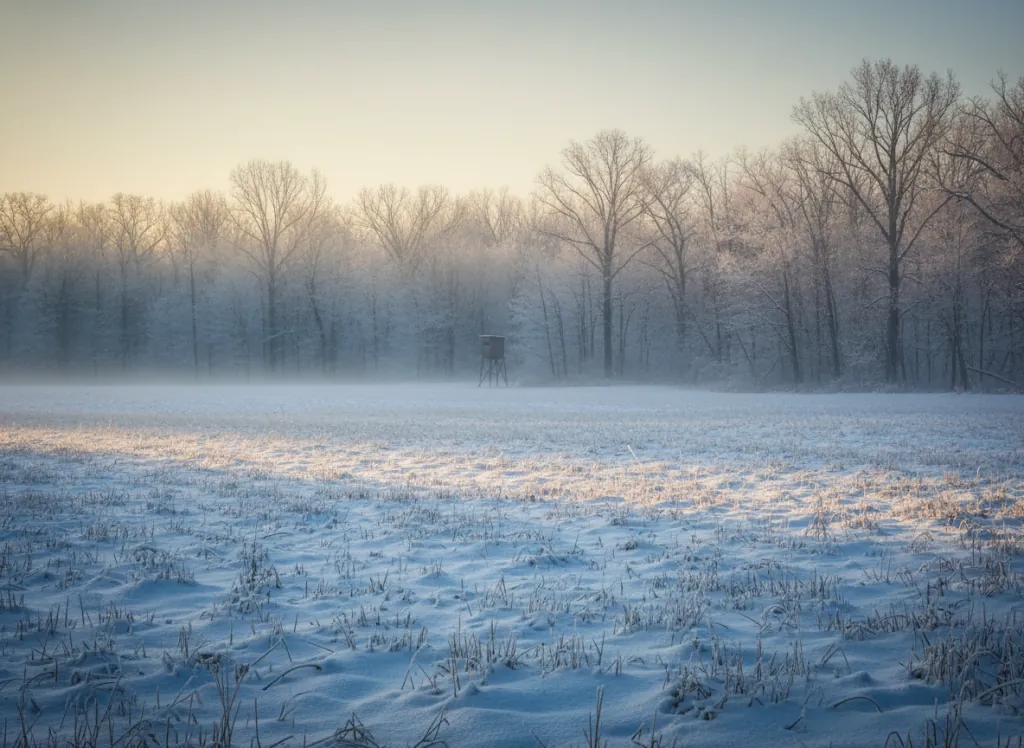
Winter
Late-season deer opportunities carry into winter, then the ledger work begins: reviewing the season, repairing equipment, maintaining the property, and locking in next year's lease agreements or memberships before anyone else does.
Free tools
Your free outdoor toolkit

Everything Map
Listings, trails, spots, clubs and public land on a single full-screen map. Switch layers on and off, then tap any point for the details.
Open Everything MapTrail Explorer
Browse a community map of named trails with distance, difficulty, and where each one starts.
Open Trail ExplorerRoute Planner
Drop stops on a map and watch distance and drive time add up. Export a GPX or share the link.
Open Route PlannerHunting Clubs
Browse local clubs with meeting info and how to join, or start your own for free.
Open Hunting ClubsPhoto ID
Point your camera at whatever you found and get a structured identification. No signup.
Open Photo IDGear Checklists
Printable, save-as-you-go packing lists. Tick items off and pull them up on your phone.
Open Gear Checklists


Keep exploring