Hunting Outfitters · Arkansas
Hunting Outfitters in Arkansas
Hunt 33 outfitters across Arkansas. Maps, hours, contact info, photos, and verified operator profiles, all in one place.
Ozark hardwoods, Ouachita mountains, and the Buffalo National River.
About Arkansas
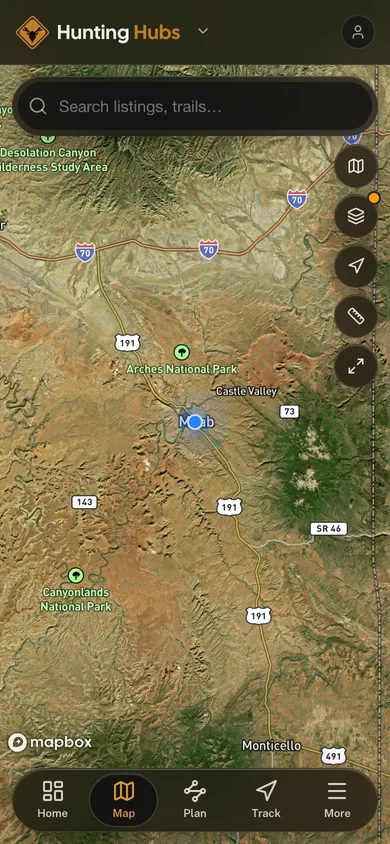
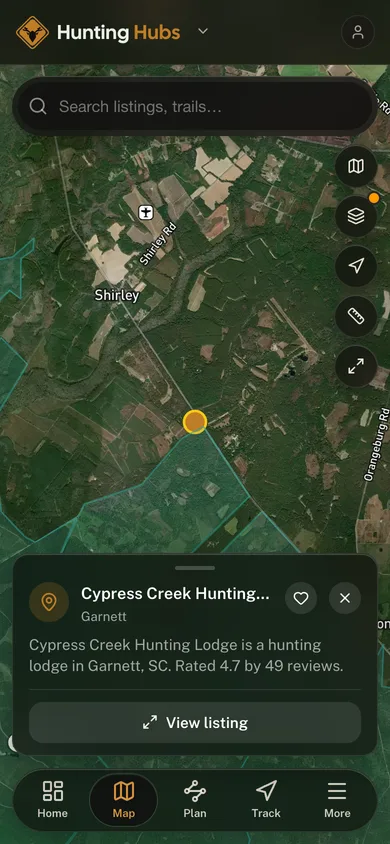
33 on the map
Tap a pin to open its profile.
Quick facts
- Outfitters listed
- 33
- Best season
- March through November
All listings
33 outfitters
across Arkansas

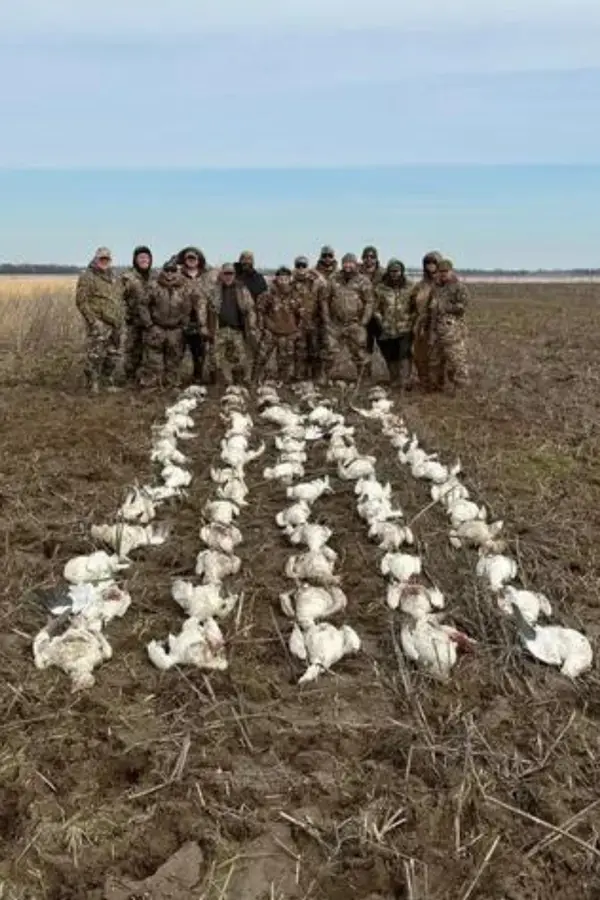
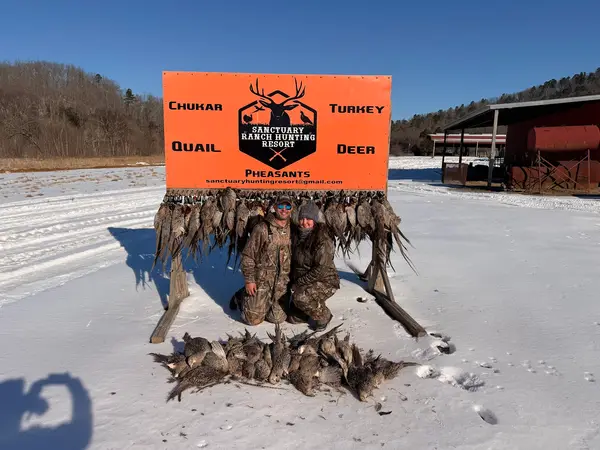
Plan your trip
Plan your trip to Arkansas
Game Species and Seasons
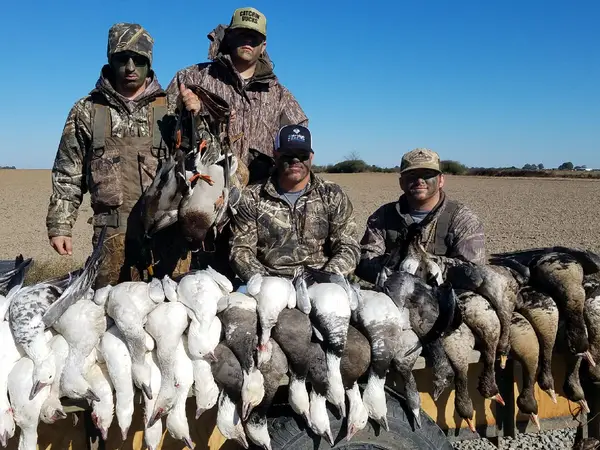
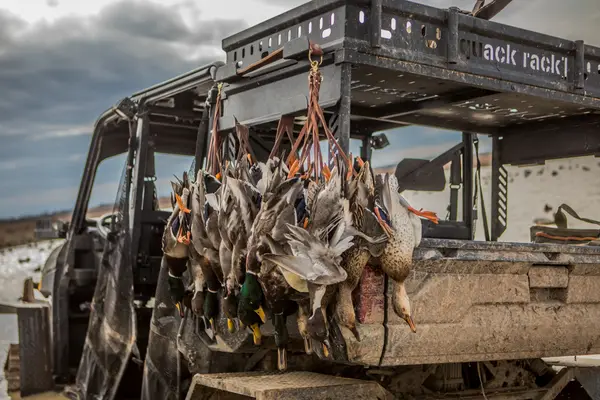
Arkansas offers robust hunting for white-tailed deer (archery, muzzleloader, modern gun seasons), wild turkey, and a globally renowned waterfowl season, particularly for ducks. Bear hunting is also popular in the Ozark and Ouachita regions. Specific seasons vary by zone and weapon type; always consult the current Arkansas Game and Fish Commission (AGFC) regulations.
License and Tag Requirements
All hunters in Arkansas must possess a valid hunting license. Additionally, specific permits or tags are often required for big game species like deer and turkey. Non-resident licenses and tags are typically more expensive. Some hunts may require a draw or lottery system, though this is less common for general private land access.
Public Land vs. Leased/Club Access
While Arkansas has extensive public hunting opportunities on Wildlife Management Areas (WMAs), hunting clubs and leased grounds provide exclusive access to private land. This often translates to lower hunter density, better game management, and more consistent hunting success. Always verify the terms of access for any club or lease agreement.
Diverse Terrain Types
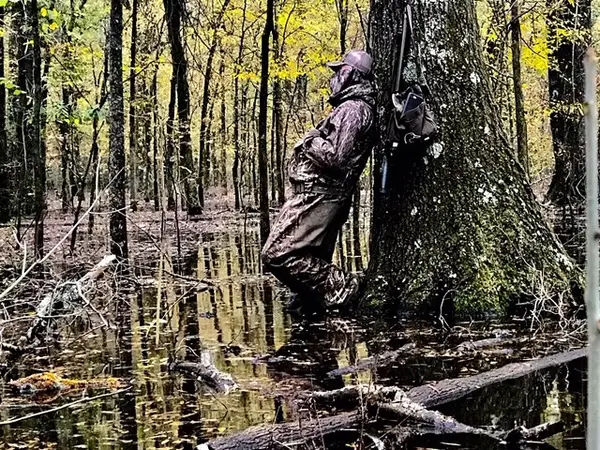
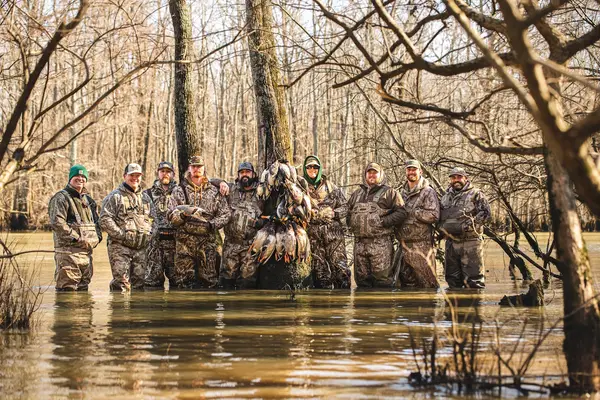
Hunters will encounter a variety of terrain: the flat, often flooded, hardwood bottomlands and agricultural fields of the Delta are prime for waterfowl; the rolling hills and pine forests of the Gulf Coastal Plain offer excellent deer habitat; and the rugged, oak-hickory forests of the Ozark and Ouachita Mountains are ideal for deer, turkey, and bear.
Club Membership Norms
Hunting clubs in Arkansas typically involve annual dues, work requirements for habitat improvement or maintenance, and adherence to specific club rules regarding harvest limits, guest policies, and communal responsibilities. Prospective members should thoroughly understand these commitments before joining a group.
Confirm current requirements with the state agency before your trip. Rules and fees change every season.
Arkansas Hunting License
All individuals hunting in Arkansas are required to possess a valid Arkansas hunting license. This includes both residents and non-residents, regardless of whether they are hunting on private leased land or public areas. Licenses can be purchased online, by phone, or from authorized vendors.
Hunter Education Requirements
Hunters born on or after January 1, 1969, must successfully complete a hunter education course before hunting in Arkansas. This requirement applies to all hunters, including landowners hunting their own ground, the resident-landowner exemption waives the license, not hunter education. A hunter who isn't yet certified may instead hunt under the direct supervision of a licensed adult at least 21 years old who meets the education requirement, and those 16 and older can use Arkansas's Deferred Hunter Education (DHE) option to do so.
Arkansas Game and Fish CommissionBig Game Tags and Permits
In addition to a general hunting license, specific tags or permits are required for hunting big game species such as deer and turkey. These tags are often included with certain license packages or must be purchased separately. Deer and turkey harvests must be recorded through the AGFC Game Check system (online, by phone, or via the app) within the required window, with the confirmation number kept with the animal; a physical carcass tag is only required once the animal leaves the hunter's immediate presence.
Private Land Access and Permission
Hunting on private land, including leased grounds, requires explicit permission from the landowner or leaseholder. While not a state-issued permit, it is a legal requirement. Always ensure you have a written lease agreement or documented permission before hunting on private property to avoid trespassing charges.
- 01
Understand Arkansas Regulations
Start with the current Arkansas Game and Fish Commission (AGFC) regulations: season dates, bag limits, and license requirements for your target species. Zones and weapon seasons differ enough that skimming isn't good enough.
- 02
Define Your Hunting Goals
Decide what you're actually here for (ducks, deer, turkey, or a mixed bag), and how you like to hunt. A Delta duck lease and an Ozark deer club are different worlds with different price tags; knowing which one you want saves a season of looking.
- 03
Research Available Clubs and Leases
Hunt for clubs and lease tracts in the regions that fit your goals, and weigh more than acreage: management philosophy, harvest ethics, and how the membership is structured all matter. Online directories help; local word of mouth helps more.
- 04
Visit and Evaluate Properties
Walk any property before you commit. Read the habitat and the game sign yourself, look hard at the infrastructure, and talk with the members or the lease manager. You're not just evaluating dirt, you're evaluating the people you'll share it with for years.
- 05
Secure Licenses and Agreements
Once you've picked your spot, get the membership or lease agreement in writing, every term. Then buy your Arkansas licenses and species tags before opening day, so the paperwork is boring and the hunt isn't.
01What is the typical cost for a hunting club membership or lease in Arkansas?
02What are the most common game species hunted on leased land in Arkansas?
03How do I find reputable hunting clubs or leases in Arkansas?
04Do Arkansas hunting clubs typically allow guests?
05What kind of work commitments are usually expected from club members?
06What should I look for in a hunting lease agreement in Arkansas?
When to go
Season by season in Arkansas
Spring
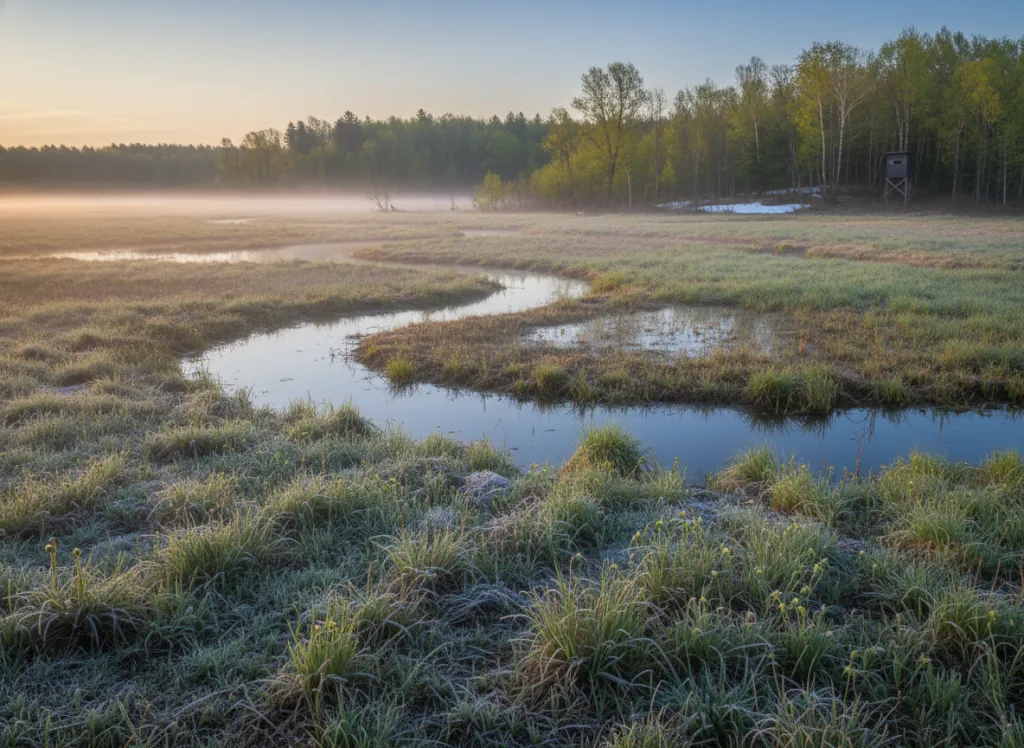
Turkey season owns the spring, and clubs with good gobbler ground fill fast. It's also the working season: food plots go in, and the property work that will decide next deer season starts now, while the birds are still gobbling.
Summer
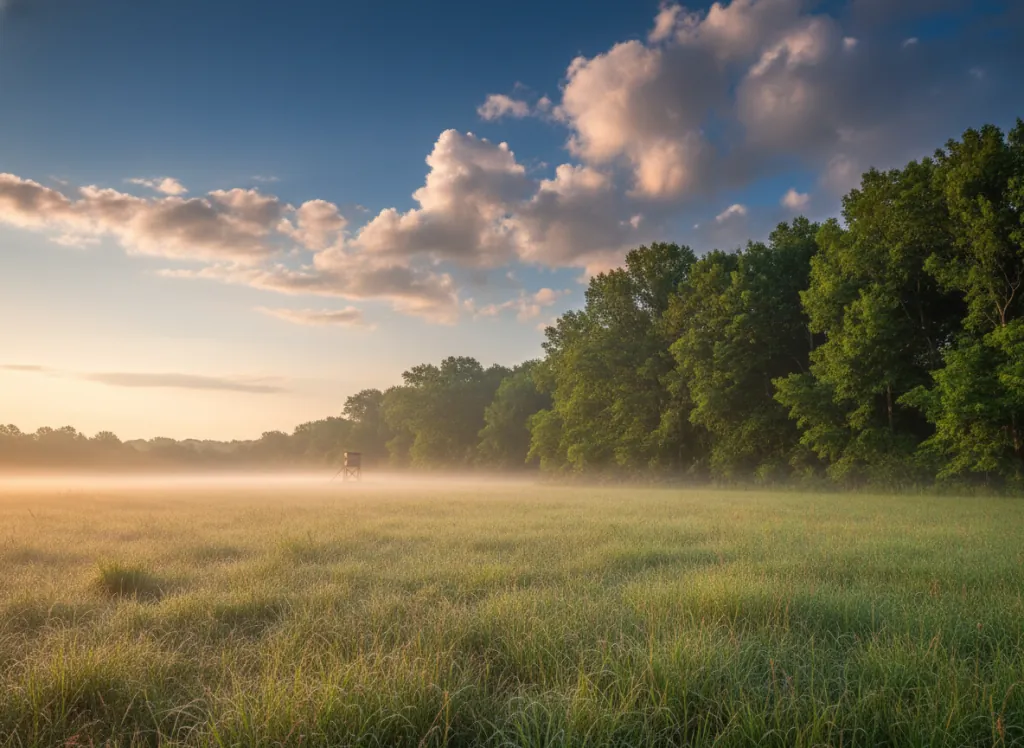
Summer is heads-down habitat work: trail camera surveys, stand hanging, brush-hogging, boundary checks. No glamour in any of it, but come October the clubs that sweated through July are the ones that hunt well.
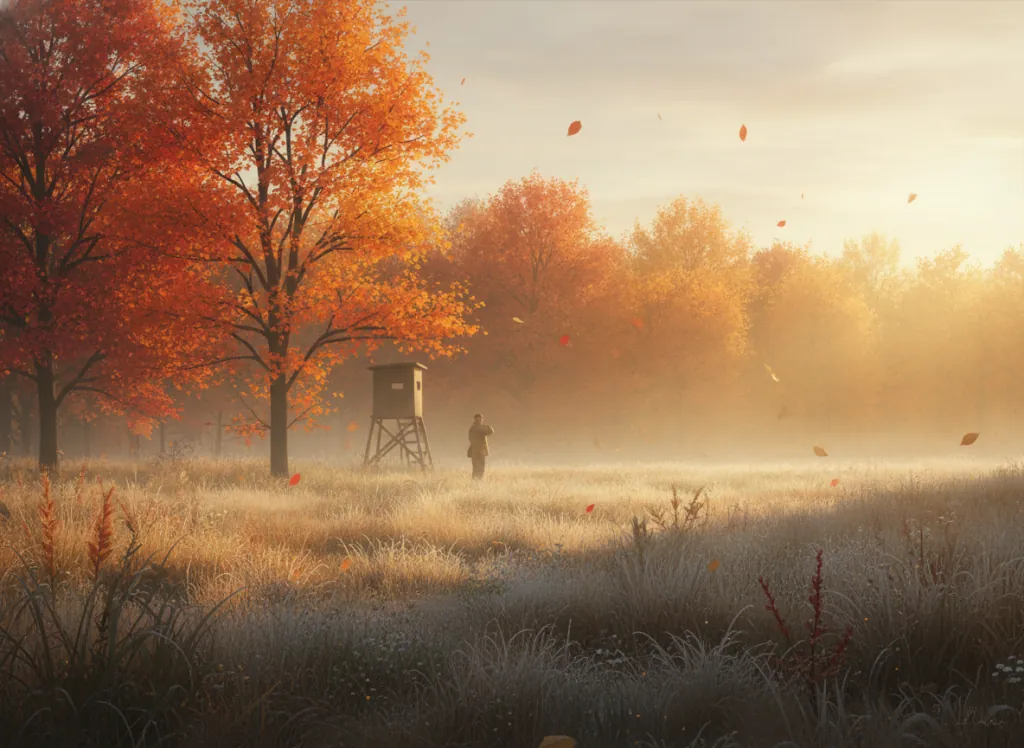
Fall
Everything opens at once: archery, then muzzleloader, then modern gun for deer, with duck season bearing down behind them. This is the stretch the lease was for, and every camp in the state is full of hunters chasing their main species.
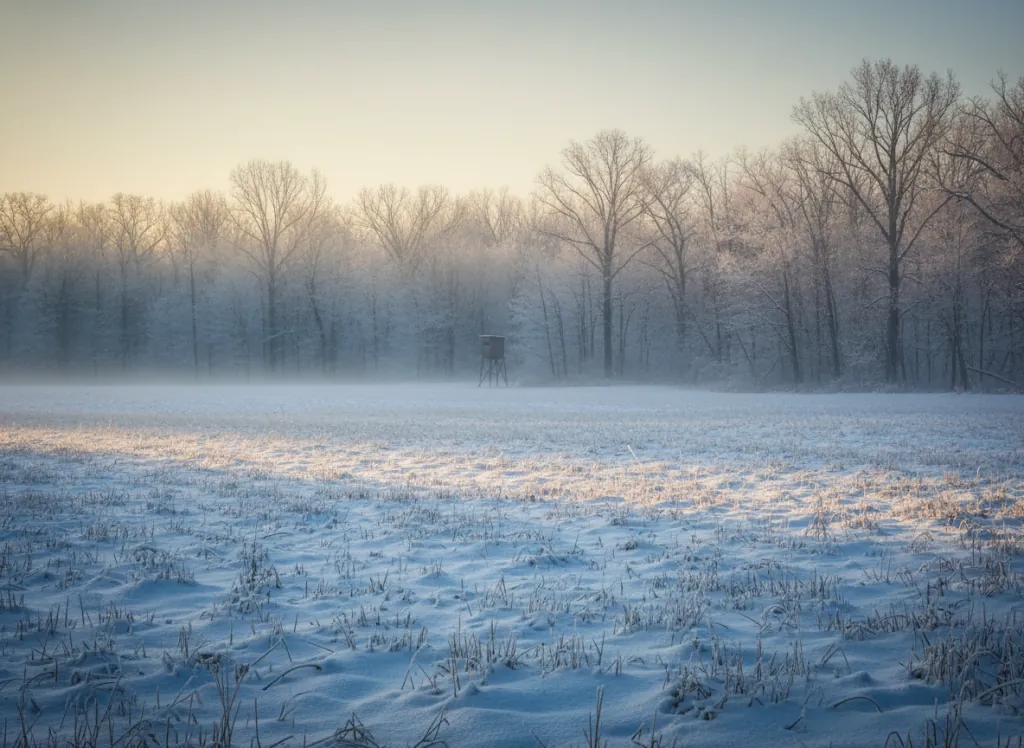
Winter
Late winter still offers small game and, in some zones, late deer hunts. Mostly, though, it's the accounting season: what worked, what didn't, which stands never saw a deer, and what the club fixes or replants before it all starts again.
Free tools
Your free outdoor toolkit

Everything Map
Listings, trails, spots, clubs and public land on a single full-screen map. Switch layers on and off, then tap any point for the details.
Open Everything MapTrail Explorer
Browse a community map of named trails with distance, difficulty, and where each one starts.
Open Trail ExplorerRoute Planner
Drop stops on a map and watch distance and drive time add up. Export a GPX or share the link.
Open Route PlannerHunting Clubs
Browse local clubs with meeting info and how to join, or start your own for free.
Open Hunting ClubsPhoto ID
Point your camera at whatever you found and get a structured identification. No signup.
Open Photo IDGear Checklists
Printable, save-as-you-go packing lists. Tick items off and pull them up on your phone.
Open Gear Checklists


Keep exploring