Hunting Outfitters · Tennessee
Hunting Outfitters in Tennessee
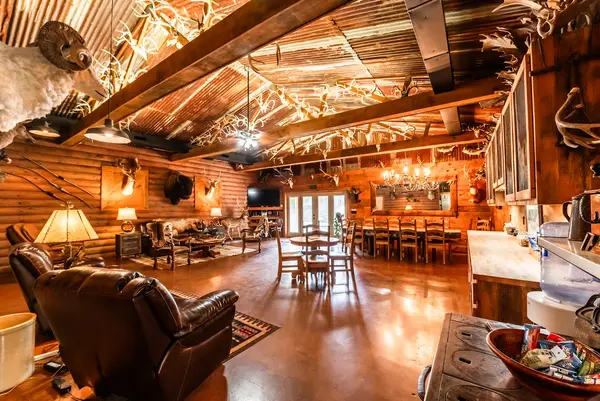
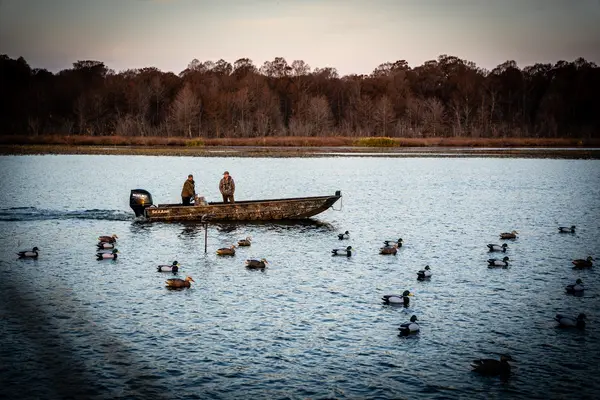
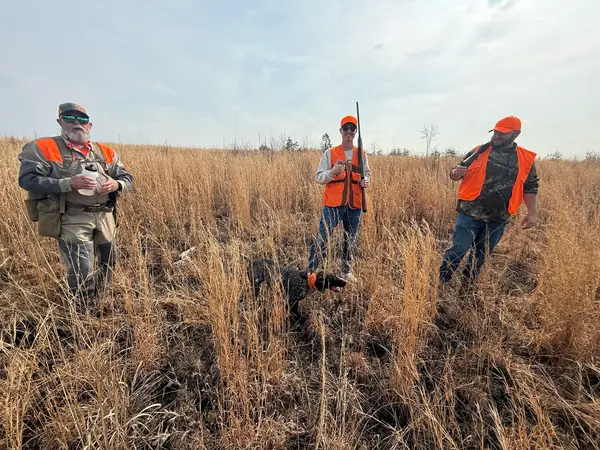
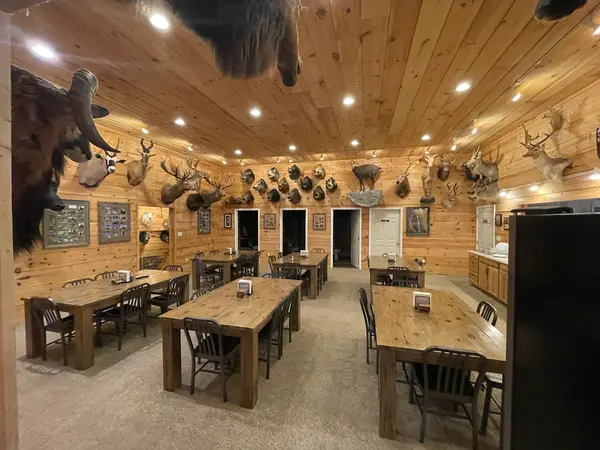
Hunt 28 outfitters across Tennessee. Maps, hours, contact info, photos, and verified operator profiles, all in one place.
Smokies, Cumberland Plateau, and the Mississippi River bluffs.
About Tennessee
28 on the map
Tap a pin to open its profile.
Quick facts
- Outfitters listed
- 28
- Best season
- April through November
All listings
28 outfitters
across Tennessee


Watch it live
Live webcams in Tennessee
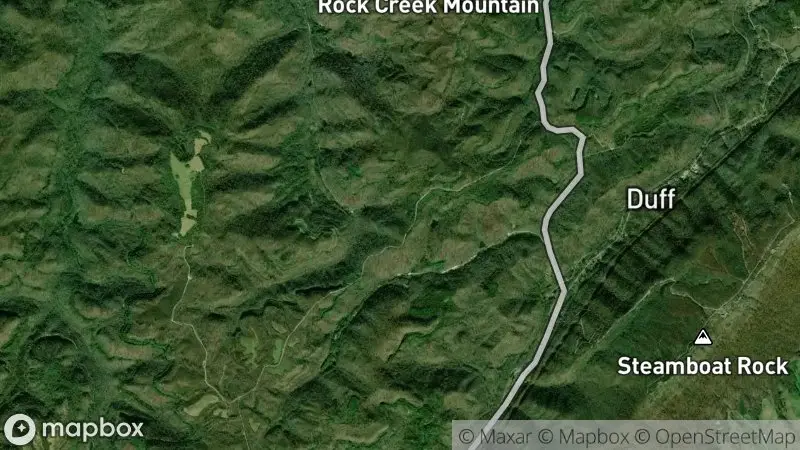 Location
North Cumberland Elk
via HDOnTap
Watch livePlan your trip
Plan your trip to Tennessee
Primary Game Species and Seasons
Tennessee's private lands are most popular for white-tailed deer and wild turkey. Deer seasons typically run from late September through early January, with archery, muzzleloader, and gun phases. Wild turkey season is usually in April and May. Waterfowl, squirrel, and rabbit are also popular on private leases, with seasons varying; always consult the current TWRA hunting guide.
License and Tag Requirements
With narrow statutory exceptions, hunters must possess a valid Tennessee hunting license, a lease or club membership is not one of them. (Tennessee exempts resident landowners hunting their own farmland and hunters under 13, but not leased or club ground.) Big game species like deer and turkey often require specific tags or permits, which are typically included with certain license types or purchased separately. Out-of-state hunters will need a non-resident license, which costs more than a resident license.
Private Land Access vs. Public Land
Hunting clubs and leases provide exclusive access to private property, which often features managed habitats and lower hunting pressure compared to public lands. While public lands require specific permits or WMAs, private land access is granted through membership or a lease agreement, negating the need for public land permits but still requiring state hunting licenses.
Diverse Terrain Types
Tennessee offers varied terrain, influencing hunting strategies and club/lease locations. West Tennessee features flat, fertile agricultural fields and river bottom hardwoods ideal for deer, turkey, and waterfowl. Middle Tennessee includes rolling hills, cedar glades, and hardwood forests. East Tennessee and the Cumberland Plateau present rugged mountains and dense timber, favoring deer and bear.
Club Membership Norms
Hunting clubs in Tennessee typically involve annual dues, which cover property lease costs, habitat management, and shared amenities. Members often participate in workdays for maintenance and improvement projects. Prospective members should inquire about guest policies, harvest limits, and club rules, as these vary significantly between organizations.
Confirm current requirements with the state agency before your trip. Rules and fees change every season.
Tennessee Hunting License
With narrow, specific exceptions, individuals hunting in Tennessee must possess a valid Tennessee hunting license, and neither a club membership nor a lease is one of those exceptions. Tennessee's exemptions are limited to cases such as resident landowners and their immediate family hunting their own farmland, and hunters under 13. This includes both residents and non-residents. Specific endorsements or permits may be required for certain species or hunting methods.
Tennessee Wildlife Resources AgencyBig Game Tags and Permits
Hunters pursuing white-tailed deer or wild turkey must possess the appropriate big game tags or permits in addition to their base hunting license. These are often included with annual sportsman licenses or can be purchased as specific supplemental tags. Ensure you understand the bag limits and season dates for your chosen game.
Hunter Education Requirement
Anyone born on or after January 1, 1969, must satisfactorily complete a hunter education course before hunting in Tennessee. Proof of completion must be carried while hunting. There are limited exemptions for specific licenses or supervised hunting, but it is generally a mandatory requirement for most hunters.
Tennessee Wildlife Resources Agency
- 01
1. Define Your Hunting Goals
Name your priorities before you shop: the species (deer, turkey, waterfowl), the weapon (bow, gun), and the amenities you'd actually use, cabin access, shared equipment. Every club and lease decision gets easier once those are fixed.
- 02
2. Research Tennessee Regions and Game Zones
Match your target game and preferred terrain to a region, then learn its game zones. Seasons and bag limits shift across the state, and the zone your property sits in decides which rules you hunt under.
- 03
3. Evaluate Club or Lease Structures
Pick your model: a club's shared costs and camp community, or a lease's exclusive access and free hand. Then work the sources (landowners, club managers, specialized listing services), until the right property surfaces.
- 04
4. Secure Required Licenses and Education
Get your Tennessee hunting license and any big game tags squared away before the season. Born after January 1, 1969? Complete a TWRA-approved hunter education course and carry the proof afield.
- 05
5. Conduct On-Site Visits and Due Diligence
Walk the ground before you commit: habitat, boundaries, amenities, all of it. Then read the bylaws or lease agreement line by line, and settle every question about access, responsibilities, and money before you sign, not after.
01What are the main advantages of joining a hunting club in Tennessee?
02How do hunting leases typically work in Tennessee?
03What common game species can I expect to hunt on private land in Tennessee?
04Do I need a special permit to hunt on private leased land in Tennessee?
05What kind of habitat management is common on Tennessee hunting properties?
06Are there specific regulations regarding non-resident hunters on Tennessee leases?
When to go
Season by season in Tennessee
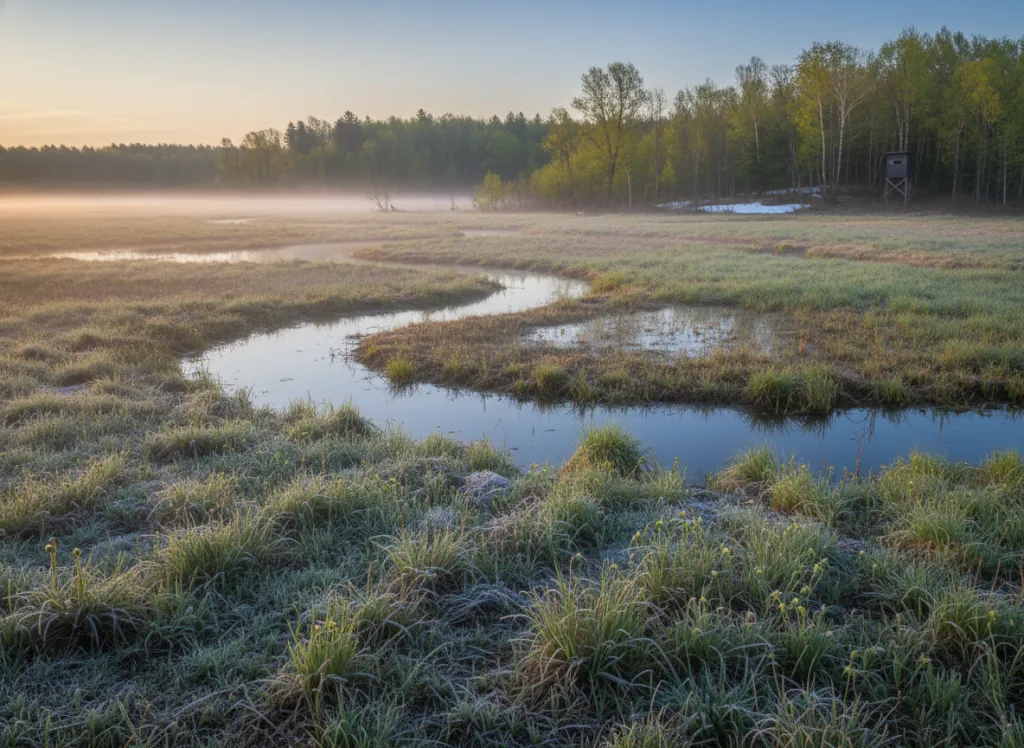
Spring (March - May)
Spring is turkey season, and club talk turns to strutting zones and roost sites. It's also planting time, warm-season food plots go in now, and the property gets its first cleanup after winter.
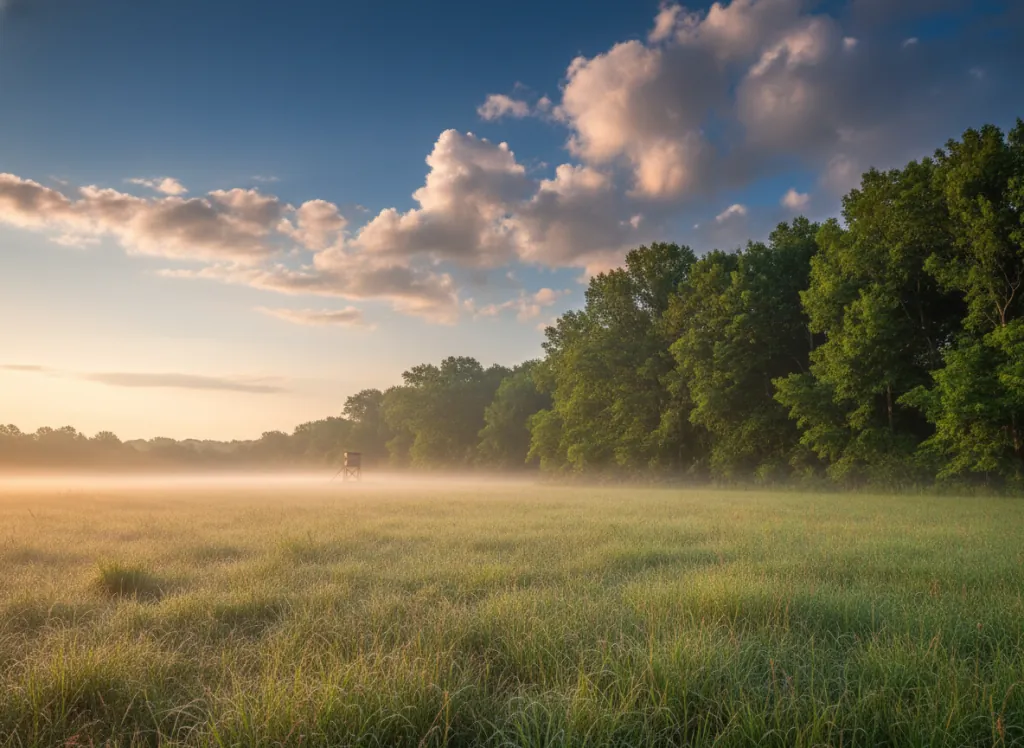
Summer (June - August)
Summer is the grind that fall pays back: spraying plots, mowing trails, patching blinds. Trail cameras go up, scouting starts in earnest, and leased ground gets its infrastructure squared away before the first cool morning.
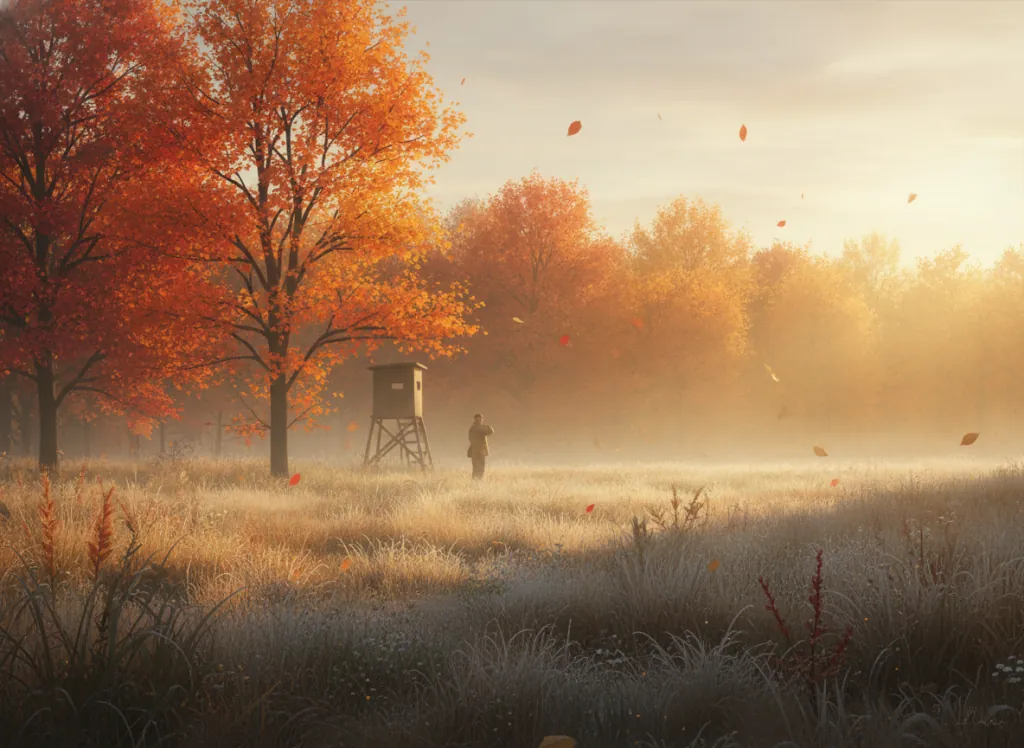
Fall (September - December)
Deer season headlines the fall, with small game alongside and waterfowl arriving later in the stretch. Club camps come alive, and leaseholders get the payoff their exclusivity was for, the best windows of the year, all to themselves.
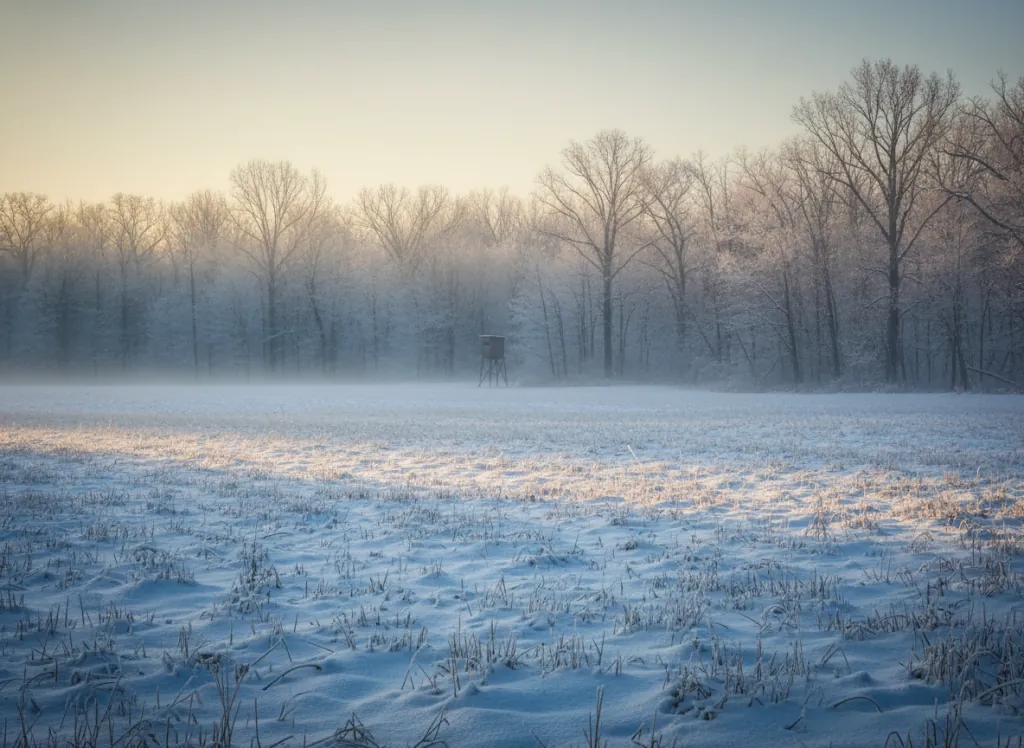
Winter (January - February)
Late-season deer, small game, and predator control keep boots in the field. Meanwhile the next season starts on paper: cold-season plots go in, timber stand work continues, and clubs sort out plans and lease renewals for the year ahead.
Free tools
Your free outdoor toolkit

Everything Map
Listings, trails, spots, clubs and public land on a single full-screen map. Switch layers on and off, then tap any point for the details.
Open Everything MapTrail Explorer
Browse a community map of named trails with distance, difficulty, and where each one starts.
Open Trail ExplorerRoute Planner
Drop stops on a map and watch distance and drive time add up. Export a GPX or share the link.
Open Route PlannerHunting Clubs
Browse local clubs with meeting info and how to join, or start your own for free.
Open Hunting ClubsPhoto ID
Point your camera at whatever you found and get a structured identification. No signup.
Open Photo IDGear Checklists
Printable, save-as-you-go packing lists. Tick items off and pull them up on your phone.
Open Gear Checklists


Keep exploring