Hunting Outfitters · Delaware
Hunting Outfitters in Delaware
Hunt 6 outfitters across Delaware. Maps, hours, contact info, photos, and verified operator profiles, all in one place.
Atlantic beaches, Delaware Bay, and salt-marsh estuaries.
About Delaware
6 on the map
Tap a pin to open its profile.
Quick facts
- Outfitters listed
- 6
- Best season
- May through October
All listings
6 outfitters
across Delaware

Plan your trip
Plan your trip to Delaware
Primary Game Species and Seasons
Delaware is known for its strong populations of whitetail deer, wild turkey, and a variety of waterfowl due to its location on the Atlantic Flyway. Small game like rabbit, squirrel, and pheasant are also popular. Season dates are generally concise, and hunters should consult the annual Delaware Hunting and Trapping Guide for specific opening and closing dates for all species.
License and Tag Requirements
All hunters must possess a valid Delaware hunting license. Deer tags are typically included with the general license, but specific limits apply to antlered and antlerless deer. Additional permits, such as the Migratory Bird Harvest Information Program (HIP) permit, are required for waterfowl and migratory bird hunting.
Public vs. Private Access
Given Delaware's small size and limited public hunting land, private leases and club memberships are a significant avenue for consistent and quality hunting experiences. These options provide dedicated access to managed properties, often with higher success rates and fewer competing hunters compared to public areas.
Typical Terrain Types
Hunters in Delaware will encounter predominantly flat terrain. Common habitats include extensive agricultural fields (corn, soybeans), mixed hardwood and pine forests, and significant tidal marshlands along the Delaware Bay and Atlantic coast, offering diverse hunting environments.
Club Membership Norms
Hunting clubs in Delaware often specialize in either deer or waterfowl, or a combination. Members typically share responsibilities for habitat management, stand maintenance, and adherence to specific club rules regarding guest policies, harvest reporting, and property upkeep. Financial contributions for lease fees and improvements are standard.
Confirm current requirements with the state agency before your trip. Rules and fees change every season.
Delaware Hunting License
All individuals hunting in Delaware must possess a valid Delaware hunting license. Non-residents must purchase a non-resident license. Specific license types may apply based on age and residency status, so verify with the state agency.
Delaware DNRECHunter Education Certification
Anyone born after January 1, 1967, must successfully complete a Delaware Hunter Education Course or possess an equivalent certificate from another state or province to purchase a hunting license in Delaware.
Delaware DNRECMigratory Bird Harvest Information Program (HIP) Permit
Hunters pursuing migratory game birds, including waterfowl, doves, and woodcock, are required to obtain an annual HIP permit. This permit helps the U.S. Fish and Wildlife Service gather data on migratory bird harvests.
Delaware DNRECFederal Duck Stamp
All waterfowl hunters aged 16 and older must possess a valid Federal Migratory Bird Hunting and Conservation Stamp (Federal Duck Stamp). This stamp must be signed across its face and carried while hunting migratory waterfowl.
Deer Tags and Harvest Reporting
Deer hunters receive specific tags with their hunting license, which must be attached to harvested deer immediately. All harvested deer must be registered with the Delaware DNREC within 24 hours of harvest, typically online or by phone.
- 01
Complete Hunter Education
Born after January 1, 1969? A Delaware-approved hunter education course comes first, no certificate, no license.
- 02
Purchase Licenses and Permits
Line up your Delaware hunting license, deer tags, and the HIP permit if you'll chase migratory birds, through the Delaware DNREC website or an authorized vendor.
- 03
Research Clubs and Leases
Work out what you're after (deer ground, marsh access, or both), and start comparing clubs and leases in the counties that fit.
- 04
Visit Properties and Understand Terms
Walk the ground before you sign anything. Read the lease agreement and club bylaws closely, and be clear on what work and fees membership actually carries.
- 05
Familiarize Yourself with Regulations and Seasons
Before the first hunt, check the current Delaware Hunting and Trapping Guide for season dates, bag limits, and the rules specific to your species and location.
01What species can I typically hunt on a club or lease in Delaware?
02Are there specific regulations for hunting on leased land versus public land?
03What kind of terrain should I expect in Delaware hunting leases?
04Do I need a hunter education course to hunt in Delaware?
05How do I find out about season dates and bag limits?
06What are common commitments for joining a hunting club in Delaware?
When to go
Season by season in Delaware
Spring
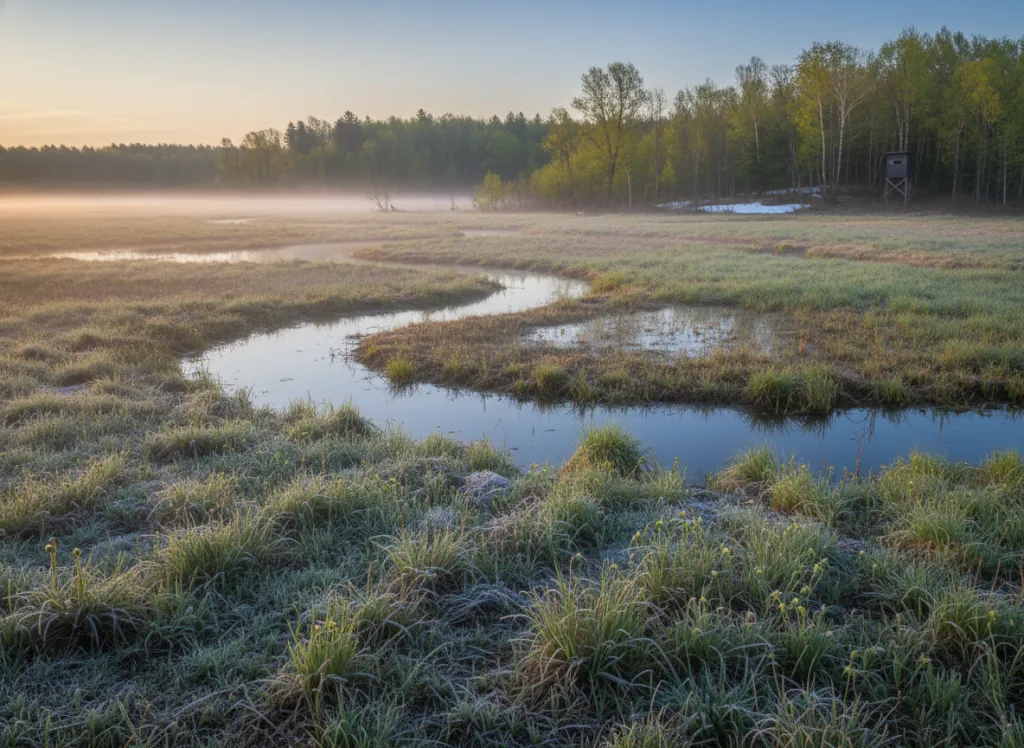
Spring belongs to wild turkey. On clubs and leases it's also dirt-work season: food plots going in, habitat projects underway, and the first scouting for the deer that will matter come fall.
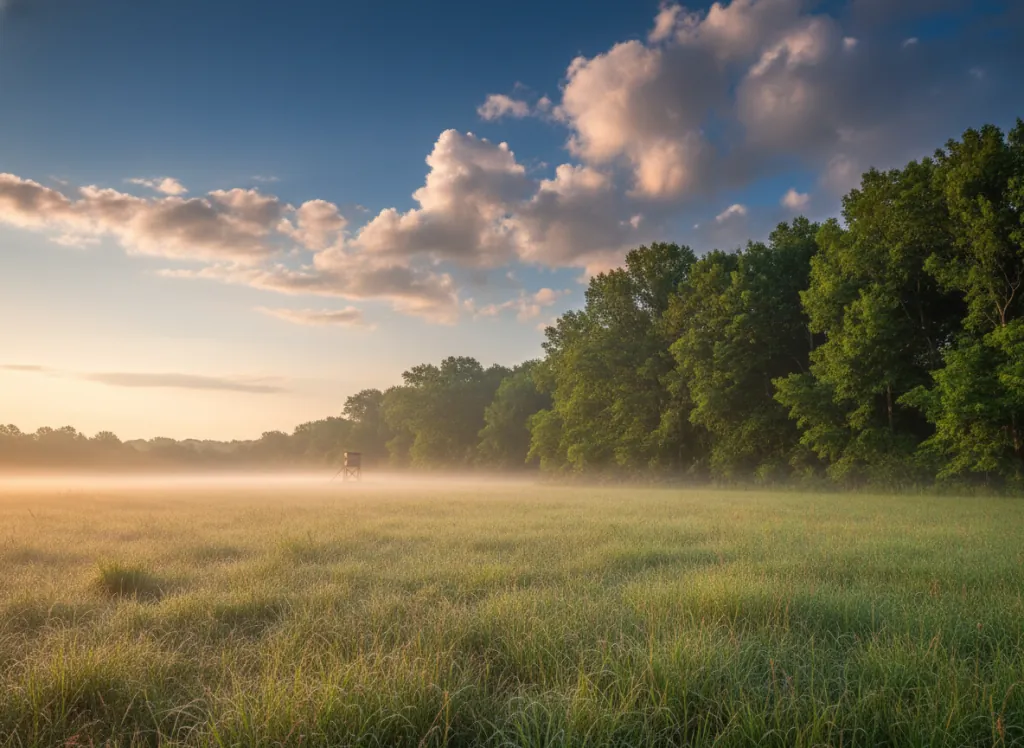
Summer
Summer is the grind that pays off later: stands checked and repaired, trails cleared, mineral sites topped off, wildlife surveys run so the club knows what's walking the property before opening day.
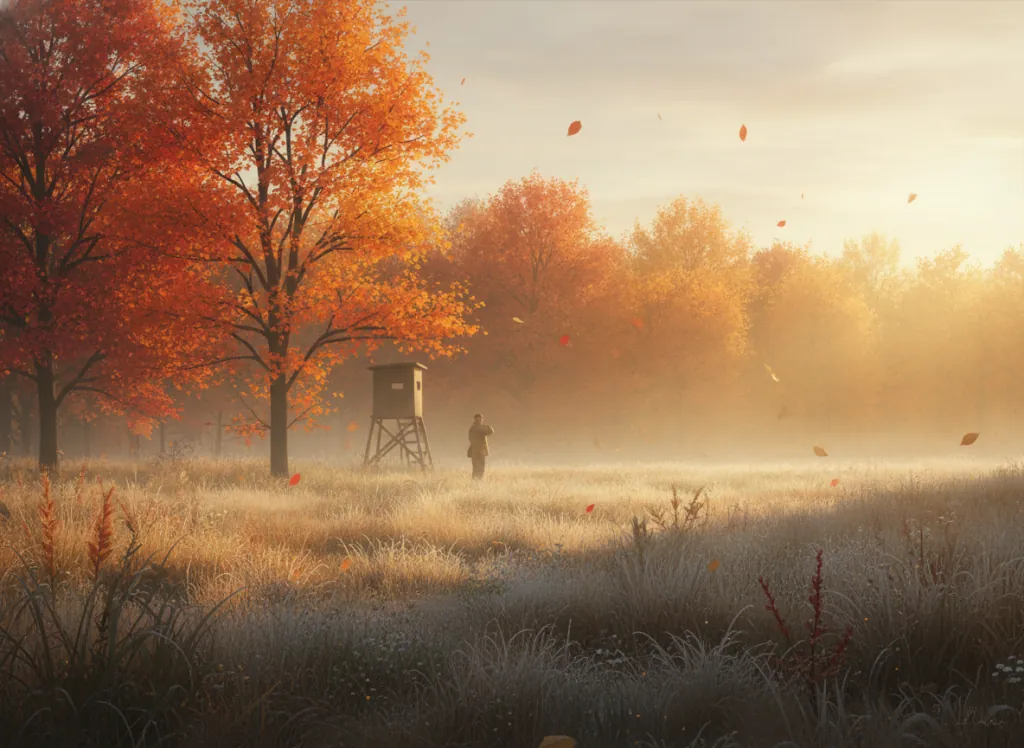
Fall
The calendar fills up fast: whitetail archery, shotgun, and muzzleloader seasons and the waterfowl openers. This is when a Delaware lease earns its fee, and members use every weekend of it.
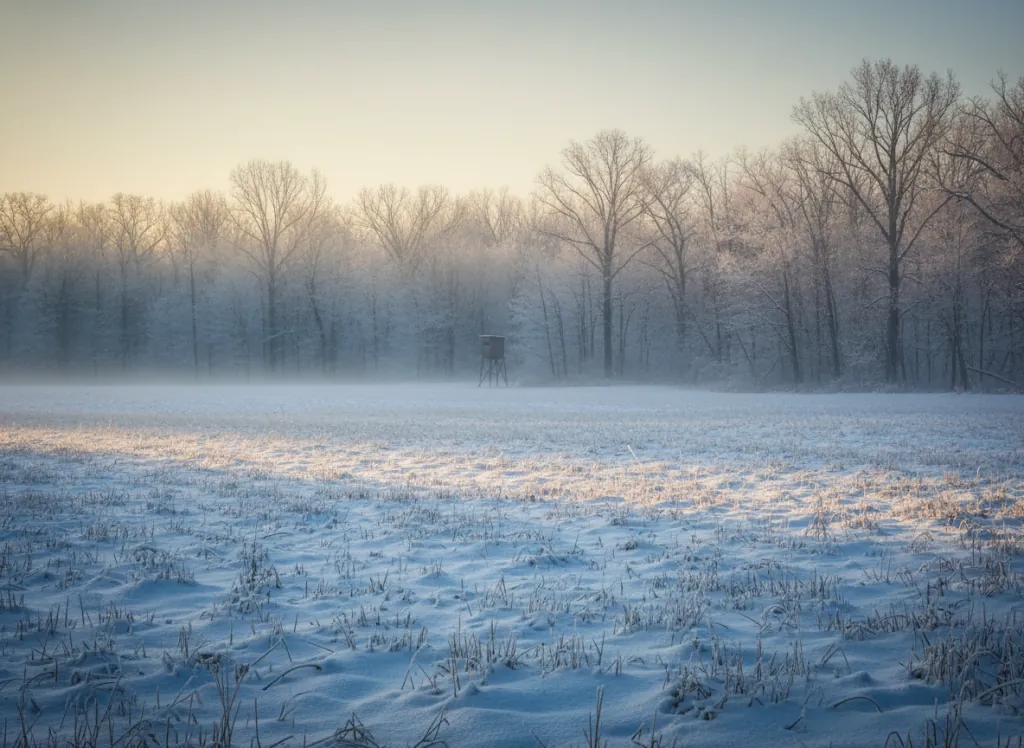
Winter
Extended deer, waterfowl, and small game seasons carry the hunting into winter. When the last season closes, the work turns to post-season scouting, property upkeep, and planning next year's habitat projects.
Free tools
Your free outdoor toolkit

Everything Map
Listings, trails, spots, clubs and public land on a single full-screen map. Switch layers on and off, then tap any point for the details.
Open Everything MapTrail Explorer
Browse a community map of named trails with distance, difficulty, and where each one starts.
Open Trail ExplorerRoute Planner
Drop stops on a map and watch distance and drive time add up. Export a GPX or share the link.
Open Route PlannerHunting Clubs
Browse local clubs with meeting info and how to join, or start your own for free.
Open Hunting ClubsPhoto ID
Point your camera at whatever you found and get a structured identification. No signup.
Open Photo IDGear Checklists
Printable, save-as-you-go packing lists. Tick items off and pull them up on your phone.
Open Gear Checklists


Keep exploring