Hunting Outfitters · Maryland
Hunting Outfitters in Maryland
Hunt 27 outfitters across Maryland. Maps, hours, contact info, photos, and verified operator profiles, all in one place.
Chesapeake Bay, Appalachian Plateau, and the Atlantic at Assateague.
About Maryland
27 on the map
Tap a pin to open its profile.
Quick facts
- Outfitters listed
- 27
- Best season
- April through November
All listings
27 outfitters
across Maryland

Watch it live
Live webcams in Maryland
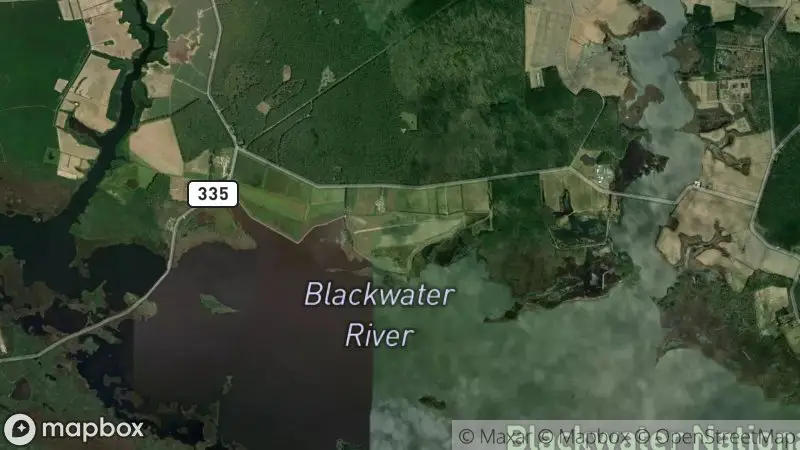 Location
Blackwater Refuge Waterfowl
via HDOnTap
Watch livePlan your trip
Plan your trip to Maryland
Game Species and Seasons
Maryland offers robust hunting for whitetail deer, wild turkey, and a variety of waterfowl including ducks and geese. Seasons vary significantly by species, weapon type, and region, with deer seasons extending from September through January. Waterfowl seasons are set annually, typically starting in the fall and continuing into winter.
Licensing and Tags
All hunters in Maryland must possess a valid Maryland hunting license. Specific tags or stamps are required for certain species, such as deer and turkey, and migratory game bird hunting requires a Maryland Migratory Game Bird Stamp, while waterfowl specifically (ducks and geese) additionally requires a Federal Duck Stamp for hunters 16 and older. Non-residents face higher license fees.
Private Land Access
Hunting clubs and leased grounds are on private land, requiring explicit permission or a formal lease agreement. This differs from public land, where general regulations apply. Always ensure your lease agreement or club membership grants legal access to hunt the specified species.
Diverse Terrain Types
Maryland's hunting terrain includes hardwood bottomlands along rivers, open agricultural fields, dense pine forests, and extensive tidal marshes. Understanding the specific terrain of a club or lease helps in preparing appropriate gear and hunting strategies for the target species.
Club Membership Norms
Joining a hunting club or lease typically involves annual fees, adherence to club bylaws, and often a shared responsibility for property management and maintenance. Many clubs emphasize safety, ethical hunting, and camaraderie among members.
Confirm current requirements with the state agency before your trip. Rules and fees change every season.
Maryland Hunting License
All individuals hunting in Maryland, resident or non-resident, must possess a valid hunting license. Licenses are issued annually and vary by type, such as Resident Hunting License or Non-resident Hunting License. Specific permits or stamps are additional requirements.
Maryland DNRHunter Education Certificate
Anyone who did not hold a hunting license before July 1, 1977 (which, regardless of a hunter's age, means essentially every new hunter), must possess a Maryland Hunter Education Certificate (Certificate of Competency) or an equivalent from another state or country to obtain a hunting license. This requirement ensures hunters understand safety, regulations, and ethical practices.
Deer Stamps and Permits
To hunt deer in Maryland, hunters must purchase a Maryland Hunting License and specific deer stamps or permits. These include the Archery Stamp, Muzzleloader Stamp, and various Antlered or Antlerless Deer Stamps, which dictate the number and type of deer that can be harvested. Always verify current stamp requirements with the state agency.
Private Land Permission
Hunting on any private land, including leased grounds or club properties, requires explicit permission from the landowner or leaseholder. While a formal lease agreement serves this purpose, always carry proof of permission when hunting private property to avoid trespassing charges.
- 01
Research Maryland Hunting Regulations
Start with the current Maryland regulations for your target species: seasons, weapon rules, bag limits, and the licensing and permit requirements that go with them. The details vary enough by species and region that assumptions get expensive.
- 02
Obtain Required Licenses and Permits
Buy your Maryland license and the stamps your hunting requires (deer stamps, migratory bird stamps), through the Maryland Department of Natural Resources (DNR) online or an authorized vendor. Confirm you meet the hunter education requirement first.
- 03
Identify Preferred Hunting Region and Species
Pick your ground before you pick your lease. Waterfowl points you to the Eastern Shore; deer and turkey ambitions may pull you toward Western Maryland. The region decides what kind of club or lease is worth pursuing.
- 04
Contact Hunting Clubs and Lease Operators
Get on the phone with clubs and lease managers in your chosen region. Ask the direct questions: openings, terms, amenities, what the game populations actually look like, and what's expected of members beyond the check.
- 05
Finalize Membership or Lease Agreement
Before you sign, read the agreement the way you'd read a contract, because it is one. Access rights, financial obligations, terms and conditions: understand all of it now rather than dispute it in November.
01What game species are commonly hunted on Maryland leases?
02Do I need a hunter education certificate in Maryland?
03Are there different types of hunting leases available?
04What is the typical duration of a hunting club membership or lease?
05What should I look for in a Maryland hunting club's amenities?
06Can non-residents join hunting clubs or lease land in Maryland?
When to go
Season by season in Maryland
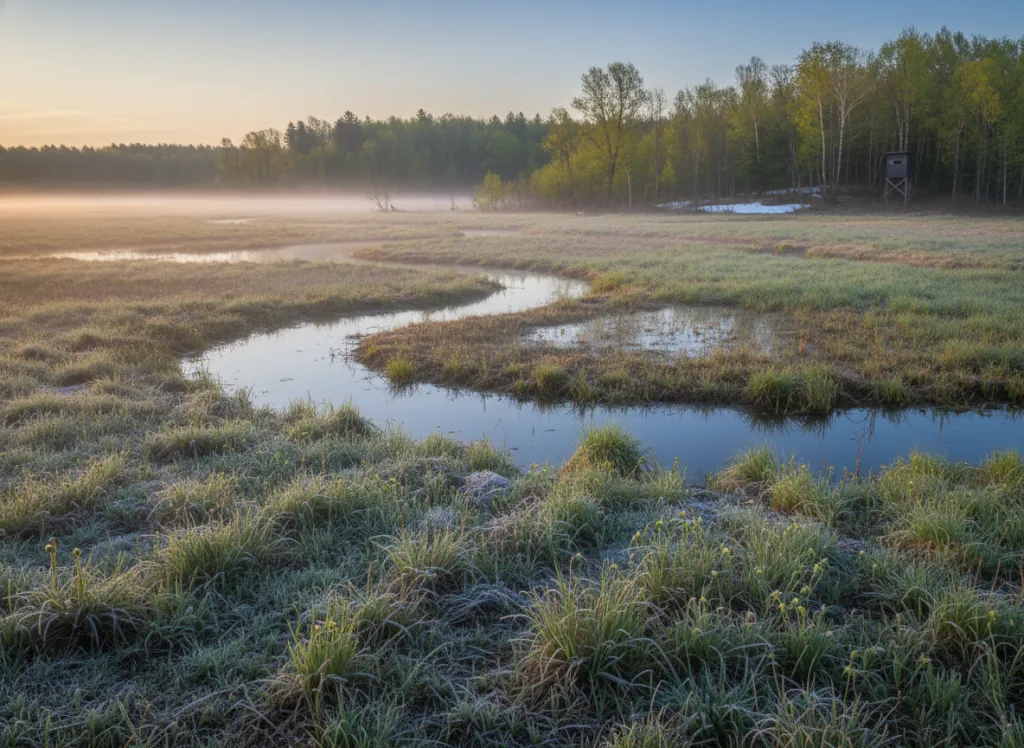
Spring (March-May)
Turkey season takes center stage, and the clubs that scouted the roosts in March fill tags in April. Spring is also blind-repair and food-plot season, the quiet property work that sets up the fall.
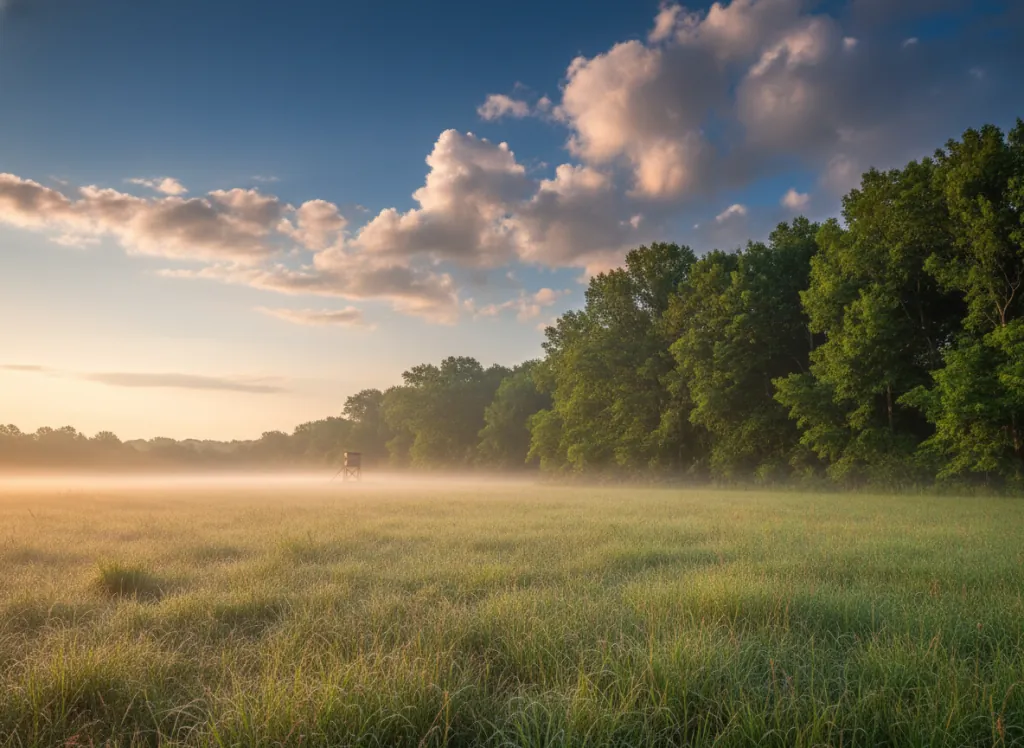
Summer (June-August)
Fall food plots go in the ground, trails get cleared, and trail cameras start building the picture of what the deer herd looks like. Most clubs stack their member meetings and workdays into these months, while there's daylight to burn and no season to miss.
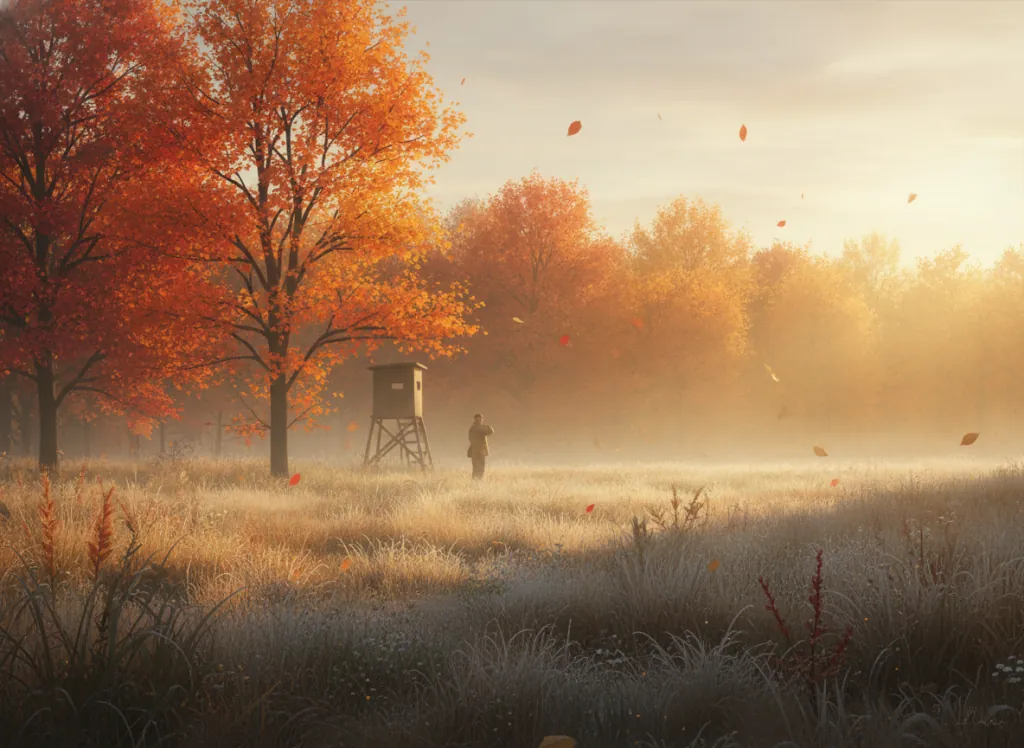
Fall (September-December)
The main event. Archery, muzzleloader, and firearm deer seasons roll through in sequence while the waterfowl arrive on the marsh. Club calendars get tight: stand rotations, blind draws, and group rules matter most when everyone wants the same Saturday.
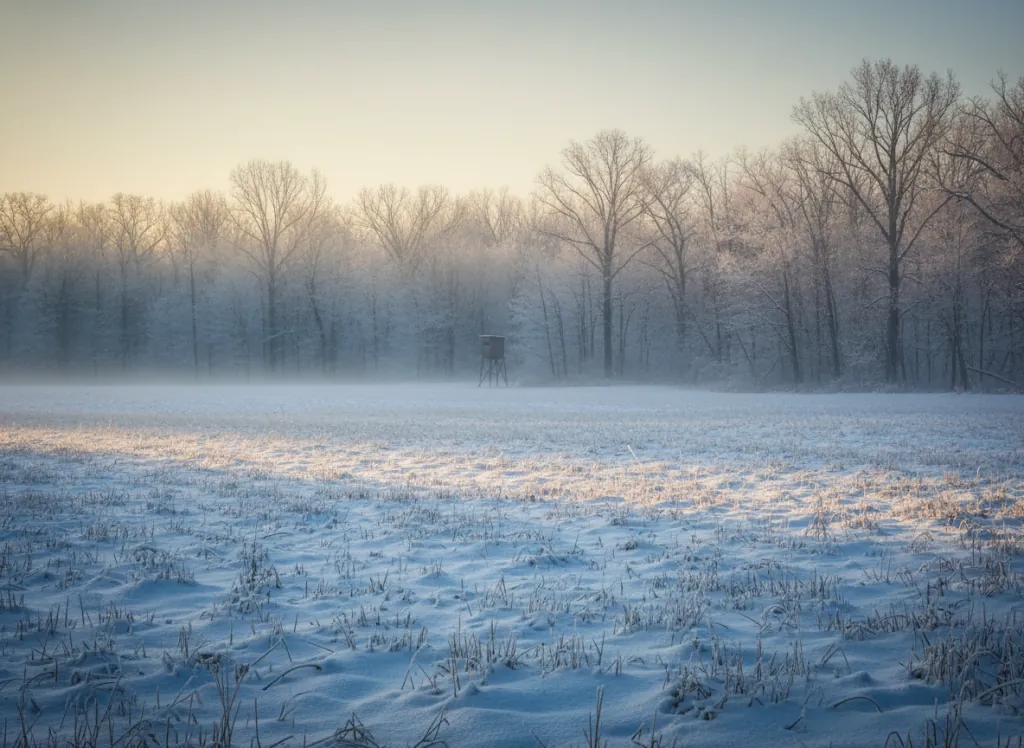
Winter (January-February)
Late-season deer chances remain for archery and muzzleloader hunters willing to sit through the cold. For everyone else, it's the accounting season: harvest reviews, gear repairs, habitat plans, and membership renewals for the year ahead.
Free tools
Your free outdoor toolkit

Everything Map
Listings, trails, spots, clubs and public land on a single full-screen map. Switch layers on and off, then tap any point for the details.
Open Everything MapTrail Explorer
Browse a community map of named trails with distance, difficulty, and where each one starts.
Open Trail ExplorerRoute Planner
Drop stops on a map and watch distance and drive time add up. Export a GPX or share the link.
Open Route PlannerHunting Clubs
Browse local clubs with meeting info and how to join, or start your own for free.
Open Hunting ClubsPhoto ID
Point your camera at whatever you found and get a structured identification. No signup.
Open Photo IDGear Checklists
Printable, save-as-you-go packing lists. Tick items off and pull them up on your phone.
Open Gear Checklists


Keep exploring