Hunting Outfitters · Florida
Hunting Outfitters in Florida
Hunt 42 outfitters across Florida. Maps, hours, contact info, photos, and verified operator profiles, all in one place.
Saltwater flats, springs, and the largest subtropical wilderness in the US.
Updated
All listings
42 outfitters in Florida
On the map
Outfitters in Florida
Everything we have mapped in Florida, on one map. Tap anything for its details.
Loads the full map of Florida. We leave it off by default so the page opens fast on mobile data.
About Florida
Quick facts
- Outfitters listed
- 42
- Best season
- October through May
Trip guide
Know before you go in Florida
Federal permits, lotteries and timed-entry reservations in Florida, from Recreation.gov.
Confirm current requirements with the agency that sets them before your trip. Rules and fees change every season.
Florida Hunting License
All individuals hunting in Florida, regardless of land ownership, must possess a valid Florida hunting license. This license is required for residents and non-residents alike, with different fee structures for each. Specific endorsements or permits may also be required for certain game species.
Florida FWCHunter Safety Certification
Anyone born on or after June 1, 1975, must complete an FWC-approved hunter safety course to buy a license allowing them to hunt in Florida, unless they claim FWC's mentoring deferral, which lets them buy a license and hunt under the supervision of a qualified hunter age 21 or older before completing the course. This certification demonstrates knowledge of safe firearm handling and hunting practices.
Deer and Turkey Permits
In addition to a general hunting license, hunters pursuing white-tailed deer or wild turkey must also possess the corresponding deer permit and turkey permit. These permits are typically purchased alongside the annual hunting license and are essential for legal harvest.
Florida FWCPrivate Land Regulations
While private land offers more flexibility, hunters must still adhere to statewide bag limits, shooting hours, and legal methods of take. Specific rules regarding baiting, feeding, and the use of certain equipment on private land should always be verified with current FWC regulations and your lease agreement.
01What are the primary game animals available on Florida hunting leases?
02Can non-residents join hunting clubs or lease land in Florida?
03What types of terrain are common on Florida hunting leases?
04Do I need a hunter safety course to hunt on private leased land in Florida?
05Are there specific rules for baiting or feeding on private land in Florida?
06What is the typical duration of a hunting lease in Florida?
When to go
Season by season in Florida
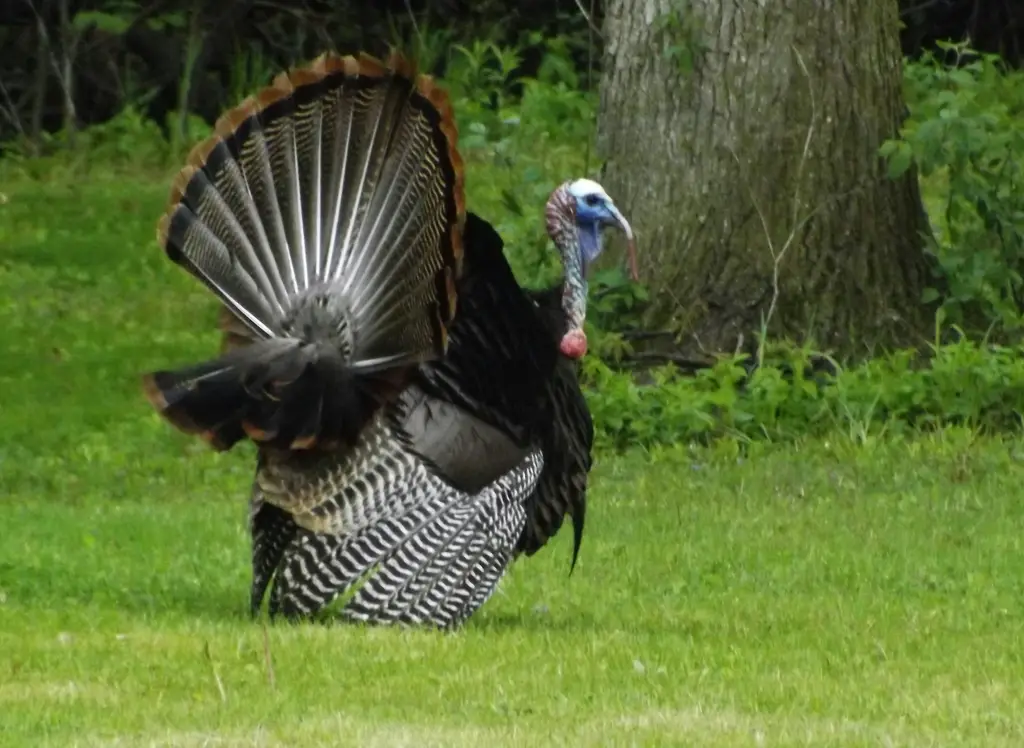
Spring (March-May)
Spring belongs to the Osceola turkey, the season club calendars are built around. Between hunts, the land work starts: prescribed burns run through the pines and food plots get turned for fall.
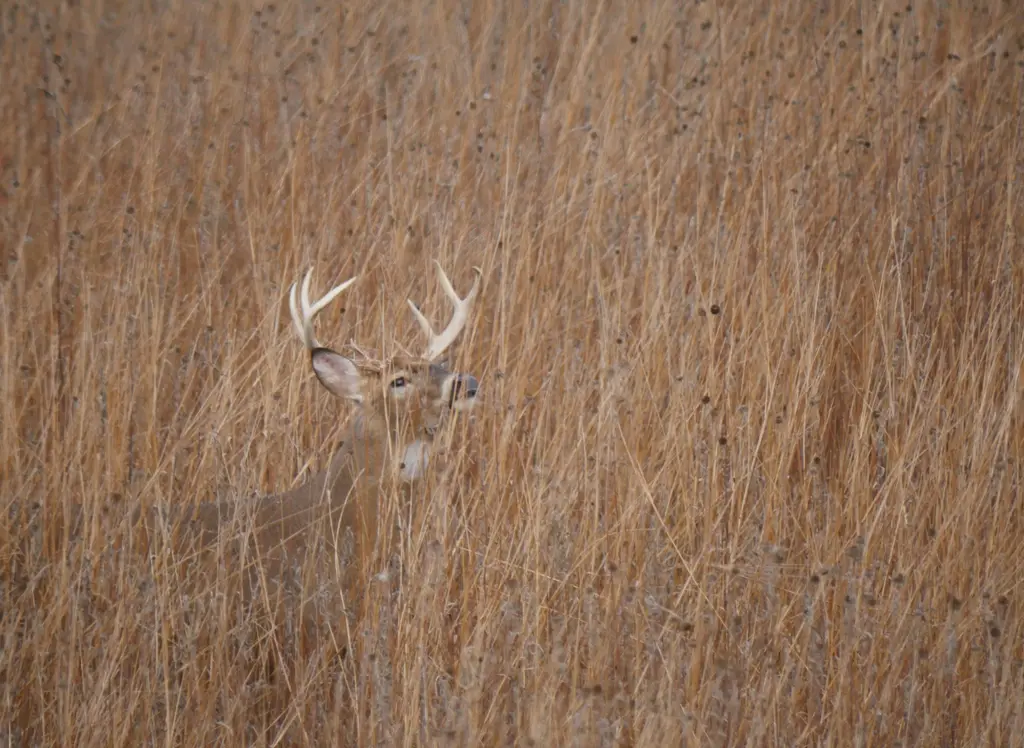
Summer (June-August)
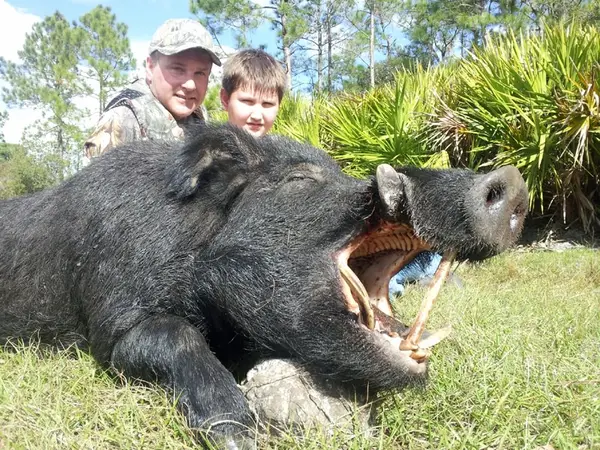
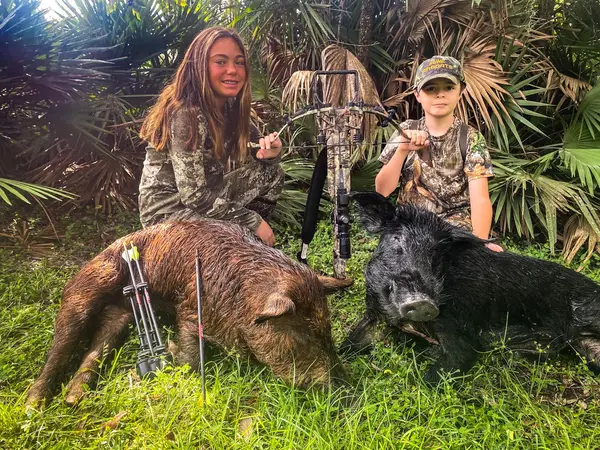
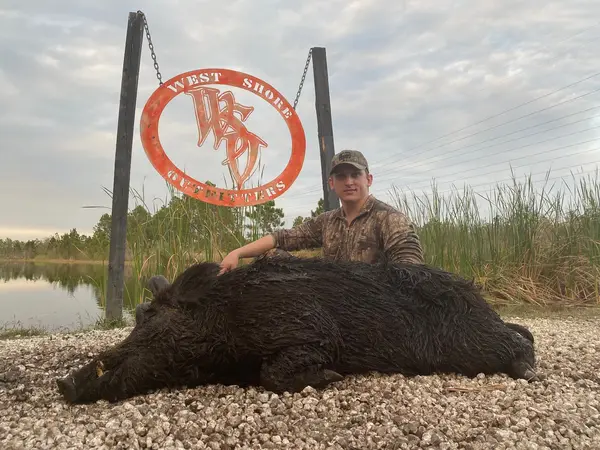
Hogs don't take the summer off, and on private leases neither do the hunters chasing them. The heat is also when the fall gets made: scouting, stand repair, and habitat work done in June pay out in November.
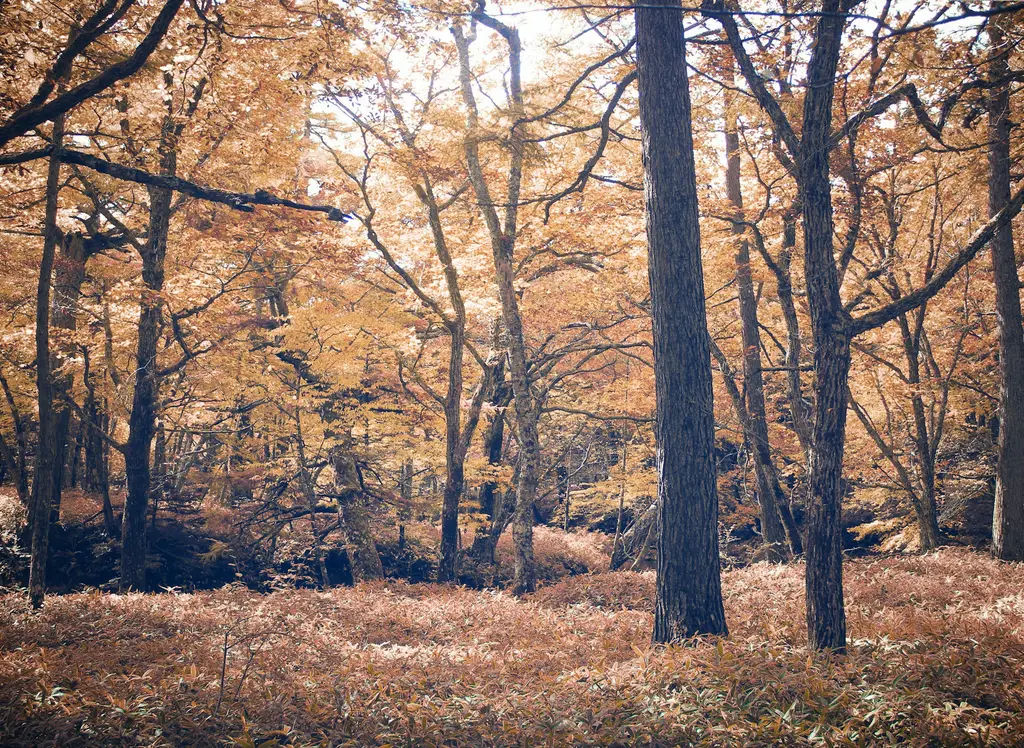
Fall (September-November)
White-tailed deer season opens and the clubs fill up, this is the year's main event. Dove and teal arrive with the early migratory seasons, giving leased ground a second reason to be busy.
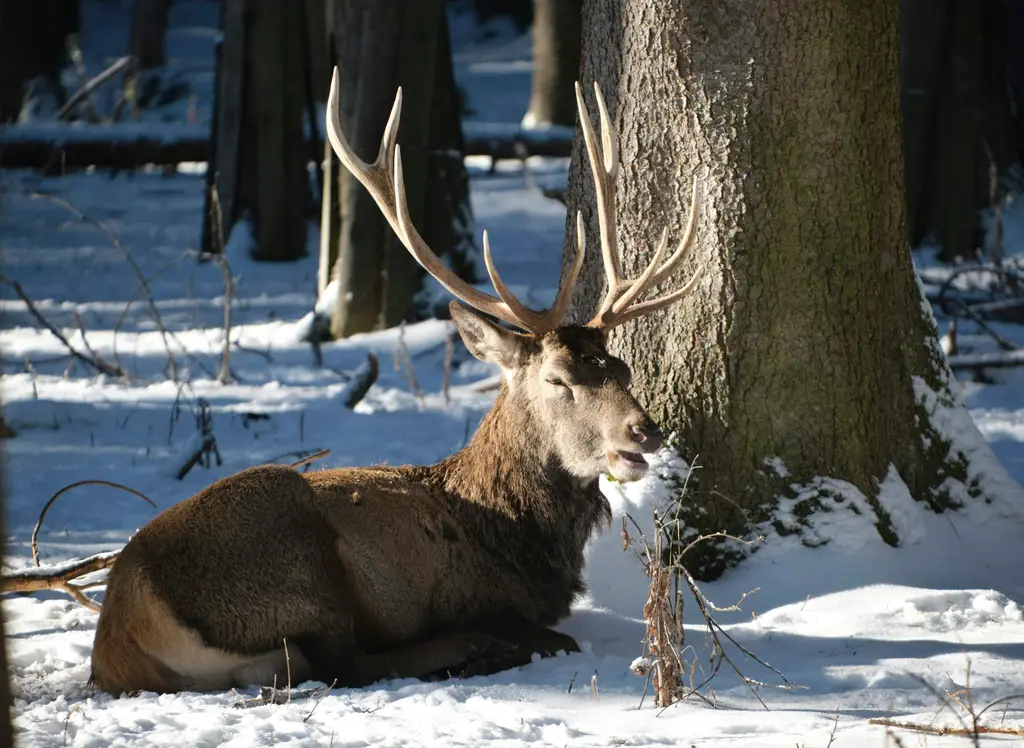
Winter (December-February)
General gun deer season carries deep into winter, often running through late January. Ducks work the private ponds and marshes, small game fills the slow mornings, and members hunt while the rest of the country waits for spring.
Free tools