Hunting Outfitters · Hawaii
Hunting Outfitters in Hawaii
Hunt 12 outfitters across Hawaii. Maps, hours, contact info, photos, and verified operator profiles, all in one place.
Volcanic peaks rising 13,000 feet from a tropical Pacific.
Updated
Highest rated
Hunting Outfitters in Hawaii by Google rating
Ranked by Google rating, then by number of reviews, across the 7 of 12 outfitters in Hawaii with 10 or more Google reviews. A blank cell means we do not have that detail yet.
| Outfitter | City | Hunts | Rating |
|---|---|---|---|
| Go Hawaii Outfitters | Kaunakakai | Upland Birds, Hog / Boar | 5.015 Google reviews |
| Kaluakoi Outfitters | Maunaloa | Big Game (Elk / Moose / Bear) | 4.959 Google reviews |
| Hunt Fish Kauai | Eleele | Hog / Boar | 4.8230 Google reviews |
| Maui Hunting Safari | Makawao | Hog / Boar | 4.715 Google reviews |
| Hawaii Safaris | Kula | Hog / Boar, Small Game, Upland Birds | 4.425 Google reviews |
| Hawaii Tactical Outfitter | Wahiawa | 4.3120 Google reviews | |
| Kuaokala Hunting Ground | Waialua | 4.312 Google reviews |
All listings
12 outfitters in Hawaii


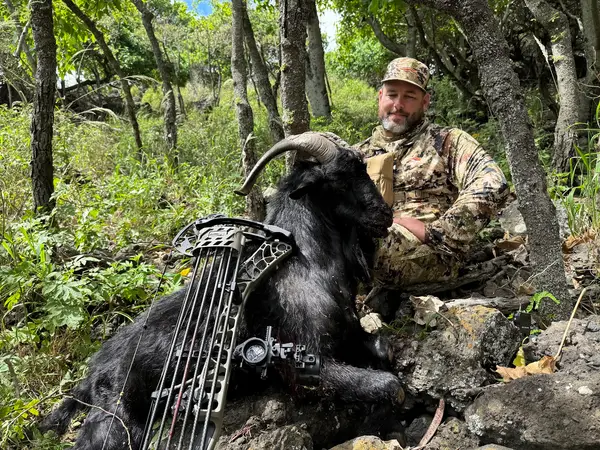
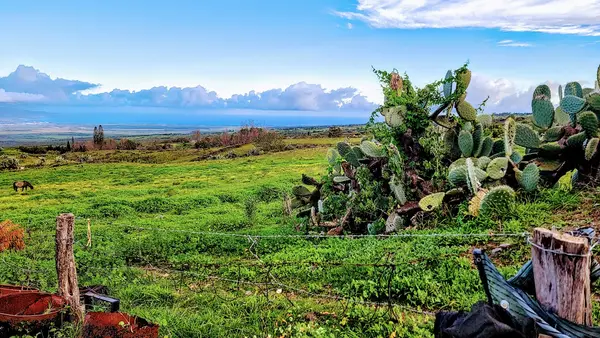
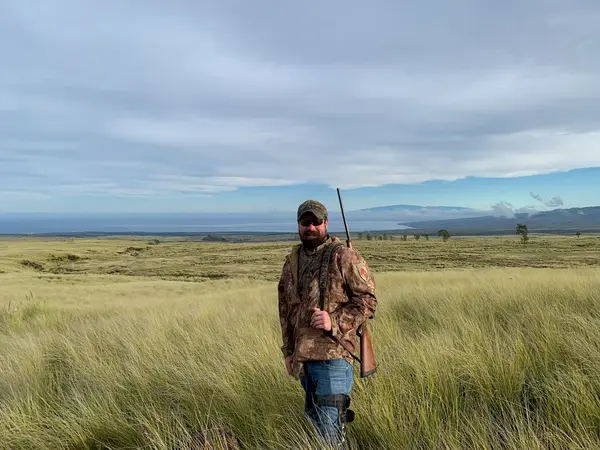
On the map
Outfitters in Hawaii
Everything we have mapped in Hawaii, on one map. Tap anything for its details.
Loads the full map of Hawaii. We leave it off by default so the page opens fast on mobile data.
About Hawaii
Quick facts
- Outfitters listed
- 12
- Best season
- Year-round
Trip guide
Know before you go in Hawaii
Confirm current requirements with the agency that sets them before your trip. Rules and fees change every season.
Hawaii Hunting License
All individuals hunting in Hawaii, including on private leased lands, must possess a valid Hawaii hunting license. Non-residents must also obtain a license, which requires proof of a hunter education certification from any state or province. Verify current fees and application procedures with the state agency.
Hawaii DLNR DOFAWHunter Education Requirement
Anyone born after December 31, 1971, must complete a hunter education course certified by the International Hunter Education Association (IHEA-USA) to obtain a Hawaii hunting license. This requirement applies to both residents and non-residents.
Hawaii DLNR DOFAWPermits and Tags for Specific Game
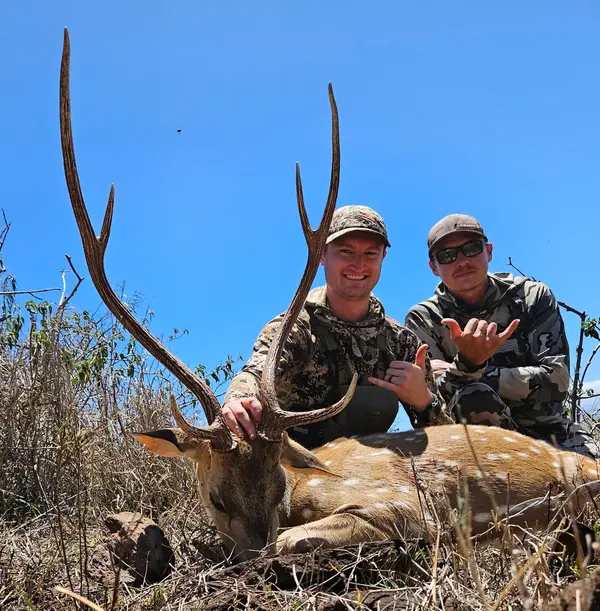
Beyond a general hunting license, specific permits, tags, or stamps may be required for certain game species (e.g., Axis deer, mouflon sheep) or for hunting in designated public or private hunting units. These often have specific application periods or draw systems. Always confirm the necessary permits for your target species and location.
Firearms Regulations
Hunters must comply with all state and federal firearms laws, including a requirement to register every firearm you bring into the state, handguns and long guns alike, within five days of arrival with the police department of the county you land in. Transporting firearms to Hawaii involves specific procedures with airlines and local law enforcement. It is crucial to understand these regulations before traveling with any hunting equipment.
01What species can I hunt in Hawaii through clubs or leases?
02Are hunting clubs or leased grounds necessary for hunting in Hawaii?
03What is the best time of year to hunt Axis deer on a lease in Hawaii?
04What kind of terrain should I expect when hunting with a club in Hawaii?
05Do I need a local guide if I join a hunting club or lease in Hawaii?
06Can I bring my own firearms to Hawaii for a hunting lease?
When to go
Season by season in Hawaii
Spring
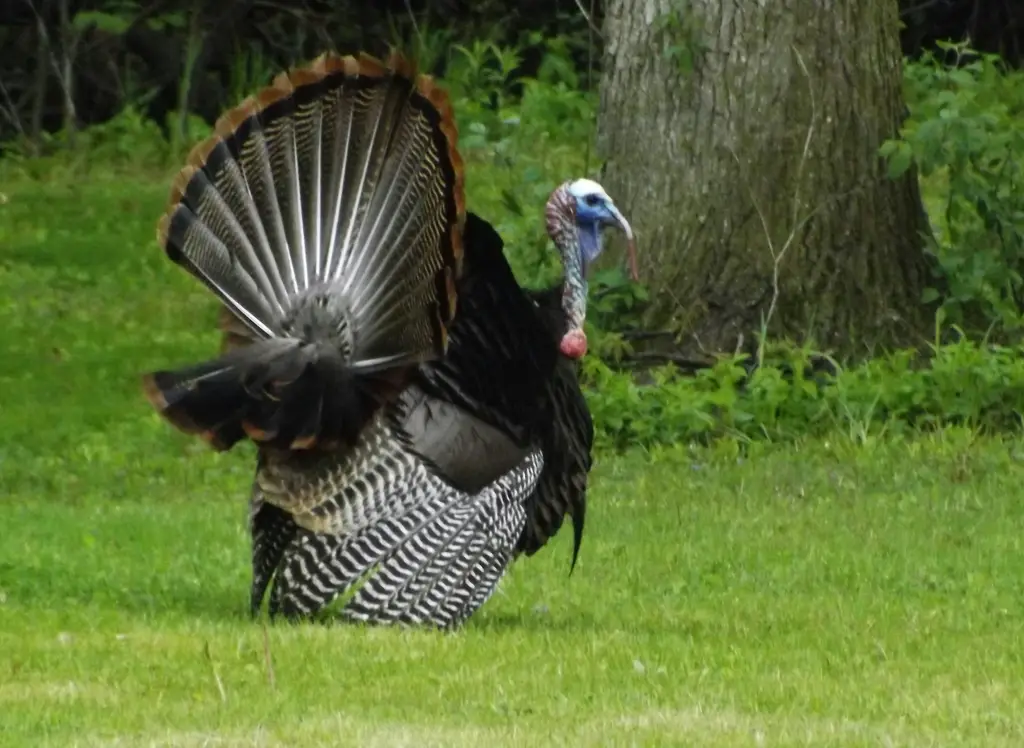
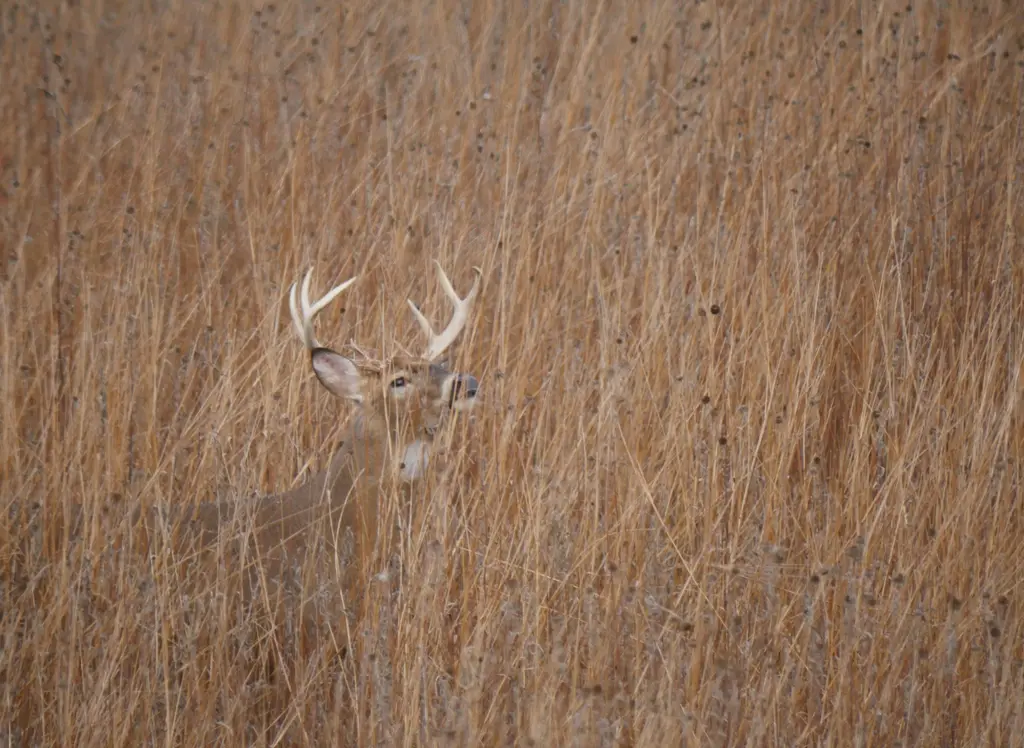
Spring starts the rut for some Axis deer populations, particularly on Maui and Lanai, and club calendars fill accordingly. Pigs and goats stay open year-round in many areas, with plenty of forage keeping animals active.
Summer
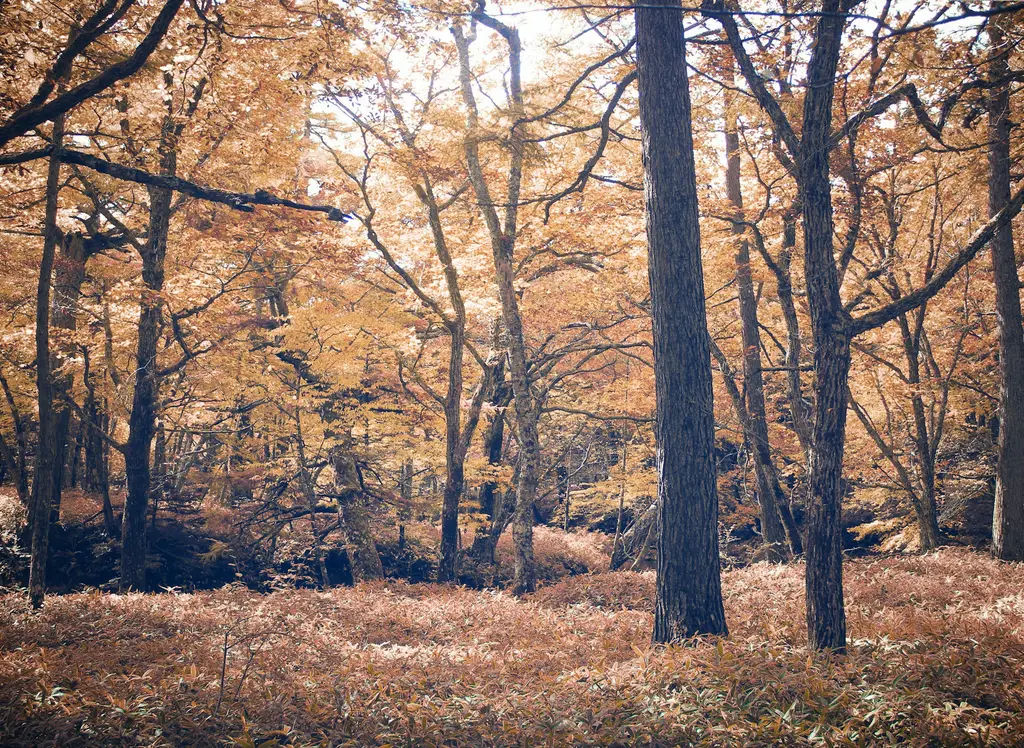
Warm, dry months concentrate game around water, an edge for hunters on leased ground who know where the animals have to drink. Stable weather can also make the climb to mouflon country on Hawaii Island more forgiving.
Fall
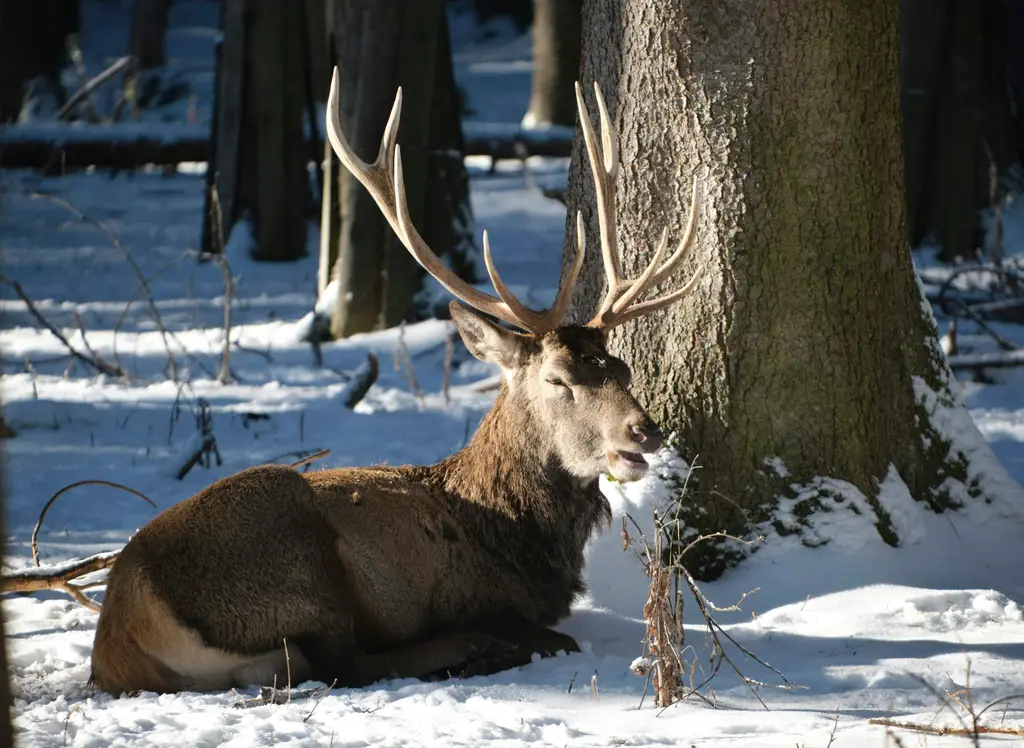
Fall hunts well across the islands: milder temperatures, varied vegetation, and steady action. Axis deer, feral pigs, and goats are all in play on club properties and leased lands.
Winter
Winter rain turns some trails greasy and some country hard to reach. The trade-off: fresh green-up pulls animals to new forage, and private leases keep producing for hunters willing to work in the wet.
Free tools