Hunting Outfitters · Louisiana
Hunting Outfitters in Louisiana
Hunt 32 outfitters across Louisiana. Maps, hours, contact info, photos, and verified operator profiles, all in one place.
Bayous, the Atchafalaya, and the largest river delta in North America.
About Louisiana
32 on the map
Tap a pin to open its profile.
Quick facts
- Outfitters listed
- 32
- Best season
- October through May
All listings
32 outfitters
across Louisiana
Plan your trip
Plan your trip to Louisiana
Game Species and Seasons
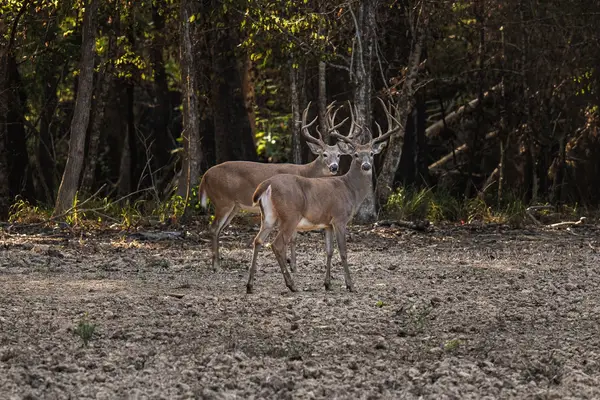
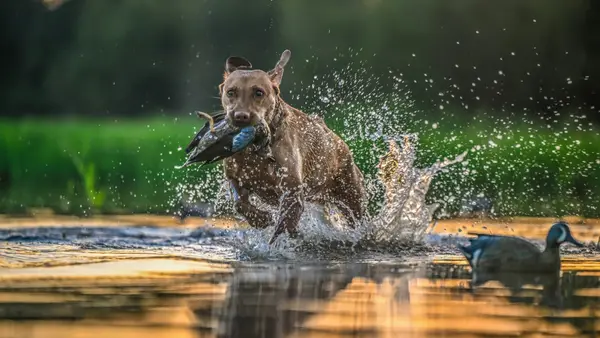
Louisiana offers diverse hunting for whitetail deer, feral hogs, wild turkey, and various waterfowl. Deer seasons typically run from September through January, with specific dates for archery, primitive firearm, and modern firearm. Waterfowl seasons are split and zoned, while feral hogs can be hunted year-round on private land.
License and Tag Requirements
All hunters must possess a valid Louisiana hunting license. Deer hunters require specific deer tags, which are issued with the license. Waterfowl hunters need the state Waterfowl license, HIP (Harvest Information Program) certification, and a Federal Duck Stamp. Non-residents face higher license fees; verify specific requirements with the Louisiana Department of Wildlife and Fisheries (LDWF).
Private vs. Public Land Access
A significant portion of Louisiana's prime hunting ground is privately owned. Access through hunting clubs and leased land is common and often preferred, providing exclusive hunting opportunities. Public hunting opportunities exist on Wildlife Management Areas (WMAs) and National Wildlife Refuges (NWRs), but often come with more restrictive regulations and higher hunter pressure.
Diverse Terrain Types
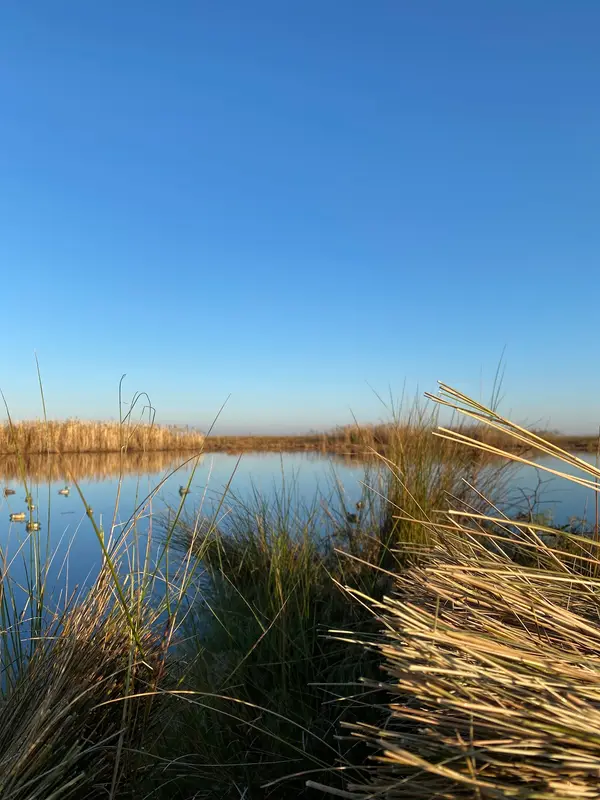
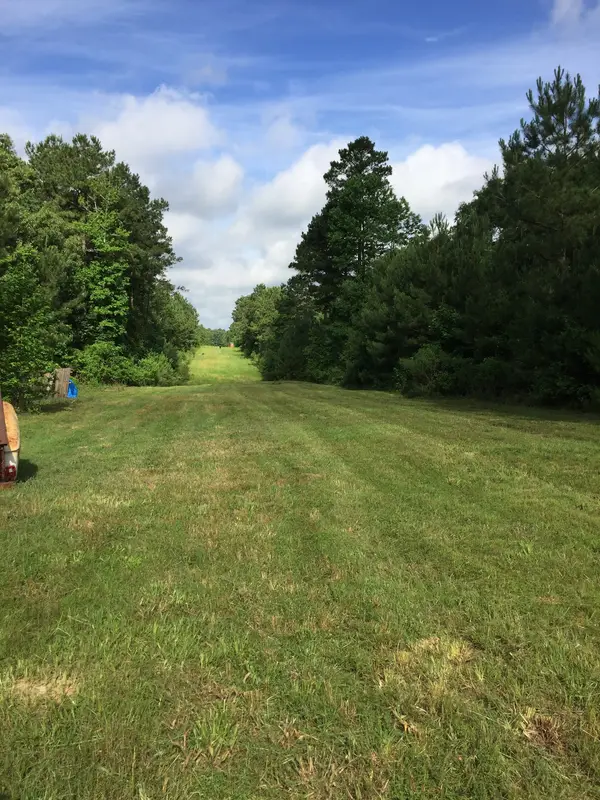
Hunters can expect a variety of terrains, including extensive hardwood bottomlands along major rivers, vast coastal marshes perfect for waterfowl, pine uplands in the northern and central parishes, and agricultural fields. Each terrain dictates different hunting strategies and species availability, making understanding your lease's specific environment crucial.
Club Membership Norms
Hunting clubs and leases in Louisiana often operate with established rules, including annual dues, designated work days for habitat improvement, and specific harvest limits or antler restrictions. Prospective members should inquire about guest policies, camping facilities, and the overall management philosophy to ensure it aligns with their expectations.
Confirm current requirements with the state agency before your trip. Rules and fees change every season.
Louisiana Hunting License
All individuals hunting in Louisiana, whether resident or non-resident, must possess a valid hunting license. Specific licenses are required for different game types, such as big game or migratory birds. Licenses can be purchased online through the Louisiana Department of Wildlife and Fisheries.
Louisiana LDWFHunter Education Certification
Anyone born on or after September 1, 1969, must successfully complete a hunter education course to hunt in Louisiana. Proof of certification must be carried while hunting. There are exemptions for youth hunters when accompanied by a licensed adult.
Deer Tagging Requirements
Hunters harvesting deer in Louisiana must immediately tag the deer with a valid deer tag from their license. The harvest must then be reported to the Louisiana Department of Wildlife and Fisheries via phone or online within 72 hours. Specific regulations apply to antlered and antlerless deer.
Louisiana LDWFFederal Duck Stamp
Hunters pursuing migratory waterfowl, including ducks and geese, are required to possess a valid Federal Migratory Bird Hunting and Conservation Stamp (Federal Duck Stamp) in addition to their state hunting licenses. This stamp must be signed across the face.
- 01
Obtain Necessary Licenses and Certifications
Get your Louisiana hunting license and any endorsements you'll need, including a federal duck stamp if you're chasing waterfowl. Born after September 1, 1969? Complete a Louisiana hunter education course first.
- 02
Identify Preferred Game and Habitat
Decide what you actually want to hunt and where you want to hunt it, a marsh duck lease and a piney-woods deer club are entirely different commitments. Nailing this down first narrows the search fast.
- 03
Research Potential Clubs and Leases
Dig into clubs and leases in your target regions. Acreage, game quality, amenities, and management practices vary widely from property to property, compare before you get attached to any one option.
- 04
Contact Club/Lease Managers
Call the managers or landowners directly. Ask about openings, dues, rules, and work requirements, and get out to walk the property if you can. An hour on the ground tells you more than any listing.
- 05
Review Lease Agreements and Club Rules
Read every line of the lease agreement or club bylaws before you sign. Harvest limits, guest policies, liability waivers, term length, the details you skim past now are the arguments you'll have later.
01What are the most popular game animals hunted on leases in Louisiana?
02Are hunting leases in Louisiana typically expensive?
03What is the typical structure of a hunting club in Louisiana?
04Can non-residents join hunting clubs or lease land in Louisiana?
05What kind of terrain can I expect on a Louisiana hunting lease?
06Do I need any special permits for hunting on private leased land?
When to go
Season by season in Louisiana
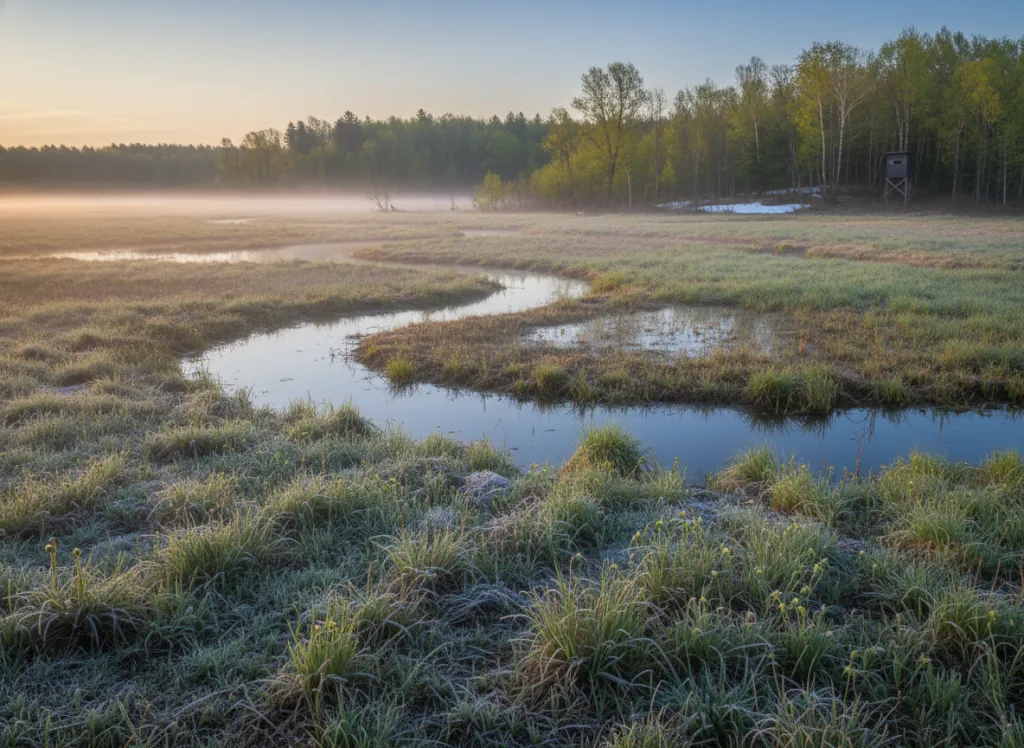
Spring (March - May)
Turkey season is the main event, with gobblers working the designated zones for members who put in the scouting. Spring is also when the fall work starts: discing food plots, patching stands, and getting the property squared away before the heat sets in.
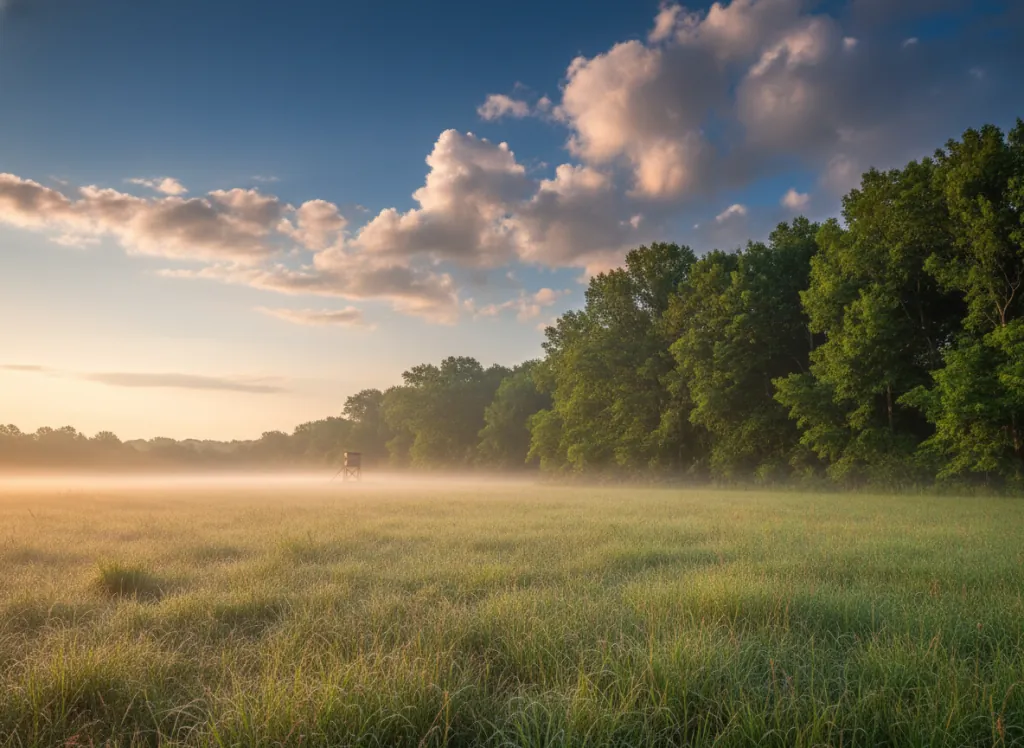
Summer (June - August)
The big game seasons are closed, but nobody's idle. Warm-season plots go in, trails get bush-hogged, equipment gets serviced, and cameras start telling you what the fall might hold. Hogs stay legal year-round on private land, so there's always a reason to carry a rifle.
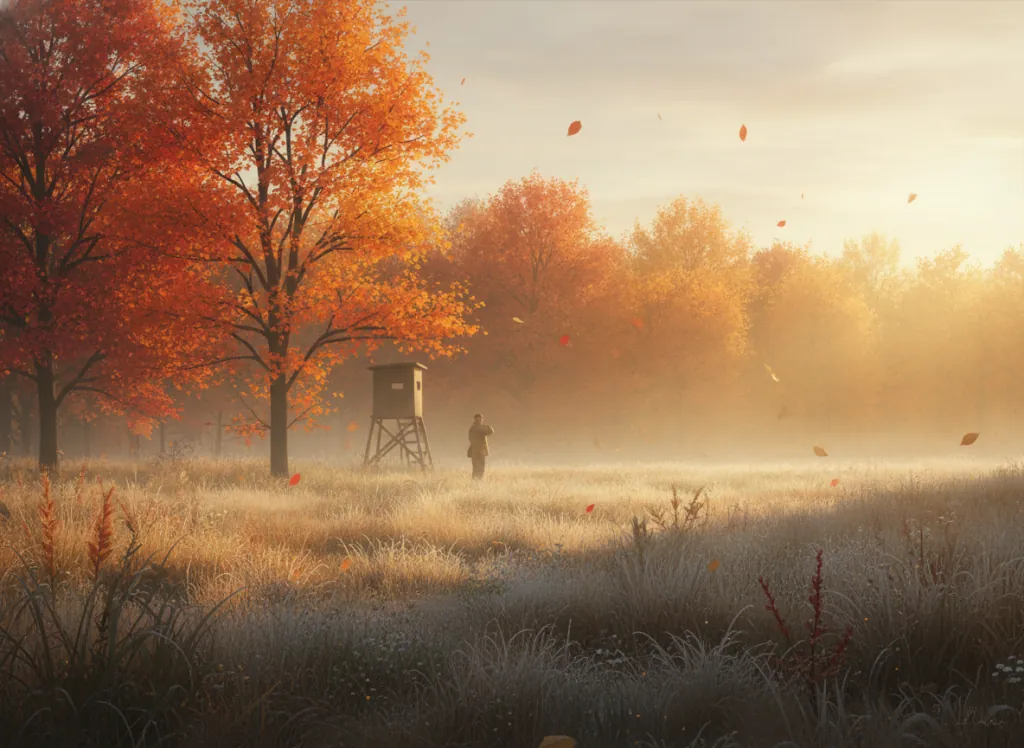
Fall (September - November)
Archery deer opens it, primitive firearms follow, then modern gun season brings the whole camp in. Early waterfowl seasons open in their zones about the same time, pulling hunters out to the marsh and the flooded ag fields while the deer woods fill up.
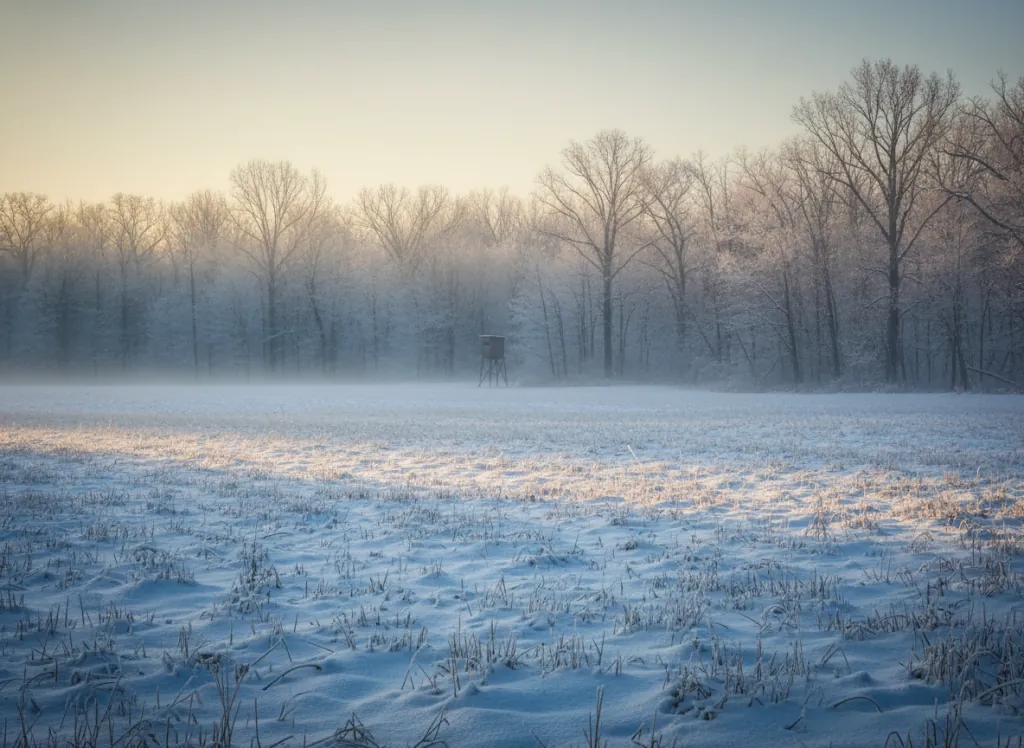
Winter (December - February)
This is the peak. Deer seasons run through January in most areas, and the duck hunting in the coastal parishes and rice country ranks with the best anywhere in the nation. Between deer stands and duck blinds, hog hunting fills whatever mornings are left.
Free tools
Your free outdoor toolkit

Everything Map
Listings, trails, spots, clubs and public land on a single full-screen map. Switch layers on and off, then tap any point for the details.
Open Everything MapTrail Explorer
Browse a community map of named trails with distance, difficulty, and where each one starts.
Open Trail ExplorerRoute Planner
Drop stops on a map and watch distance and drive time add up. Export a GPX or share the link.
Open Route PlannerHunting Clubs
Browse local clubs with meeting info and how to join, or start your own for free.
Open Hunting ClubsPhoto ID
Point your camera at whatever you found and get a structured identification. No signup.
Open Photo IDGear Checklists
Printable, save-as-you-go packing lists. Tick items off and pull them up on your phone.
Open Gear Checklists


Keep exploring