Hunting Outfitters · Nebraska
Hunting Outfitters in Nebraska
Hunt 30 outfitters across Nebraska. Maps, hours, contact info, photos, and verified operator profiles, all in one place.
Sandhills, the Platte River flyway, and the Missouri breaks.
About Nebraska
30 on the map
Tap a pin to open its profile.
Quick facts
- Outfitters listed
- 30
- Best season
- April through October
All listings
30 outfitters
across Nebraska
Watch it live
Live webcams in Nebraska
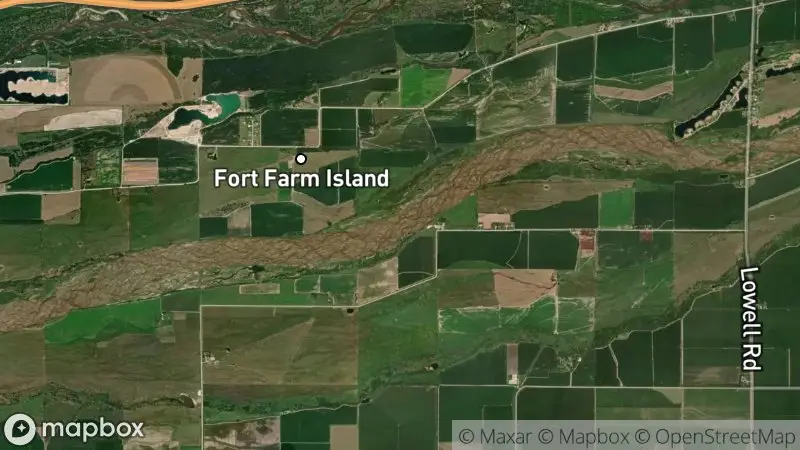 Location
Rowe Sanctuary Sandhill Crane Cam (Platte River)
via Audubon Rowe Sanctuary / explore.org
Watch livePlan your trip
Plan your trip to Nebraska
Primary Game Species and Seasons
Nebraska offers excellent hunting for whitetail and mule deer, wild turkey, pheasant, quail, and various waterfowl species. Seasons typically run from early fall through winter for most big game and upland birds, with spring turkey seasons. Specific dates and bag limits vary annually; always consult the Nebraska Game and Parks Commission (NGPC) regulations.
License and Tag Requirements
All hunters, including those on leased land or club property, must possess valid Nebraska hunting permits. Most deer and turkey permits are sold over the counter rather than by lottery; only elk, antelope, bighorn sheep, and certain capped nonresident deer units run through a draw with fixed application deadlines. Upland bird and waterfowl stamps may also be required. Verify current requirements well in advance of your planned hunt.
Private Land Access is Key
A significant majority of Nebraska's prime hunting ground is privately owned. Access through hunting clubs and leases is the most reliable way to secure consistent, quality hunting experiences, especially for popular species. Public land access is limited and often subject to different regulations or higher hunting pressure.
Diverse Terrain Types
Hunting clubs and leases span various terrains: hardwood river bottoms along the Platte and Missouri for whitetail and waterfowl, vast Sandhills prairie for mule deer and upland birds, and agricultural fields providing food and cover throughout the state. Understanding the specific terrain of a club or lease helps in preparation.
Club and Lease Membership Norms
Membership in Nebraska hunting clubs or leases typically involves an annual fee, adherence to specific club rules, and often participation in habitat improvement or maintenance tasks. Prospective members should inquire about guest policies, harvest limits, and any shared responsibilities before committing.
Confirm current requirements with the state agency before your trip. Rules and fees change every season.
Nebraska Hunting Permit
All individuals hunting in Nebraska, including on private leased land or club property, must possess a valid Nebraska hunting permit. Non-residents will need to acquire a non-resident permit. Hunters should verify the specific type of permit required for their target species and residency status.
Nebraska Game and Parks CommissionHunter Education Requirements
Hunters age 12 through 29 must complete a Nebraska-approved hunter education course to hunt with a firearm or air gun (and to hunt big game with a bow or crossbow). This applies to both residents and non-residents. Certain exemptions may apply, such as hunting on one's own land, but club and lease members should ensure compliance.
Nebraska Game and Parks CommissionSpecies-Specific Tags and Stamps
In addition to a general hunting permit, hunters must acquire specific tags for big game like deer and turkey. Waterfowl hunters will also need state and federal migratory bird stamps. Deer and turkey permits are largely over the counter, but Nebraska's limited-draw big game (elk, antelope, and bighorn sheep, plus certain capped nonresident deer units), is allocated by lottery, so those applications must be submitted by designated deadlines.
Nebraska Game and Parks CommissionLandowner Permission
Hunting on any private land in Nebraska, even if leased or part of a club, requires explicit permission from the landowner or their authorized agent. While a lease agreement or club membership serves as this permission, hunters should always carry proof of authorization while afield to present if requested by law enforcement.
- 01
1. Research Hunting Clubs and Leases
Start with the region and species you actually want, then find the clubs and leases that fit. Weigh the real variables (amenities, cost, rules, how the ground is managed), not just the acreage number.
- 02
2. Secure Necessary Permits and Tags
Check the Nebraska Game and Parks Commission site for permit, tag, and stamp requirements before anything else. Deer and turkey tags in some units run through a lottery, miss the deadline and the lease sits empty.
- 03
3. Understand Club/Lease Agreements
Read the whole agreement, not just the fee. Guest policies, harvest limits, workday obligations, stand rules, the fine print is where memberships go sour, and where good clubs prove they've thought things through.
- 04
4. Plan Your Travel and Logistics
Once access is locked in, sort the logistics: lodging if the property doesn't provide it, the drive, access points and property layout, and where the nearest game processor is before you need one at 9 p.m. on a Saturday.
- 05
5. Communicate with Landowners/Managers
Stay in touch with whoever runs the ground. Confirm dates, ask questions before they become problems, and follow instructions to the letter, the hunters who get invited back are the ones who were easy to have around.
01What types of game can I expect to hunt on a Nebraska lease or club property?
02Are non-residents allowed to join hunting clubs or lease land in Nebraska?
03What is the typical duration of a hunting lease in Nebraska?
04Do hunting clubs in Nebraska typically offer lodging or other amenities?
05What are the common rules or expectations for members of a Nebraska hunting club?
06How do hunting leases and clubs contribute to wildlife management in Nebraska?
When to go
Season by season in Nebraska
Spring (March - May)
Spring belongs to turkeys. Gobblers work the creek bottoms and shelterbelts, and members who scouted the roosts in March fill tags in April. It's also planting season on managed ground, food plots go in now so they're worth something by October.
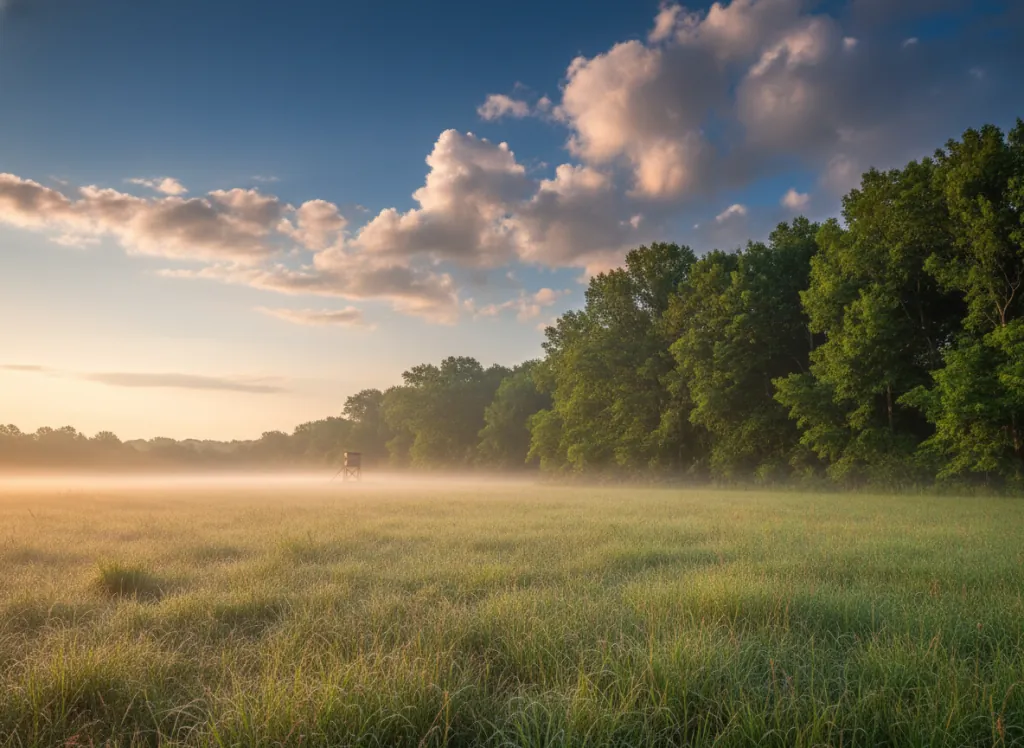
Summer (June - August)
Nobody's hunting much, but the properties earn their keep in summer. Members mow trails, pull camera cards, hang and repair stands, and watch velvet bucks show up on the plots they planted in spring. The fall plan gets written now, in the heat.
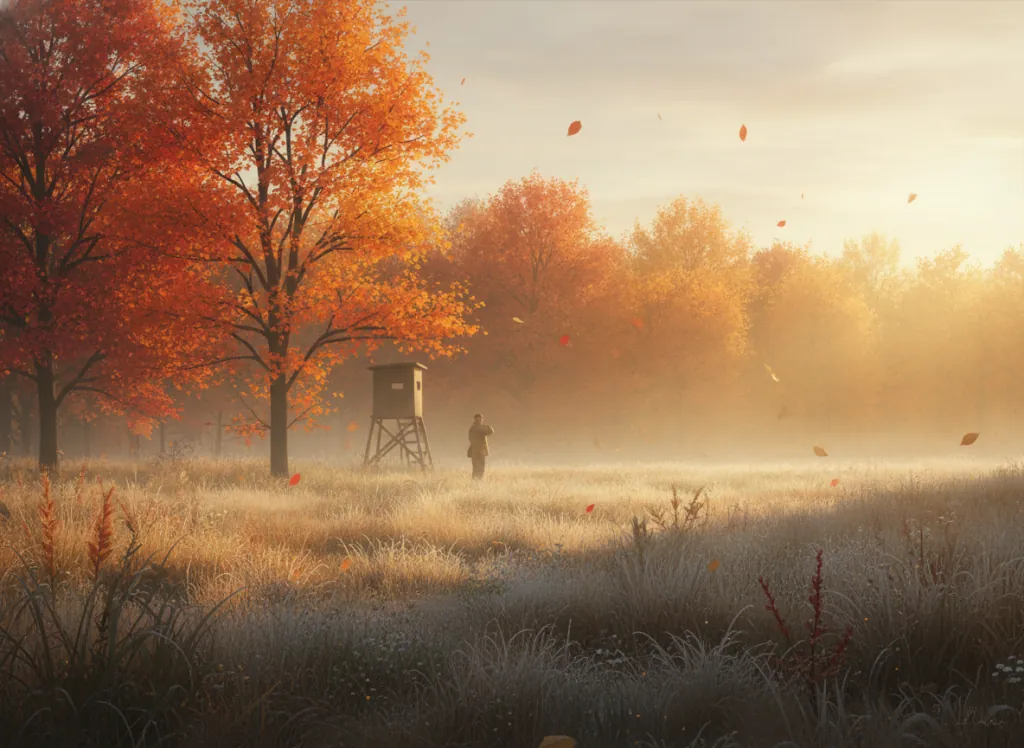
Fall (September - December)
Fall is everything at once: whitetail and mule deer, roosters cackling out of the grass, quail coveys, and ducks trading along the rivers. Leased ground is at its busiest and its best, this is the stretch of weeks the annual fee was actually buying.
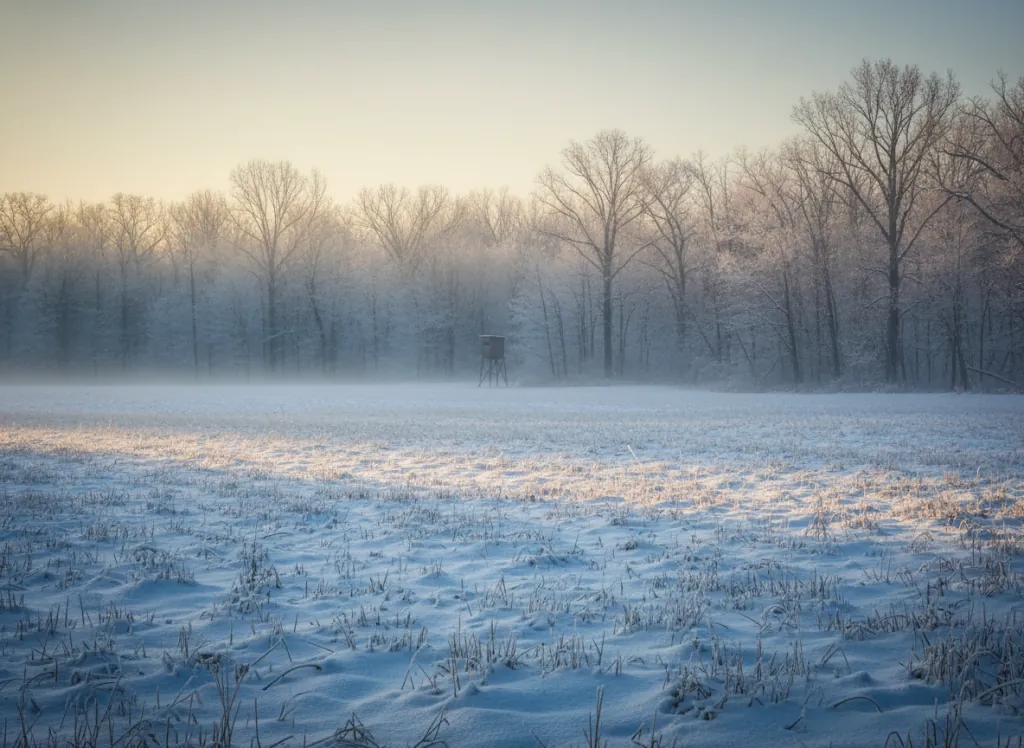
Winter (January - February)
Late deer and waterfowl seasons push into the cold, and many properties turn to predator hunting once the main seasons close. It's also the honest-accounting season: walking the ground, tallying what worked, and setting next year's plan while this year is still fresh.
Free tools
Your free outdoor toolkit

Everything Map
Listings, trails, spots, clubs and public land on a single full-screen map. Switch layers on and off, then tap any point for the details.
Open Everything MapTrail Explorer
Browse a community map of named trails with distance, difficulty, and where each one starts.
Open Trail ExplorerRoute Planner
Drop stops on a map and watch distance and drive time add up. Export a GPX or share the link.
Open Route PlannerHunting Clubs
Browse local clubs with meeting info and how to join, or start your own for free.
Open Hunting ClubsPhoto ID
Point your camera at whatever you found and get a structured identification. No signup.
Open Photo IDGear Checklists
Printable, save-as-you-go packing lists. Tick items off and pull them up on your phone.
Open Gear Checklists


Keep exploring