Hunting Outfitters · South Dakota
Hunting Outfitters in South Dakota
Hunt 38 outfitters across South Dakota. Maps, hours, contact info, photos, and verified operator profiles, all in one place.
Black Hills, the Badlands, and the Missouri River breaks.
About South Dakota
38 on the map
Tap a pin to open its profile.
Quick facts
- Outfitters listed
- 38
- Best season
- May through October
All listings
38 outfitters
across South Dakota
Plan your trip
Plan your trip to South Dakota
Game Species and Seasons
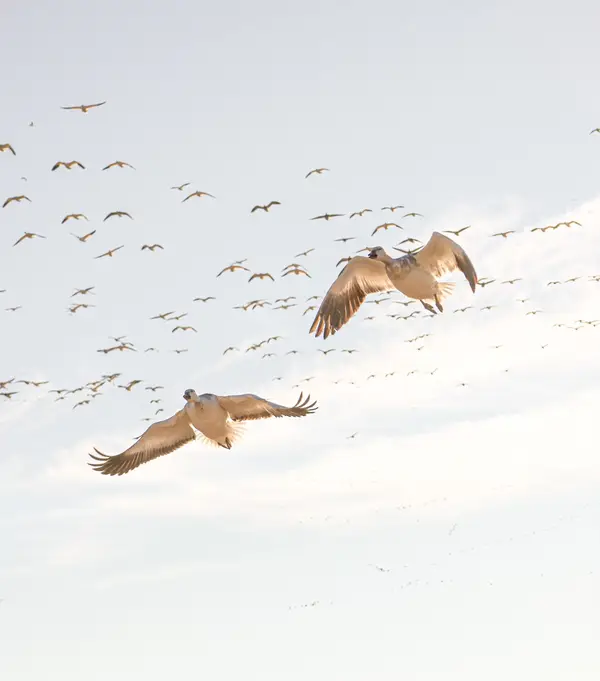
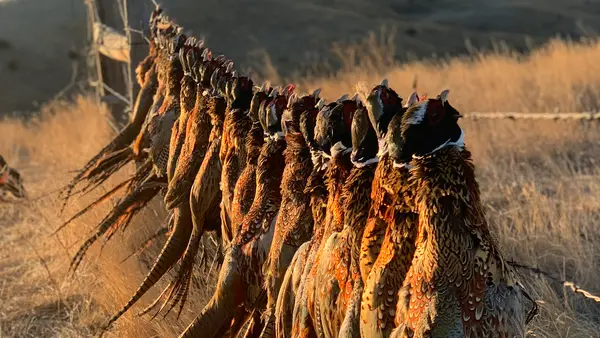
South Dakota is most famous for pheasant hunting, with a generous season typically running from mid-October through January. Deer hunting includes both whitetail and mule deer, with various archery and firearm seasons. Merriam's turkey can be hunted in spring and fall, and excellent waterfowl opportunities exist during migration periods. Specific season dates and bag limits are set annually by the South Dakota Game, Fish and Parks (SDGFP).
License, Tag, and Draw Requirements
Nearly all hunters need a valid South Dakota hunting license, resident landowners hunting small game or predators on their own land are the main license-exempt exception. Non-resident pheasant licenses are generally available over the counter. However, big game tags for deer and turkey, especially for non-residents, are primarily allocated through a lottery drawing system, requiring applications well in advance. Securing a club membership or lease does not bypass the state's licensing and drawing requirements.
Public Land vs. Lease/Club Access
While South Dakota offers public hunting opportunities on lands like Walk-In Areas (WIAs), Game Production Areas (GPAs), and National Grasslands, much of the state's prime hunting, particularly for pheasants, occurs on private land. Hunting clubs and leases provide critical access to these private properties, often offering superior habitat management and game populations.
Diverse Terrain Types
Hunters will encounter a variety of terrains. Eastern South Dakota features rolling prairies, agricultural fields, and numerous wetlands. The Missouri River corridor boasts rugged breaks, river bottoms, and extensive cover. The Black Hills are characterized by dense forests and mountainous terrain, while the western prairies and Badlands offer a more arid, open landscape. Understanding the terrain helps in selecting the right club or lease.
Club Membership Norms
Hunting clubs and leases in South Dakota often emphasize habitat management, ethical hunting practices, and shared responsibilities among members. Expectations typically include adherence to property rules, respect for game management plans, and sometimes participation in upkeep or improvement projects. Many clubs offer amenities like lodging, cleaning stations, and guide services.
Confirm current requirements with the state agency before your trip. Rules and fees change every season.
South Dakota Hunting License
Nearly everyone who hunts in South Dakota, resident or non-resident, must possess a valid South Dakota hunting license. The notable exception is resident landowners and their immediate family, who may hunt small game (pheasant included), furbearers, and predators on their own land without one. Specific licenses are required for different game species and seasons, and these must be obtained prior to hunting.
South Dakota Game, Fish and ParksHunter Education Requirement
Hunter education (HuntSAFE) is required for young hunters, persons ages 12 through 15, before they hunt in South Dakota; the requirement is age-based, not tied to a birth-year cutoff, and adults are not obligated to hold a certificate (though the course is strongly encouraged). This applies to both residents and non-residents.
South Dakota Game, Fish and ParksNon-Resident Big Game Drawing
Non-residents wishing to hunt big game such as deer or turkey in South Dakota must typically apply for tags through a lottery drawing system administered by the SDGFP. Participation in a hunting club or lease does not exempt non-residents from these drawing requirements; a valid tag is still necessary to hunt the species.
Private Land Access Permission
Hunting on private land in South Dakota, including property accessed through a hunting club or lease, requires explicit permission from the landowner or leaseholder. Hunters must always carry proof of this permission. Trespassing is strictly enforced and carries significant penalties.
- 01
1. Define Your Hunting Goals
Pheasants, deer, or turkey, decide what you're actually driving out for, and when. The answer determines which clubs and leases fit and which license applications you need to start on.
- 02
2. Research Clubs and Leases
Compare properties on the things that matter: where the ground sits, what it holds, how the habitat is managed, what the membership costs, and what the rules ask of you. Amenities are the tiebreaker, not the headline.
- 03
3. Secure Licenses and Tags
Apply early. South Dakota licenses are straightforward, but non-resident big game tags run through lottery drawings with deadlines well ahead of the season, and finish any required hunter education before you apply.
- 04
4. Understand Agreement Details
Read the membership agreement or lease before you sign it. Access dates, guest policies, harvest limits, member responsibilities, what facilities and services are actually included, get every one of them in writing.
- 05
5. Prepare for Your Trip
Pack for weather that changes its mind, South Dakota will test your layers. Sort firearms or archery gear and safety equipment ahead of time, and nail down travel and lodging before the season crowds both.
01Do I need a South Dakota hunting license to join a club or lease?
02Are big game tags guaranteed if I join a hunting club or lease in South Dakota?
03What kind of game can I expect to hunt through a club or lease in South Dakota?
04What are the typical commitments for joining a hunting club in South Dakota?
05Is it possible to find short-term hunting leases or day hunts in South Dakota?
06What should I look for in a hunting club or lease agreement in South Dakota?
When to go
Season by season in South Dakota
Spring (March-May)
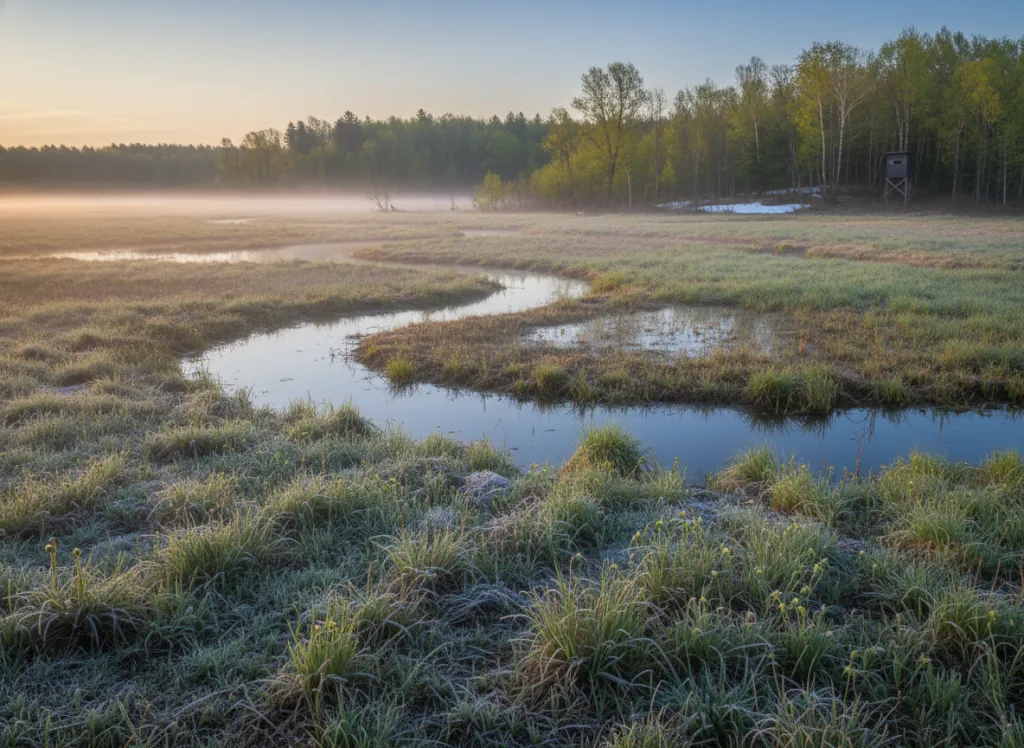
Spring is turkey time, Merriam's in the Black Hills, Eastern birds out on the prairies. On club and lease ground it's also the working season: food plot prep, property maintenance, and every project that has to be done before fall.
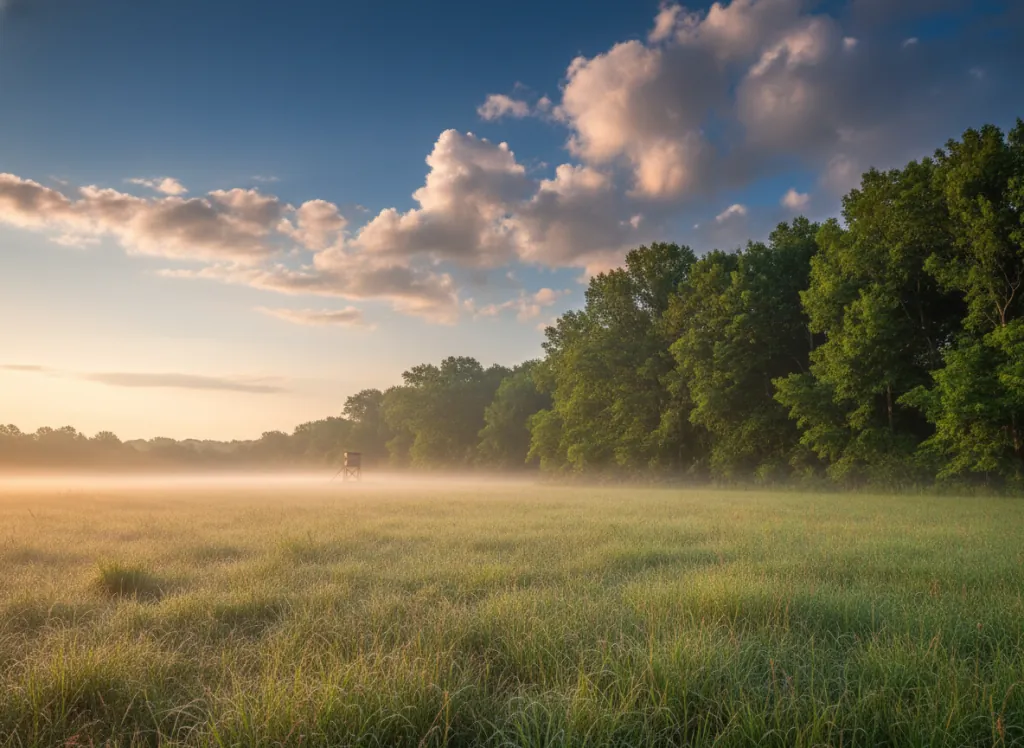
Summer (June-August)
Summer is when the ground gets built. Land managers push food plots along, run trail cameras on developing bucks, and keep habitat projects moving, quiet months that decide how good October will be.
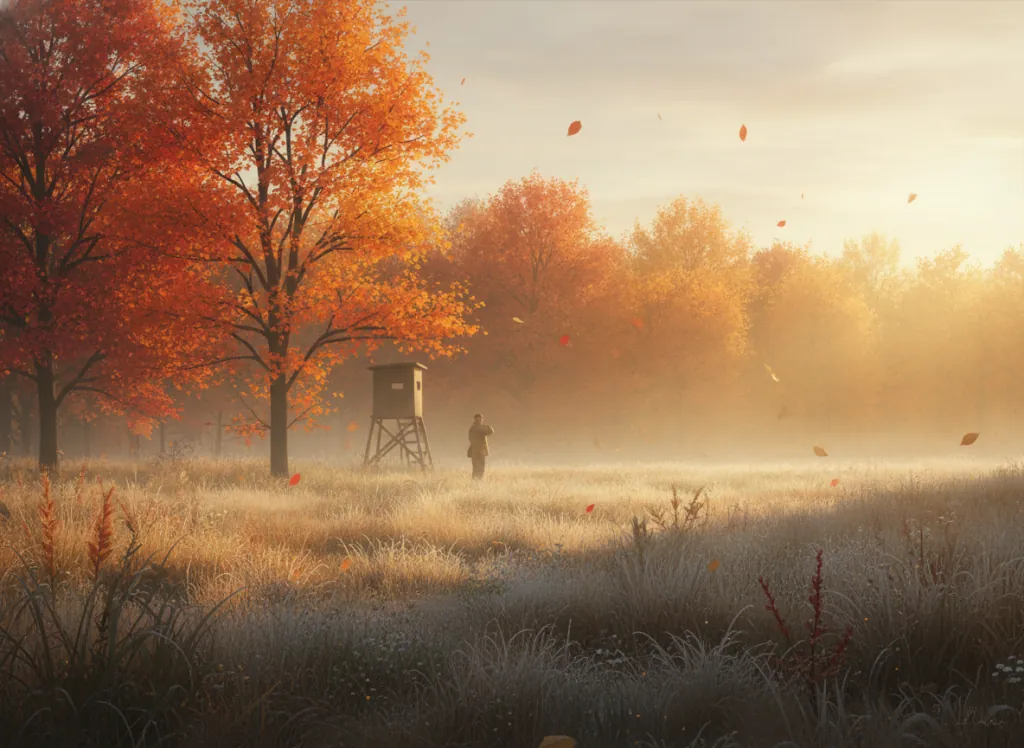
Fall (September-December)
The October pheasant opener is the loudest date on the calendar, but deer, turkey, and waterfowl seasons crowd around it. Clubs and leases run at full throttle through the fall, putting members on managed birds and big game at the year's peak.
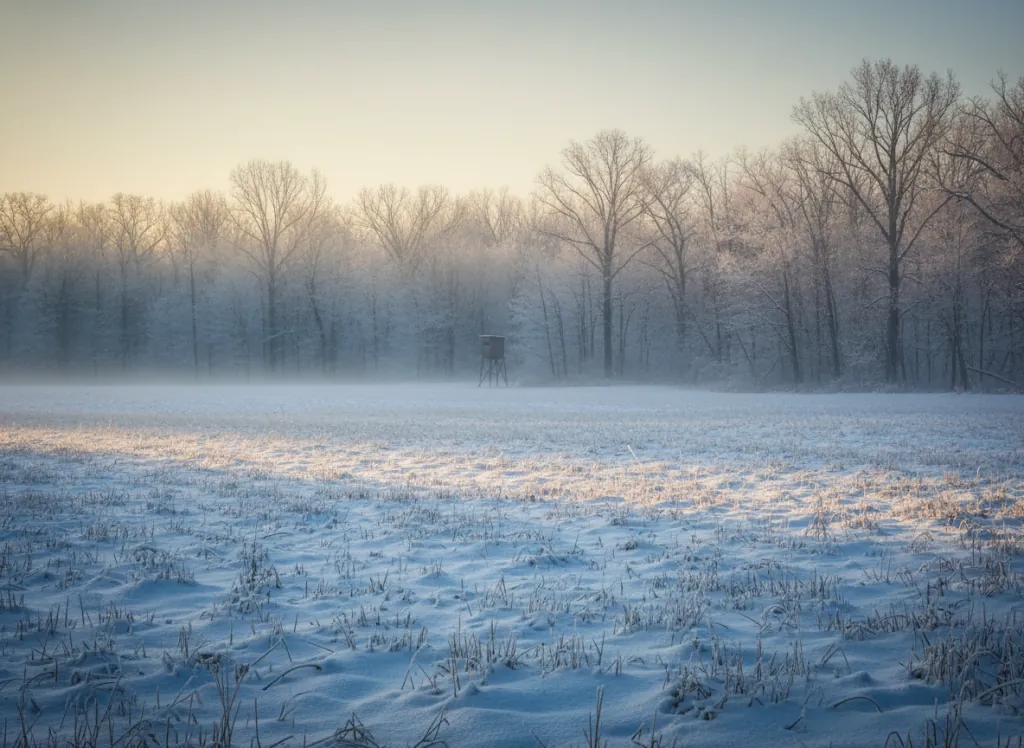
Winter (January-February)
Late-season deer hunting stretches into January for those willing to work for it. Otherwise winter is evaluation season on club ground: harvest numbers reviewed, next year planned, and long-horizon habitat work like tree planting and controlled burns carried forward.
Free tools
Your free outdoor toolkit

Everything Map
Listings, trails, spots, clubs and public land on a single full-screen map. Switch layers on and off, then tap any point for the details.
Open Everything MapTrail Explorer
Browse a community map of named trails with distance, difficulty, and where each one starts.
Open Trail ExplorerRoute Planner
Drop stops on a map and watch distance and drive time add up. Export a GPX or share the link.
Open Route PlannerHunting Clubs
Browse local clubs with meeting info and how to join, or start your own for free.
Open Hunting ClubsPhoto ID
Point your camera at whatever you found and get a structured identification. No signup.
Open Photo IDGear Checklists
Printable, save-as-you-go packing lists. Tick items off and pull them up on your phone.
Open Gear Checklists


Keep exploring