Hunting Outfitters · New Mexico
Hunting Outfitters in New Mexico
Hunt 23 outfitters across New Mexico. Maps, hours, contact info, photos, and verified operator profiles, all in one place.
Sky islands, the Rio Grande, and high-desert mesa country.
About New Mexico
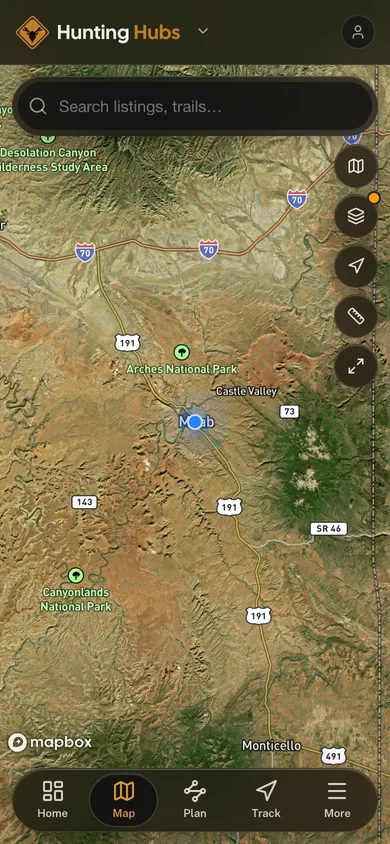
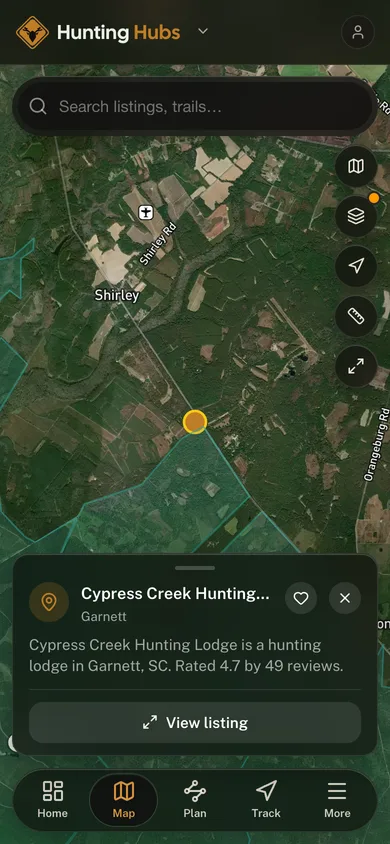
23 on the map
Tap a pin to open its profile.
Quick facts
- Outfitters listed
- 23
- Best season
- April through November
All listings
23 outfitters
across New Mexico
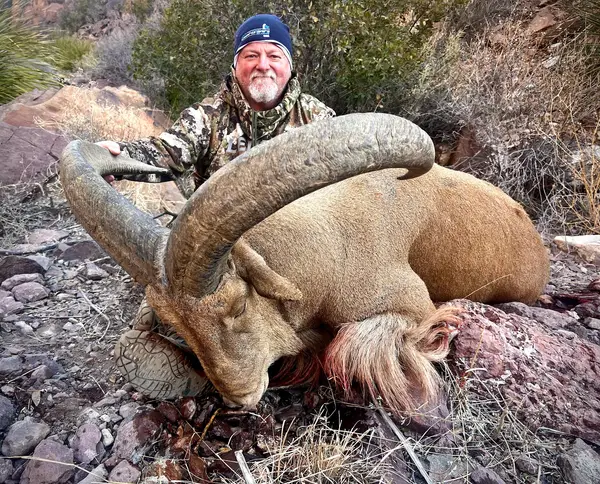
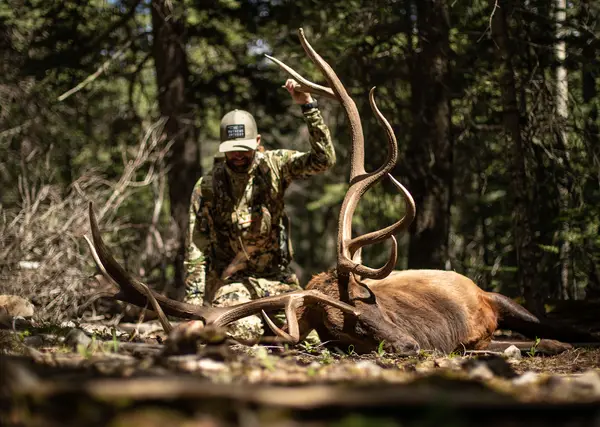

Plan your trip
Plan your trip to New Mexico
Game Species & Seasons
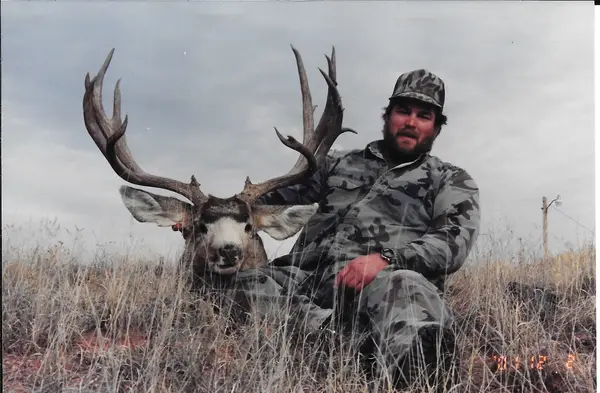
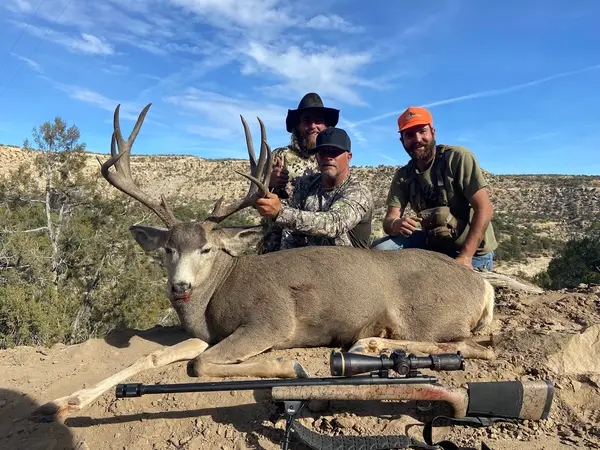
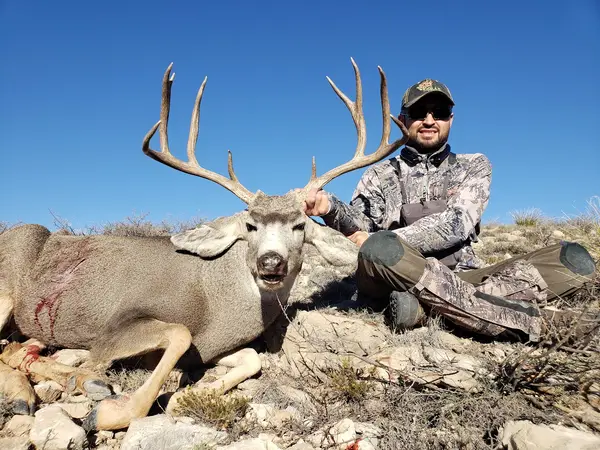
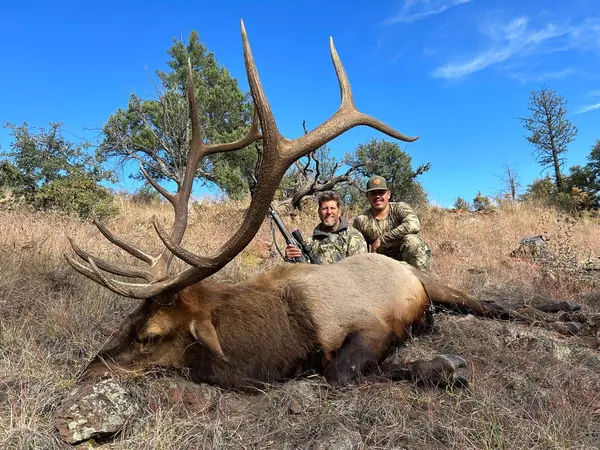
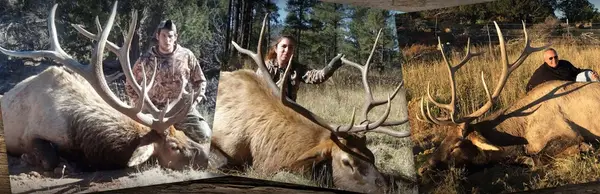
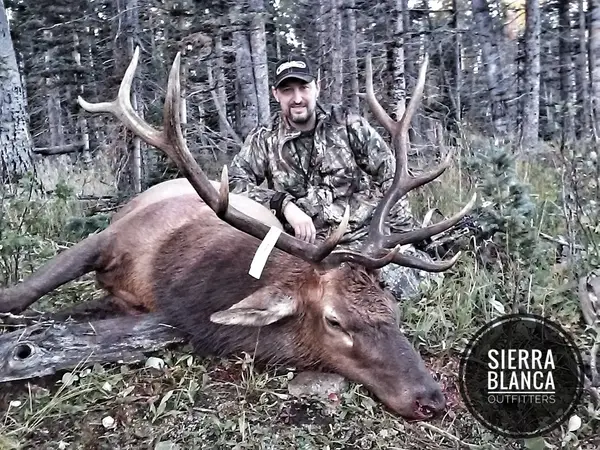
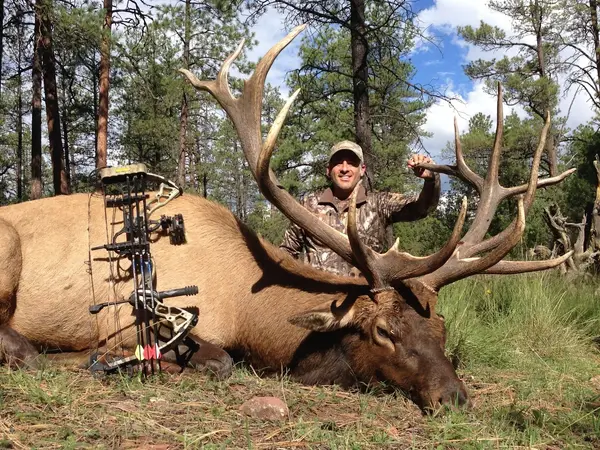
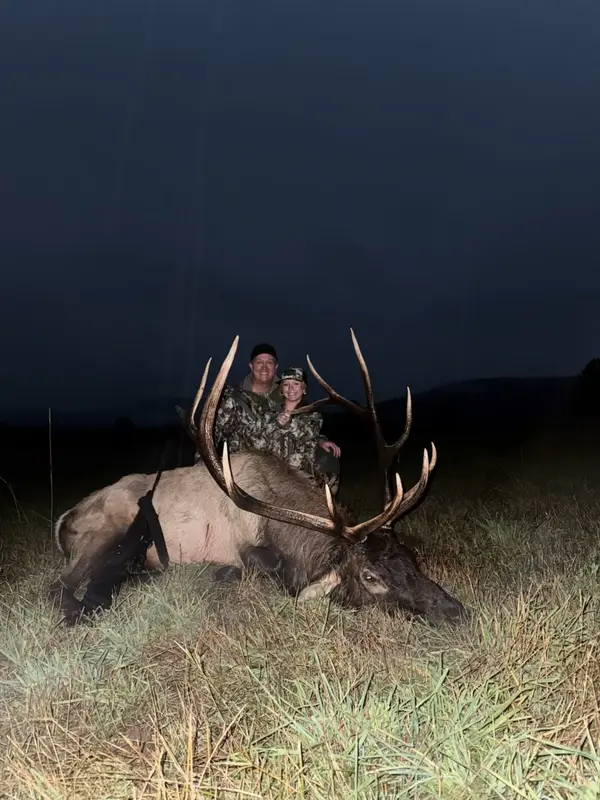
New Mexico offers hunting for a wide array of game, including elk, mule deer, pronghorn, oryx, ibex, bighorn sheep, javelina, and various small game like turkey, quail, and dove. Seasons vary by species, weapon type, and game management unit. Private land operations often focus on big game, with specific season dates to be confirmed with the club or lease operator.
License, Tag, & Draw Requirements
All hunters require a valid New Mexico Game Hunting License. For big game, New Mexico operates on a lottery draw system. While private land access is secured through a club or lease, hunters typically still need to acquire the appropriate tags, which can sometimes be landowner tags or through the general draw, depending on the species and unit. Non-residents face different draw odds and license fees.
Public vs. Lease/Club Access
While New Mexico has extensive public lands, hunting pressure can be high. Hunting clubs and leased lands provide exclusive access, often leading to better game management, reduced hunter density, and potentially higher success rates. These private agreements define the specific boundaries and access rules for members.
Terrain Types & Challenges
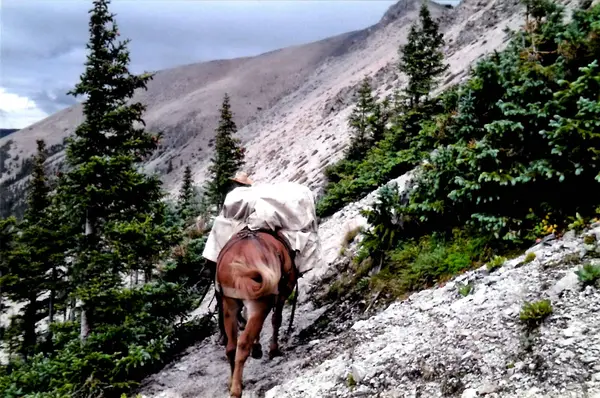
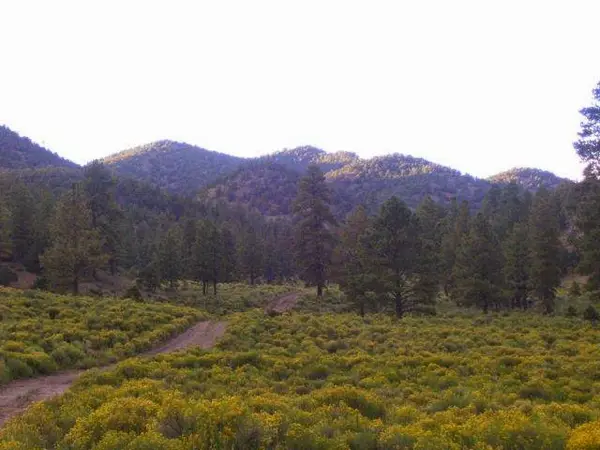
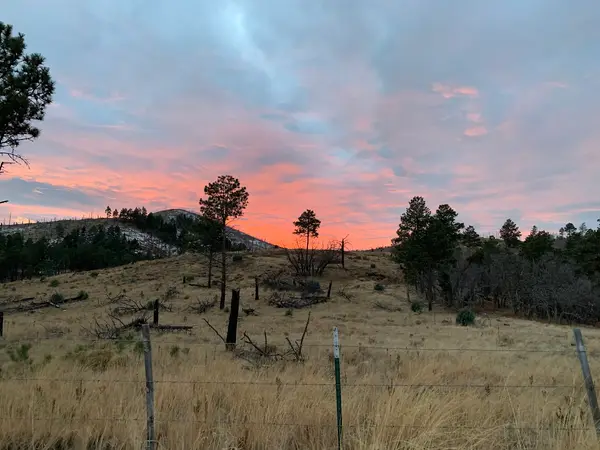
New Mexico's terrain ranges from high-elevation conifer forests and aspen groves in the northern mountains to piñon-juniper woodlands, vast grasslands of the eastern plains, and arid desert scrub in the south. Hunters should prepare for varied conditions, including significant elevation changes, rocky terrain, and extreme weather fluctuations. Leased properties can encompass any of these diverse landscapes.
Club Membership Norms
Hunting club memberships often involve annual fees, adherence to club-specific rules regarding harvest limits, guest policies, and sometimes participation in maintenance or habitat improvement workdays. Lease agreements are typically more direct, granting exclusive hunting rights to a specific property for a defined period, often with specific game management stipulations.
Confirm current requirements with the state agency before your trip. Rules and fees change every season.
New Mexico Game Hunting License
A valid New Mexico Game Hunting License is required for all individuals hunting in the state, regardless of land ownership. Specific licenses and stamps may also be necessary depending on the game species and weapon type. Verify the correct license for your planned hunt.
New Mexico Department of Game and FishHunter Education Requirement
Any hunter under 18 must complete a Firearm/Hunter Education course before buying a firearm hunting license in New Mexico, or hunt through the state's Mentored-Youth program. The requirement applies to residents and non-residents alike, and online and in-person courses are available.
New Mexico Department of Game and FishBig Game Draw Application
For many big game species like elk, deer, and pronghorn, tags are acquired through a lottery draw system. But that's mainly the public-land path. On private land, the whole point of a lease, elk typically come through New Mexico's EPLUS system, where landowners hold transferable elk authorizations (over-the-counter, and unlimited in some zones), while deer and pronghorn have over-the-counter private-land licenses. Many hunters on leased or club ground never enter the public draw at all. Understand the draw process and deadlines.
New Mexico Department of Game and FishPrivate Land Authorization
When hunting on private land, hunters must possess written permission from the landowner or leaseholder. This is a critical requirement even if you are a member of a hunting club or have a lease agreement. Always carry proof of authorization while hunting.
- 01
1. Research Target Species and Seasons
Pick your animal first: elk, mule deer, pronghorn, or something stranger. Seasons, weapon restrictions, and game management units all hang off that choice, and it's the choice that steers your entire club or lease search.
- 02
2. Understand License and Draw Requirements
Get fluent in the New Mexico Department of Game and Fish rules: license fees, hunter education, and above all the big game draw application process. Non-residents face different fees and different odds, know your lane before you plan around a tag.
- 03
3. Identify Preferred Hunting Regions
Match species and terrain to a region: northern timber for elk, eastern plains for pronghorn, the desert southwest for Coues deer and exotics. Narrowing the map narrows the list of clubs and leases worth your calls.
- 04
4. Explore Hunting Clubs and Lease Options
Contact operations in your chosen regions and ask the questions that matter: species, acreage, amenities, costs, rules, and, critically, whether landowner tags or draw assistance come with the deal. Get references from current members or lessees and actually call them.
- 05
5. Secure Membership/Lease Agreement and Prepare
Sign the agreement, settle payment, then handle the state's side, licenses and tags in hand before you plan the hunt itself. Scout if the property allows it, and show up in the shape the country demands.
01What big game species are commonly hunted on New Mexico leases?
02Do I need a special license to hunt on private leased land in New Mexico?
03What are typical responsibilities or expectations for hunting club members?
04Are non-residents eligible to join hunting clubs or lease land in New Mexico?
05How does the New Mexico draw system affect hunting on leased land?
06What kind of terrain can I expect on a New Mexico hunting lease?
When to go
Season by season in New Mexico
Spring (March - May)
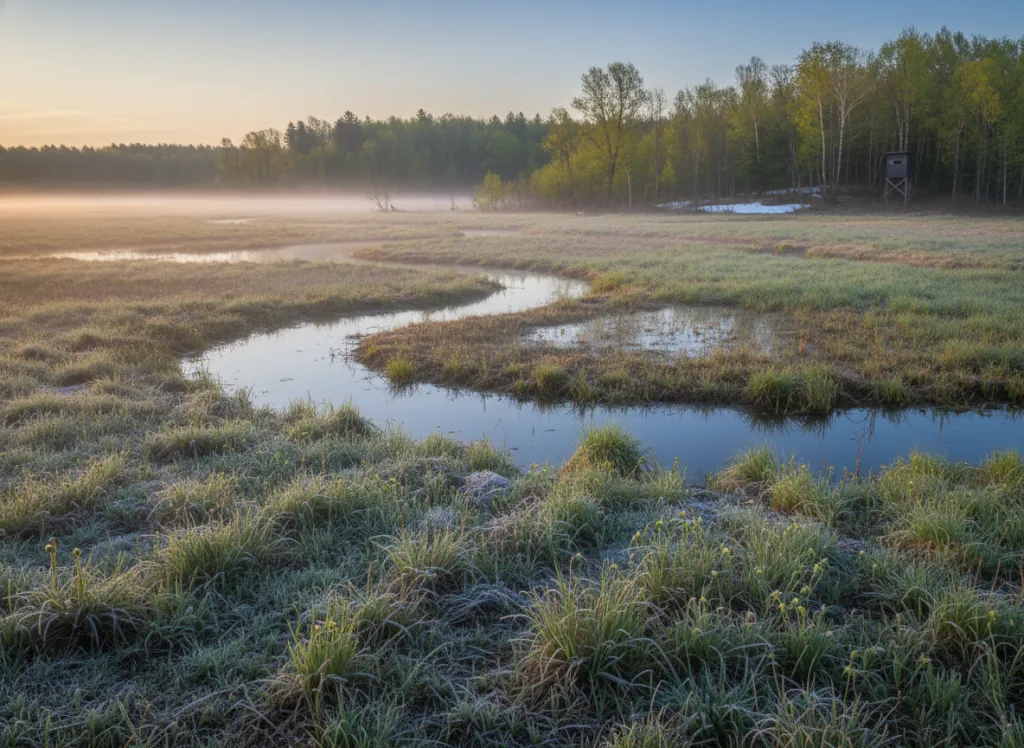
Spring means turkeys, and private leases give hunters gobblers without the company. It's also when the year's real work begins on managed ground, habitat projects get underway and members start scouting for the seasons that matter most.
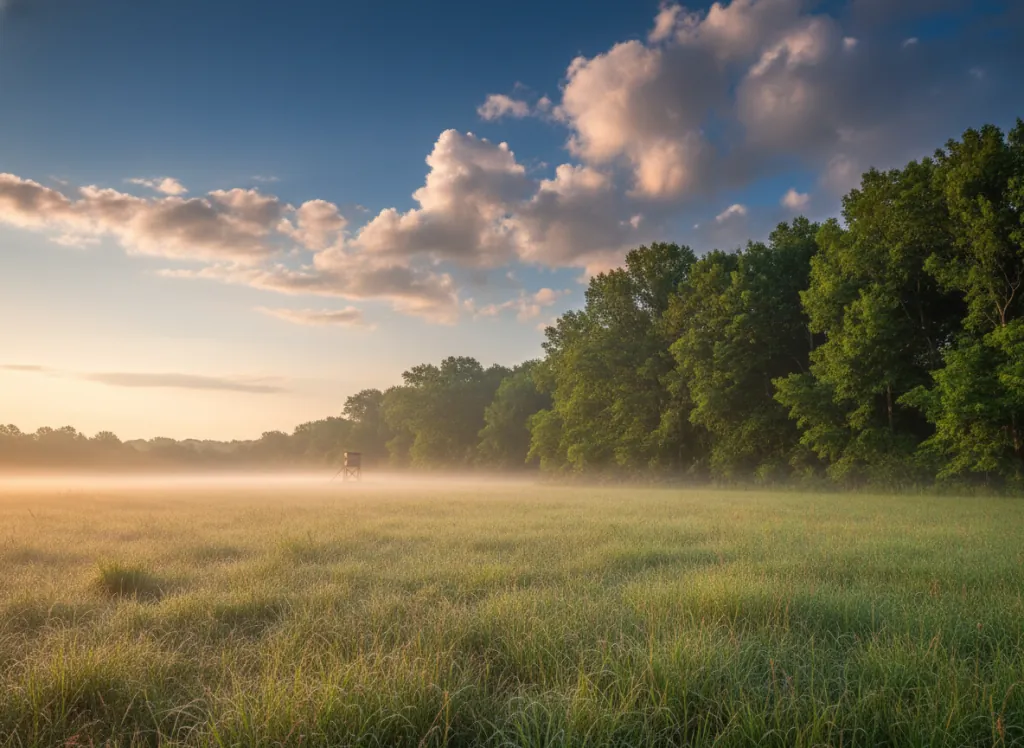
Summer (June - August)
Draw results typically land in summer, and everything accelerates from there. Members glass velvet bulls and bucks, hang trail cameras, burn range time, and build the fall plan while the tags are still just paper in a drawer.
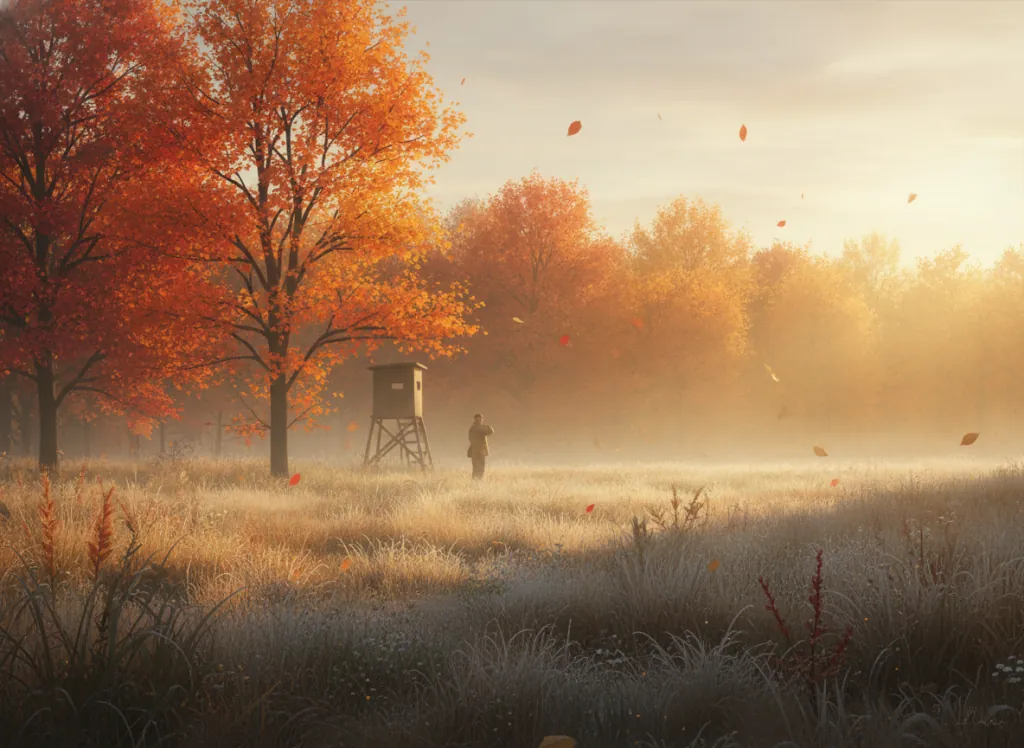
Fall (September - November)
Elk, mule deer, and pronghorn seasons make fall the whole point of the year. Leased properties run at capacity, and the months of scouting either come together in a bugling canyon or a plains stalk, or go into the notebook for next season.
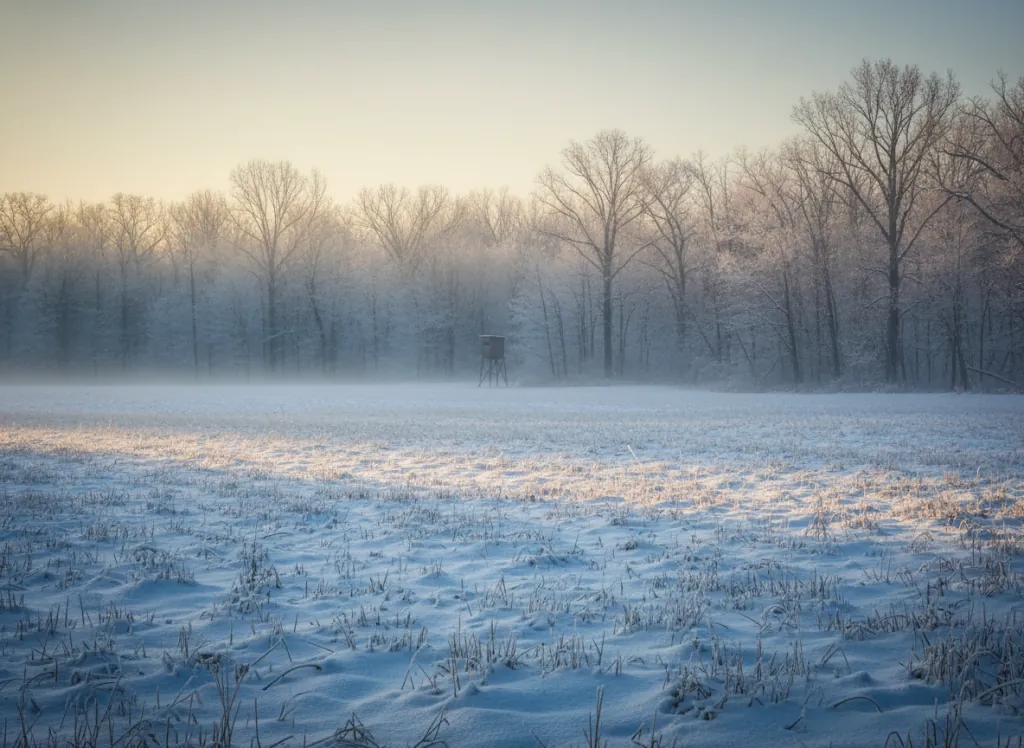
Winter (December - February)
Late hunts for certain species stretch into winter, with waterfowl and predator hunting filling the gaps. Clubs handle the business end now: lease renewals, annual meetings, and the habitat work that's easier when the snakes are asleep.
Free tools
Your free outdoor toolkit

Everything Map
Listings, trails, spots, clubs and public land on a single full-screen map. Switch layers on and off, then tap any point for the details.
Open Everything MapTrail Explorer
Browse a community map of named trails with distance, difficulty, and where each one starts.
Open Trail ExplorerRoute Planner
Drop stops on a map and watch distance and drive time add up. Export a GPX or share the link.
Open Route PlannerHunting Clubs
Browse local clubs with meeting info and how to join, or start your own for free.
Open Hunting ClubsPhoto ID
Point your camera at whatever you found and get a structured identification. No signup.
Open Photo IDGear Checklists
Printable, save-as-you-go packing lists. Tick items off and pull them up on your phone.
Open Gear Checklists


Keep exploring