Hunting Outfitters · Arizona
Hunting Outfitters in Arizona
Hunt 21 outfitters across Arizona. Maps, hours, contact info, photos, and verified operator profiles, all in one place.
Red-rock canyons, Sonoran desert, and pine-covered high country.
About Arizona
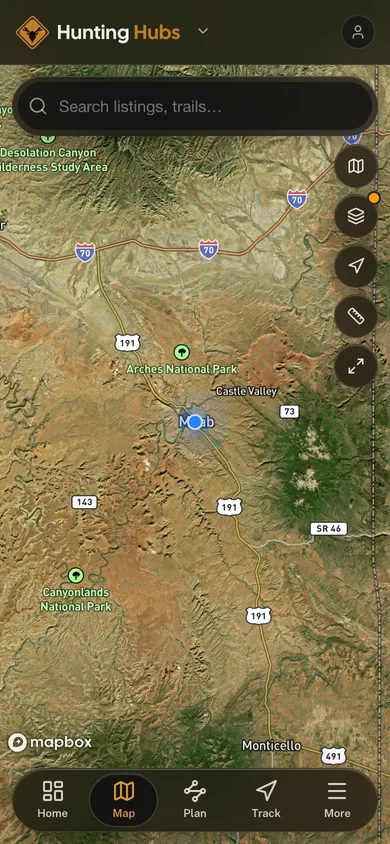
21 on the map
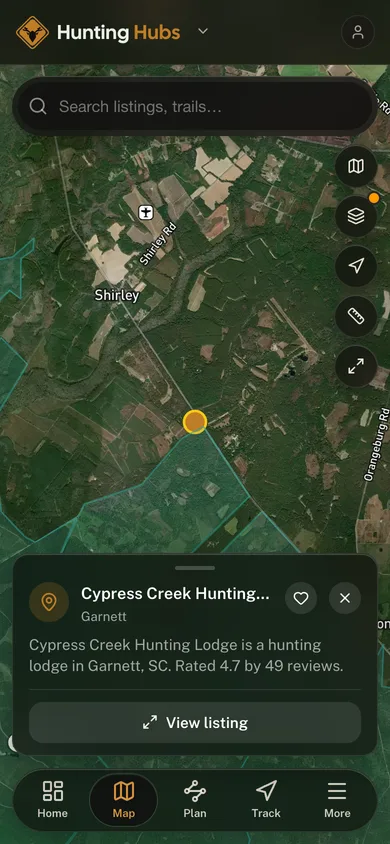
Tap a pin to open its profile.
Quick facts
- Outfitters listed
- 21
- Best season
- October through April
All listings
21 outfitters
across Arizona
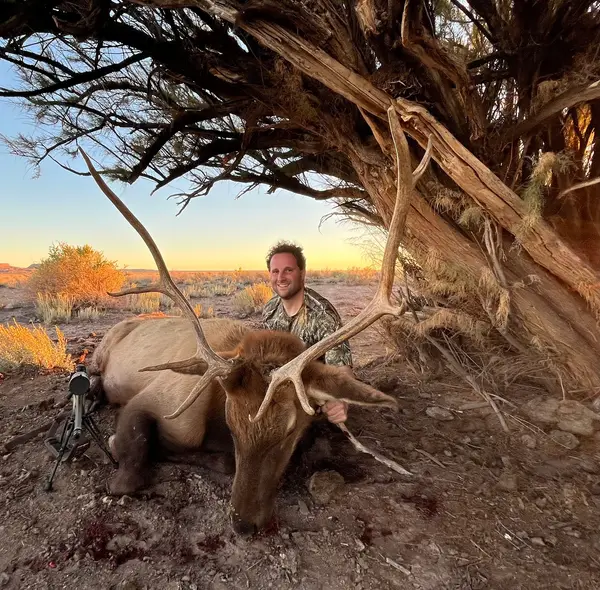
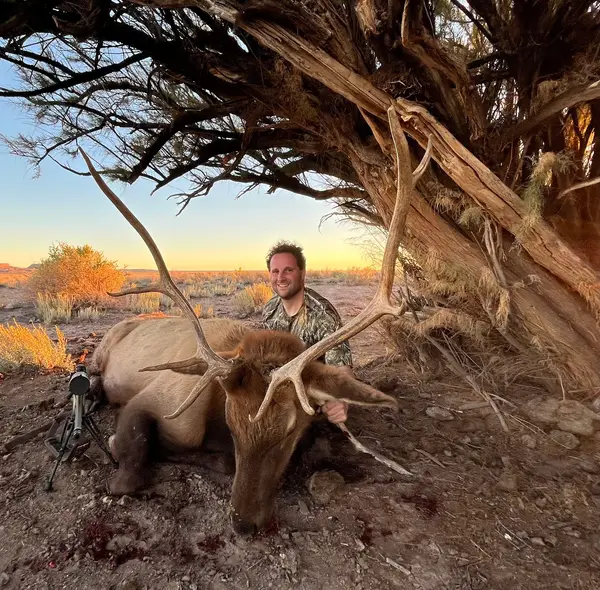
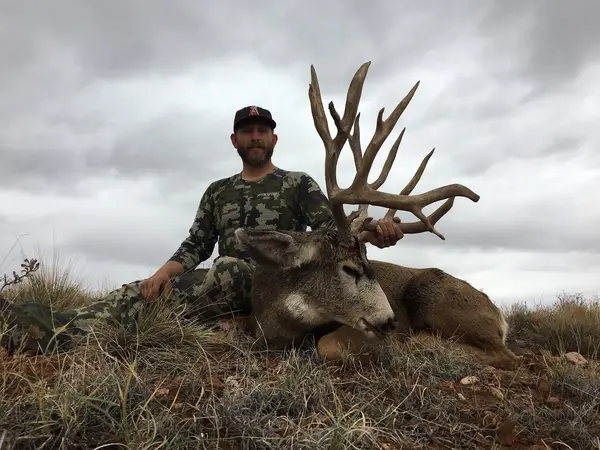
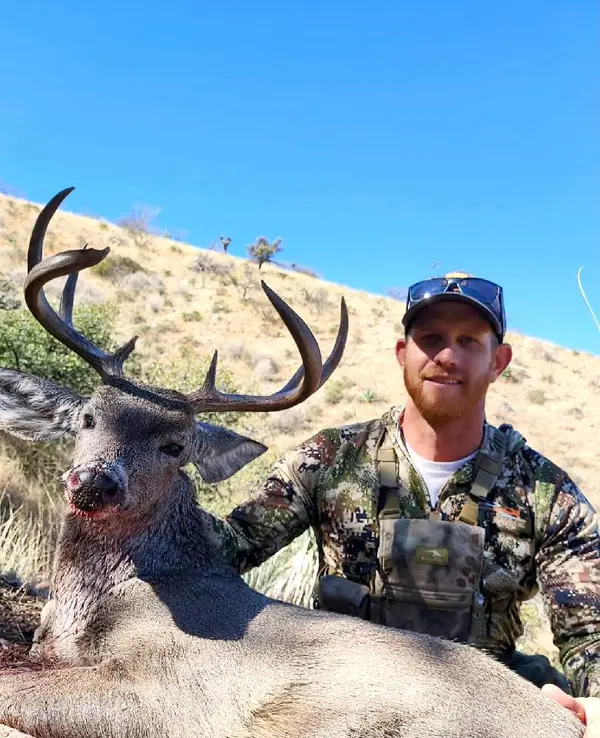
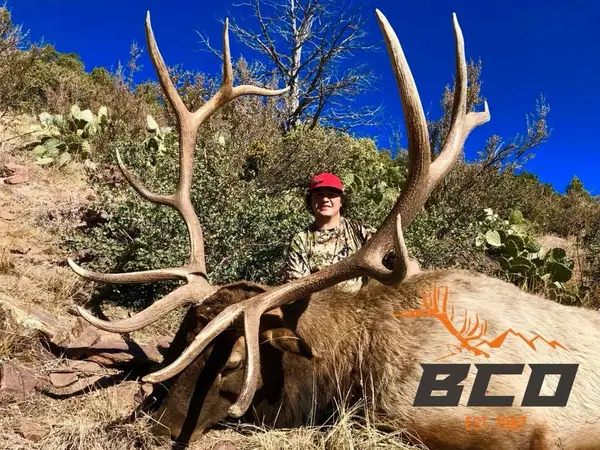
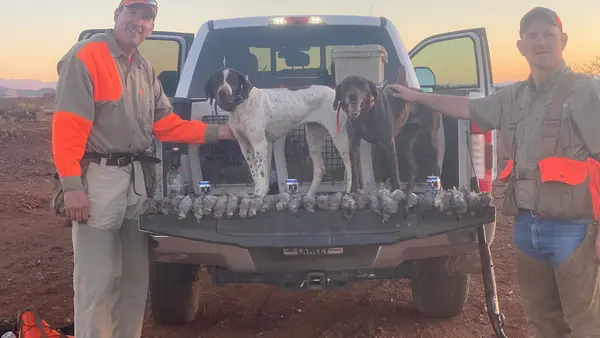
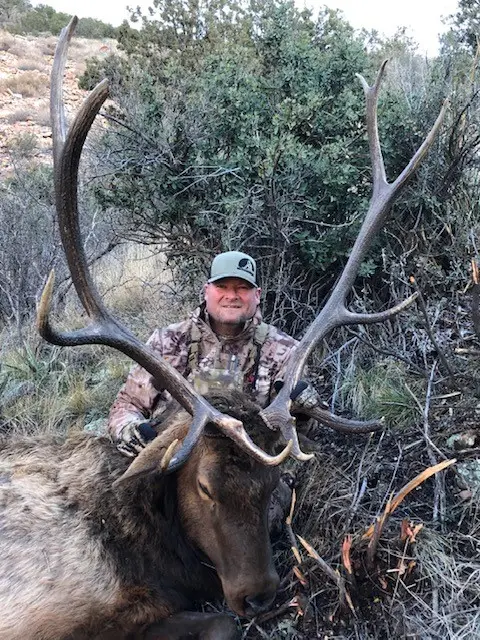
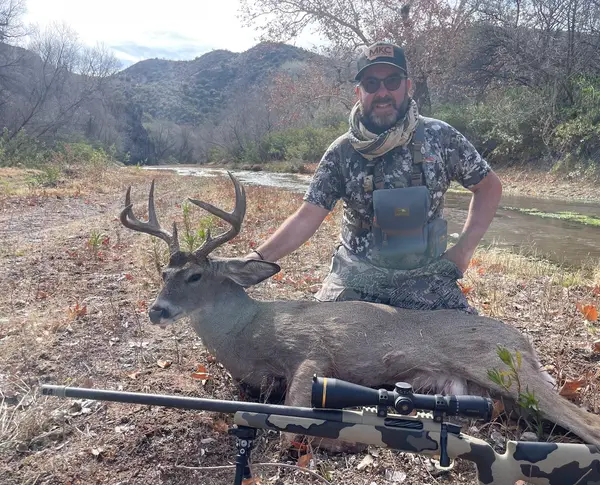
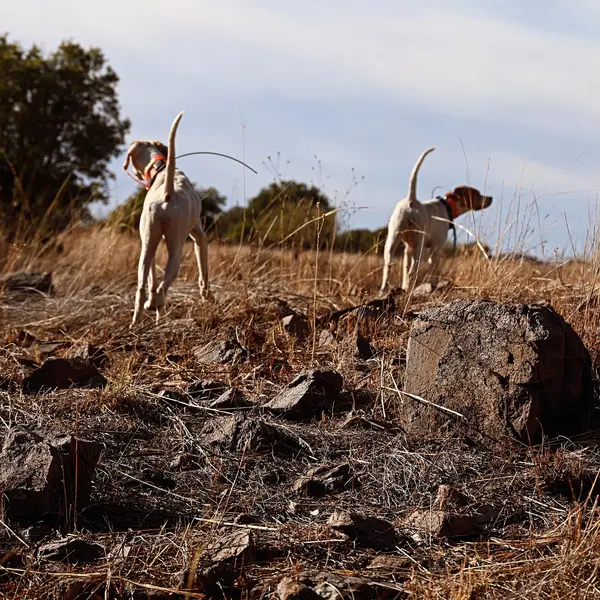
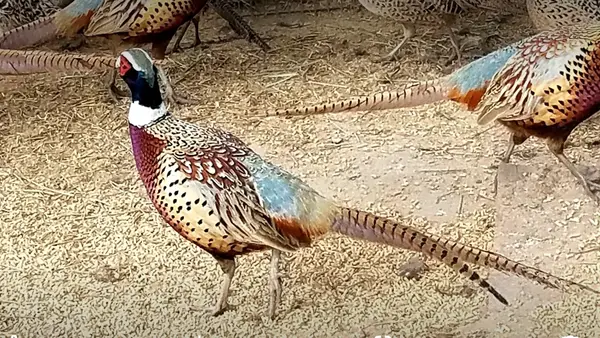
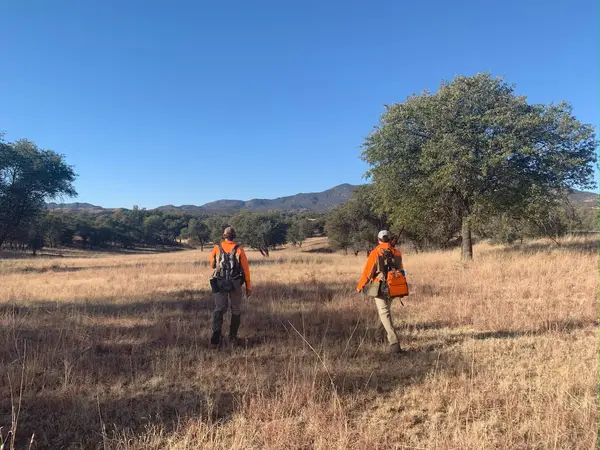
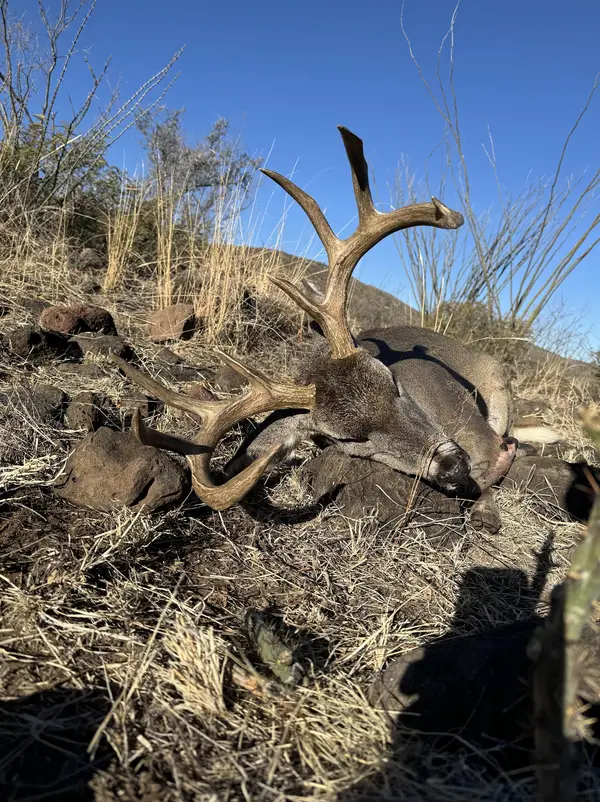

Plan your trip
Plan your trip to Arizona
Game Species and Seasons
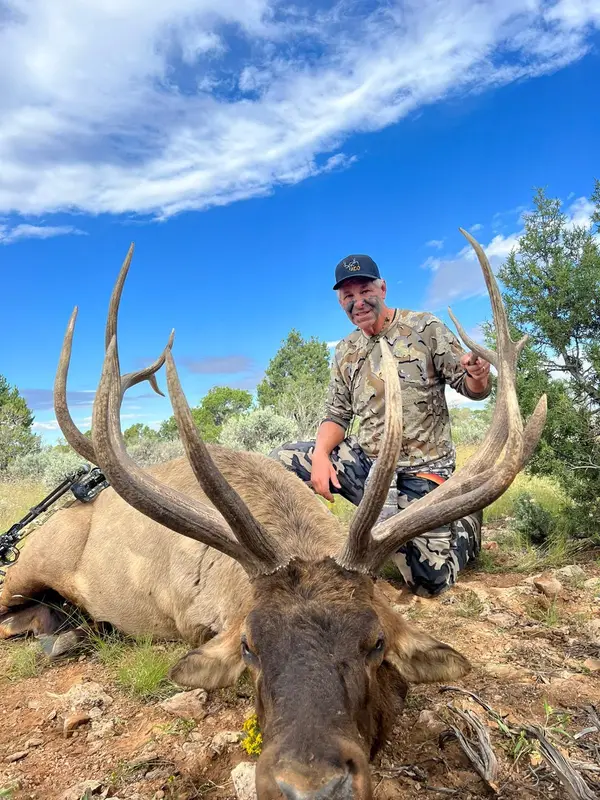
Arizona offers diverse hunting for species like mule deer, Coues deer, elk, javelina, turkey, and various quail. Seasons are highly regulated, unit-specific, and often divided into archery, rifle, and muzzleloader periods.
License and Tag Requirements
A valid Arizona hunting license is mandatory for all hunters. Big game tags are predominantly allocated through a competitive lottery draw system, making success uncertain for popular species and units.
Public vs. Lease/Club Access
While vast public lands are available, hunting clubs and private leases offer exclusive access to managed properties, often in prime habitat areas, reducing competition and potentially improving success rates.
Terrain Variety
Hunters will encounter everything from rugged desert washes and dense chaparral to high-elevation ponderosa pine forests and alpine zones. Each terrain type demands specific hunting strategies and gear.
Club Membership Norms
Membership in Arizona hunting clubs typically involves annual dues, adherence to club rules, and sometimes participation in workdays. Clubs often provide shared amenities, local knowledge, and a communal hunting experience.
Confirm current requirements with the state agency before your trip. Rules and fees change every season.
Arizona Hunting License
All individuals hunting in Arizona must possess a valid Arizona hunting license. This license is required before applying for any big game draw or hunting any species.
Arizona Game and Fish DepartmentBig Game Tags and Permits
For big game species like deer, elk, and bighorn sheep, a specific tag or permit is required in addition to a general hunting license. These tags are primarily issued through a lottery draw system.
Arizona Game and Fish DepartmentHunter Education Requirement
Arizona does not require hunter education of adult hunters. A course is mandatory only for youth ages 10 through 13 to hunt big game; there is no birth-year cutoff, and that youth requirement applies equally to residents and non-residents.
Arizona Game and Fish DepartmentPrivate Land Access Permission
Even with a valid hunting license and tag, hunters must obtain express permission from the landowner or leaseholder to hunt on private property. Trespassing is strictly prohibited.
- 01
Understand Arizona's Draw System
The draw runs Arizona big-game hunting, so learn it first. Study the Arizona Game and Fish Department's system (application windows, bonus points, and how the unit-specific rules apply to your target species), before making any other plans.
- 02
Identify Target Species and Regions
Match the animal to the ground: decide what you want to hunt and figure out which parts of the state actually hold it. That pairing narrows your club and lease search from the whole map to a few honest candidates.
- 03
Research Potential Hunting Clubs/Leases
Dig into the clubs and lease groups operating in your chosen country. Ask what they offer, how membership works, and how their hunters have actually fared, vague answers on that last question tell you plenty.
- 04
Confirm All Licensing and Education Requirements
Carry a valid Arizona hunting license, and if you were born after January 1, 1967, complete the required hunter education course. Check whether your specific hunt needs additional permits, assumptions are how tags get wasted.
- 05
Engage with Club Operators/Lease Managers
Get the operator on the phone. Ask pointed questions about the property, the amenities, the rules, and what's expected of members. How they answer, direct or evasive, is itself the most useful data you'll gather.
01What species can I hunt in Arizona with a club or lease?
02How does the draw system affect hunting club access?
03Are there different types of hunting leases available in Arizona?
04What amenities do hunting clubs typically offer in Arizona?
05Do I need a hunter education course to join an Arizona hunting club?
06Can non-residents join Arizona hunting clubs or lease land?
When to go
Season by season in Arizona
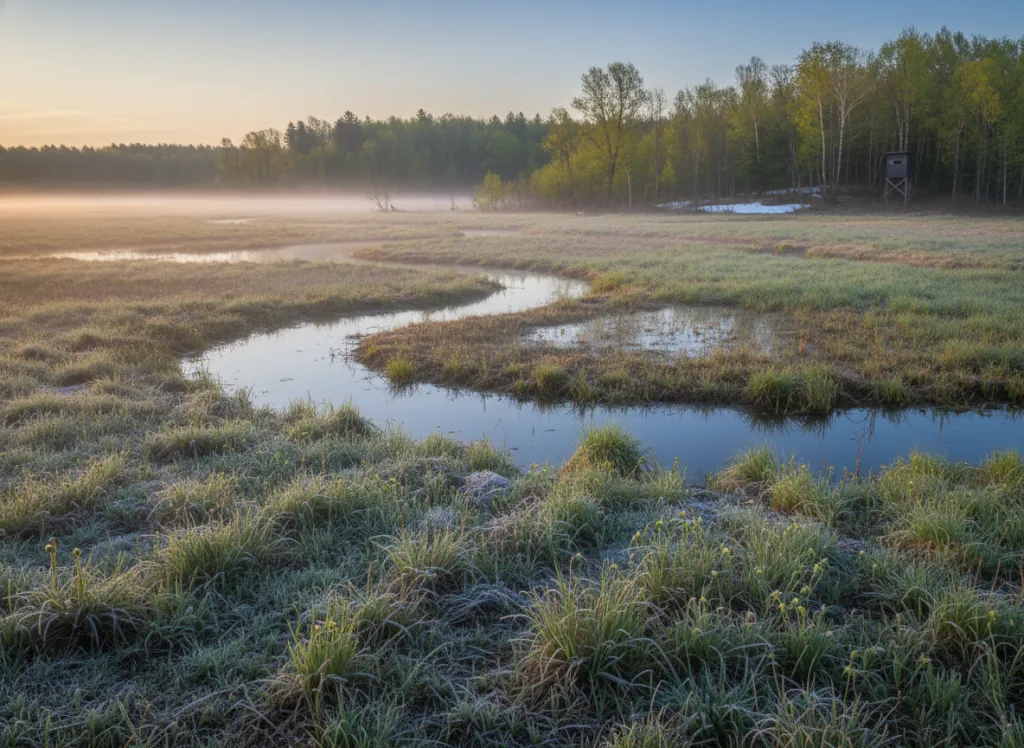
Spring
Turkey seasons open, giving members their first hunts of the year, but spring's real work is homework: scouting and shed hunting across the units, building the intelligence that shapes the fall draw applications.
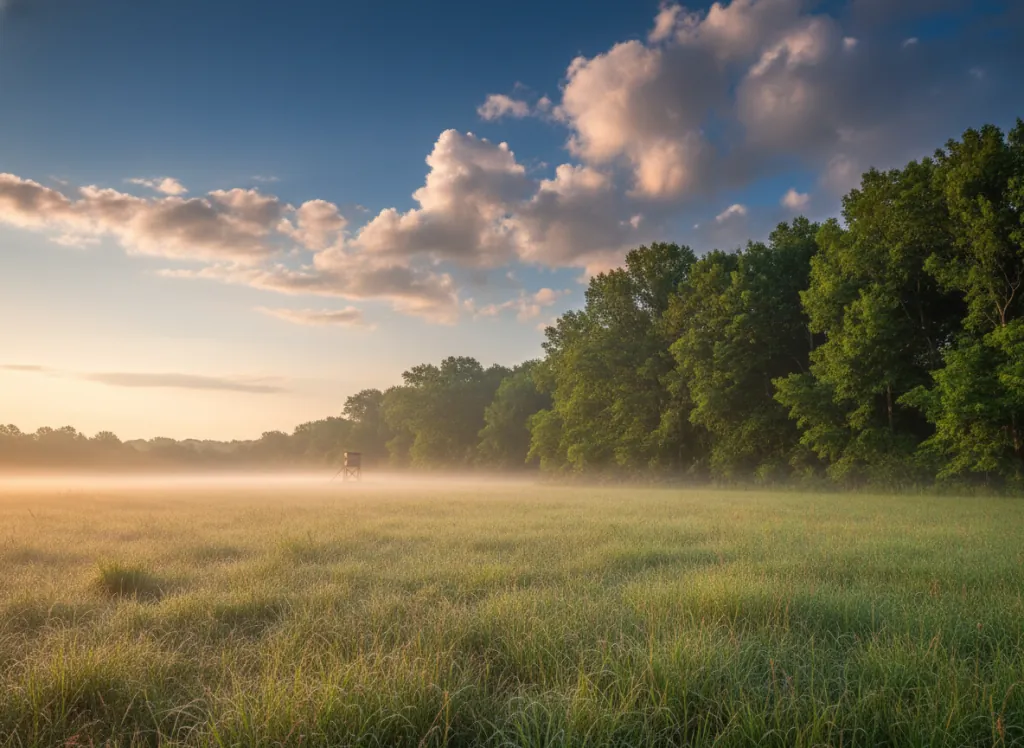
Summer
Draw results typically land in summer, and the moment they do, plans crystallize. Clubs shift into pre-season mode: trail cameras out, blinds and stands readied on leased ground, water sources checked before the heat tests them.
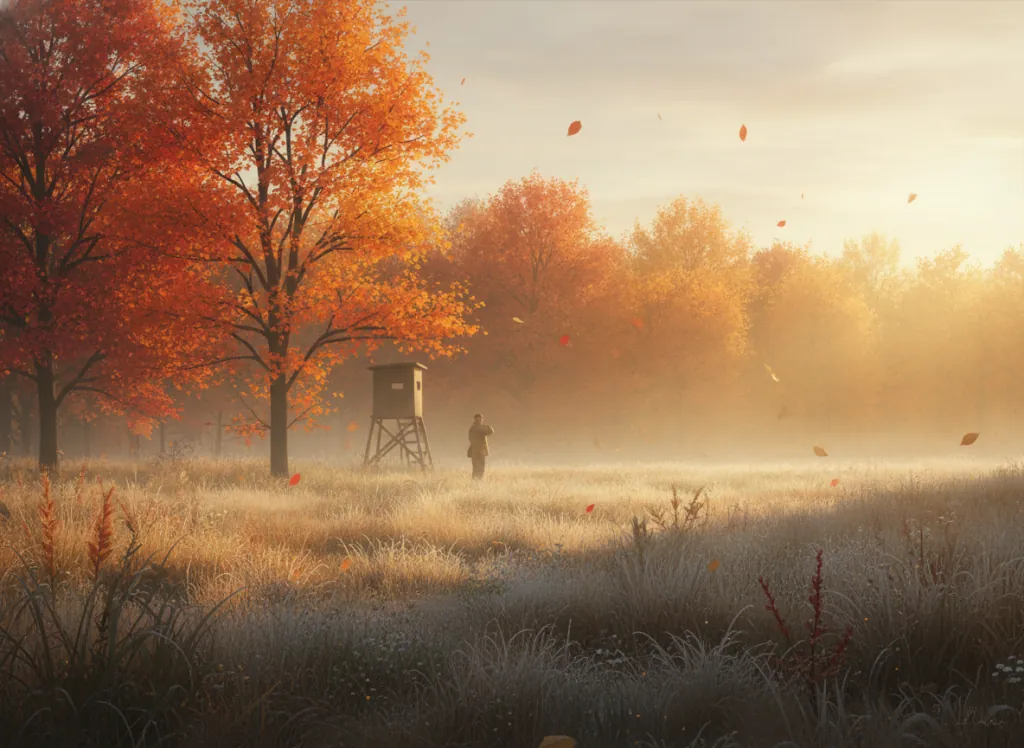
Fall
Archery and general rifle seasons for deer and elk stack up through fall, and every club calendar bends around them. Upland bird seasons open in the same stretch, so even members without a big-game tag have reason to be out.
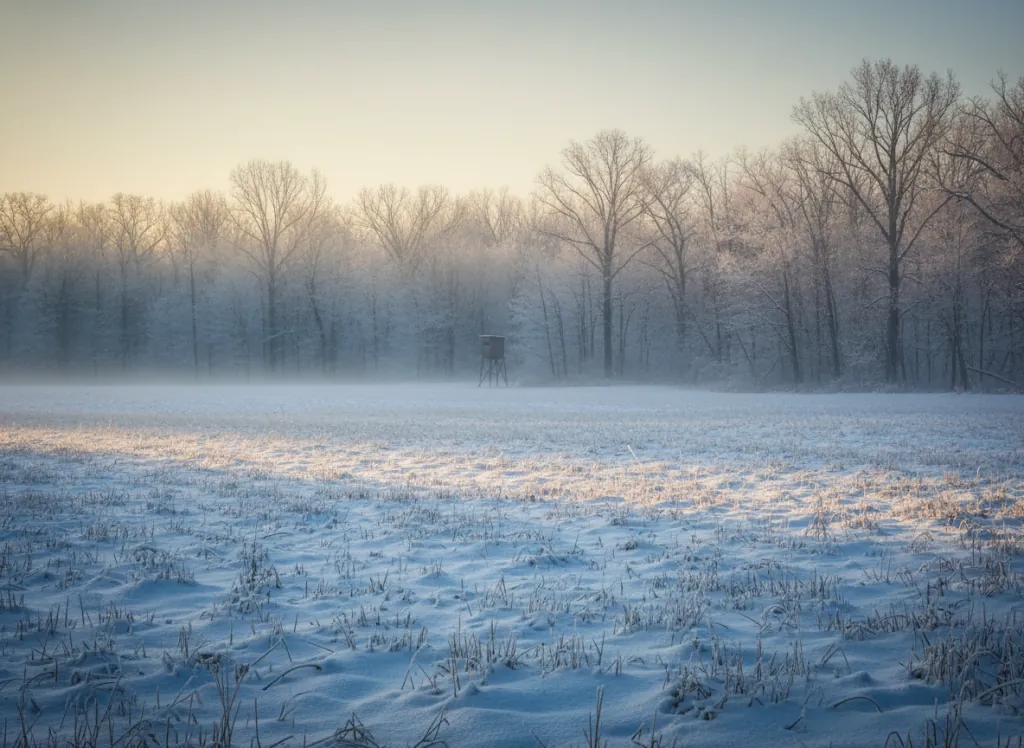
Winter
The desert stays huntable when the high country closes, javelina and some small game seasons run into winter in the warmer regions. Clubs use the lull for property maintenance, habitat projects, and sketching next year's applications.
Free tools
Your free outdoor toolkit

Everything Map
Listings, trails, spots, clubs and public land on a single full-screen map. Switch layers on and off, then tap any point for the details.
Open Everything MapTrail Explorer
Browse a community map of named trails with distance, difficulty, and where each one starts.
Open Trail ExplorerRoute Planner
Drop stops on a map and watch distance and drive time add up. Export a GPX or share the link.
Open Route PlannerHunting Clubs
Browse local clubs with meeting info and how to join, or start your own for free.
Open Hunting ClubsPhoto ID
Point your camera at whatever you found and get a structured identification. No signup.
Open Photo IDGear Checklists
Printable, save-as-you-go packing lists. Tick items off and pull them up on your phone.
Open Gear Checklists


Keep exploring