Hunting Outfitters · Oregon
Hunting Outfitters in Oregon
Hunt 27 outfitters across Oregon. Maps, hours, contact info, photos, and verified operator profiles, all in one place.
Cascades, the high desert, and the most varied coastline in the lower 48.
About Oregon
27 on the map
Tap a pin to open its profile.
Quick facts
- Outfitters listed
- 27
- Best season
- June through October
All listings
27 outfitters
across Oregon

Plan your trip
Plan your trip to Oregon
Game Species & Seasons
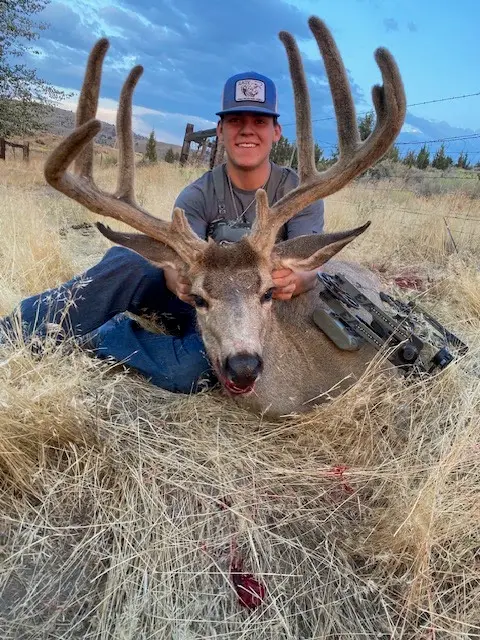
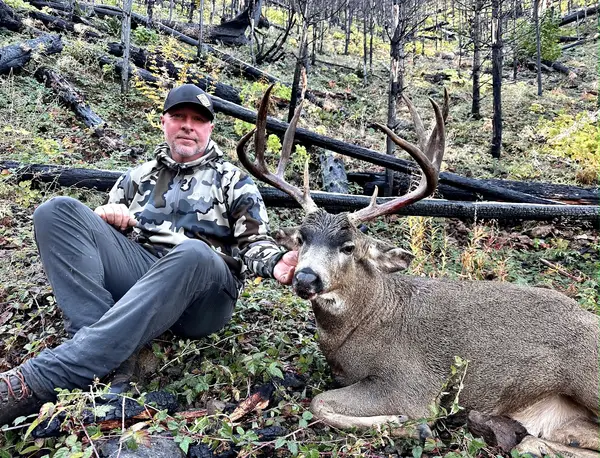
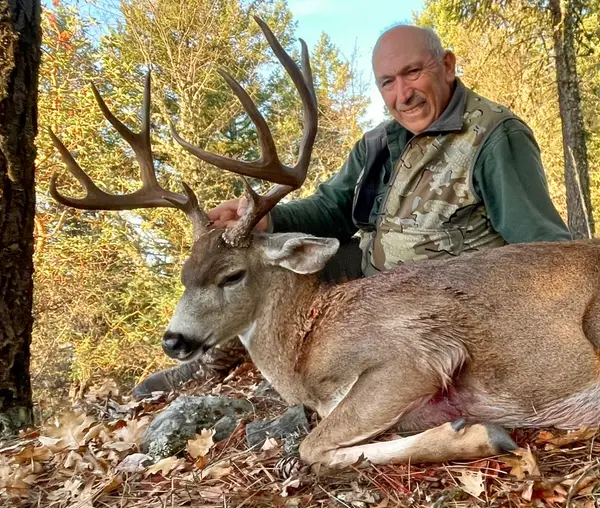
Oregon offers diverse hunting for big game (Roosevelt and Rocky Mountain elk, blacktail and mule deer, black bear, cougar, pronghorn), upland birds (pheasant, quail, grouse), and waterfowl. Seasons vary by species and region; consult ODFW for current dates.
License & Tag Requirements
All hunters require an Oregon hunting license. Big game requires a species tag, obtained either as a general-season tag sold over the counter or as a controlled-hunt tag awarded by draw, depending on the unit and species.
Public vs. Private Access
While Oregon has extensive public lands, securing access through a club or lease provides exclusive hunting rights, often to better-managed and less pressured areas.
Terrain Types
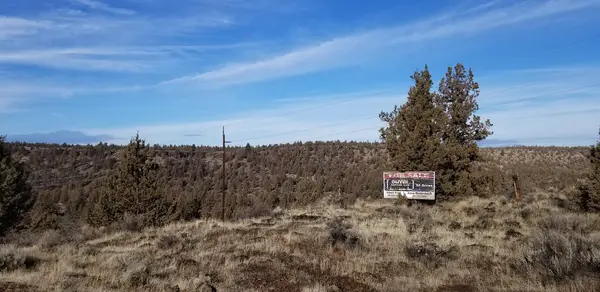
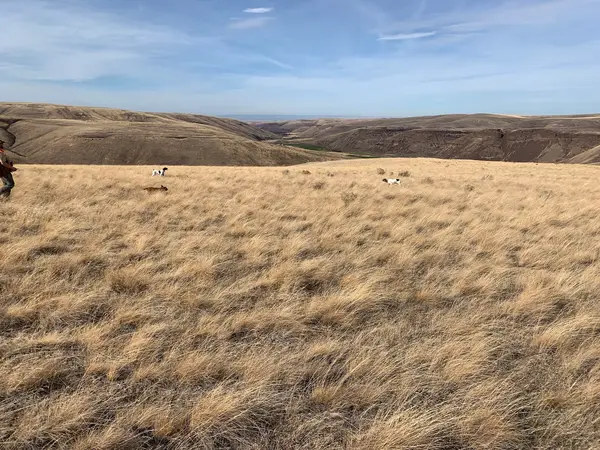
Expect diverse terrains from dense coastal forests and rugged mountain ranges to high desert sagebrush flats, agricultural fields, and riverine marshes.
Club Membership Norms
Many clubs expect members to contribute to habitat management, property maintenance, and adhere to strict ethical hunting practices and harvest rules.
Confirm current requirements with the state agency before your trip. Rules and fees change every season.
Oregon Hunting License
All individuals pursuing game in Oregon must possess a valid Oregon hunting license. Non-residents must purchase a non-resident license.
Controlled Hunt Tags
Oregon runs two tag systems for deer and elk: general-season tags sold over the counter (most opportunity is west of the Cascades) and controlled hunts awarded by draw (the norm east of the Cascades), which dictate the season, weapon, and area of hunt.
Oregon DFW Big GameHunter Education Requirement
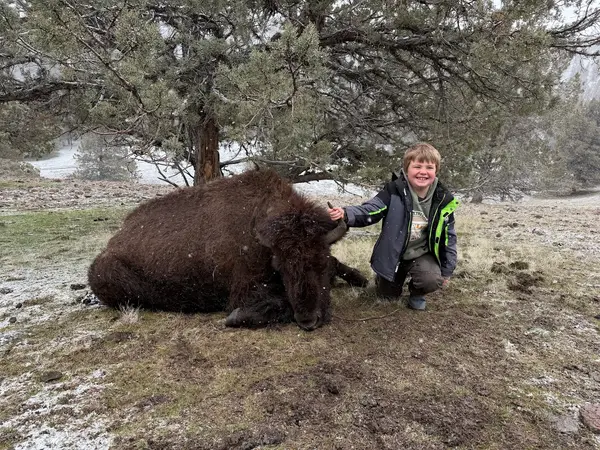
Hunters under the age of 18 must complete an approved hunter education course before hunting in Oregon, with exceptions for youth in the Mentored Youth Hunter Program (ages 9–15) and those hunting on land owned by a parent or legal guardian.
Oregon DFW Hunter EducationPrivate Land Permission
Hunting on private land, including leased grounds or club properties, requires explicit written permission from the landowner or leaseholder.
Game Bird Validation
Every migratory game bird hunter, including dove hunters, needs a free Harvest Information Program (HIP) validation. Waterfowl hunters (ducks and geese) must additionally carry an Oregon Waterfowl Validation and a Federal Migratory Bird Hunting and Conservation Stamp; neither of those applies to dove hunting.
- 01
Understand Oregon's Regulations
Start with the Oregon Department of Fish and Wildlife (ODFW) regulations, the rules for your target species and the general requirements come before everything else.
- 02
Determine Your Preferred Hunt
Decide which game you're after and which Oregon you want to hunt it in, big game in the mountains and waterfowl in the wetlands are entirely different commitments.
- 03
Research Clubs & Leases
Dig into the clubs and leased properties in your chosen regions. Weigh species focus, amenities, and membership structure, the right ground with the wrong group is still the wrong choice.
- 04
Secure Licenses & Tags
Learn the licensing process cold, especially for controlled hunts, those tags require applying well in advance, and missing the window means missing the season.
- 05
Confirm Access & Rules
Before any money changes hands, nail down the access rules, harvest limits, and whatever work or responsibilities come with membership. Get it explicit.
01What game species are typically available on Oregon leases and club properties?
02Are non-resident hunters welcome in Oregon hunting clubs and on leased grounds?
03What's the typical duration of a hunting lease in Oregon?
04Do clubs and leased properties in Oregon provide accommodations or just land access?
05What are common expectations for members of an Oregon hunting club?
06How do I find out about specific season dates and bag limits for Oregon?
When to go
Season by season in Oregon
Spring
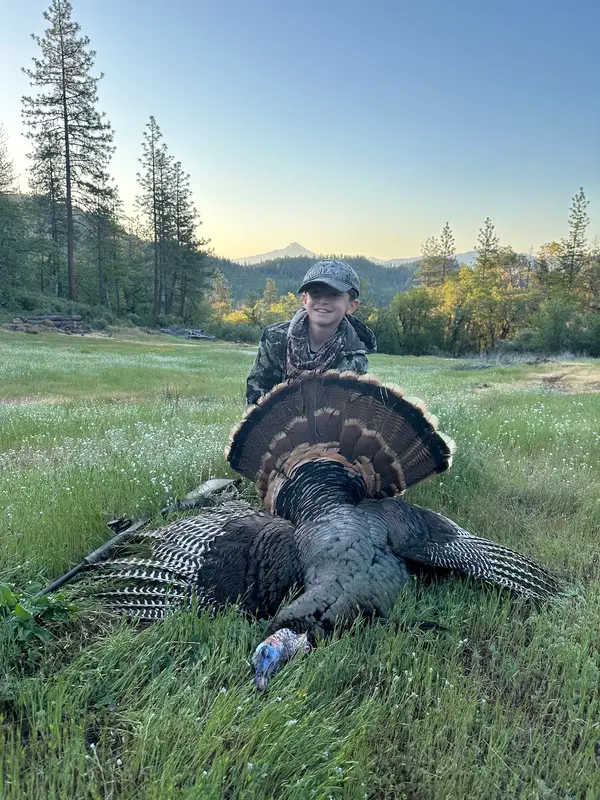
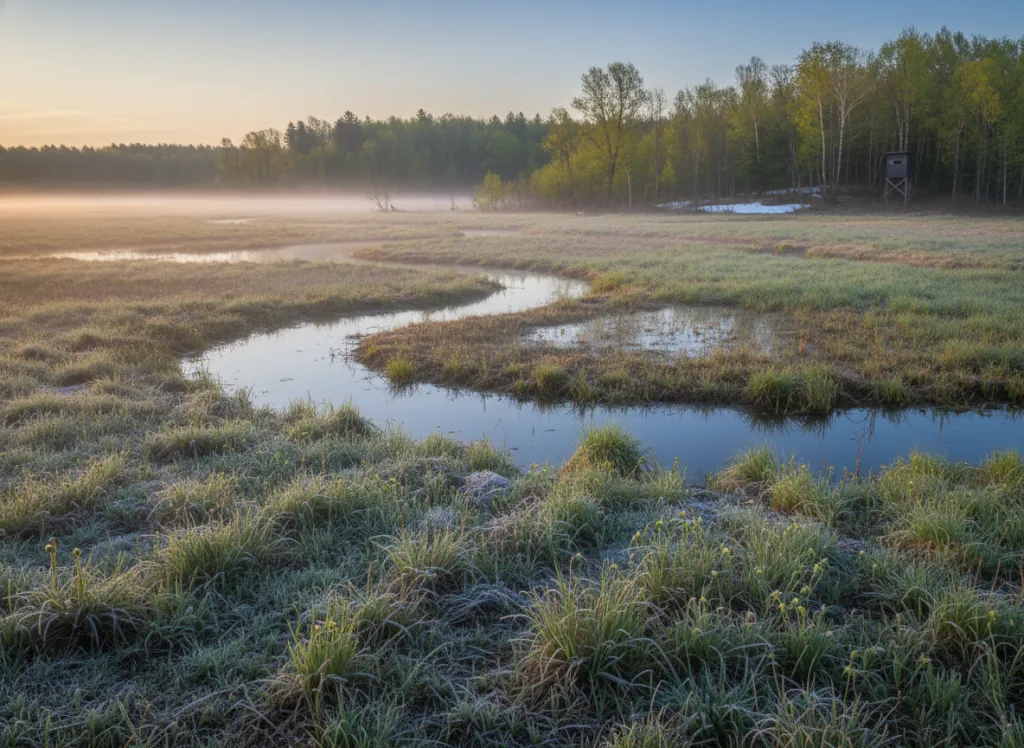
Turkey hunters work the ground clubs have secured, while the rest of the calendar goes to the post-winter chores: habitat work, trail cameras going up, and putting the property back in order.
Summer
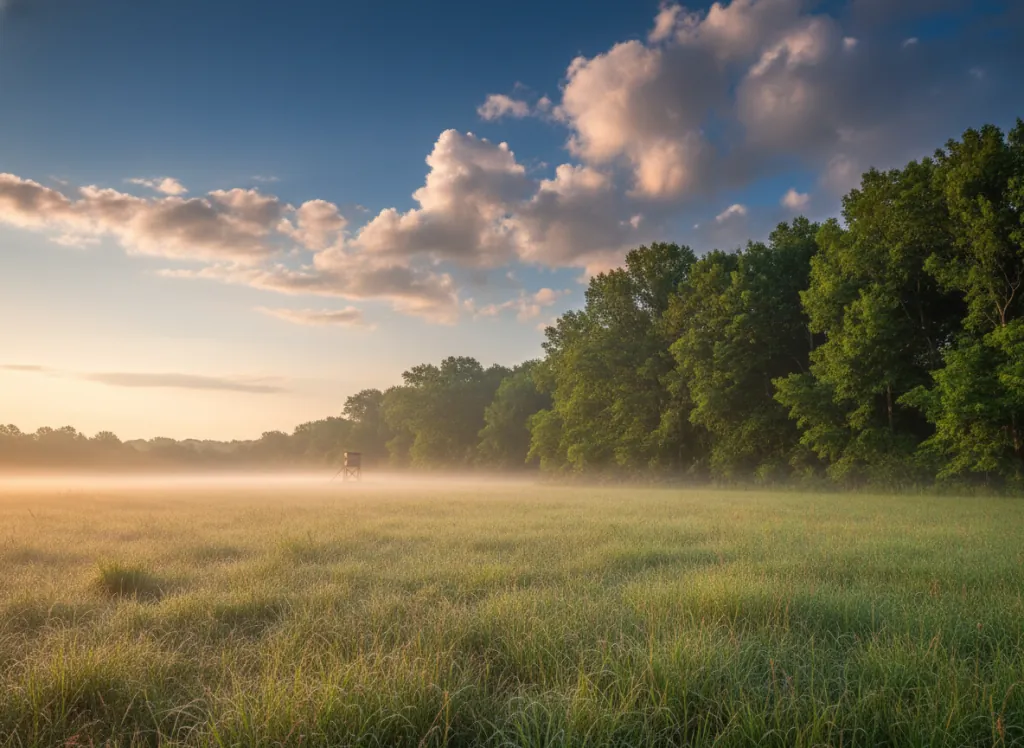
Little hunting, lots of groundwork: scouting, food plots, stand placement, and getting leased ground ready for fall. The quiet season is where good seasons get built.
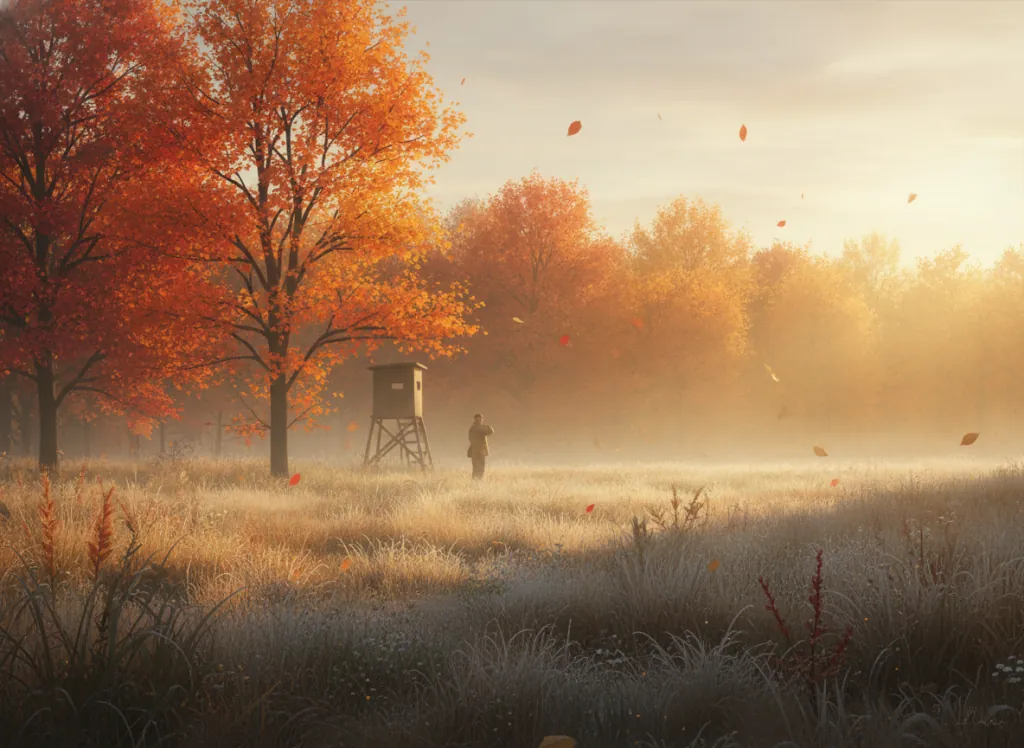
Fall
Deer and elk seasons arrive and everything peaks at once, the busiest stretch of the year for clubs and leaseholders, with tag-holders finally cashing in months of preparation.
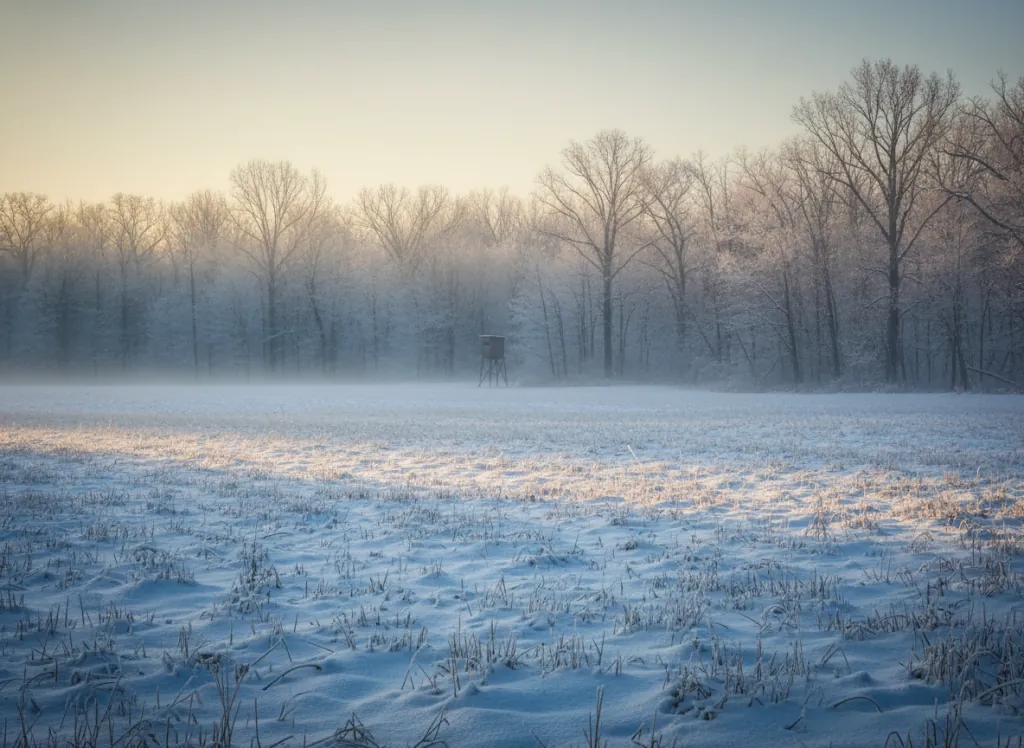
Winter
Late-season waterfowl carries the hunting in the right regions, alongside predator control, a hard look at how the habitat performed, and the first drafts of next year's plan.
Free tools
Your free outdoor toolkit

Everything Map
Listings, trails, spots, clubs and public land on a single full-screen map. Switch layers on and off, then tap any point for the details.
Open Everything MapTrail Explorer
Browse a community map of named trails with distance, difficulty, and where each one starts.
Open Trail ExplorerRoute Planner
Drop stops on a map and watch distance and drive time add up. Export a GPX or share the link.
Open Route PlannerHunting Clubs
Browse local clubs with meeting info and how to join, or start your own for free.
Open Hunting ClubsPhoto ID
Point your camera at whatever you found and get a structured identification. No signup.
Open Photo IDGear Checklists
Printable, save-as-you-go packing lists. Tick items off and pull them up on your phone.
Open Gear Checklists


Keep exploring