Hunting Outfitters · Utah
Hunting Outfitters in Utah
Hunt 29 outfitters across Utah. Maps, hours, contact info, photos, and verified operator profiles, all in one place.
Mighty Five national parks plus the Wasatch and the Uintas.
About Utah
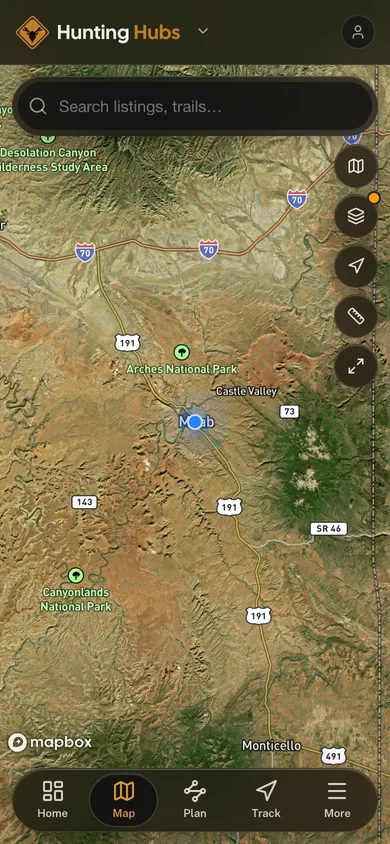
29 on the map
Tap a pin to open its profile.
Quick facts
- Outfitters listed
- 29
- Best season
- April through October
All listings
29 outfitters
across Utah
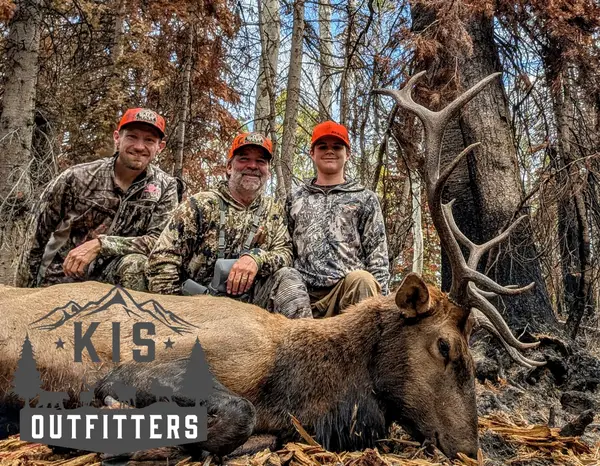
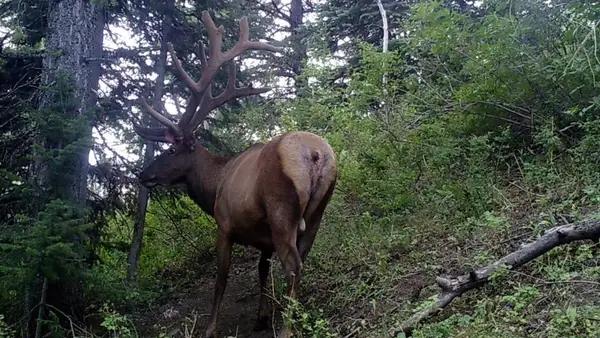
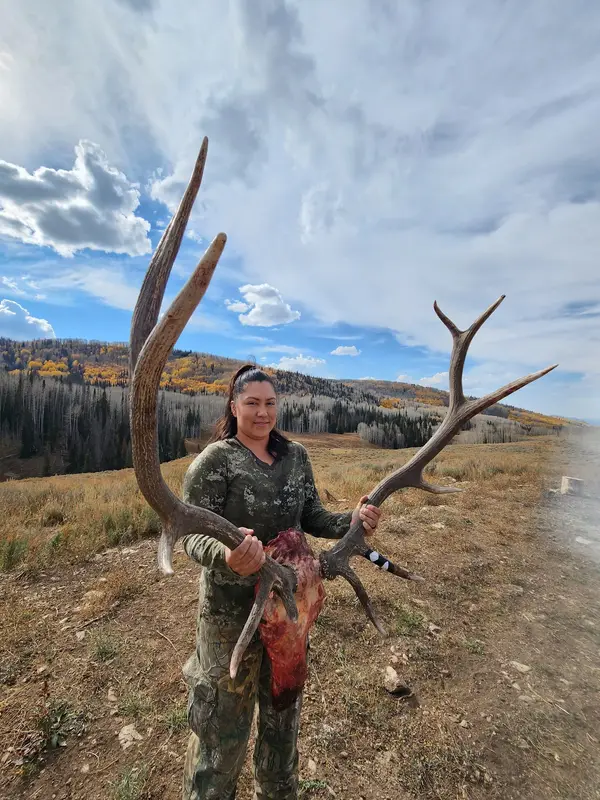
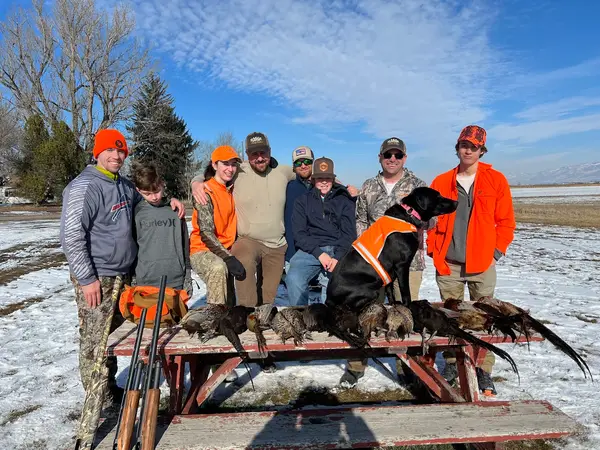

Plan your trip
Plan your trip to Utah
Game Species and Seasons
Utah is renowned for mule deer and elk, with healthy populations of pronghorn, moose, bighorn sheep, and mountain goat available via limited entry draws. Waterfowl, turkey, and upland game birds also offer significant opportunities. Seasons vary by species and unit; consult the Utah DWR for specific dates.
License and Tag Requirements
All hunters, including those on private land, must possess a valid Utah hunting license. Big game species, moose, and bighorn sheep require specific permits or tags, often obtained through a highly competitive draw system. Non-resident licenses and tags are significantly higher in cost.
Public vs. Lease/Club Access
While Utah has vast public lands, hunting on private property requires explicit permission or a lease agreement. Clubs and leases provide exclusive access, often on parcels strategically located near prime habitats. Trespassing on private land without permission is strictly prohibited.
Diverse Terrain Types
Utah's hunting grounds encompass diverse terrains, from high-altitude coniferous forests and aspen groves to expansive sagebrush steppe, juniper woodlands, and desert environments. Clubs often specialize in leases within specific ecological zones to target particular species.
Club Membership Norms
Hunting clubs in Utah typically operate with shared responsibilities for habitat management, property maintenance, and adherence to club rules. Many emphasize conservation, ethical hunting practices, and a communal experience among members, often involving family participation.
Confirm current requirements with the state agency before your trip. Rules and fees change every season.
General Hunting License
All individuals intending to hunt in Utah, whether on public or private land, must first obtain a valid Utah hunting license. This is a foundational requirement before applying for any specific permits or tags.
Big Game Permits and Tags
Hunting big game animals like deer, elk, or pronghorn in Utah requires specific permits or tags, which are allocated through Utah's annual public draw: general-season hunts for most hunters, plus a harder-to-draw limited-entry tier for premium units, with some general-season elk permits sold over the counter. Even on private leased land, hunters must possess the appropriate tag for the unit and species they intend to hunt. Landowner Association (LOA) permits may exist in some units, offering private land access.
Hunter Education Requirement
Anyone born after December 31, 1965, must complete an approved hunter education course to purchase a Utah hunting license. This requirement ensures hunters possess foundational knowledge of safety, ethics, and wildlife conservation.
Private Land Access Permission
Hunting on any private property in Utah necessitates explicit permission from the landowner or leaseholder. Hunters should always carry proof of permission, such as a signed lease agreement or written consent, to avoid trespassing violations.
- 01
1. Complete Hunter Education
If you were born after December 31, 1965, hunter education comes first, Utah won't sell you a hunting license without it. Get the course done before anything else on this list.
- 02
2. Obtain a Utah Hunting License
Buy your general Utah hunting license through the Utah DWR website or an authorized vendor. It covers you on private land as well as public, and it's the ticket you need in hand before applying for any big game permit.
- 03
3. Research Game Units and Draw Odds
Learn the units before you fall in love with a lease. Utah's big game permits run through a highly competitive draw, and a lease in a unit where you can't pull a tag is an expensive place to watch deer. Match your goals to units where the odds work.
- 04
4. Explore Hunting Club and Lease Opportunities
Now shop the ground: which species a club manages for, what the membership costs, what amenities exist, and, critically, which unit the property sits in. Current members will tell you things no listing will; find them and ask.
- 05
5. Understand Private Land Agreements
Read the lease or membership agreement line by line before signing: access terms, guest policies, member responsibilities, hunting rules. The agreement is what governs your seasons for years, make sure it says what you think it says, and that it squares with state regulations.
01Do I need a Utah hunting license to hunt on private leased land?
02What common game species are typically available on Utah hunting leases?
03How do big game tags work if I'm hunting with a club on private land?
04Are hunting clubs in Utah active year-round?
05What is the typical structure or expectation for club members in Utah?
06Can non-residents join Utah hunting clubs or lease land?
When to go
Season by season in Utah
Spring
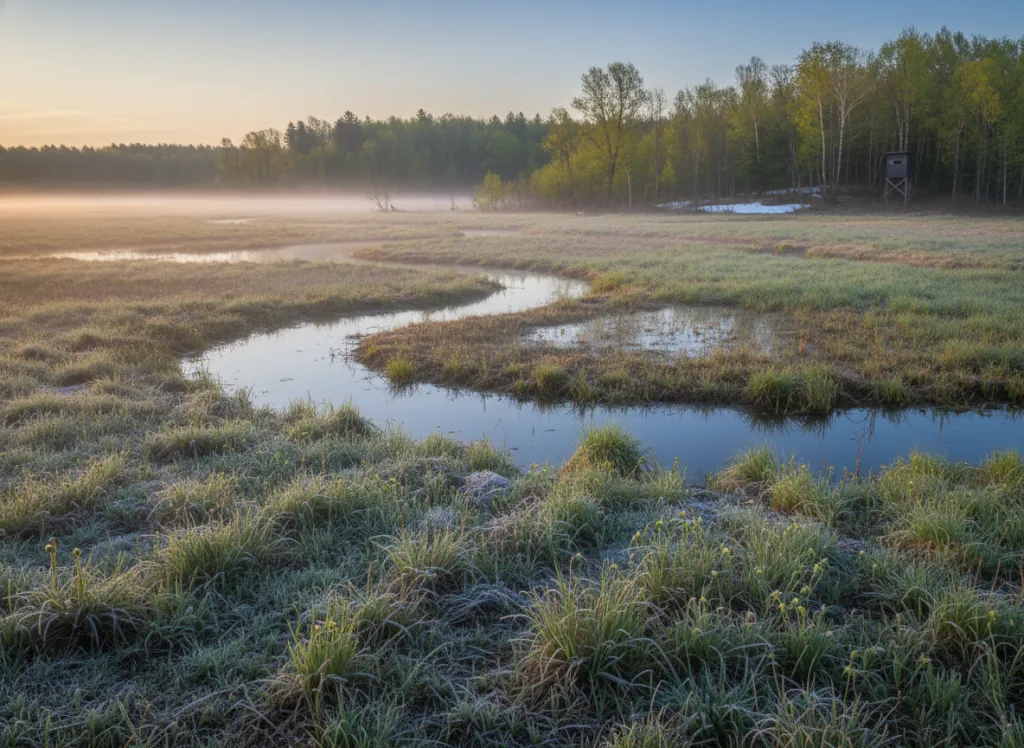
Spring is shed season on Utah leases: members walk the winter range for antlers, pull camera cards, and get food plots and habitat projects moving. Turkey season opens too, the first real hunting of the club year.
Summer
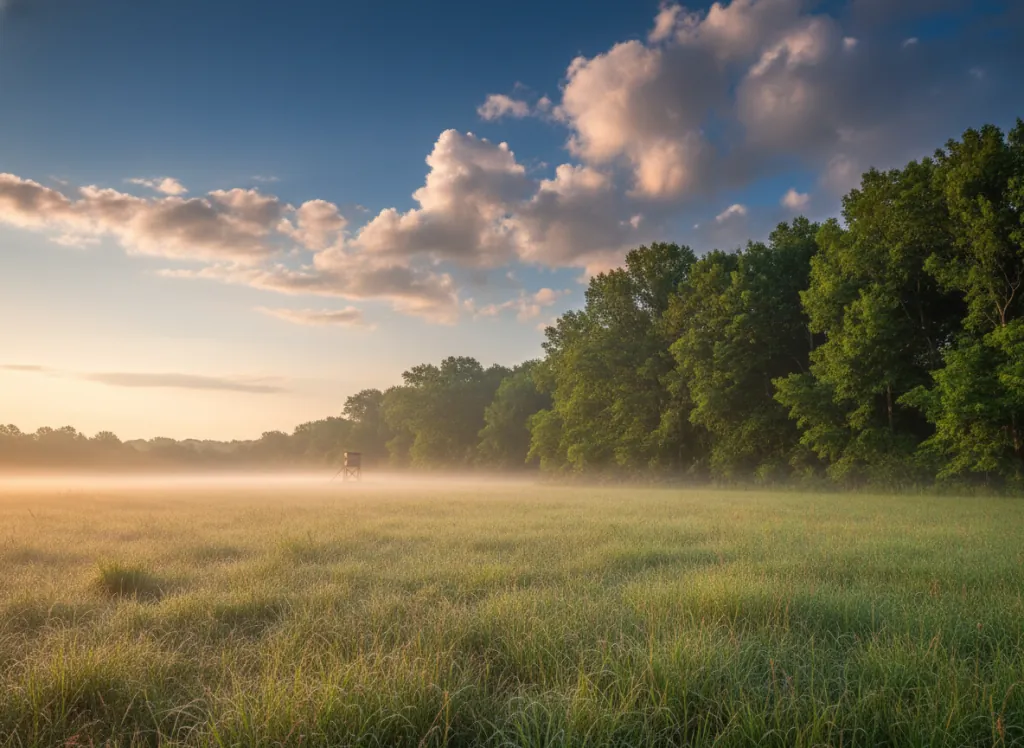
Summer is the working season: trails cleared, blinds repaired, habitat projects finished before the ground firms up. Members spend evenings behind glass, learning where the deer and elk are living before fall makes it matter.
Fall
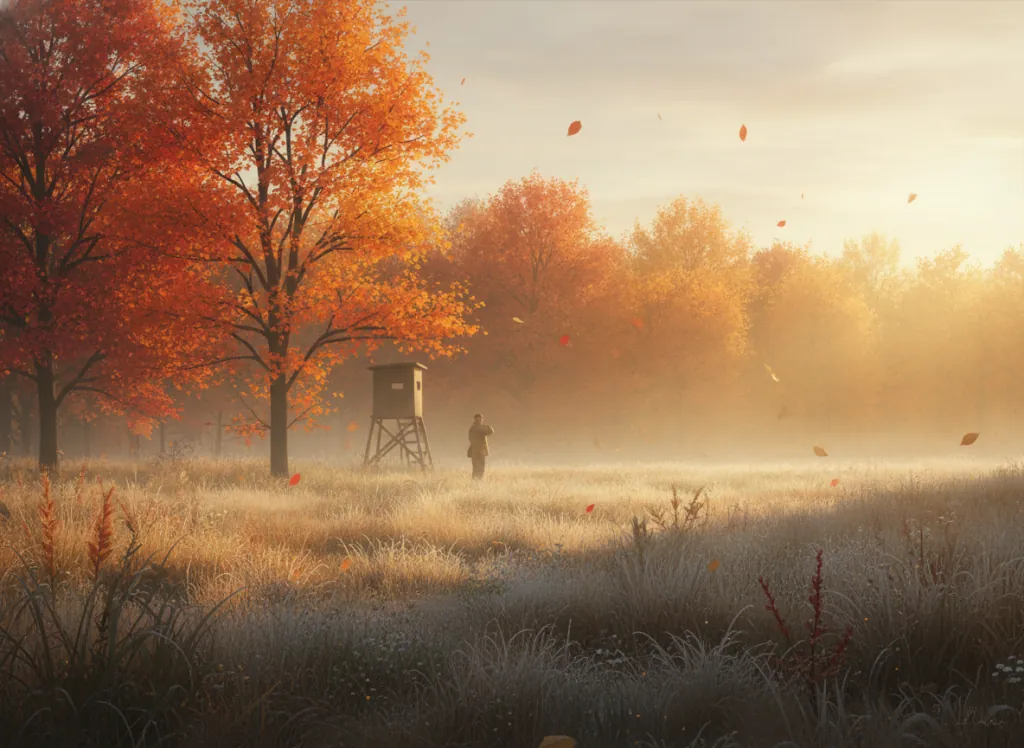
Fall is what the lease exists for. Mule deer, elk, and pronghorn seasons come in, waterfowl opens behind them, and every camp in the state fills up. It is the busiest stretch of the year for Utah clubs, and the one all the summer work was buying.
Winter
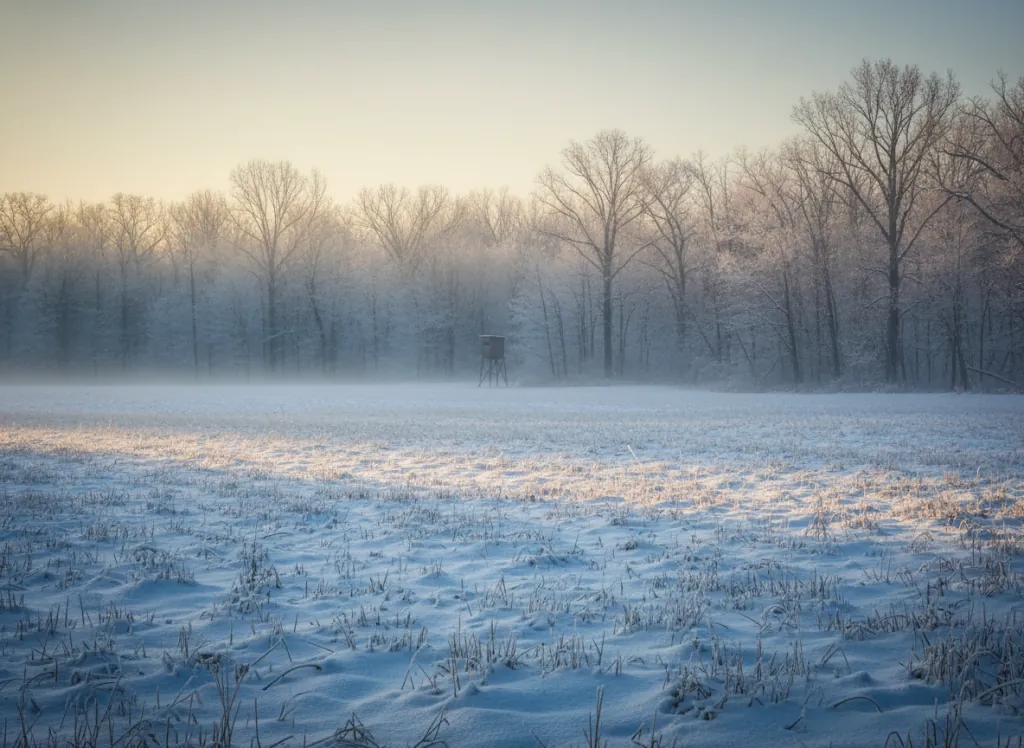
A few late-season hunts linger, but winter is mostly the ledger season: reviewing harvest data, closing out the year, planning the next one. Some clubs run strategic feeding or predator control on their ground while the snow holds.
Free tools
Your free outdoor toolkit

Everything Map
Listings, trails, spots, clubs and public land on a single full-screen map. Switch layers on and off, then tap any point for the details.
Open Everything MapTrail Explorer
Browse a community map of named trails with distance, difficulty, and where each one starts.
Open Trail ExplorerRoute Planner
Drop stops on a map and watch distance and drive time add up. Export a GPX or share the link.
Open Route PlannerHunting Clubs
Browse local clubs with meeting info and how to join, or start your own for free.
Open Hunting ClubsPhoto ID
Point your camera at whatever you found and get a structured identification. No signup.
Open Photo IDGear Checklists
Printable, save-as-you-go packing lists. Tick items off and pull them up on your phone.
Open Gear Checklists


Keep exploring