Hunting Outfitters · Illinois
Hunting Outfitters in Illinois
Hunt 40 outfitters across Illinois. Maps, hours, contact info, photos, and verified operator profiles, all in one place.
Prairie, the Mississippi, and Shawnee hill country in the south.
About Illinois
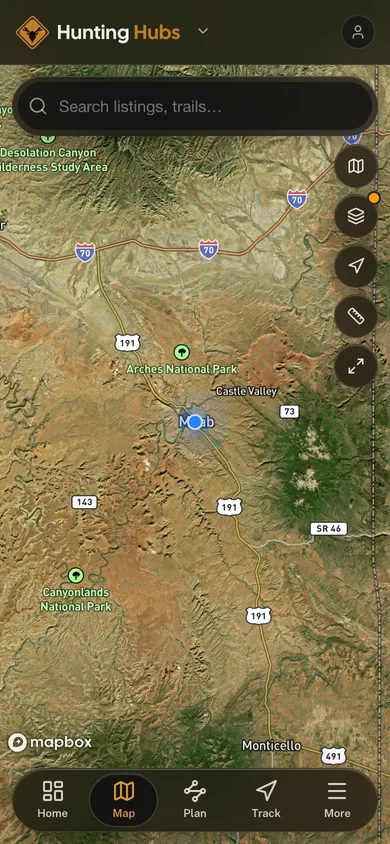
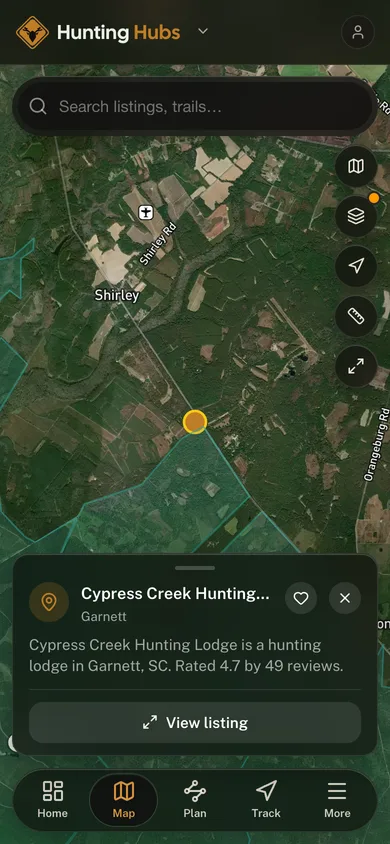
40 on the map
Tap a pin to open its profile.
Quick facts
- Outfitters listed
- 40
- Best season
- April through October
All listings
40 outfitters
across Illinois

Plan your trip
Plan your trip to Illinois
Key Game Species and Seasons
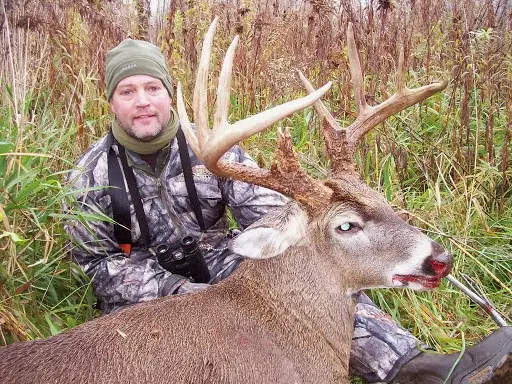
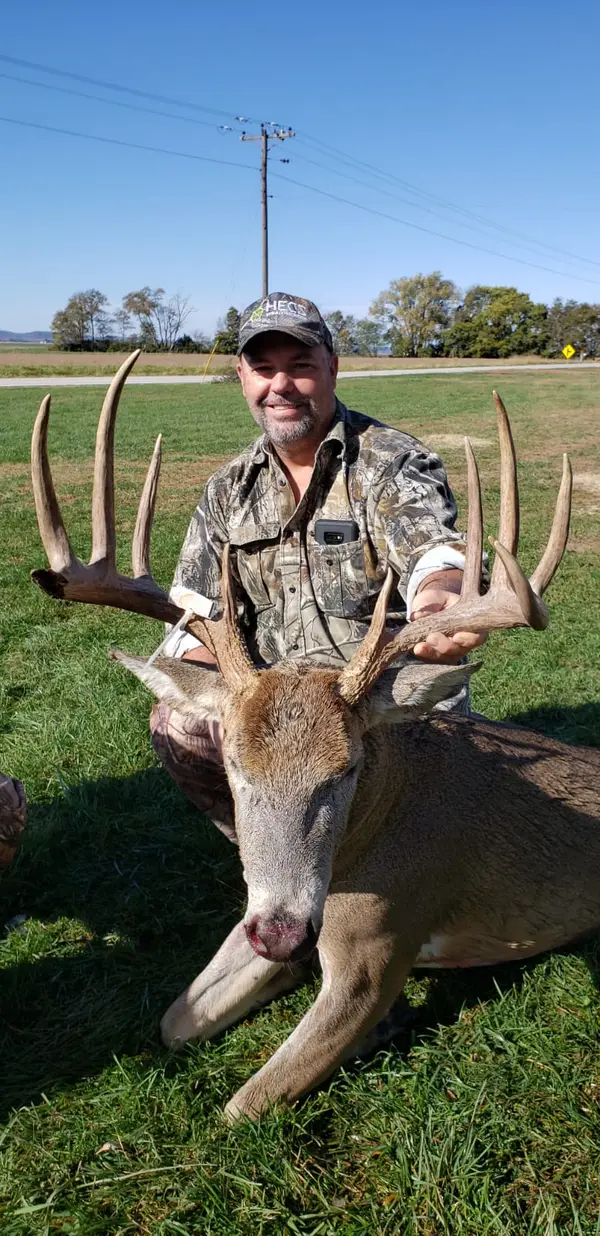
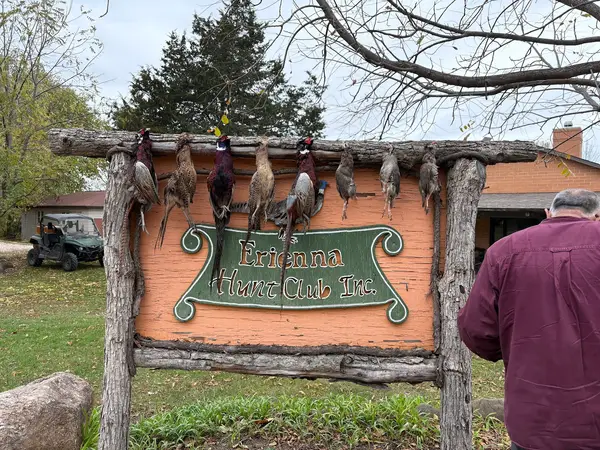
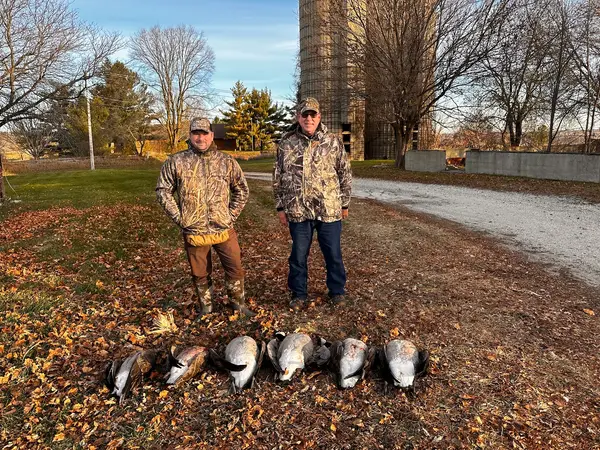
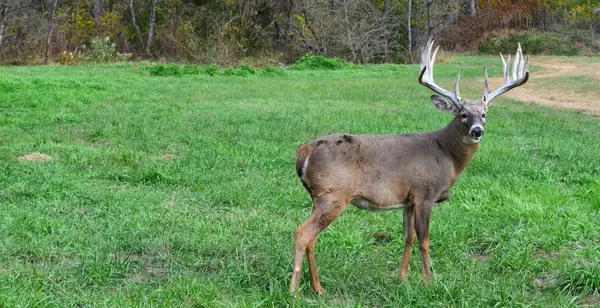
Illinois is renowned for whitetail deer, with archery season running from October through January, and firearm seasons typically in mid-November and early December. Spring wild turkey season occurs in April and May, while fall turkey seasons are shorter. Waterfowl seasons for ducks and geese are split into zones and vary, generally from October through January. Upland game like pheasant, quail, and rabbit seasons typically run from early November through early January.
License and Permit Requirements
All hunters must possess a valid Illinois hunting license. Deer and turkey hunting require specific permits, which can be acquired through a lottery system for firearm deer in some zones or over-the-counter for archery deer and some turkey permits. Non-residents face higher fees and often have more limited permit availability, especially for firearm deer. Verify specific permit requirements and application deadlines with the Illinois Department of Natural Resources (IDNR).
Private vs. Public Land Access
The vast majority of high-quality hunting in Illinois occurs on private land due to extensive agricultural holdings and well-managed timber. Public land opportunities are limited and often experience high pressure. Consequently, joining a hunting club or leasing private ground is the most effective way to secure consistent access to prime hunting habitat and managed game populations.
Diverse Terrain Types
Illinois offers varied terrain. Central and Northern Illinois feature vast agricultural fields (corn, soybeans) interspersed with timbered draws and creek bottoms. Southern Illinois is characterized by more rugged, hilly terrain with extensive hardwood forests (e.g., Shawnee National Forest region). Along the major rivers like the Mississippi and Illinois, expect floodplains, bottomland timber, and managed wetlands crucial for waterfowl.
Hunting Club and Lease Norms
Membership in Illinois hunting clubs or leasing arrangements typically involves annual dues, adherence to specific club rules, and sometimes participation in habitat workdays. Lease agreements define hunting rights, species allowed, guest policies, and harvest limits. It's common for clubs to focus on quality deer management, implementing antler restrictions and strict harvest quotas to improve herd health and trophy potential.
Confirm current requirements with the state agency before your trip. Rules and fees change every season.
Illinois Hunting License
All individuals hunting in Illinois must possess a valid Illinois hunting license, unless exempt by age or specific circumstances (e.g., landowners hunting their own property). Non-residents are also required to purchase a non-resident hunting license. This is the foundational requirement for all hunting activities in the state.
Illinois DNRDeer and Turkey Hunting Permits
In addition to a general hunting license, specific permits are required for hunting deer and wild turkey. Firearm deer permits are often allocated through a lottery system, particularly for non-residents, while archery deer permits are generally available over-the-counter. Spring and fall turkey permits also have specific application periods and availability. Hunters must ensure they possess the correct permit for the species, season, and county they intend to hunt.
Illinois DNRHunter Safety Education
Individuals born on or after January 1, 1980, must possess a valid Hunter Safety Education Certificate or provide evidence of a hunting license issued by Illinois in a prior year. This requirement ensures that hunters understand safe firearm handling, hunting ethics, and wildlife conservation principles. It is a mandatory prerequisite for purchasing an Illinois hunting license for those within the specified age group.
Illinois DNRLandowner Permission for Private Land
Hunting on private property in Illinois requires explicit permission from the landowner. For members of hunting clubs or leaseholders, the club agreement or lease contract serves as proof of this permission. It is illegal to hunt on private land without prior consent, and hunters should always carry documentation of their permission while on leased or club property.
- 01
1. Understand Illinois Hunting Regulations
Start with the current Illinois regulations: licensing, deer and turkey permit requirements, hunter safety mandates. The Illinois Department of Natural Resources (IDNR) website is the source of record; read it before you spend a dollar on access.
- 02
2. Identify Your Preferred Hunting Region and Species
Decide what you're actually hunting: trophy whitetails in Central Illinois, ducks along the rivers, turkeys in the southern hills. That decision does most of the work of narrowing your club and lease search.
- 03
3. Research and Contact Hunting Clubs or Lease Managers
Work through clubs and available leases in your target regions, matching properties to your goals, budget, and the amenities you care about. Then get managers or agents on the phone: availability, terms, and property details rarely survive contact with a listing description.
- 04
4. Review Club Rules and Lease Agreements Thoroughly
Read every rule, bylaw, and lease clause before committing. Harvest limits, guest policies, workday requirements, and management practices are where surprises hide, get them clear on paper first.
- 05
5. Plan Your First Visit and Prepare for the Season
Once access is secured, walk the property. Scout it, learn the terrain, meet the other members if there are any, and have every license and permit in hand well before opening day.
01What species can I typically hunt on a club or lease in Illinois?
02Do I need a special license or permit to hunt on leased land in Illinois?
03What are typical responsibilities or expectations for members of an Illinois hunting club?
04How do firearm deer permits work for non-residents hunting on leased properties in Illinois?
05Can non-residents join Illinois hunting clubs or lease hunting ground?
06What kind of habitat should I expect on an Illinois hunting lease?
When to go
Season by season in Illinois
Spring
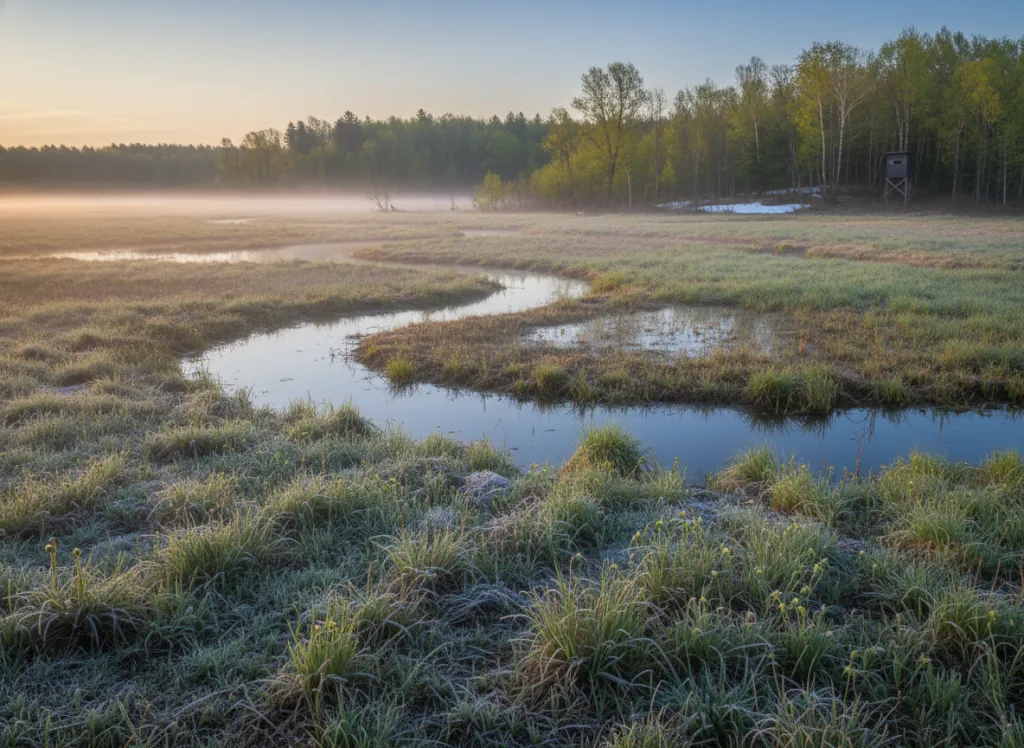
Gobbler season. Clubs and leaseholders chase spring turkeys, then turn to the quieter work: laying out food plots, walking property in the green-up, and reading deer sign while the woods are still open.
Summer
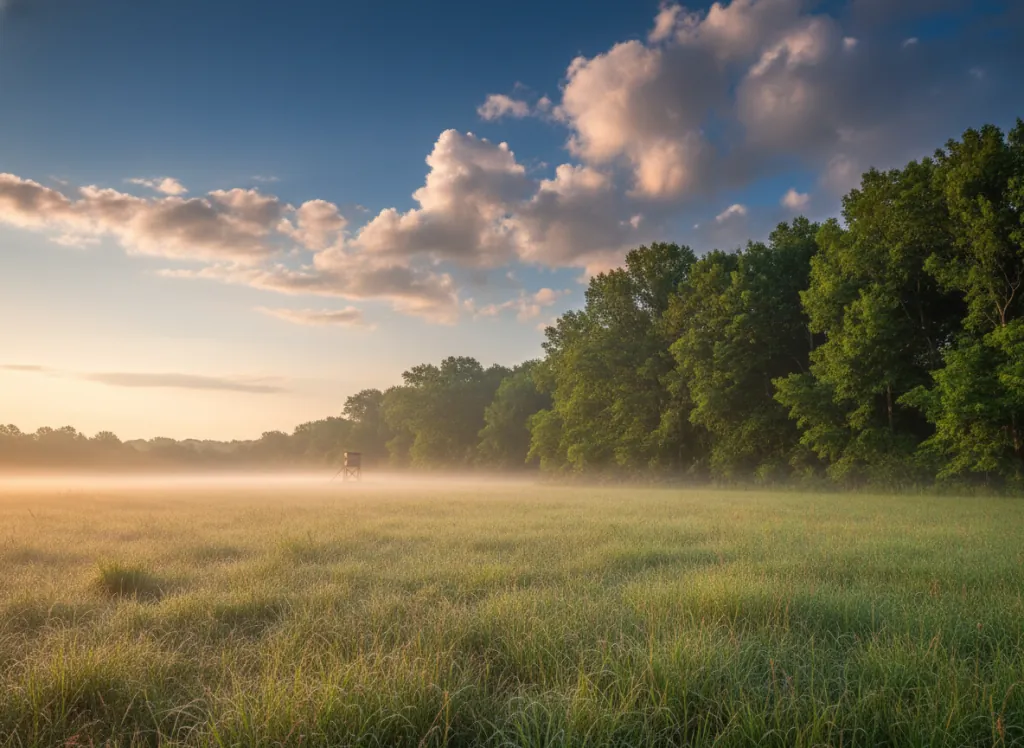
The season nobody brags about but everybody depends on: food plots get tended, cameras go out, and the summer inventory of bucks starts building. Fall is won or lost in July.
Fall
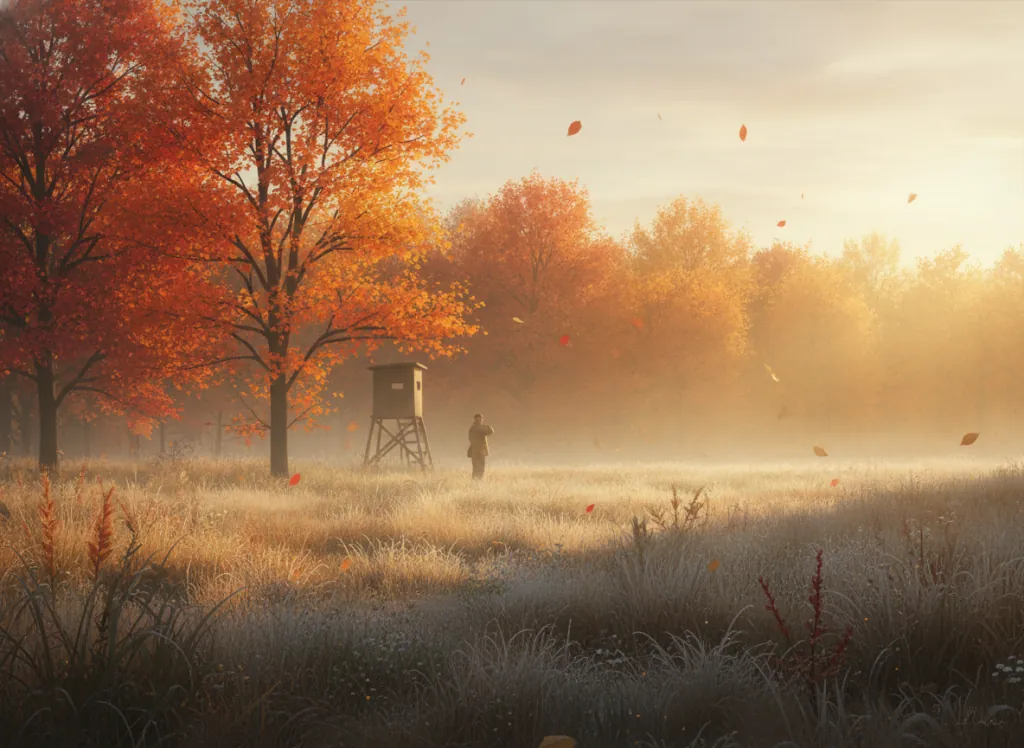
Archery deer opens in October, firearm seasons follow in November and December, and waterfowl gets rolling on top of it. This is the stretch every lease payment was for.
Winter
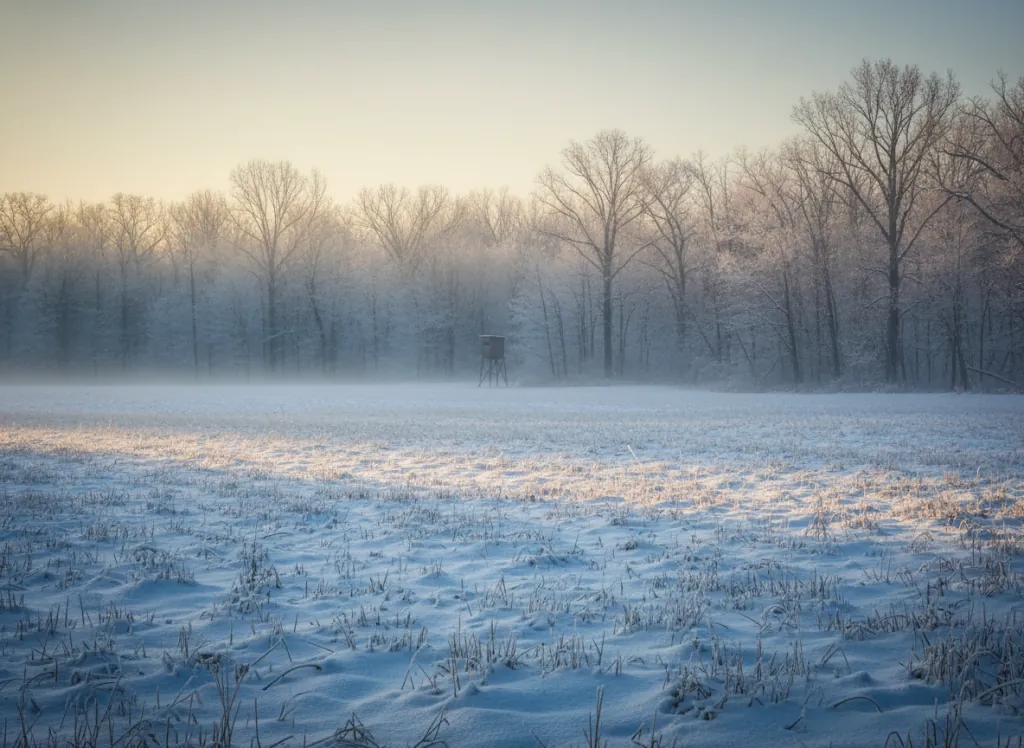
Late-season deer and some upland hunting close out the year. Then clubs take stock: what worked, what didn't, timber stand improvement projects, and the plan for next season's management and memberships.
Free tools
Your free outdoor toolkit

Everything Map
Listings, trails, spots, clubs and public land on a single full-screen map. Switch layers on and off, then tap any point for the details.
Open Everything MapTrail Explorer
Browse a community map of named trails with distance, difficulty, and where each one starts.
Open Trail ExplorerRoute Planner
Drop stops on a map and watch distance and drive time add up. Export a GPX or share the link.
Open Route PlannerHunting Clubs
Browse local clubs with meeting info and how to join, or start your own for free.
Open Hunting ClubsPhoto ID
Point your camera at whatever you found and get a structured identification. No signup.
Open Photo IDGear Checklists
Printable, save-as-you-go packing lists. Tick items off and pull them up on your phone.
Open Gear Checklists


Keep exploring