Hunting Outfitters · Wisconsin
Hunting Outfitters in Wisconsin
Hunt 42 outfitters across Wisconsin. Maps, hours, contact info, photos, and verified operator profiles, all in one place.
Apostle Islands, the Driftless, and 15,000 lakes.
Updated
Highest rated
Hunting Outfitters in Wisconsin by Google rating
Ranked by Google rating, then by number of reviews, across the 28 of 42 outfitters in Wisconsin with 10 or more Google reviews. A blank cell means we do not have that detail yet.
| Outfitter | City | Hunts | Rating |
|---|---|---|---|
| Cedar Valley Preserve | Spring Green | Upland Birds, Wild Turkey | 5.085 Google reviews |
| Wild Rivers Whitetails Hunting | Armstrong Creek | Whitetail Deer, Big Game (Elk / Moose / Bear) | 5.056 Google reviews |
| Spruce River Guide Service | Superior | Big Game (Elk / Moose / Bear), Predator | 5.028 Google reviews |
| Oasis Game Farm | New Glarus | 5.022 Google reviews | |
| Fox Ridge Game Farm | Oconto Falls | Upland Birds | 5.021 Google reviews |
| Heritage Hunt Club | Laona | 5.013 Google reviews | |
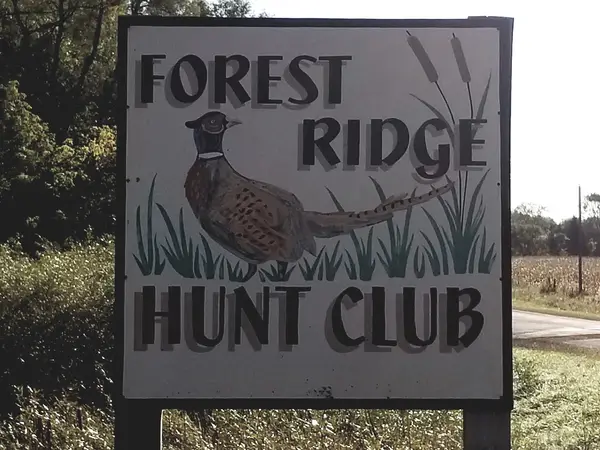
| Forest Ridge Hunt Club | Glenwood City | 5.011 Google reviews | |
| North Oak Hunt Club | Shiocton | Upland Birds | 5.010 Google reviews |
All listings
42 outfitters in Wisconsin
Top camping
Most-booked campgrounds in Wisconsin
Federal campgrounds in Wisconsin that Recreation.gov lists for hunting, ranked by how many times they were booked in fiscal 2025.
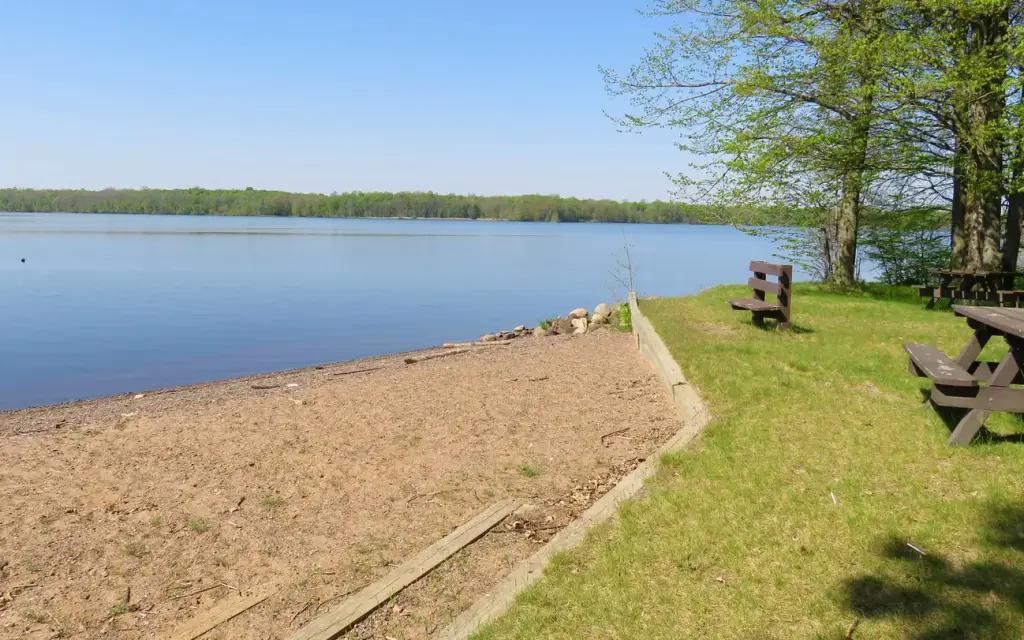
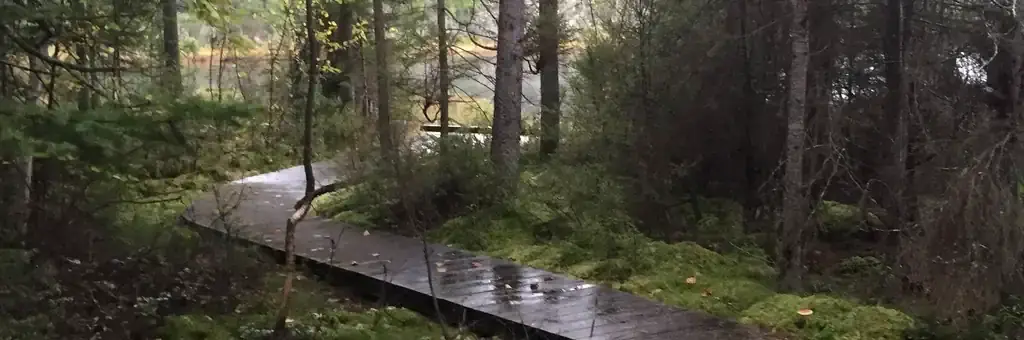
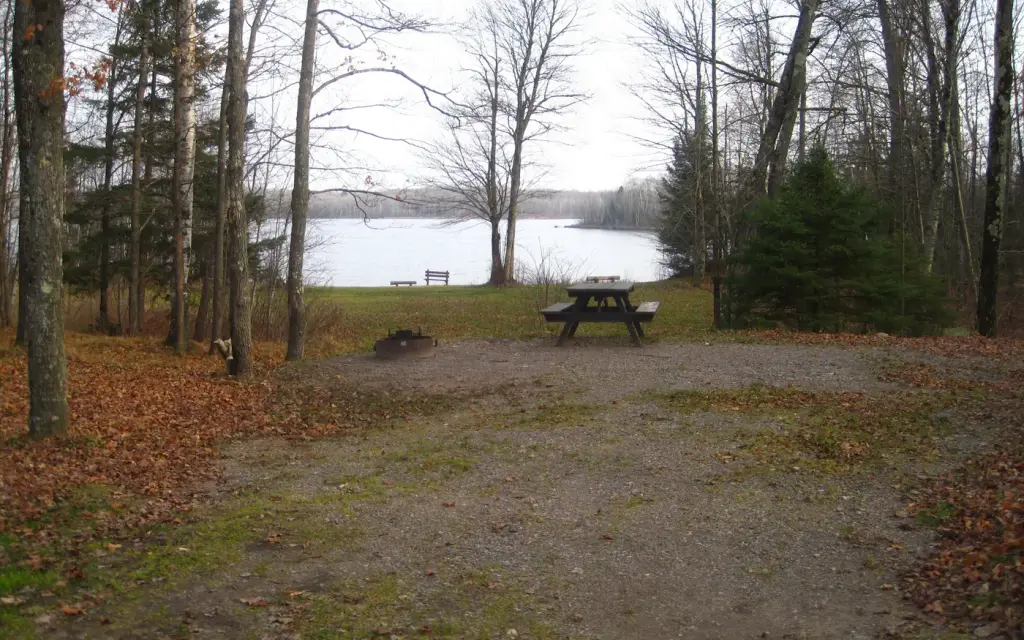
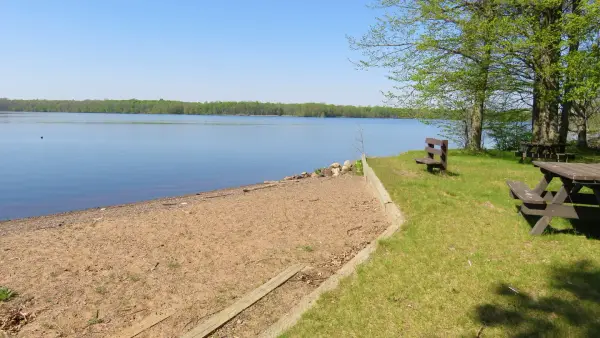
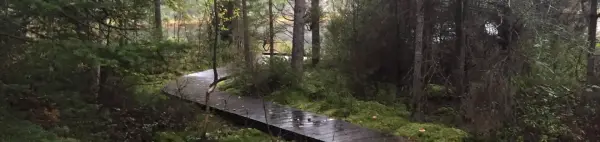
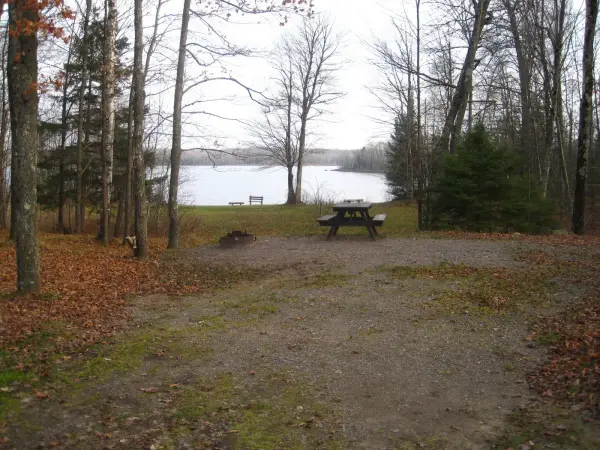
Bookings: Recreation.gov, fiscal 2025 (Oct 2024 to Sep 2025).
On the map
Outfitters in Wisconsin
Everything we have mapped in Wisconsin, on one map. Tap anything for its details.
Loads the full map of Wisconsin. We leave it off by default so the page opens fast on mobile data.
About Wisconsin
Quick facts
- Outfitters listed
- 42
- Best season
- May through October
Trip guide
Know before you go in Wisconsin
Confirm current requirements with the agency that sets them before your trip. Rules and fees change every season.
Wisconsin Hunting License
All individuals hunting in Wisconsin must possess a valid hunting license. Non-residents have specific license categories. Verify the correct license type based on your residency and hunting plans.
Hunter Education Requirement
Anyone born on or after January 1, 1973, must complete a hunter education course to purchase a hunting license in Wisconsin, unless hunting under the Mentored Hunting Program.
Deer Carcass Movement Rules
Strict regulations are in place regarding the movement of deer carcasses, especially concerning Chronic Wasting Disease (CWD) zones. Hunters must be aware of and comply with rules for transporting deer harvested in CWD-affected areas.
Wisconsin DNRBear Harvest Authorizations
Black bear hunting in Wisconsin requires a specific bear harvest authorization, which is issued through a preference point lottery system. Applying for and obtaining this authorization is a multi-year process for many hunters.
01What are the primary game animals targeted by hunting clubs and leases in Wisconsin?
02Do I need a special license to hunt on leased land or with a club?
03How do hunting clubs and leases typically manage their properties for game?
04Are there opportunities for non-residents to join hunting clubs or lease land in Wisconsin?
05What is the typical duration of a hunting lease in Wisconsin?
06What kind of commitment is usually expected from members of a hunting club?
When to go
Season by season in Wisconsin
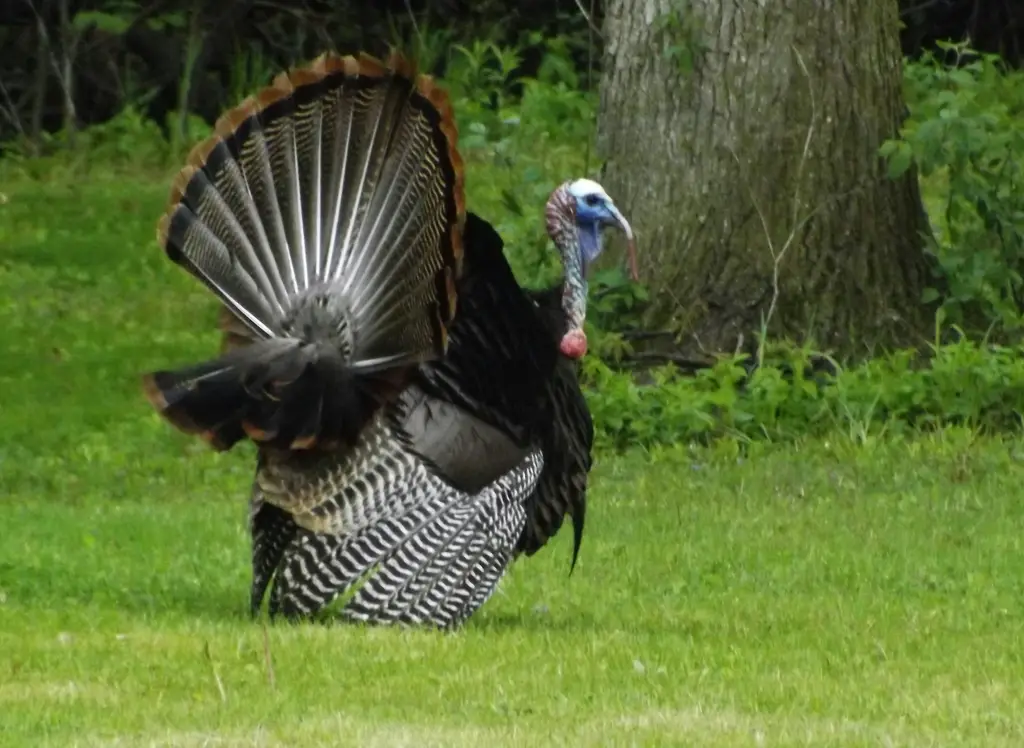
Spring (April-May)
Turkey season. Clubs that have kept their food plots and roost timber in shape get paid back now, members work gobblers on ground they know, without company.
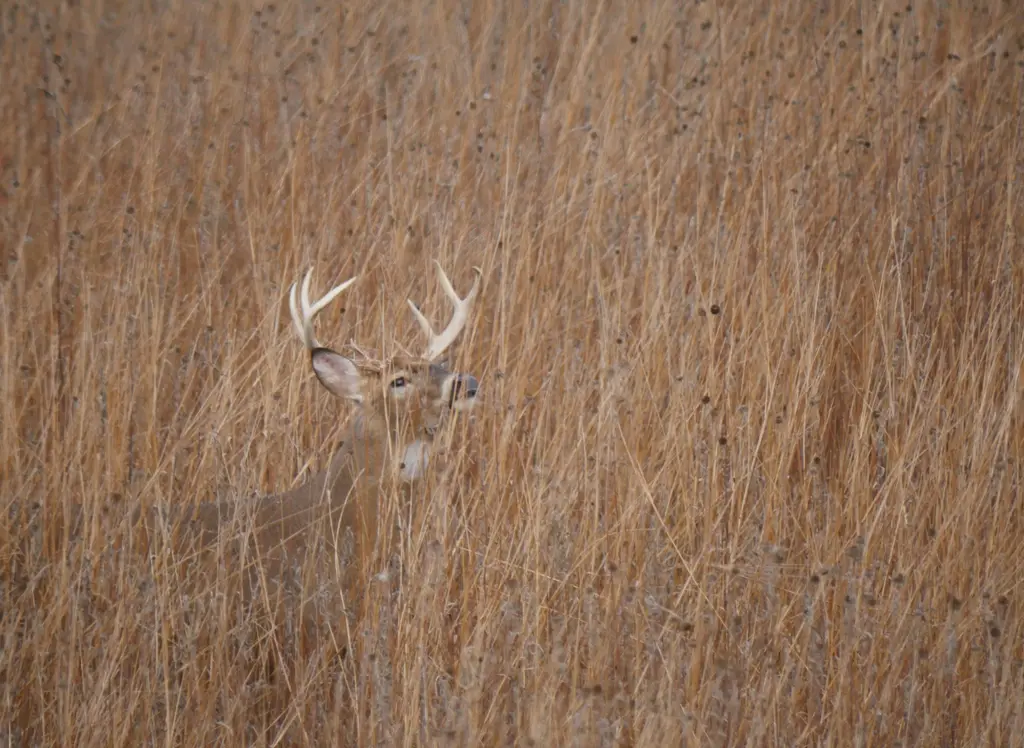
Summer (June-August)
Work season. Food plots go in, trails get cleared, trail cameras start telling you which bucks made it through winter. The fall hunt is largely won or lost in these months.
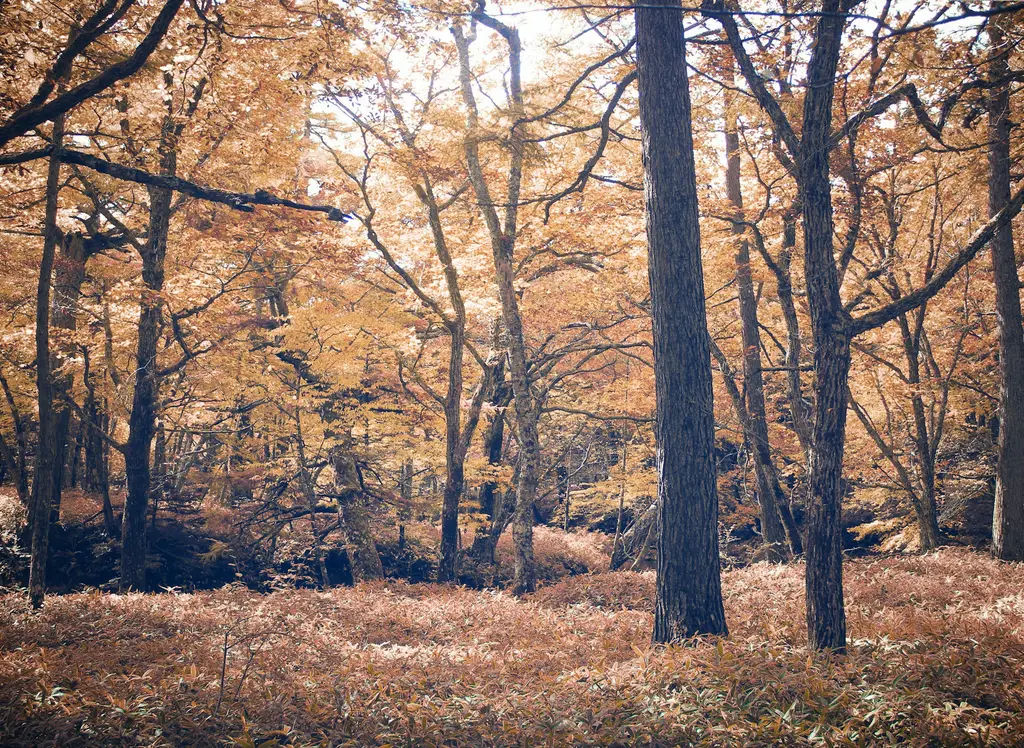
Fall (September-January)
The main event: whitetails through archery, the rut, and the firearm season, plus waterfowl and upland birds. Established blinds and stands mean you hunt spots that have produced before, and nobody else is sitting in them.
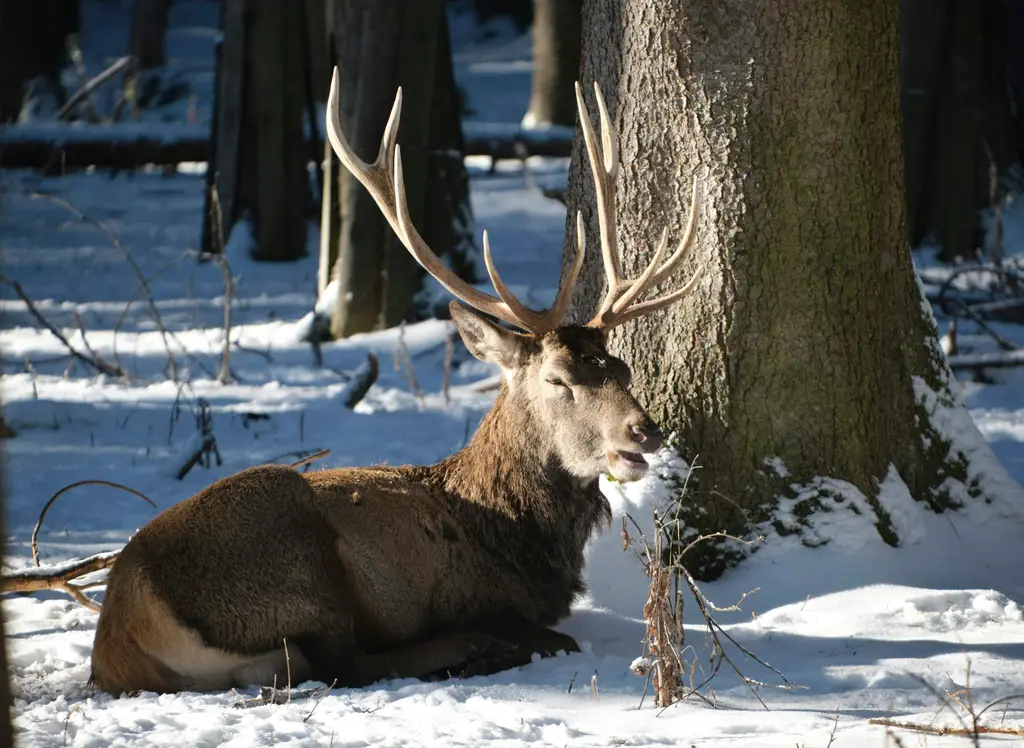
Winter (February-March)
Pull stands, fix what broke, walk the property while the sign is still readable, and plan next year. Some late small-game hunting may be open depending on the regulations.
Watch & learn
Watch & learn, Wisconsin
2022 Wisconsin Gun Deer Season Opener on Public Land | Wisconsin Public Land Deer Hunting
Red Bearded Predators
0GIANT BUCK DOWN! Wisconsin Public Land
DIY Sportsman
0Wisconsin Public Land Bow Hunting - Self Filmed Lighted Nock Shot on Buck
Burnin Eights
0
Free tools
Your free outdoor toolkit

Keep exploring