Hunting Outfitters · Kentucky
Hunting Outfitters in Kentucky
Hunt 38 outfitters across Kentucky. Maps, hours, contact info, photos, and verified operator profiles, all in one place.
Cave country, the Cumberland Plateau, and the longest cave system on Earth.
About Kentucky
38 on the map
Tap a pin to open its profile.
Quick facts
- Outfitters listed
- 38
- Best season
- April through November
All listings
38 outfitters
across Kentucky



Plan your trip
Plan your trip to Kentucky
Primary Game & Seasons
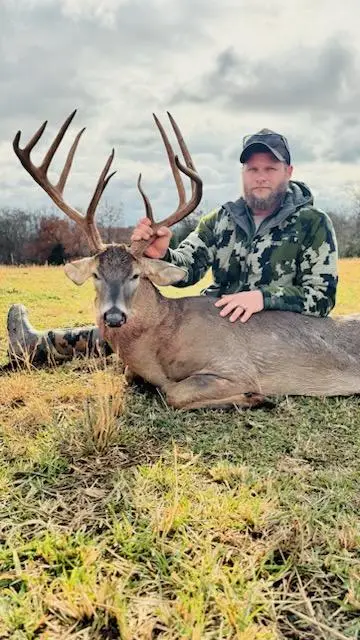
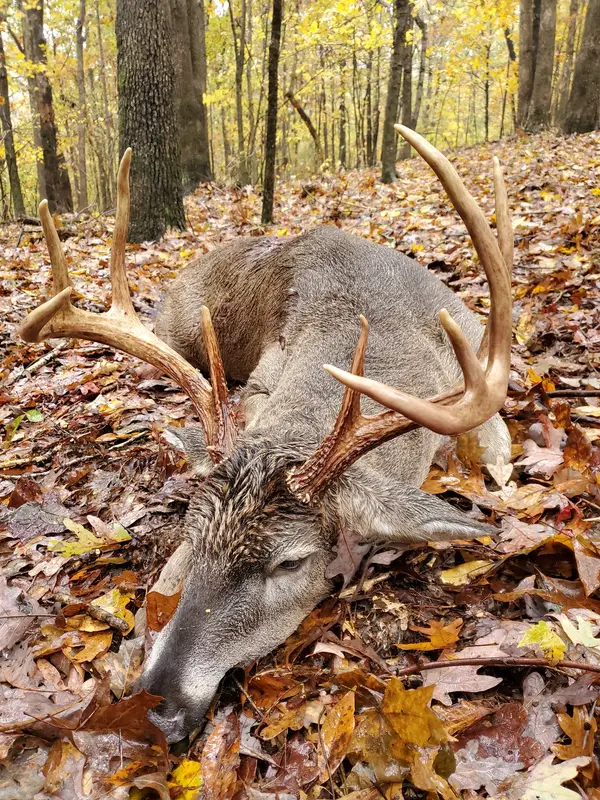
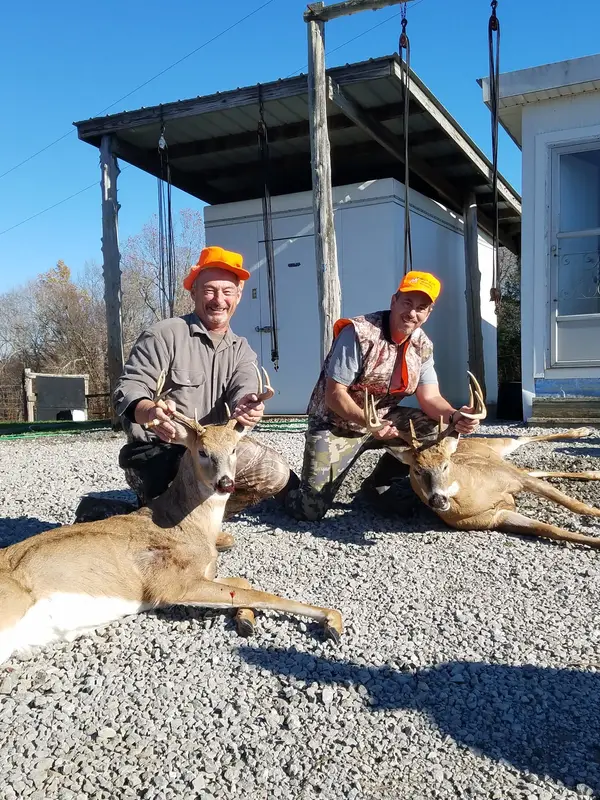
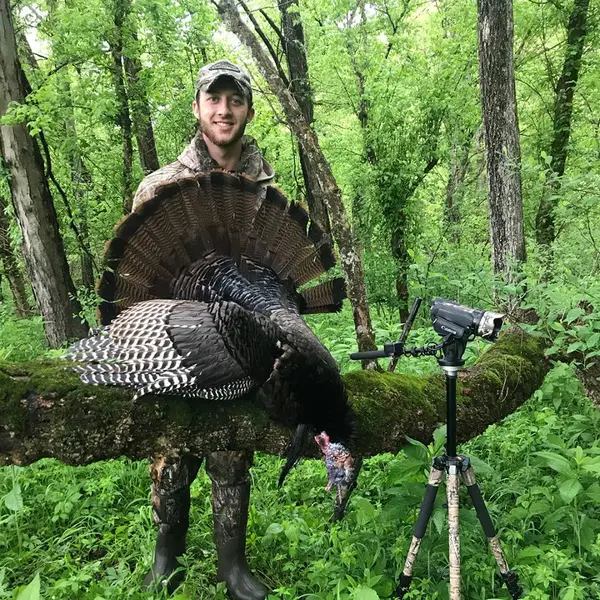
Whitetail deer and wild turkey are Kentucky's main draws, with generous archery, crossbow, muzzleloader, and modern firearm seasons. Waterfowl, small game (rabbit, squirrel), and furbearers also offer opportunities, varying by region and specific lease.
Licensing & Tags
All hunters require a valid Kentucky hunting license. Deer and turkey hunting also necessitate species-specific permits, which can be purchased online or from vendors. Verify specific permit requirements for each species and weapon type.
Private Land Access
The majority of quality hunting in Kentucky occurs on private land. Hunting clubs and leases provide the necessary exclusive access, ensuring dedicated hunting grounds without public competition.
Diverse Terrain
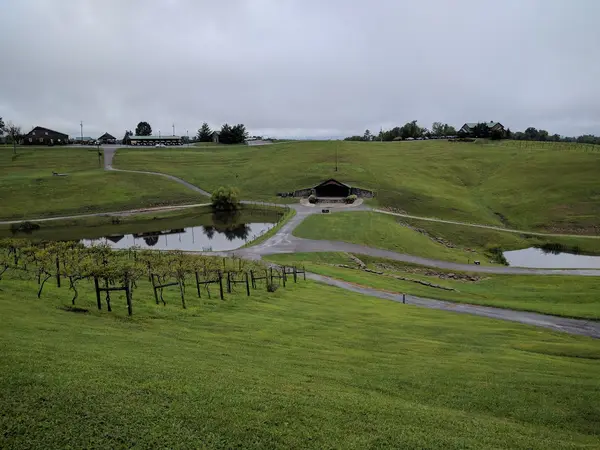
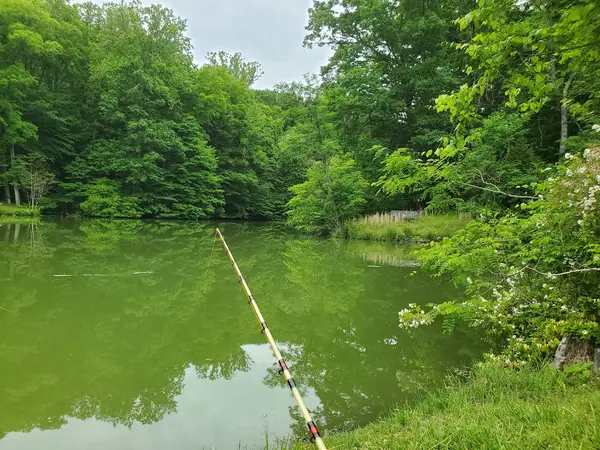
Hunters will encounter a range of landscapes, including dense Appalachian hardwood forests, rolling Bluegrass Region hills with mixed timber and fields, and expansive agricultural areas with river bottomlands in Western Kentucky.
Club Membership Dynamics
Hunting clubs often involve a shared commitment to land management, including food plot planting, stand maintenance, and adherence to club-specific rules. Prospective members should understand the club's bylaws and expectations.
Hunter Education
Kentucky mandates a hunter education course for anyone born on or after January 1, 1975, before hunting in the state, with some specific exemptions. Online and in-person courses are available.
Confirm current requirements with the state agency before your trip. Rules and fees change every season.
Kentucky Hunting License
All individuals hunting in Kentucky must possess a valid Kentucky hunting license. This license is required regardless of whether you are hunting on public land, private land with permission, or as part of a hunting club or lease agreement.
Deer and Turkey Permits
In addition to a general hunting license, hunters pursuing deer or turkey must purchase specific permits for each species. These permits dictate bag limits and allow harvest reporting, which is mandatory for successful hunts.
Hunter Education Certification
Any person born on or after January 1, 1975, must successfully complete a Kentucky Department of Fish and Wildlife Resources (KDFWR) approved hunter education course before hunting in Kentucky. This ensures basic safety and ethical hunting practices.
Private Land Permission
When hunting on any private property, including leased land or through a hunting club, hunters must have explicit permission from the landowner or leaseholder. While not a state-issued regulation, it is a fundamental legal requirement for private land hunting.
- 01
Review Kentucky's Hunting Regulations
Start with the Kentucky Department of Fish and Wildlife Resources (KDFWR) hunting guides: current seasons, bag limits, and license requirements for your target species. Know the rules before you shop for ground.
- 02
Define Your Hunting Goals and Preferred Region
Decide what you're hunting and where in Kentucky that hunt actually lives, big remote timber in the east, crop-and-cover ground in the west. Match the region to your style before you look at listings.
- 03
Research Available Clubs and Leases
Use platforms like Hunting Hubs to work through club memberships and leased properties against your criteria (acreage, amenities, price), and build a short list worth pursuing.
- 04
Conduct Due Diligence and Property Visits
Vet before you commit. Walk the property if you can, judge the habitat and access with your own eyes, and talk terms with existing members or the landowner. A property that won't stand up to a visit won't stand up to a season.
- 05
Secure Necessary Licenses and Permits
Once the plan is set, buy your Kentucky license and species permits online or from a vendor, well before the hunt, not the night before. Nothing sours a new lease like a paperwork problem on opening morning.
01What are the primary game animals available through hunting clubs and leases in Kentucky?
02Do I need a special license for hunting on leased land or with a club?
03Are there specific hunter education requirements in Kentucky?
04What kind of terrain can I expect on a Kentucky hunting lease?
05How do hunting club memberships typically work in Kentucky?
06What is the best time of year to secure a hunting club membership or lease in Kentucky?
When to go
Season by season in Kentucky
Spring
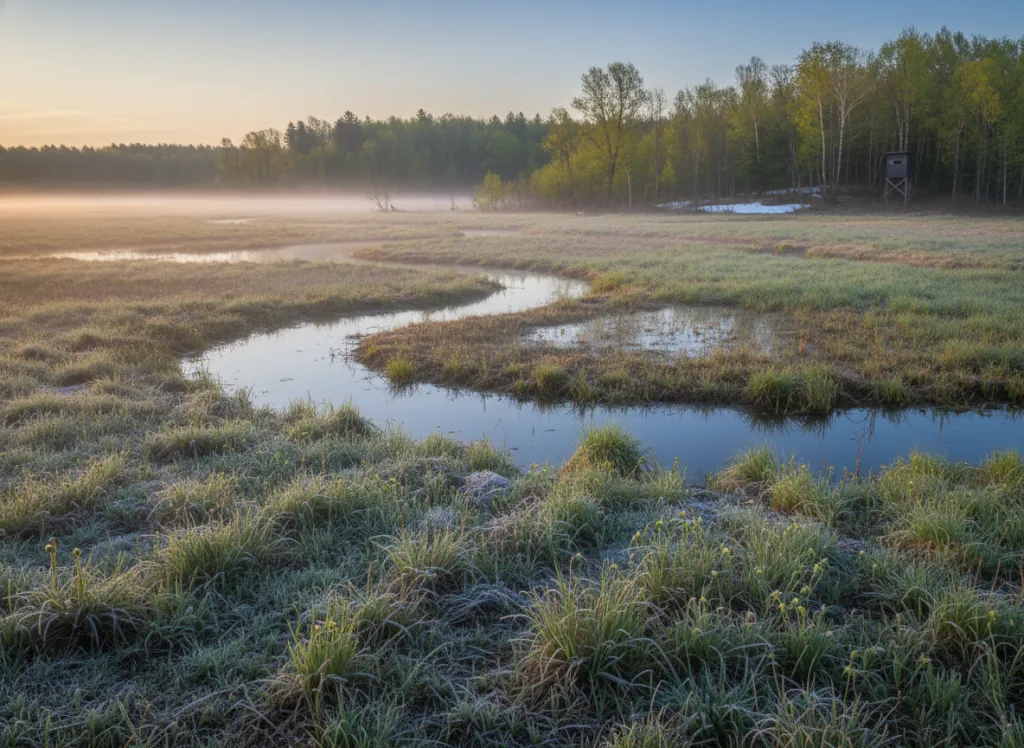
Turkey season takes over, with clubs and leaseholders scouting birds and setting blinds. It's also the best window for post-season deer work, travel corridors and bedding areas are easy to read before the foliage closes in.
Summer
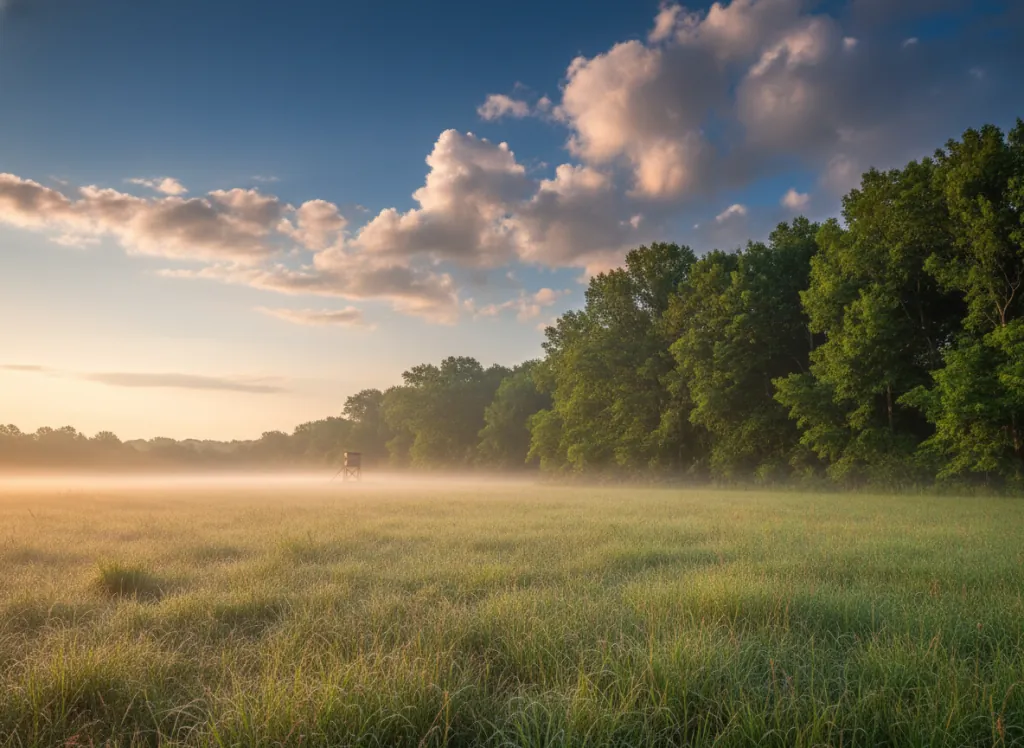
Land management season on leased ground: food plots go in, trails get cleared, and trail cameras start building the roster of deer and turkeys the property is holding. The fall hunt gets made now.
Fall
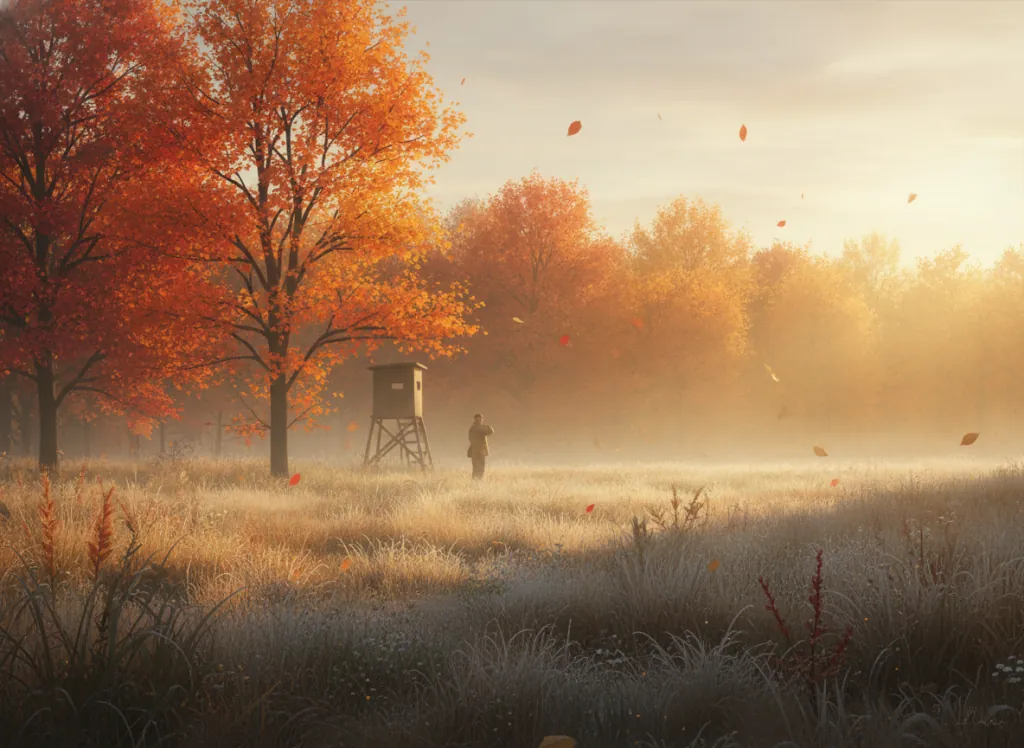
Deer and turkey seasons hit their peak. Clubs and lease groups hunt hard, hold to their harvest goals, and get the payoff for a year of quiet work, this is the stretch the whole arrangement exists for.
Winter
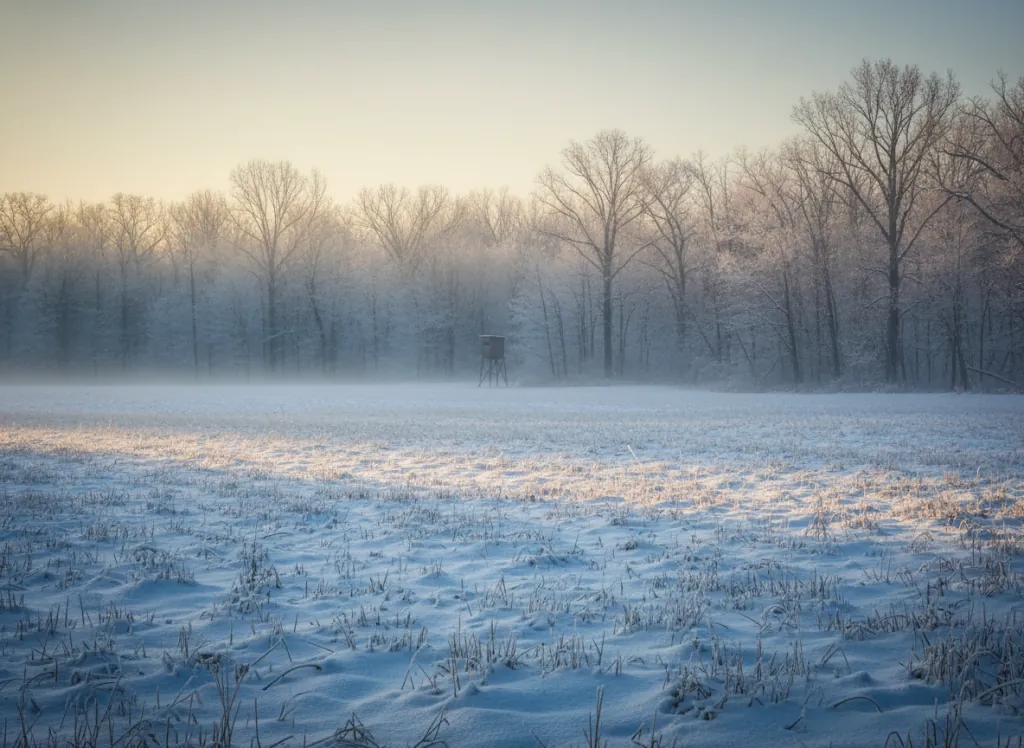
Late deer seasons run into the cold for those willing to sit through it. Afterward comes shed hunting, an honest look at how the habitat held up, and the annual question: renew the lease, or go find better ground.
Free tools
Your free outdoor toolkit

Everything Map
Listings, trails, spots, clubs and public land on a single full-screen map. Switch layers on and off, then tap any point for the details.
Open Everything MapTrail Explorer
Browse a community map of named trails with distance, difficulty, and where each one starts.
Open Trail ExplorerRoute Planner
Drop stops on a map and watch distance and drive time add up. Export a GPX or share the link.
Open Route PlannerHunting Clubs
Browse local clubs with meeting info and how to join, or start your own for free.
Open Hunting ClubsPhoto ID
Point your camera at whatever you found and get a structured identification. No signup.
Open Photo IDGear Checklists
Printable, save-as-you-go packing lists. Tick items off and pull them up on your phone.
Open Gear Checklists


Keep exploring