Hunting Outfitters · Michigan
Hunting Outfitters in Michigan
Hunt 38 outfitters across Michigan. Maps, hours, contact info, photos, and verified operator profiles, all in one place.
Great Lakes shoreline longer than any state, plus the Upper Peninsula wilderness.
About Michigan
38 on the map
Tap a pin to open its profile.
Quick facts
- Outfitters listed
- 38
- Best season
- May through October
All listings
38 outfitters
across Michigan
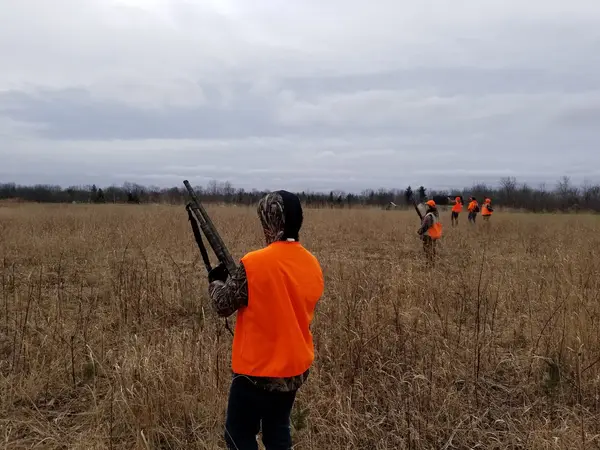
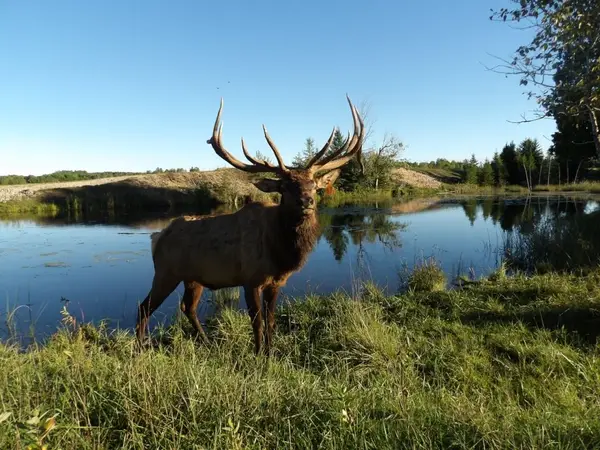
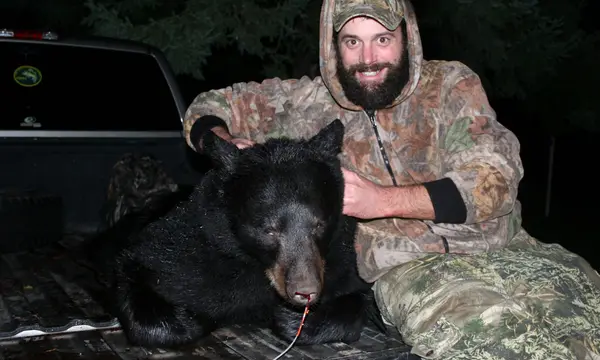

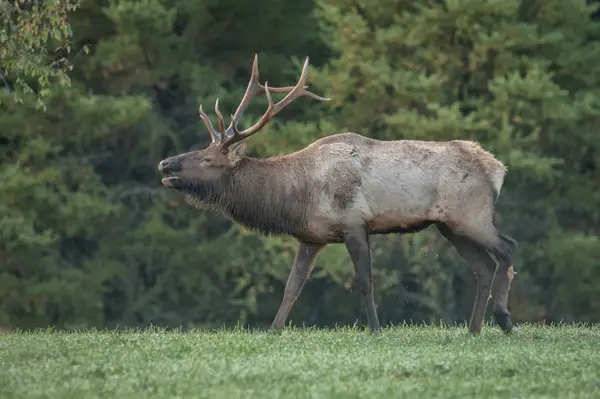
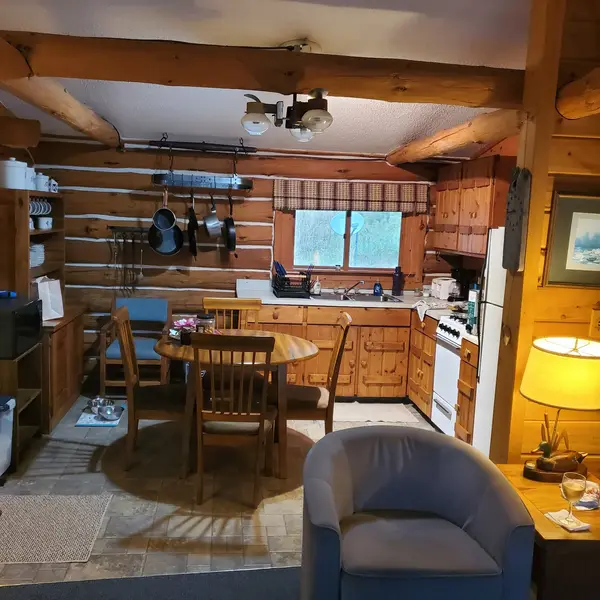
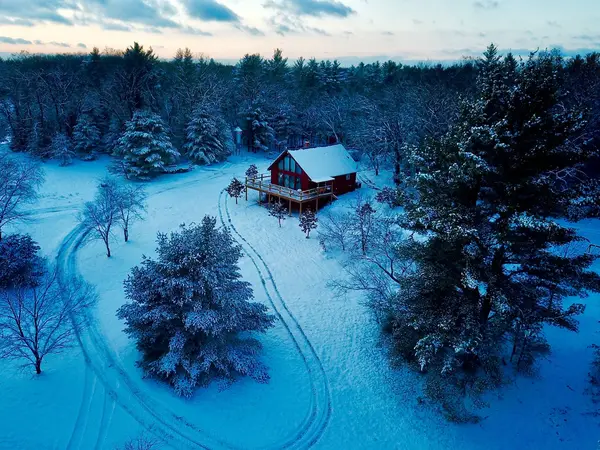
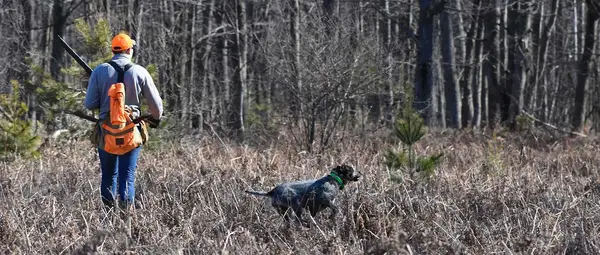
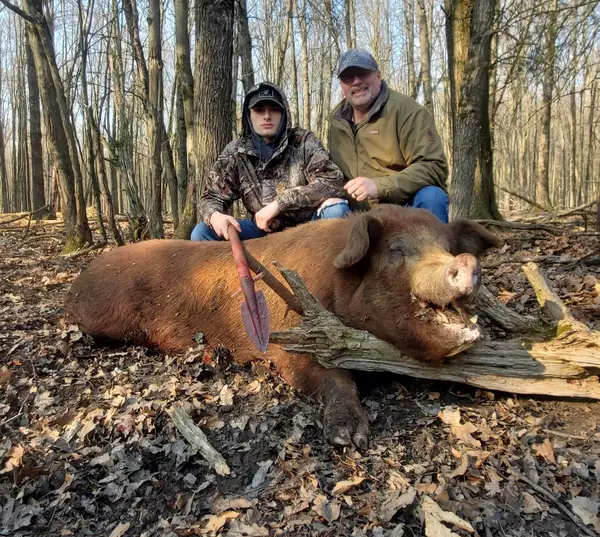
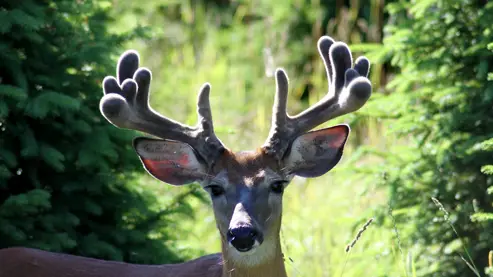


Watch it live
Live webcams in Michigan
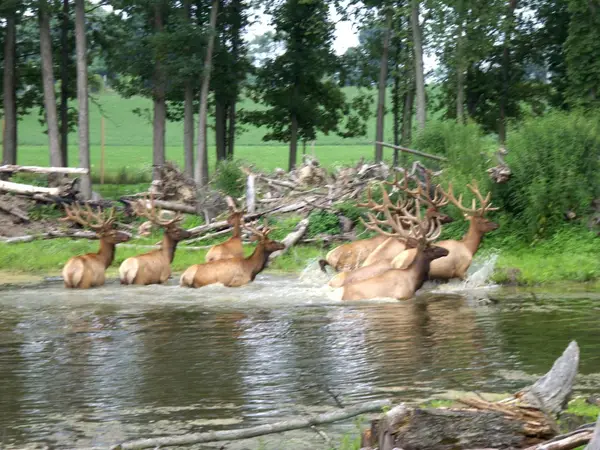
Gaylord Elk View Park Elk Cam
via City of Gaylord
Plan your trip
Plan your trip to Michigan
Game Species & Seasons
Michigan offers robust seasons for whitetail deer (archery, firearm, muzzleloader), wild turkey, bear (draw-based), various waterfowl, small game, and furbearers. Seasons vary by species and region; always check the current Michigan DNR digest.
License & Tags
All hunters require a base hunting license. Specific species like deer, bear, and turkey require additional tags or permits, some of which are subject to a lottery draw (e.g., bear, antlerless deer in certain units).
Public vs. Lease/Club Access
While Michigan has extensive public lands, hunting clubs and leased grounds offer exclusive access, reduced hunter pressure, and often superior habitat management. Access rules are determined by the club/landowner.
Terrain Types
Expect a variety: dense northern hardwoods, mixed forests, cedar swamps, agricultural fields with woodlots in the south, and extensive wetlands along the Great Lakes and inland water bodies.
Club Membership Norms
Many clubs in Michigan operate on a co-operative basis, requiring members to contribute to habitat work, stand maintenance, and property upkeep. Understand the club's bylaws and expectations before joining.
Hunter Education
Anyone born on or after January 1, 1960, must complete a hunter safety course to obtain a hunting license in Michigan. This is a prerequisite for all hunters, including those on leased land.
Confirm current requirements with the state agency before your trip. Rules and fees change every season.
Michigan Base Hunting License
All individuals hunting in Michigan must possess a valid base hunting license. This license is a prerequisite for purchasing any species-specific licenses or tags.
Michigan DNRDeer Hunting License/Tags
To hunt deer, hunters must purchase a deer hunting license, which typically includes tags for antlered and/or antlerless deer, depending on the license type chosen and the management unit. Specific regulations apply to antler point restrictions in some areas.
Michigan DNRHunter Education Requirement
Individuals born on or after January 1, 1960, must successfully complete an approved hunter education course to purchase a hunting license in Michigan. This requirement applies to both residents and non-residents.
Michigan DNRBear Hunting Permit Application
Bear hunting in Michigan is regulated through a limited lottery draw system. Hunters must apply for a bear hunting license during a specified application period and be drawn to receive a permit for a particular management unit.
Michigan DNR
- 01
Understand Michigan's Regulations
Start with the current Michigan DNR hunting digests. License requirements, season dates, and species-specific rules vary enough by region that the digest for your area is required reading, not a formality.
- 02
Identify Your Target Region & Game
Decide what you're hunting and where, U.P. wilderness for bear, the Southern Lower's farm country for trophy deer. The region determines the kind of lease worth looking for.
- 03
Research Hunting Clubs & Leases
Work through the clubs and leased properties available in your chosen region. Weigh the amenities, the game management practices, and the membership costs against each other, the cheapest lease is rarely the best value.
- 04
Connect with Club Managers/Landowners
Talk to the people running the properties on your shortlist. Ask about rules, availability, and what membership actually involves, and get on the ground for a visit if they'll have you.
- 05
Secure Your Membership/Lease Agreement
When you've found the right fit, finish it properly: paperwork complete, fees paid, and every term of the membership or lease understood before your first sit.
01What game species can I typically hunt on a leased property in Michigan?
02Do I need a Michigan hunting license even if I'm hunting on private leased land?
03Are there specific hunter education requirements for hunting on a club or lease in Michigan?
04What kind of habitat management can I expect on a Michigan hunting lease?
05Can non-residents join hunting clubs or lease land in Michigan?
06What is the typical duration of a hunting lease in Michigan?
When to go
Season by season in Michigan
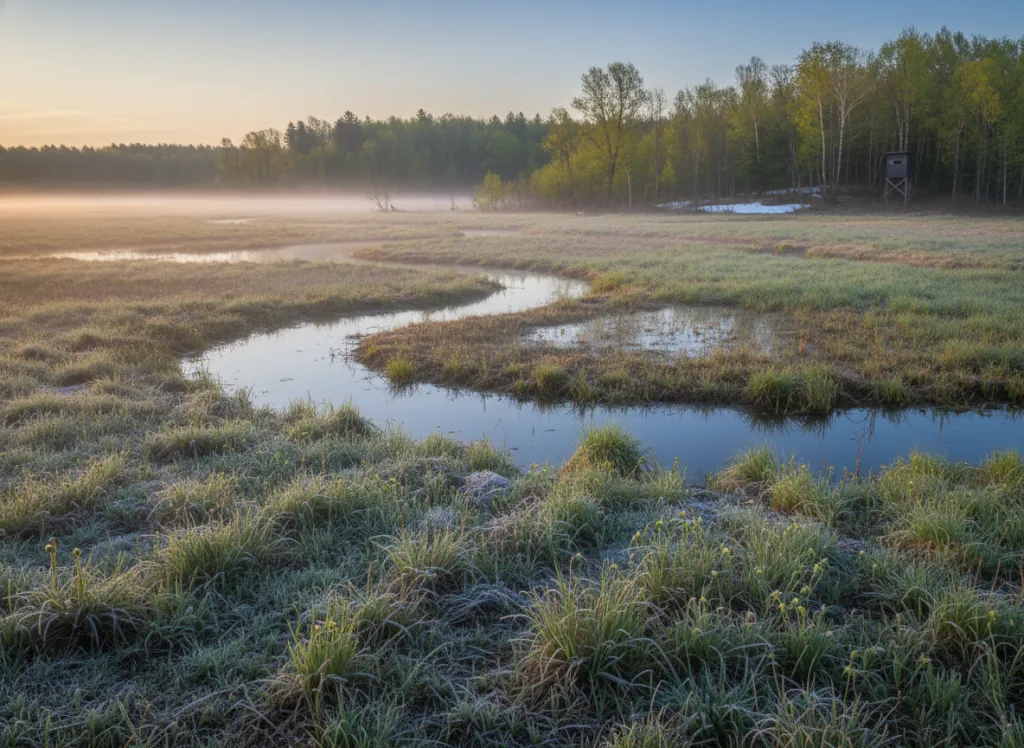
Spring
Turkey season carries the calendar while the property work begins: food plots go in the ground and the winter's damage gets repaired. On a managed lease, spring is when the fall gets built.
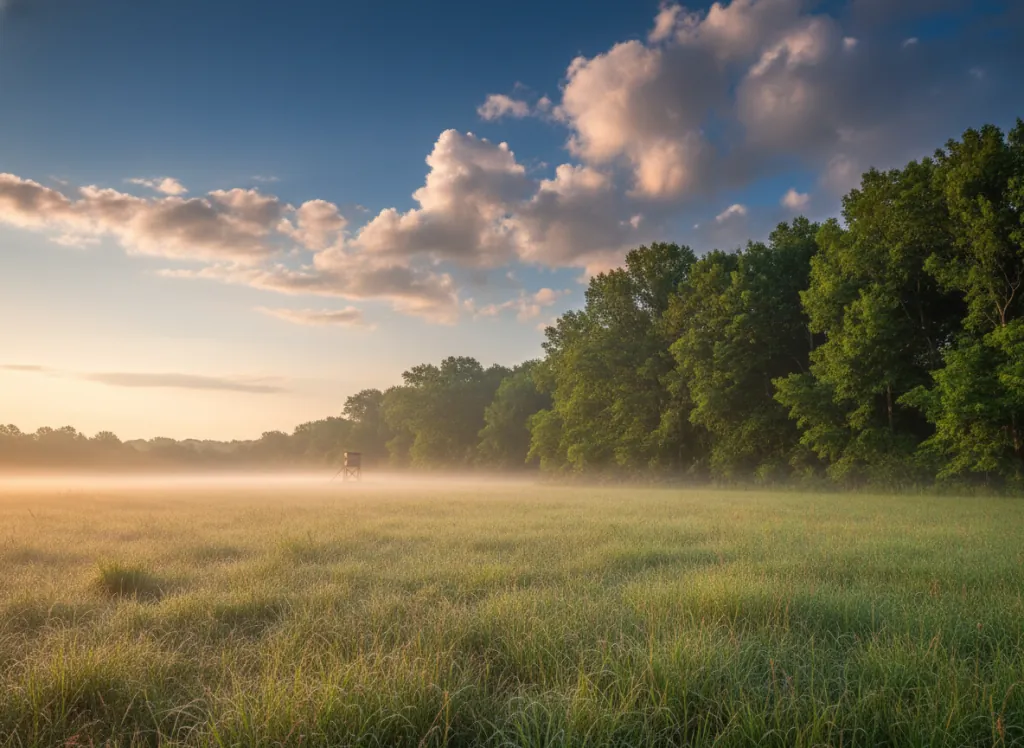
Summer
Cameras go up, scouting intensifies, and the habitat work continues through the warm months. Many clubs stack their social calendar here too, the cookouts and work weekends that hold a membership together before the serious season starts.
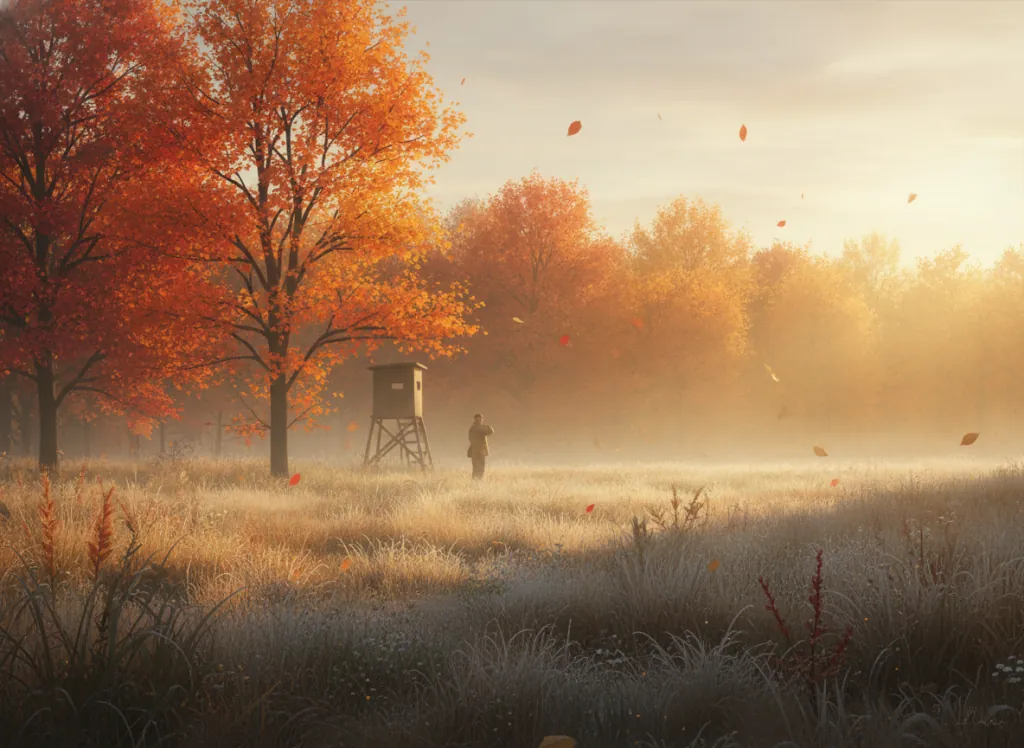
Fall
The season Michigan waits for. Whitetail deer lead, with bear and waterfowl running alongside, and members settle into the blinds and stands the summer's work put in place. This is where managed land shows its worth.
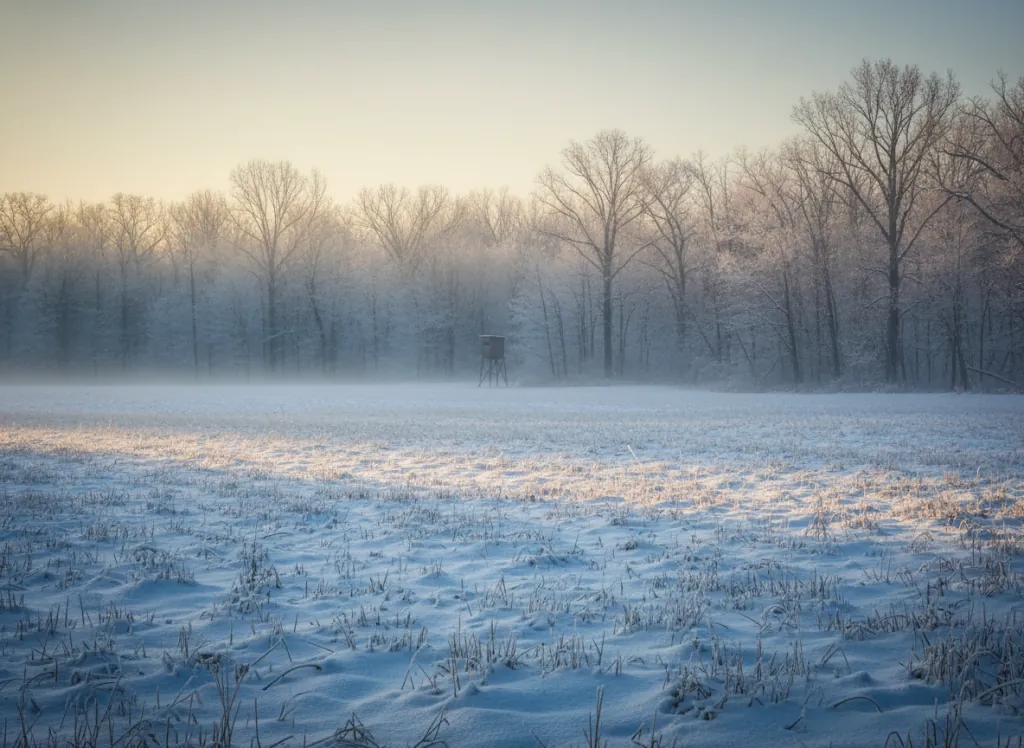
Winter
Late-season deer, plus rabbit and squirrel for hunters who don't quit at the first snow. Clubs turn to the ledger work: harvest data, maintenance lists, and the plans that decide what next fall looks like.
Free tools
Your free outdoor toolkit

Everything Map
Listings, trails, spots, clubs and public land on a single full-screen map. Switch layers on and off, then tap any point for the details.
Open Everything MapTrail Explorer
Browse a community map of named trails with distance, difficulty, and where each one starts.
Open Trail ExplorerRoute Planner
Drop stops on a map and watch distance and drive time add up. Export a GPX or share the link.
Open Route PlannerHunting Clubs
Browse local clubs with meeting info and how to join, or start your own for free.
Open Hunting ClubsPhoto ID
Point your camera at whatever you found and get a structured identification. No signup.
Open Photo IDGear Checklists
Printable, save-as-you-go packing lists. Tick items off and pull them up on your phone.
Open Gear Checklists


Keep exploring