Skip to content
Michigan hunting country. Backdrop for the Hunting Hubs Michigan outfitter directory

Hunting Outfitters · Michigan

Hunting Outfitters in Michigan

Hunt 38 outfitters across Michigan. Maps, hours, contact info, photos, and verified operator profiles, all in one place.

Great Lakes shoreline longer than any state, plus the Upper Peninsula wilderness.

Updated

All listings

38 outfitters in Michigan
All states

Get listed free

Run a outfitter in Michigan? Add it to Hunting Hubs. Free, no commission.

Add your listing

On the map

Outfitters in Michigan

Everything we have mapped in Michigan, on one map. Tap anything for its details.

Loads the full map of Michigan. We leave it off by default so the page opens fast on mobile data.

About Michigan

Michigan hunting spans two peninsulas and every kind of country between wilderness and row crops. Four Great Lakes shape its borders and its game movement alike. For hunters who want structure (managed ground, established blinds, food plots that get planted every year), the private club and the leased parcel deliver what the state's public land, for all its acreage, can't: exclusive access. Whitetail deer, wild turkey, and waterfowl are the core of it, hunted on properties where the habitat work compounds season over season.

The Northern Lower Peninsula is club country in the classic sense. Big state and national forests interlock with private holdings, and towns like Gaylord and Cadillac fill up with hunters each fall, deer in the hardwoods, grouse in the aspen. Leases here often center on timber managed for deer or wetlands kept for waterfowl, especially around the inland lakes and rivers like the Au Sable. The draw of membership is simple: professionally managed ground, less pressure, better odds than the public tracts next door.

South of that, the Southern Lower Peninsula turns to farm country (crop fields, woodlots, and edges pressed up against the suburbs), and it grows the state's heaviest-antlered deer. The country around Grand Rapids and Lansing is known for trophy whitetail potential on private farms with real cover. Waterfowlers lease the Saginaw Bay marshes and the Lake St. Clair flats. Clubs down here often blend crop-damage management with intensive habitat work, and the hunting is consistent because the management is.

Then there's the Upper Peninsula, which is its own proposition entirely. Wilderness dominates, leases are scarcer than below the bridge, and the ones that exist guard real prizes: bear, deer, and grouse ground around the Ottawa National Forest and along Lake Superior's coast. U.P. clubs tend to run on a conservation ethic, sustainable harvest, and the understanding that you came north for wild country with the advantages of private management, not in spite of them.

Quick facts

Outfitters listed
38
Best season
May through October

Trip guide

Know before you go in Michigan

Confirm current requirements with the agency that sets them before your trip. Rules and fees change every season.

  • Michigan Base Hunting License

    All individuals hunting in Michigan must possess a valid base hunting license. This license is a prerequisite for purchasing any species-specific licenses or tags.

    Michigan DNR
  • Deer Hunting License/Tags

    To hunt deer, hunters must purchase a deer hunting license, which typically includes tags for antlered and/or antlerless deer, depending on the license type chosen and the management unit. Specific regulations apply to antler point restrictions in some areas.

    Michigan DNR
  • Hunter Education Requirement

    Individuals born on or after January 1, 1960, must successfully complete an approved hunter education course to purchase a hunting license in Michigan. This requirement applies to both residents and non-residents.

    Michigan DNR
  • Bear Hunting Permit Application

    Bear hunting in Michigan is regulated through a limited lottery draw system. Hunters must apply for a bear hunting license during a specified application period and be drawn to receive a permit for a particular management unit.

    Michigan DNR
01What game species can I typically hunt on a leased property in Michigan?
Whitetail deer, wild turkey, waterfowl, and small game like rabbit and squirrel cover most Michigan leases. Some properties, particularly in the Upper Peninsula, add bear to the list, though that usually means winning a lottery draw permit first.
02Do I need a Michigan hunting license even if I'm hunting on private leased land?
Yes, without exception. The lease grants access to the land; the state still requires the base hunting license plus the species-specific tags or permits for whatever you're hunting. Private ground doesn't change the licensing rules at all.
03Are there specific hunter education requirements for hunting on a club or lease in Michigan?
Yes, anyone born on or after January 1, 1960 must complete a state-approved hunter education course before they can buy a Michigan hunting license. The requirement follows the hunter everywhere, private club ground included.
04What kind of habitat management can I expect on a Michigan hunting lease?
The good ones work at it year-round: food plots planted and rotated, timber managed for cover, watering holes dug, mineral sites established. That accumulated effort is a large part of what a lease fee buys, habitat that holds game and hunting that stays consistent.
05Can non-residents join hunting clubs or lease land in Michigan?
Yes. Non-residents join Michigan clubs and lease private ground regularly. You'll buy non-resident licenses, the fee structure differs from resident pricing, and follow the same state regulations as everyone else on the property.
06What is the typical duration of a hunting lease in Michigan?
Annual leases covering a full year of access are the norm. Shorter terms exist (a deer-season-only arrangement, for instance), and some landowners offer multi-year agreements to hunters they trust. Get the term nailed down explicitly with the landowner or club before you commit.

When to go

Season by season in Michigan
Spring

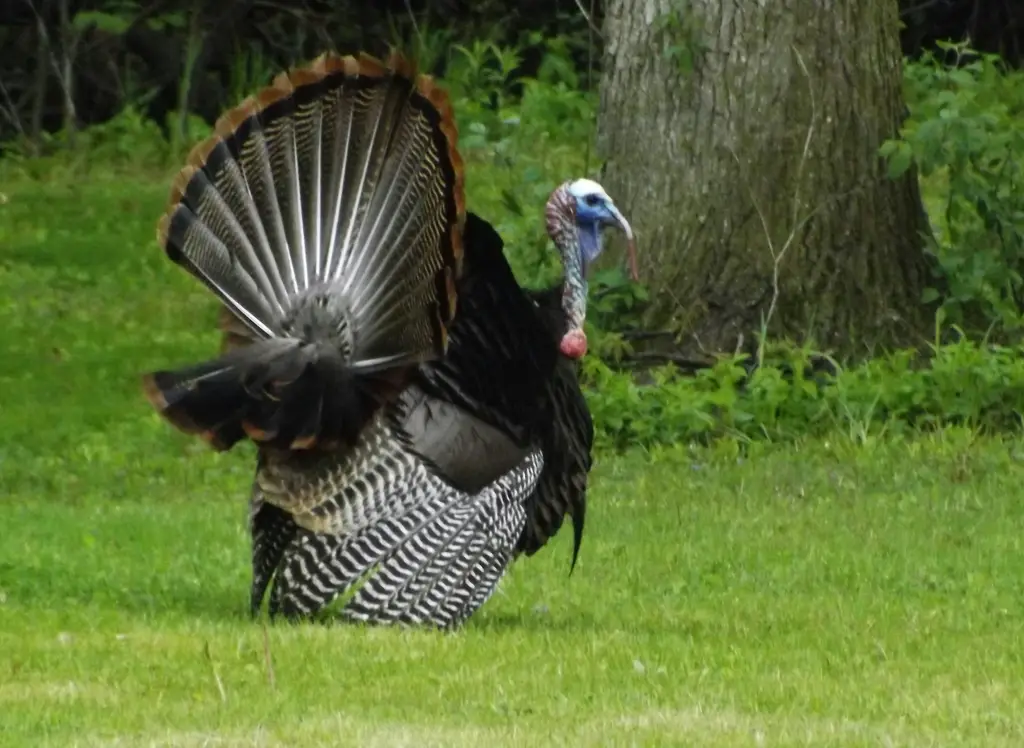
Turkey season carries the calendar while the property work begins: food plots go in the ground and the winter's damage gets repaired. On a managed lease, spring is when the fall gets built.
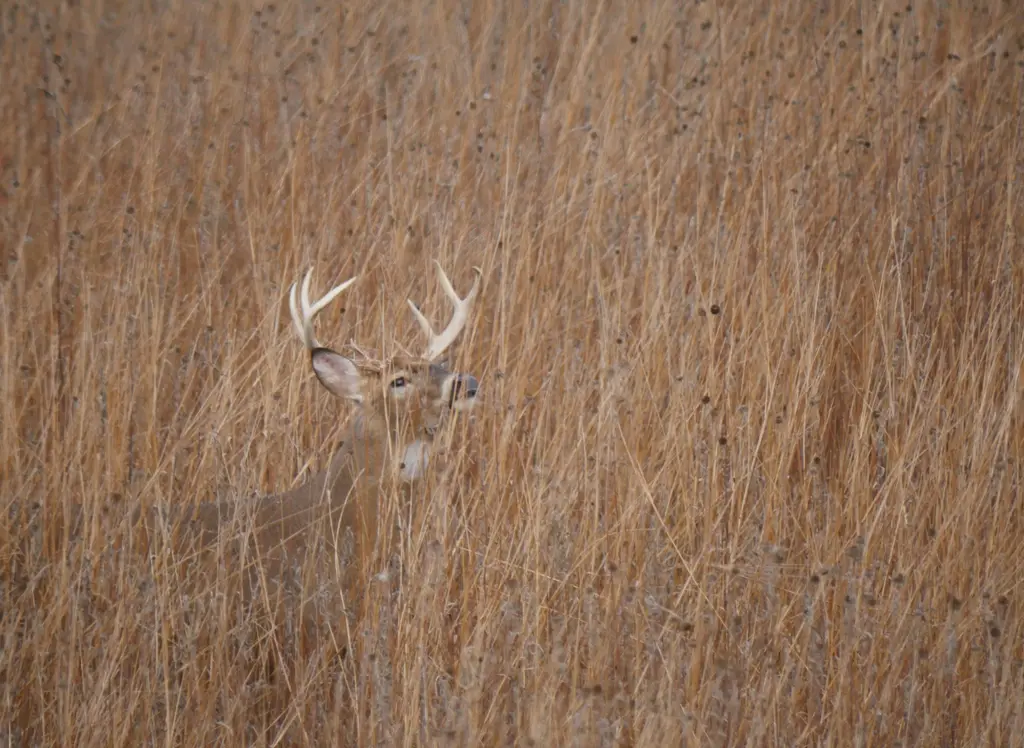
Summer

Cameras go up, scouting intensifies, and the habitat work continues through the warm months. Many clubs stack their social calendar here too, the cookouts and work weekends that hold a membership together before the serious season starts.
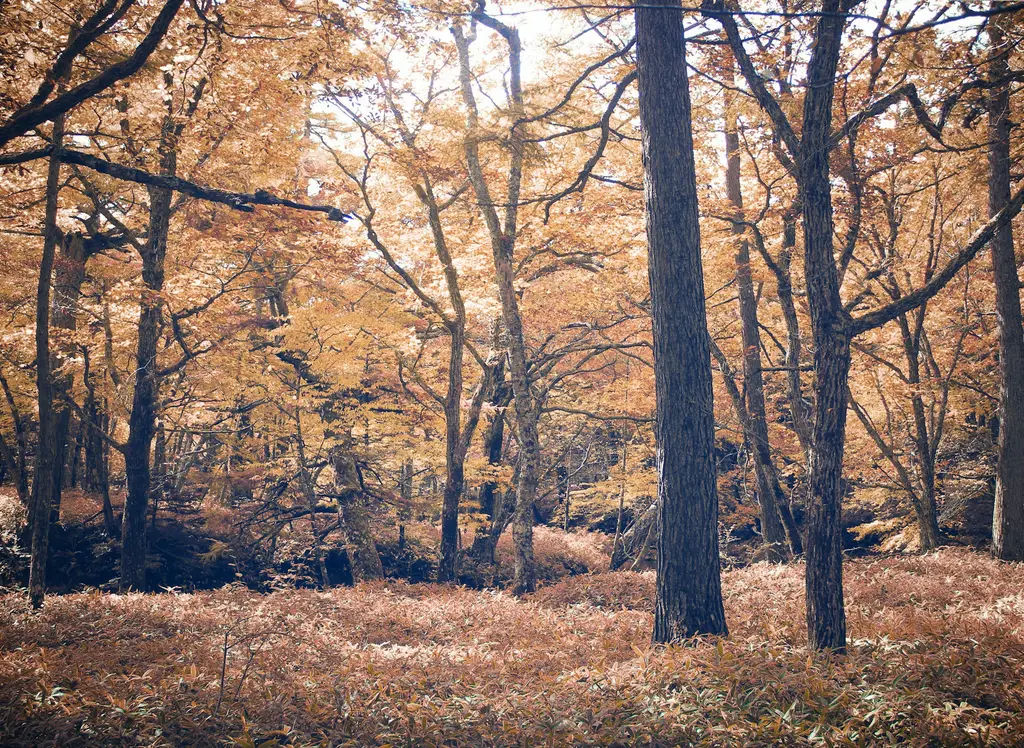
Fall

The season Michigan waits for. Whitetail deer lead, with bear and waterfowl running alongside, and members settle into the blinds and stands the summer's work put in place. This is where managed land shows its worth.
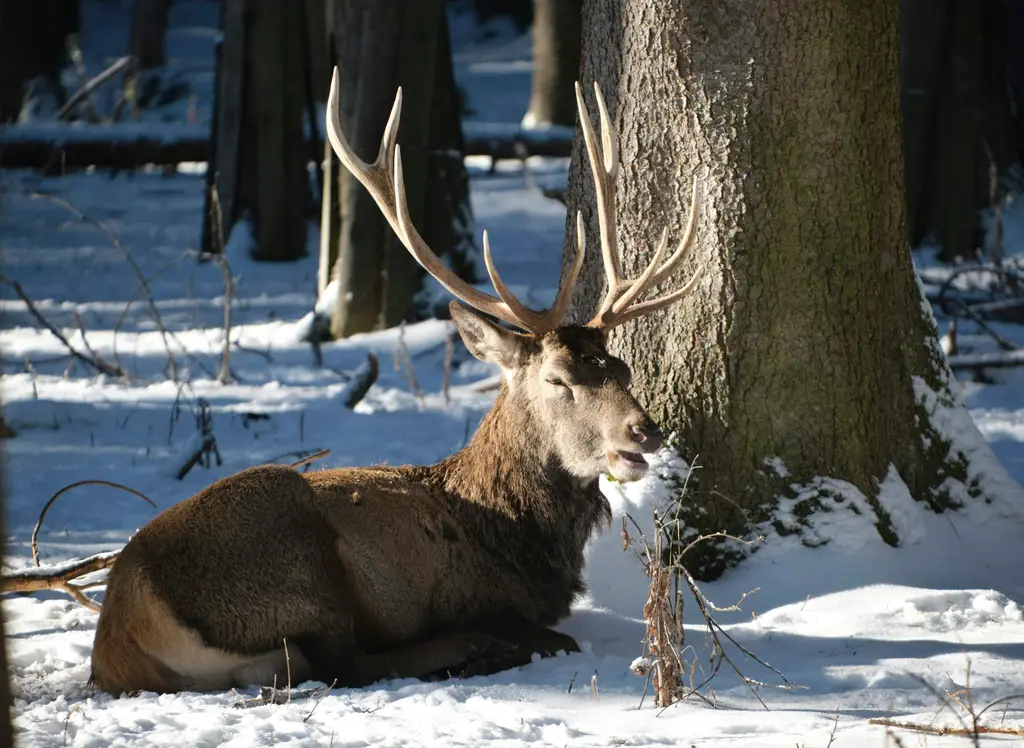
Winter

Late-season deer, plus rabbit and squirrel for hunters who don't quit at the first snow. Clubs turn to the ledger work: harvest data, maintenance lists, and the plans that decide what next fall looks like.

Keep exploring

Nearby states