Hunting Outfitters · New York
Hunting Outfitters in New York
Hunt 33 outfitters across New York. Maps, hours, contact info, photos, and verified operator profiles, all in one place.
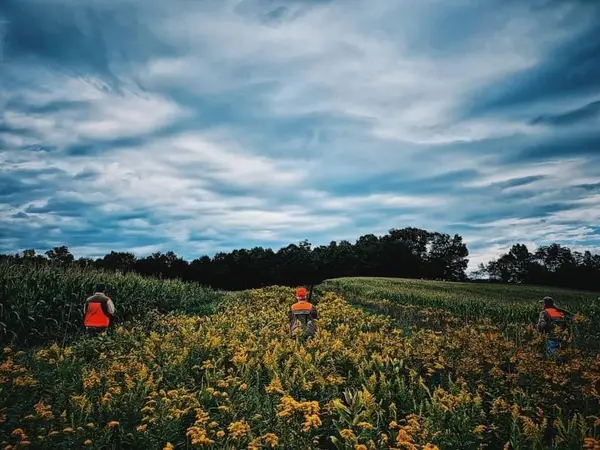
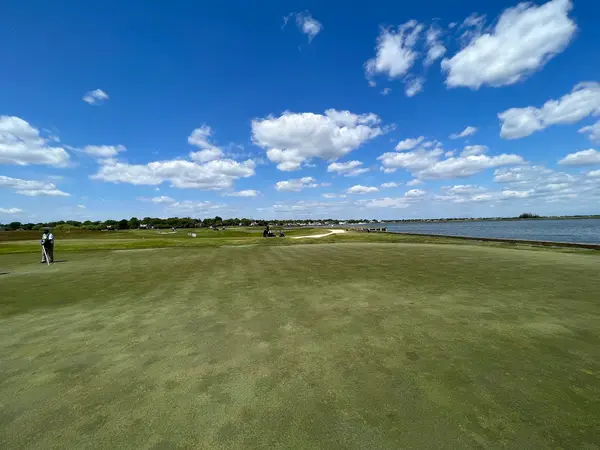
Adirondacks, Catskills, the Finger Lakes, and the Long Island shore.
Updated
All listings
33 outfitters in New York
On the map
Outfitters in New York
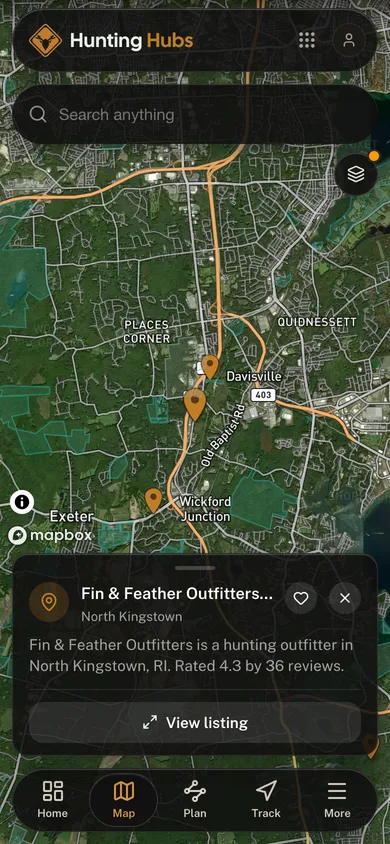
Everything we have mapped in New York, on one map. Tap anything for its details.
Loads the full map of New York. We leave it off by default so the page opens fast on mobile data.
About New York
Quick facts
- Outfitters listed
- 33
- Best season
- May through October
Trip guide
Know before you go in New York
Confirm current requirements with the agency that sets them before your trip. Rules and fees change every season.
NYS Hunting License
All individuals hunting in New York State must possess a valid hunting license. This license is required for hunting all types of game, including big game, small game, and migratory birds. Licenses can be purchased online, by phone, or from authorized license issuing agents.
Hunter Education Requirement
First-time hunters in New York, and those who cannot provide proof of a previous hunting license, must complete a mandatory hunter education course. These courses cover firearm safety, wildlife identification, hunting ethics, and New York hunting regulations. Successful completion is required to obtain a hunting license.
Big Game Tags and Permits
In addition to a general hunting license, specific tags are required for hunting big game like white-tailed deer and black bear. Deer Management Permits (DMPs) may be available for antlerless deer in specific Wildlife Management Units (WMUs) to help manage deer populations. Hunters must apply for DMPs during the designated application period.
Muzzleloader and Archery Privilege
Hunters wishing to participate in the muzzleloader or archery-only seasons for big game must possess the appropriate hunting license that includes these privileges. The bowhunting (archery) privilege requires a separate Bowhunter Education certificate, unless you can show a previous bowhunting license. New York has no muzzleloader education course, the muzzleloader privilege is simply added to your license.
01What types of game are typically hunted on clubs and leased land in New York?
02Are there specific legal requirements for joining a hunting club in New York?
03How do hunting leases in New York typically operate?
04What should I look for when considering a hunting club or lease agreement?
05Can non-residents join hunting clubs or lease land in New York?
06Are there specific ethical considerations for hunting on leased land or with a club?
When to go
Season by season in New York
Spring
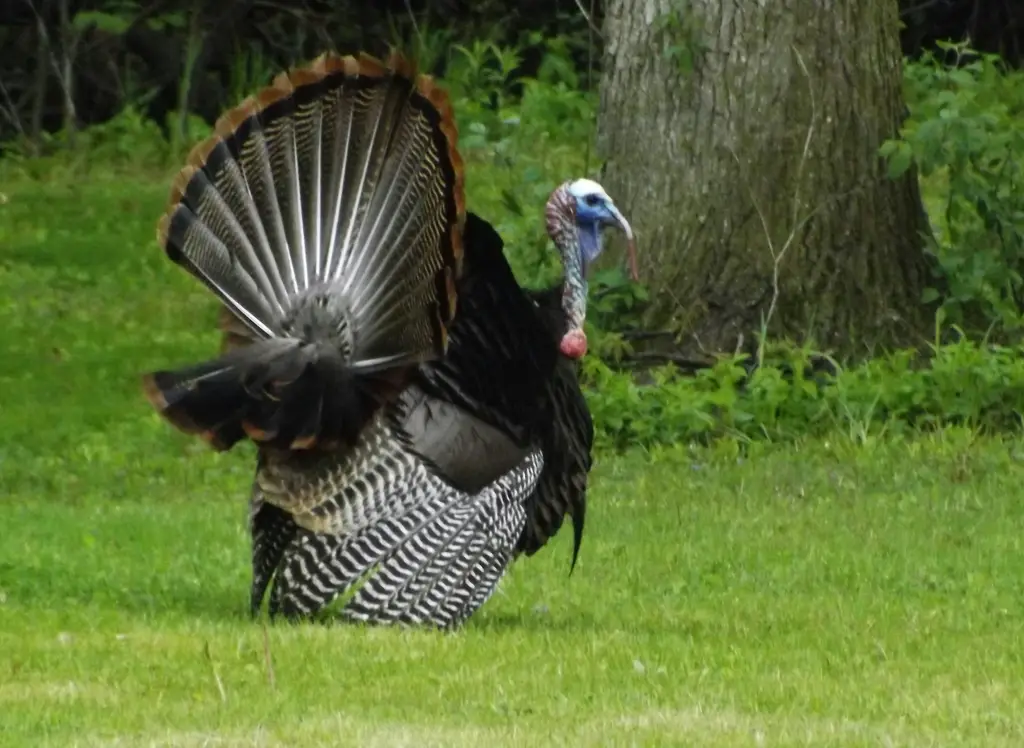
Turkey season opens and the gobblers get the attention, but spring is also when clubs scout, prep food plots, and walk the property. Lease groups use these months for first visits and fall planning.
Summer
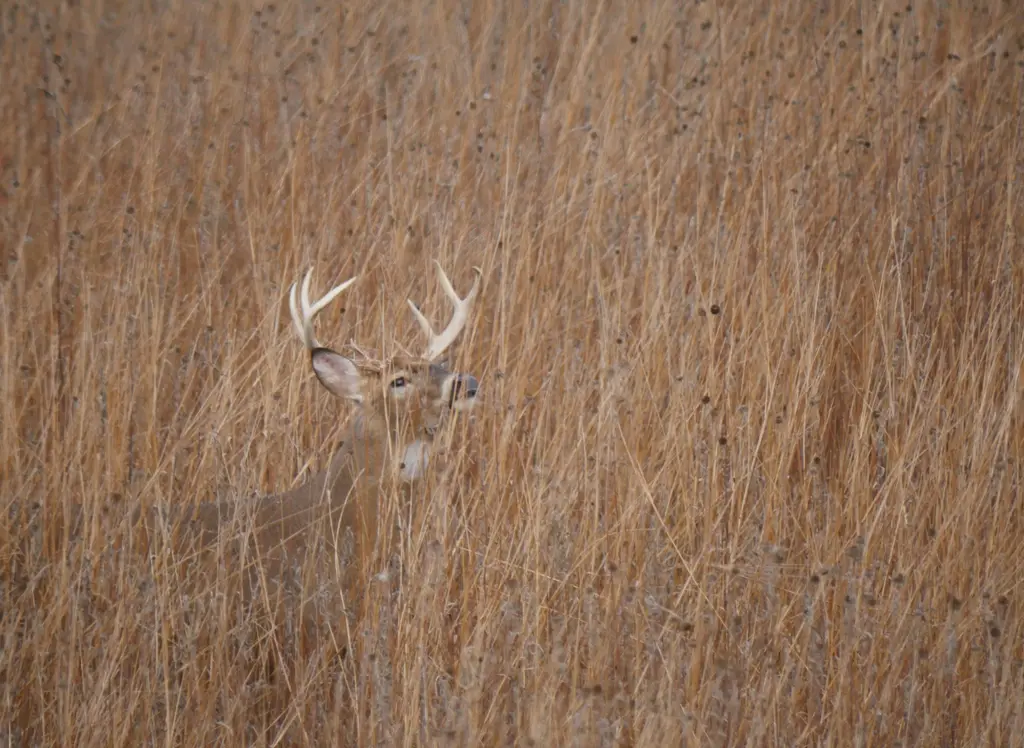
The working season: plots go in, trails get cleared, trail cameras go up. Club meetings happen now too, strategy gets argued out and lease agreements get signed before fall arrives.
Fall
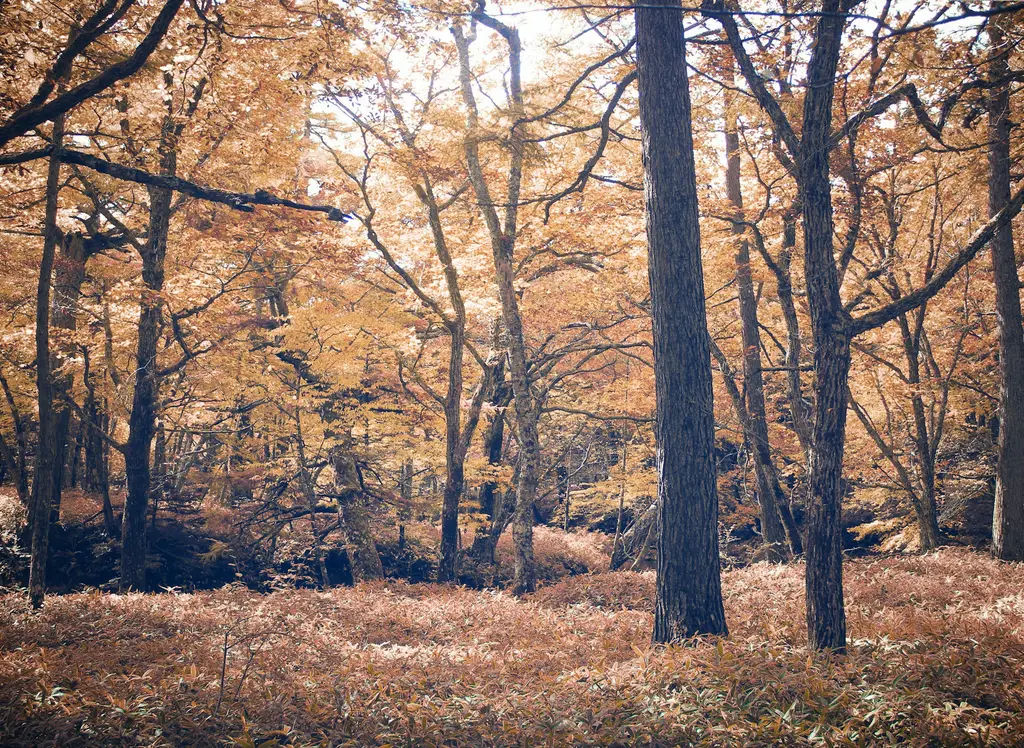
Deer and bear season, the months everything else was building toward. Club properties are at full pitch, with members coordinating hunts, comparing notes, and cashing in a year's worth of preparation.
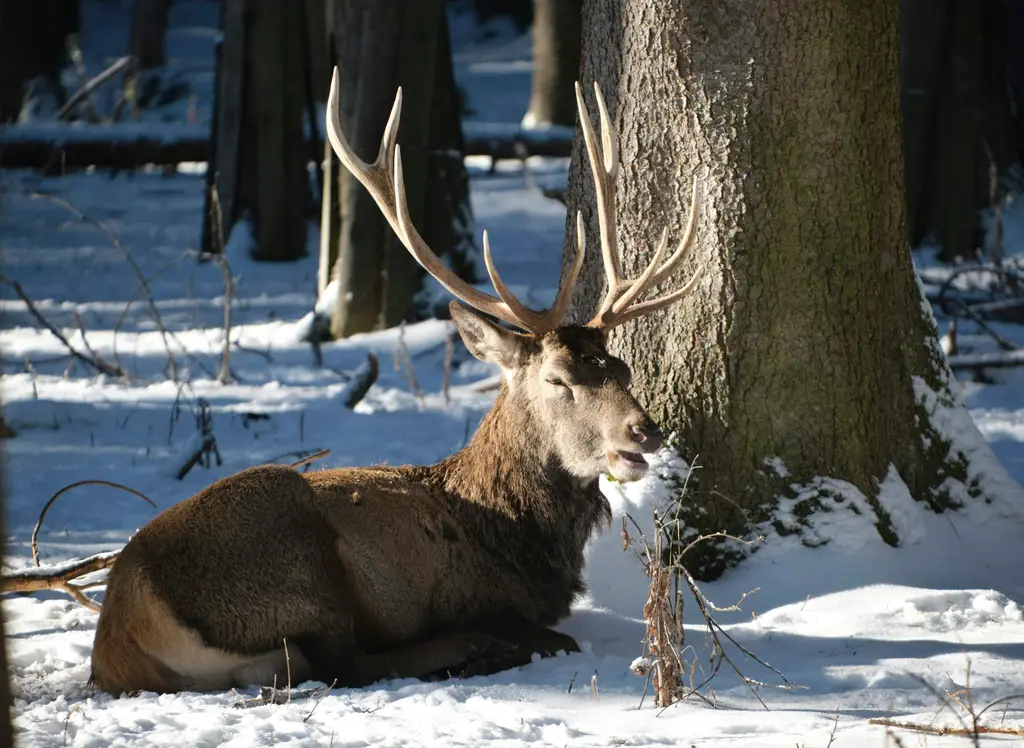
Winter
Late-season deer, small game, and waterfowl in the right spots keep the hunting alive. Then comes the honest accounting: what the season taught, what gear needs work, whether the lease gets renewed.
Free tools
Your free outdoor toolkit

Keep exploring