Hunting Outfitters · North Dakota
Hunting Outfitters in North Dakota
Hunt 20 outfitters across North Dakota. Maps, hours, contact info, photos, and verified operator profiles, all in one place.
Theodore Roosevelt badlands, the Missouri Coteau, and the Red River Valley.
About North Dakota
20 on the map
Tap a pin to open its profile.
Quick facts
- Outfitters listed
- 20
- Best season
- May through October
All listings
20 outfitters
across North Dakota
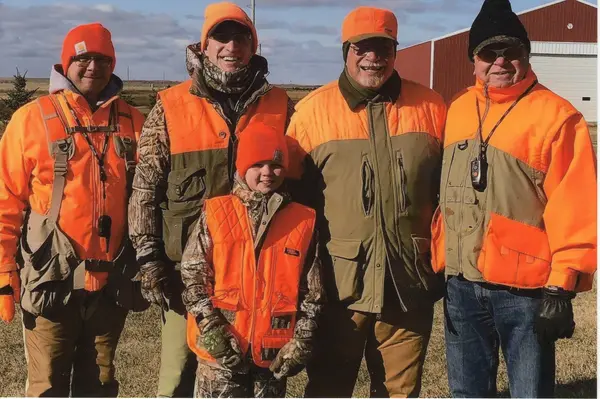
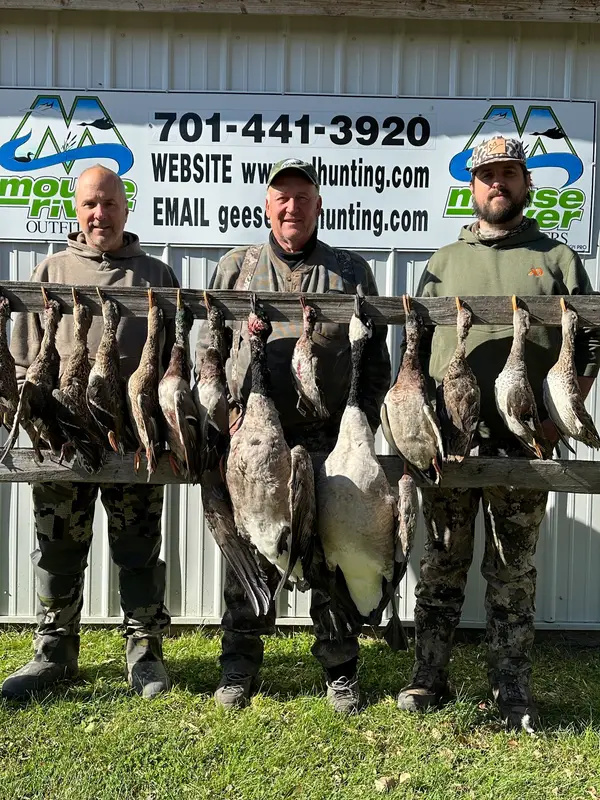
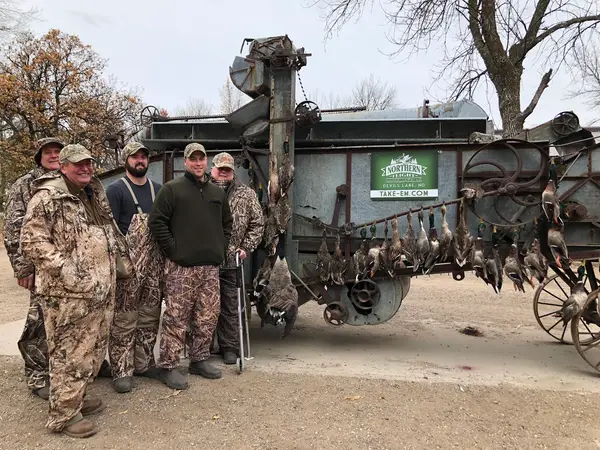
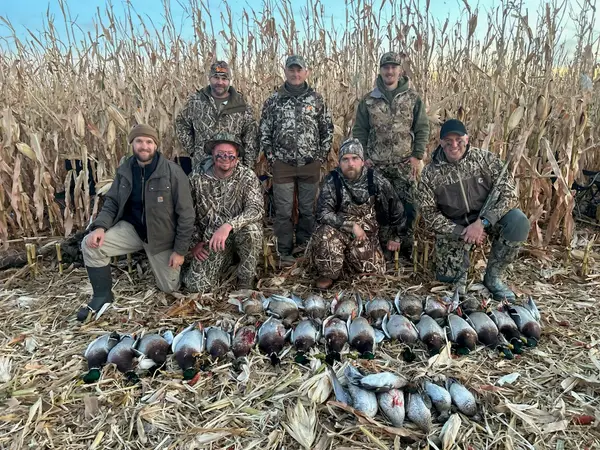
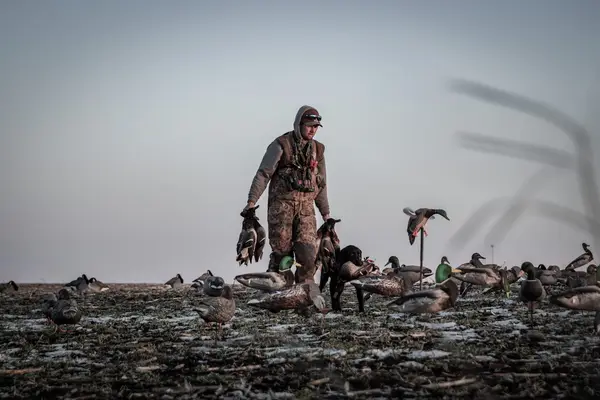
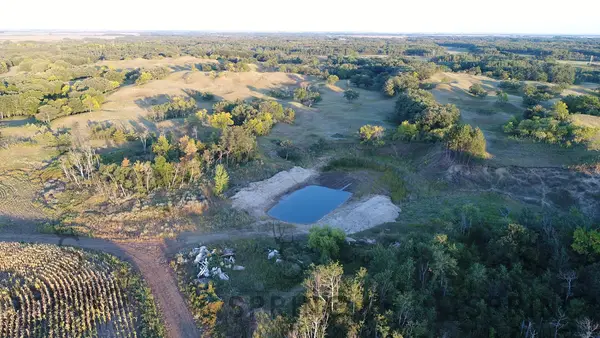
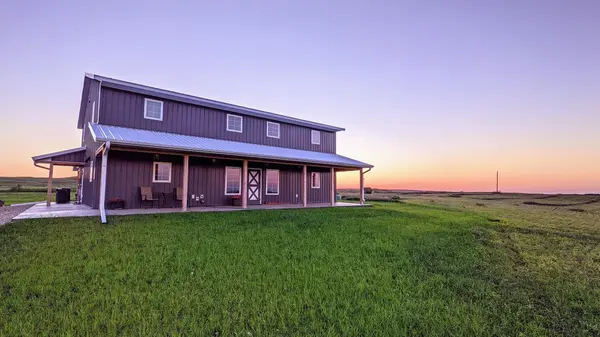
Plan your trip
Plan your trip to North Dakota
Game Species and Seasons
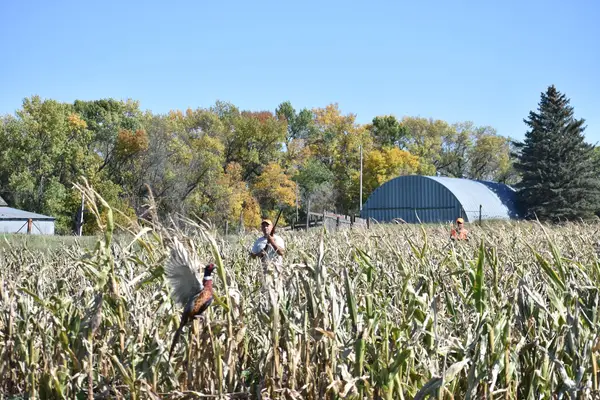
North Dakota offers diverse hunting opportunities including whitetail deer, mule deer, pheasant, sharp-tailed grouse, and a wide array of waterfowl. Deer seasons typically run from early November into December, while upland bird seasons often open in September and extend through December or January. Waterfowl seasons are split, aligning with migration patterns.
License and Tag Requirements
All hunters require a general hunting license. Non-residents pursuing deer by gun must apply for a limited lottery tag, often with low draw odds, so early application is critical, but a nonresident whitetail archery (bow) license is sold over the counter with no draw. Upland bird and waterfowl licenses, along with federal and state duck stamps for waterfowl, are generally available over-the-counter. Verify specific requirements with the North Dakota Game and Fish Department.
Private vs. Public Land Access
A significant portion of prime hunting land in North Dakota is privately owned. Accessing land posted against hunting, by physical sign or the state's electronic posting system, without permission is illegal; unposted private land, by contrast, may be hunted without the owner's permission (a valid license is still required). Hunting clubs and leased grounds provide the necessary legal access, offering managed hunting experiences often superior to general public lands, which can be limited or heavily pressured.
Terrain Types and Hunting
The state's diverse terrain includes rolling prairie grasslands, river bottoms, badlands with rugged coulees, and the numerous wetlands of the Prairie Pothole Region. Hunting clubs and leases often focus on properties encompassing these varied landscapes to provide habitat for target species, such as river bottoms for whitetail or pothole country for waterfowl.
Club Membership Norms
Hunting clubs in North Dakota emphasize respect for the land, wildlife, and fellow members. Expect shared responsibilities for habitat management, adherence to club rules, and a strong sense of community. Many clubs prioritize sustainable harvest practices and ethical hunting to maintain the quality of the hunting experience for all.
Confirm current requirements with the state agency before your trip. Rules and fees change every season.
Hunting License Requirement
All individuals hunting in North Dakota, resident or non-resident, must possess the appropriate hunting license for the species they intend to pursue. Specific licenses are required for big game, small game, and waterfowl. Hunters should verify license requirements and purchase them prior to their hunt.
Hunter Education Certification
Anyone born after December 31, 1961, must complete a hunter education course to hunt in North Dakota. An apprentice hunter validation is available for first-time hunters to hunt under the direct supervision of an experienced adult, allowing them to defer hunter education for one year.
ND Game and FishPrivate Land Permission
North Dakota is an "open unless posted" state: unposted private land may legally be hunted without the landowner's permission (you still need a valid hunting license and must stay out of standing crops), while any land posted physically or electronically requires the owner's permission. This is a crucial regulation for anyone utilizing hunting clubs or leased grounds. There is no blanket North Dakota rule requiring hunters to carry written landowner permission (access is governed by the posting system, not a permission-slip mandate), though on club or leased ground it is still wise to keep your access agreement on hand.
Non-Resident Deer Lottery
Non-resident hunters wanting to hunt deer with a gun in North Dakota must apply for a limited number of deer gun lottery tags; a nonresident whitetail archery (bow) license, by contrast, is sold over the counter with no draw. The application period typically opens in May and results are announced in late June or July. Success in this lottery is not guaranteed, and planning for alternative species or applying well in advance is advisable.
- 01
1. Research Target Species and Seasons
Decide what you're hunting before you shop for ground. Season dates, bag limits, and regulations differ by species, and that choice determines which corner of the state, and which kind of club or lease, makes sense.
- 02
2. Secure Necessary Licenses and Permits
Non-residents chasing deer need to get into the lottery early, that application is the whole ballgame. Line up your general license, any required stamps (federal and state duck stamps for waterfowl), and hunter education certification long before you pack the truck.
- 03
3. Identify Preferred Hunting Region
Let the species pick the map: Badlands for mule deer, pothole country for waterfowl and roosters, river breaks for whitetails. Knowing the geography narrows the search from 'North Dakota' to a handful of counties worth calling about.
- 04
4. Search for Hunting Clubs or Lease Opportunities
Work directories like Hunting Hubs to find clubs and leased properties in your target area. Read past the acreage number (what's the habitat, what's being managed, what do members actually get), and shortlist the ones that match how you hunt.
- 05
5. Contact and Vet Potential Options
Get the manager or landowner on the phone. Ask about guest policies, harvest quotas, habitat work, and what's expected of members. The answers, and how readily they come, tell you whether it's a fit before any money changes hands.
01Are non-residents eligible to join hunting clubs or lease land in North Dakota?
02What game species are typically available on leased hunting ground in North Dakota?
03How do I ensure a hunting club or lease is legitimate and reputable?
04What are common lease terms or club membership expectations in North Dakota?
05Does joining a hunting club guarantee success in the non-resident deer lottery?
06What is the typical duration of a hunting lease in North Dakota?
When to go
Season by season in North Dakota
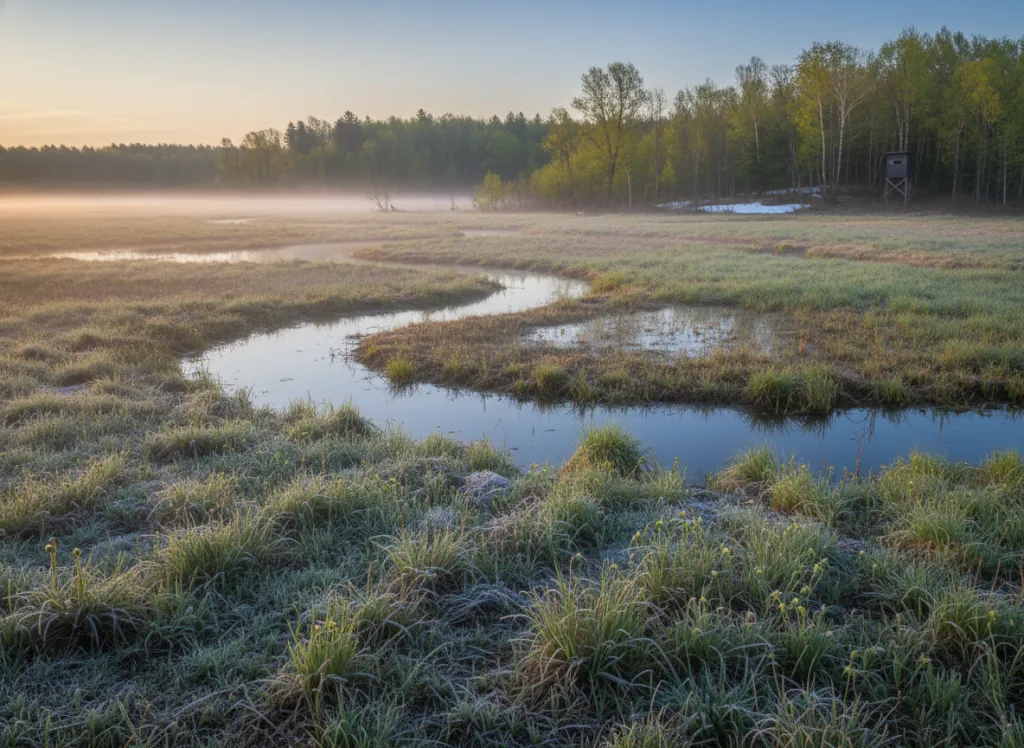
Spring (March - May)
Spring is planning season. Clubs meet to sort out lease renewals, habitat projects, and workday assignments. Snow comes off the prairie, trail cameras go back out, and food plots get planted on leased ground before the summer flush of growth buries everything.
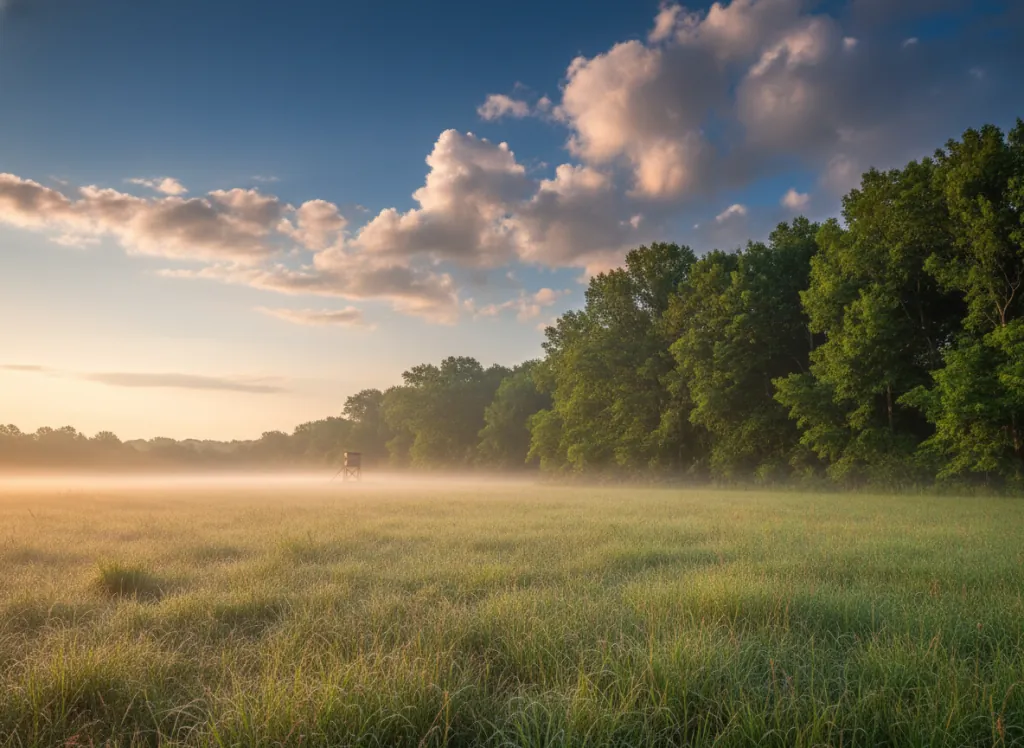
Summer (June - August)
Summer is maintenance and patience: keeping food plots alive, watching camera pulls, and tracking how broods and fawns are faring on the property. Clubs run their membership drives now and fold in new faces. It's also the time to shoot, a lot, before anything is on the line.
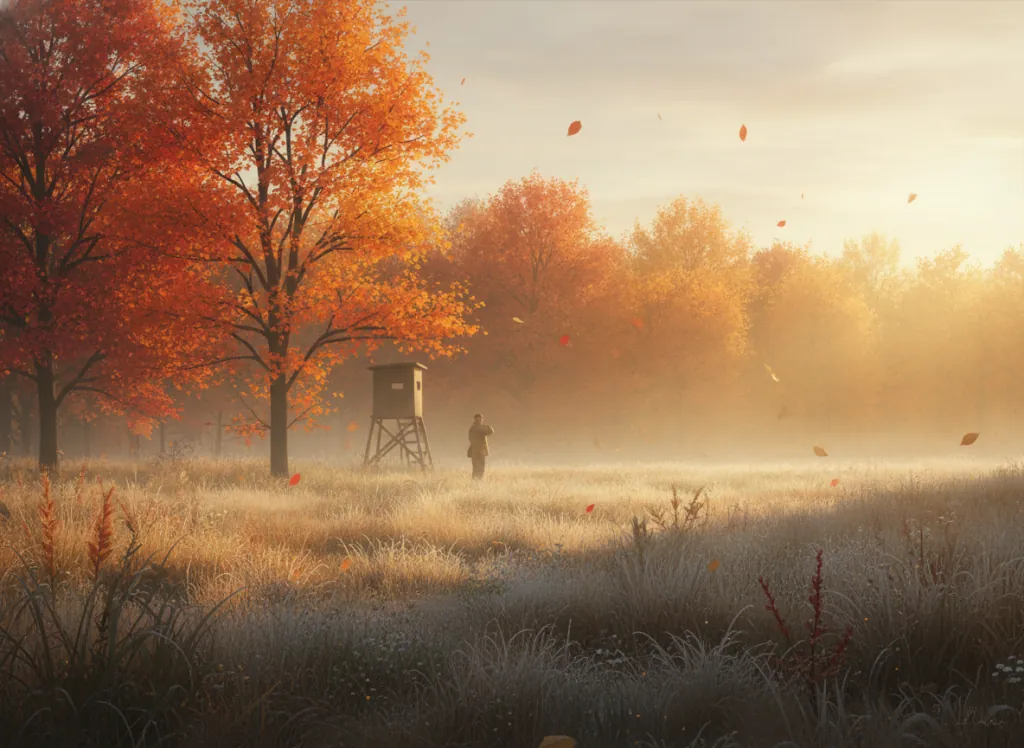
Fall (September - December)
Fall is what the whole year was for. Big game, upland, and waterfowl seasons stack on top of each other, and leased ground earns its price, you're hunting country you scouted all summer while the public spots fill with trucks. Some mornings the hard choice is decoys or deer stand.
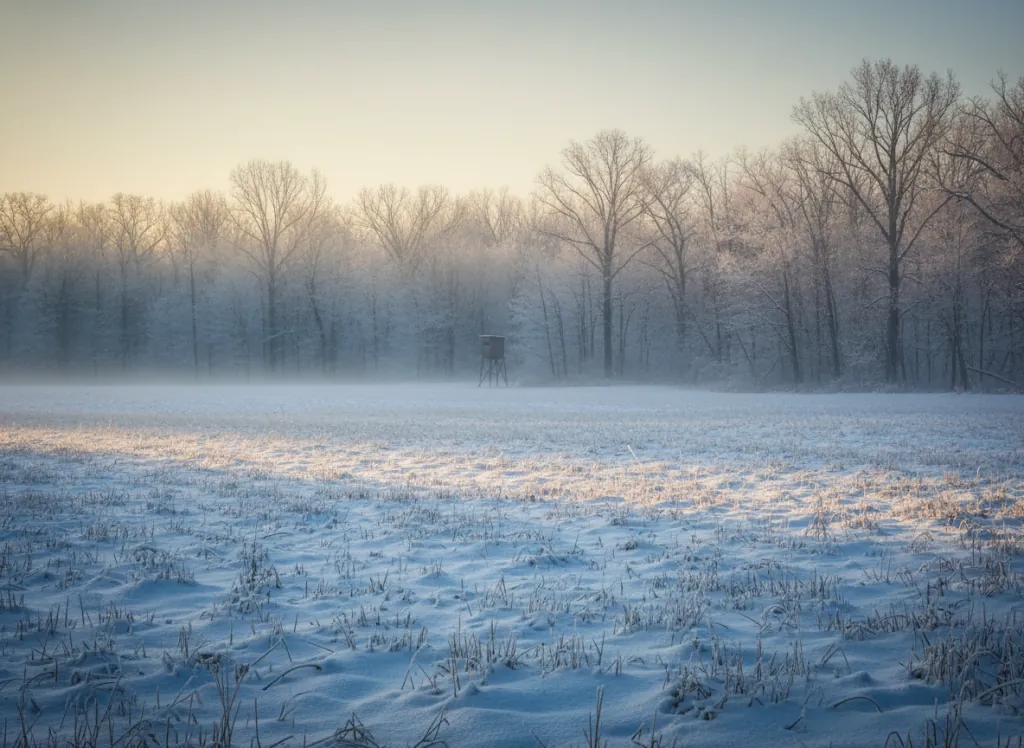
Winter (January - February)
Late-season pheasants can carry into winter, and cold-weather roosters holding tight in cattail sloughs are their own kind of hunt. Once seasons close, the work turns to fixing what fall broke, tallying the harvest honestly, and arguing amiably about next year's plan.
Free tools
Your free outdoor toolkit

Everything Map
Listings, trails, spots, clubs and public land on a single full-screen map. Switch layers on and off, then tap any point for the details.
Open Everything MapTrail Explorer
Browse a community map of named trails with distance, difficulty, and where each one starts.
Open Trail ExplorerRoute Planner
Drop stops on a map and watch distance and drive time add up. Export a GPX or share the link.
Open Route PlannerHunting Clubs
Browse local clubs with meeting info and how to join, or start your own for free.
Open Hunting ClubsPhoto ID
Point your camera at whatever you found and get a structured identification. No signup.
Open Photo IDGear Checklists
Printable, save-as-you-go packing lists. Tick items off and pull them up on your phone.
Open Gear Checklists


Keep exploring