Hunting Outfitters · Minnesota
Hunting Outfitters in Minnesota
Hunt 36 outfitters across Minnesota. Maps, hours, contact info, photos, and verified operator profiles, all in one place.
11,842 lakes, the Boundary Waters, and the headwaters of the Mississippi.
Updated
Highest rated
Hunting Outfitters in Minnesota by Google rating
Ranked by Google rating, then by number of reviews, across the 16 of 36 outfitters in Minnesota with 10 or more Google reviews. A blank cell means we do not have that detail yet.
| Outfitter | City | Hunts | Rating |
|---|---|---|---|
| Pit Properties LLC | Fergus Falls | Waterfowl | 5.049 Google reviews |
| Snow Country Outfitters Minnesota | Byron | Waterfowl | 5.042 Google reviews |
| Snow Country Outfitters | Byron | Waterfowl | 5.042 Google reviews |
| Boundary Waters Grouse Lodge | Ely | 5.021 Google reviews | |
| Wild Wings Game Farm | Hugo | Upland Birds | 5.021 Google reviews |
| Palisade Flats Hunt Club | Palisade | 5.016 Google reviews | |
| Mc Collum's Hunting Preserve | Bejou | 4.936 Google reviews | |
| Clearwater County Outfitters | Clearbrook | Whitetail Deer, Predator | 4.915 Google reviews |
All listings
36 outfitters in Minnesota
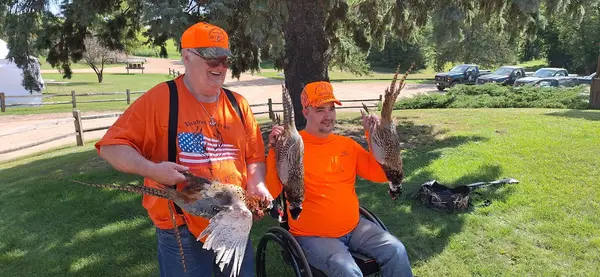
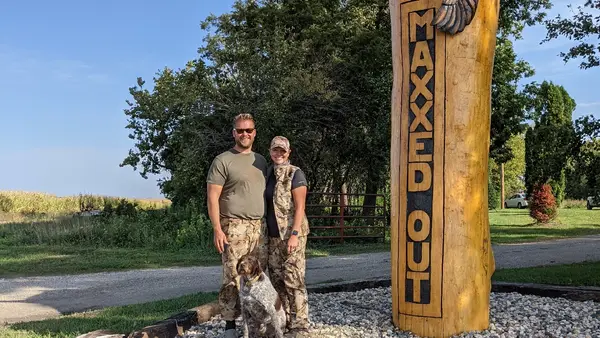
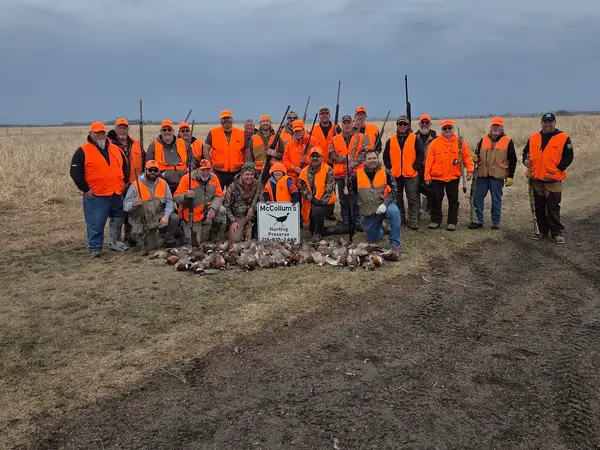
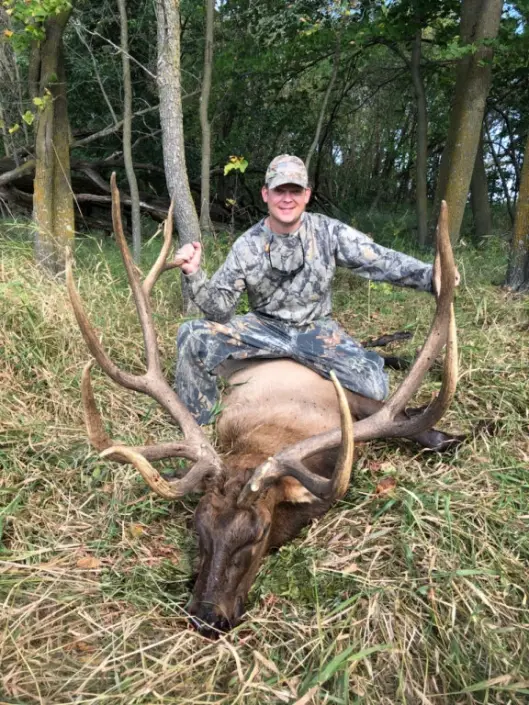
Top camping
Most-booked campgrounds in Minnesota
Federal campgrounds in Minnesota that Recreation.gov lists for hunting, ranked by how many times they were booked in fiscal 2025.
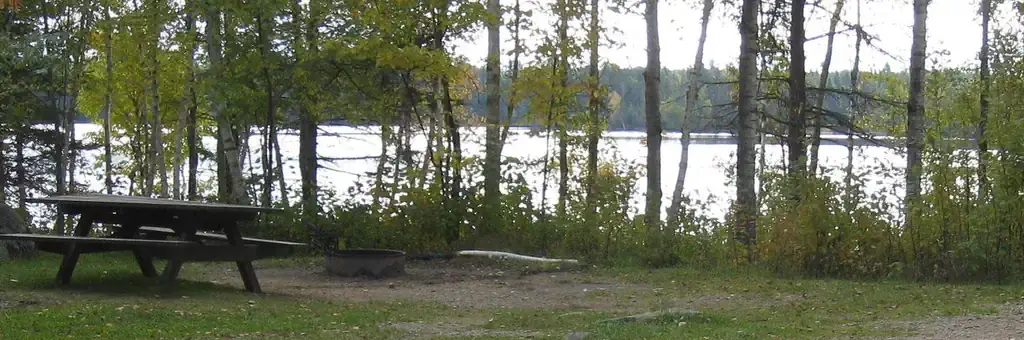
1
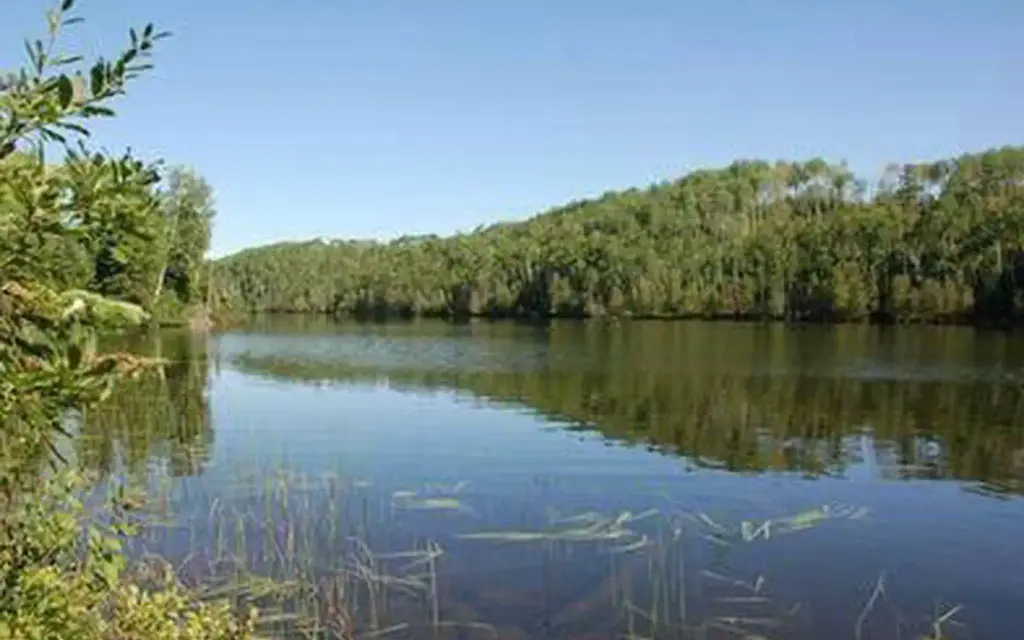
Sawbill Lake Campground - Superior National Forest
1,526 bookings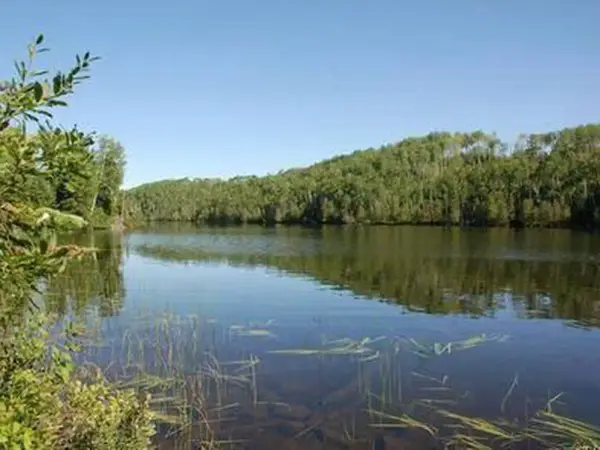 2
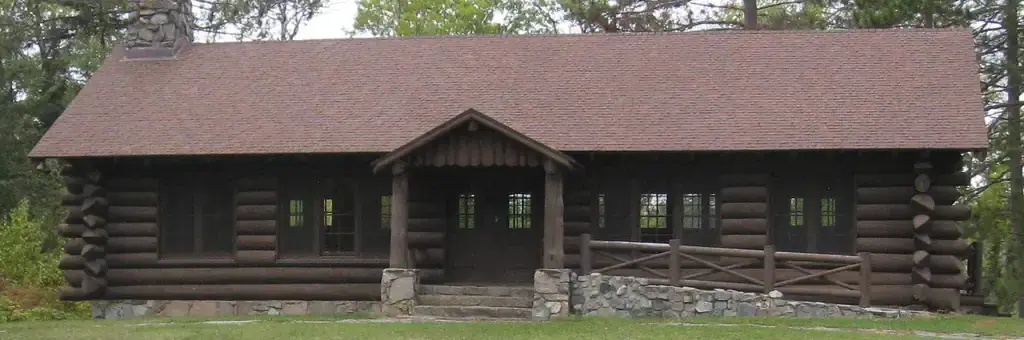
East Bearskin Lake Campground
700 bookings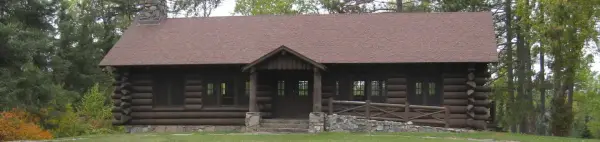 3
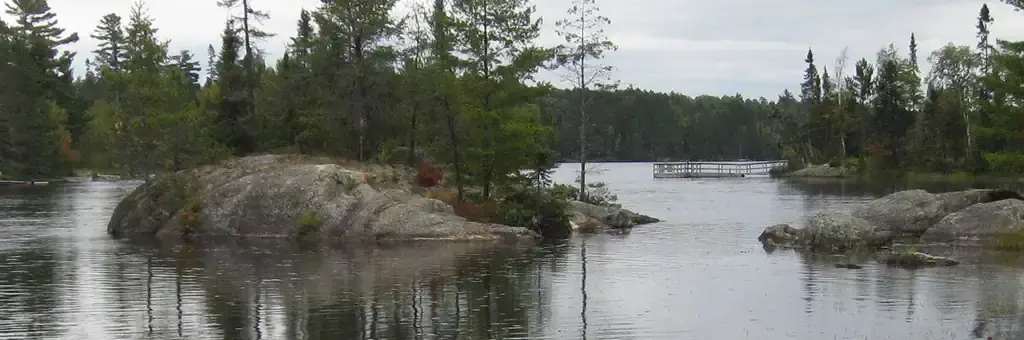
South Kawishiwi River
617 bookings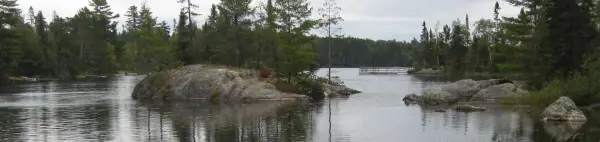 4
Fenske Lake Campground
474 bookings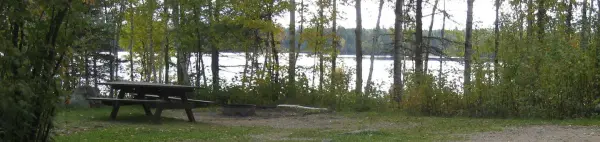 5
Birch Lake Campground
444 bookings
Bookings: Recreation.gov, fiscal 2025 (Oct 2024 to Sep 2025).
On the map
Outfitters in Minnesota
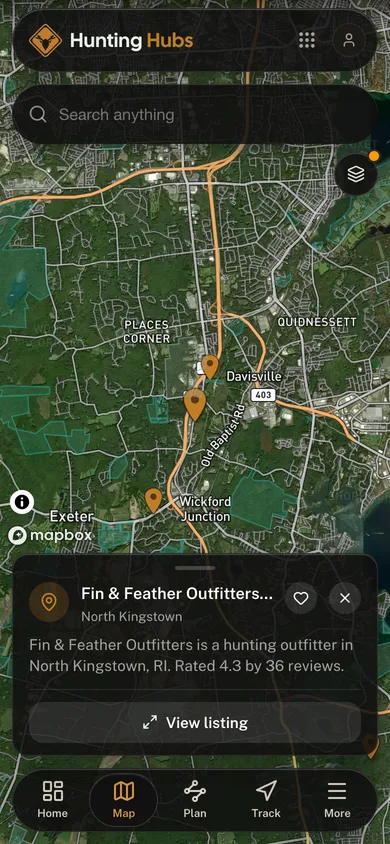
Everything we have mapped in Minnesota, on one map. Tap anything for its details.
Loads the full map of Minnesota. We leave it off by default so the page opens fast on mobile data.
About Minnesota
Quick facts
- Outfitters listed
- 36
- Best season
- May through October
Trip guide
Know before you go in Minnesota
Confirm current requirements with the agency that sets them before your trip. Rules and fees change every season.
Minnesota Hunting License
All hunters, resident and non-resident, must possess a valid Minnesota hunting license. Specific licenses are required for small game, big game, and waterfowl, often with additional endorsements or stamps depending on the species.
Minnesota DNRDeer and Bear Tagging & Registration
Hunters harvesting deer or bear must immediately validate their tag and register the animal within specified timeframes, either online or at an authorized station. Specific rules apply to party hunting for deer.
Minnesota DNRFirearms Safety Training
Individuals born after December 31, 1979, must complete a firearms safety certification course to purchase a hunting license in Minnesota. This requirement applies to both residents and non-residents.
Minnesota DNRMigratory Bird Stamps
Hunters pursuing migratory waterfowl (ducks, geese) must possess a federal migratory bird hunting and conservation stamp (Duck Stamp) and a Minnesota waterfowl stamp, in addition to their small game license.
01What game species are commonly hunted through clubs or leases in Minnesota?
02Are there specific license requirements for hunting on leased land in Minnesota?
03How do hunting club memberships typically work in Minnesota?
04What are the benefits of joining a hunting club versus leasing private land independently?
05Can non-residents join hunting clubs or lease land in Minnesota?
06What should I look for when evaluating a hunting lease property?
When to go
Season by season in Minnesota
Spring (April - May)
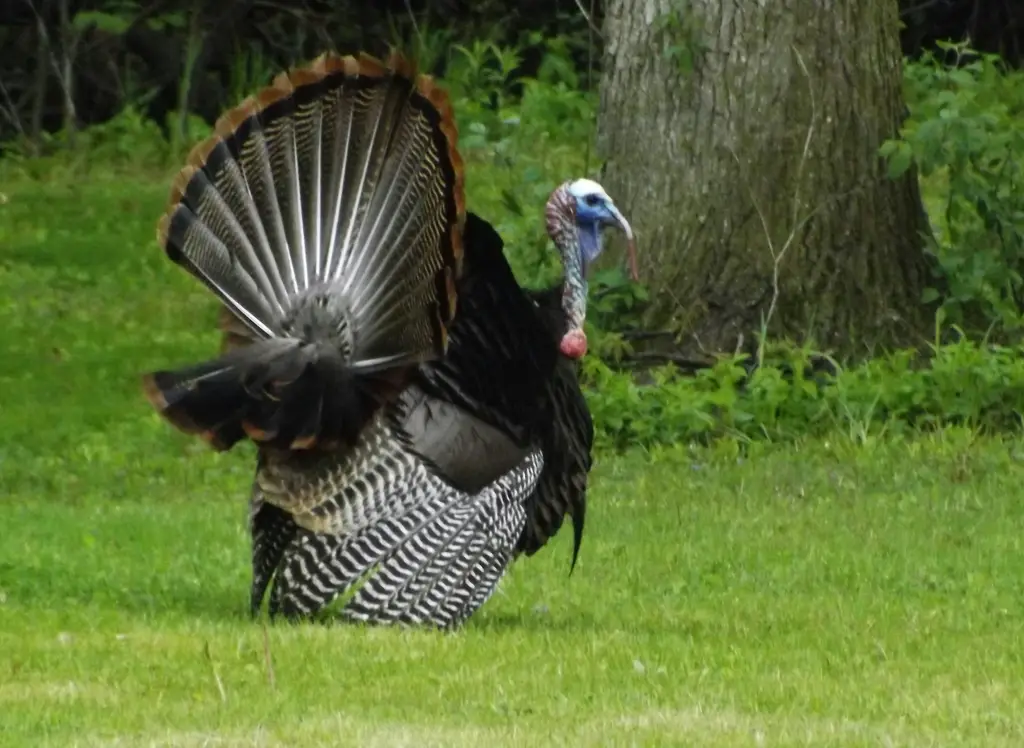
Lease-shopping season. Walk properties while the woods are still open, assess habitat, and get food plots turned before green-up. Clubs hold annual meetings and set the fall calendar, and turkey leases go live for members chasing gobblers.
Summer (June - August)
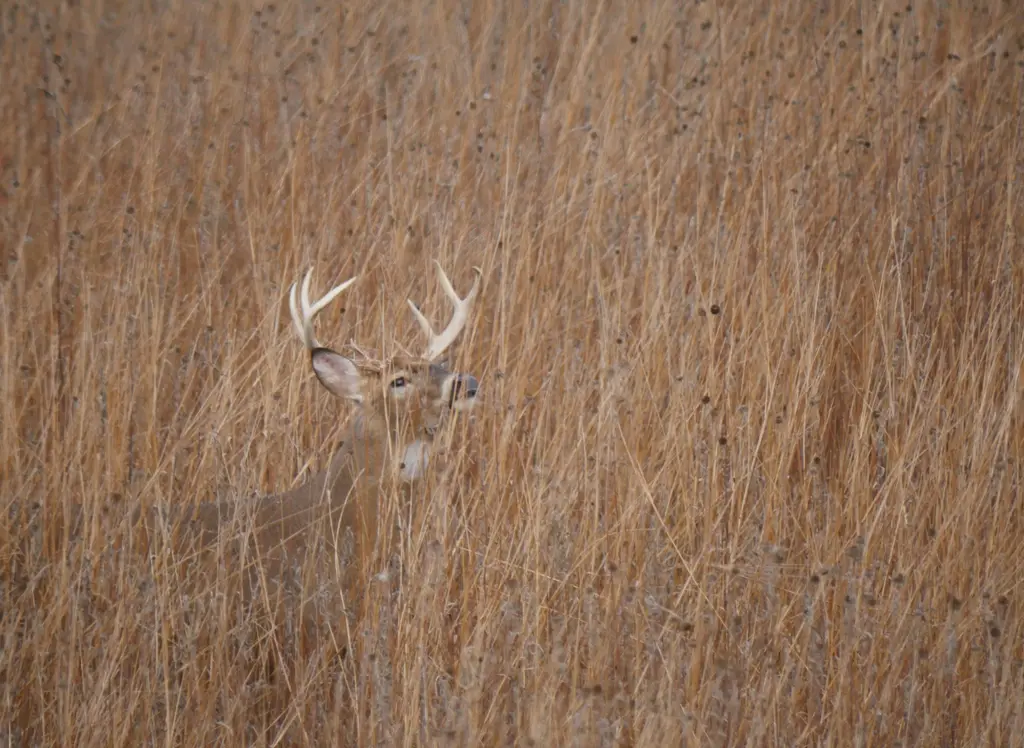
Trail cameras go up, stands get checked and re-strapped, and habitat work continues through the heat. It's also when youth programs run and members put in range time, the quiet groundwork that fall depends on.
Fall (September - December)
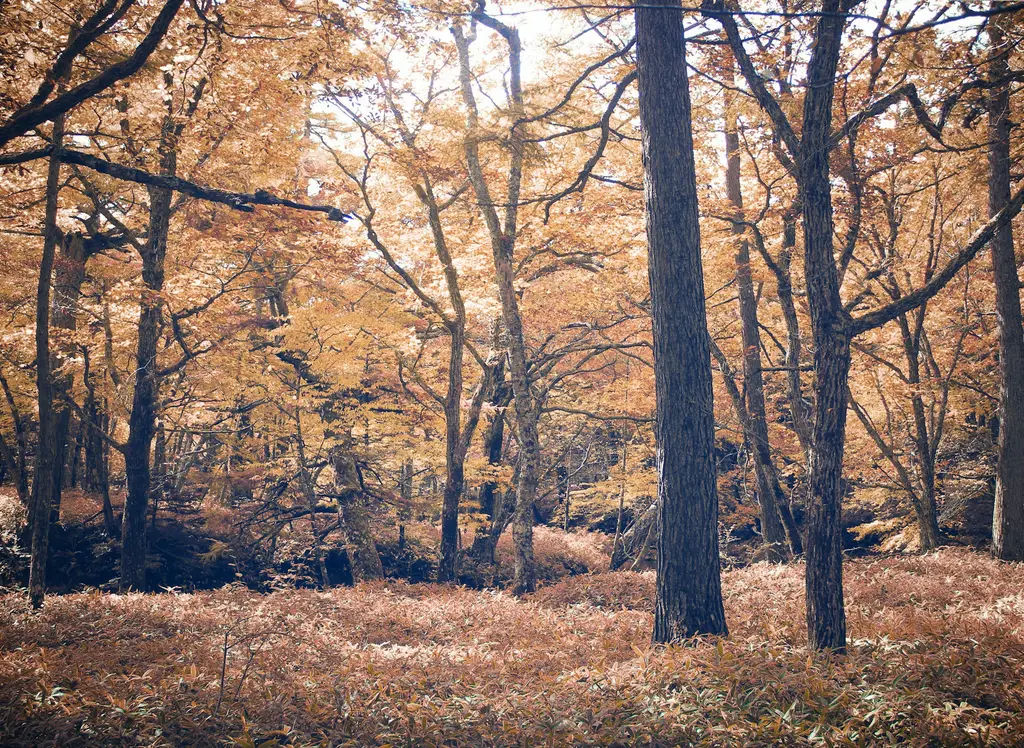
Everything happens at once: deer, bear, waterfowl, pheasants. Leases run at full tilt, camps fill, and the shared work of the off-season pays out in the stand. This is the stretch every agreement is really written for.
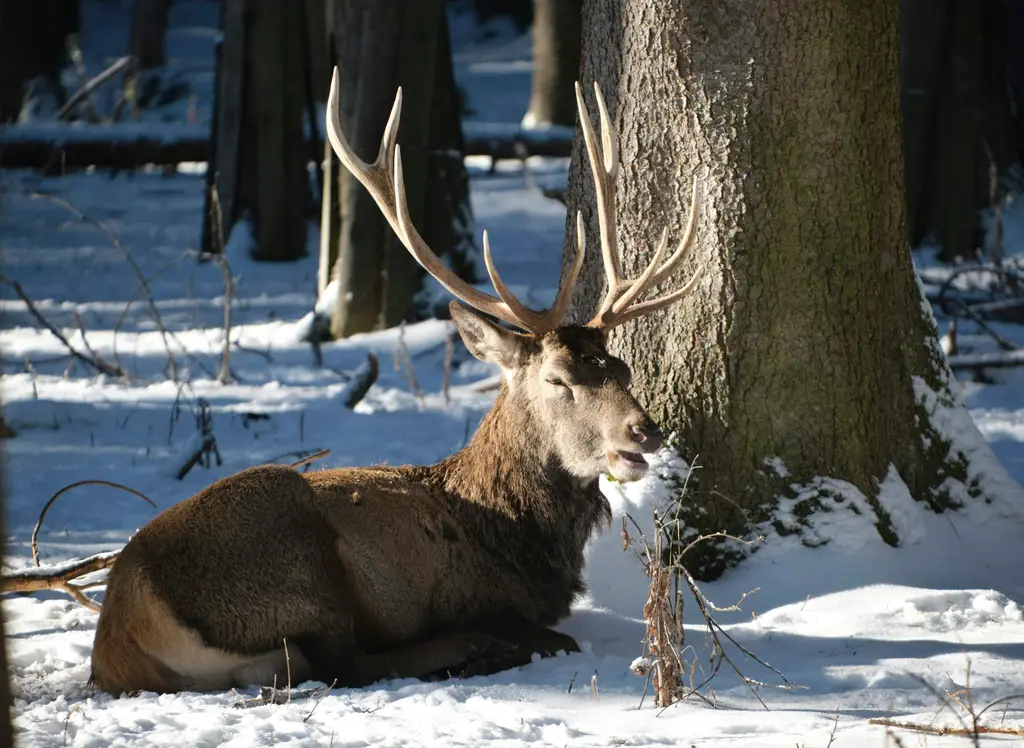
Winter (January - March)
Stands come down, late-season deer chances play out, and clubs turn to the ledger: what worked, what didn't, what to change. Maintenance projects and camp gatherings carry members through until spring scouting starts again.
Free tools
Your free outdoor toolkit

Keep exploring