Hunting Outfitters · Colorado
Hunting Outfitters in Colorado
Hunt 38 outfitters across Colorado. Maps, hours, contact info, photos, and verified operator profiles, all in one place.
58 fourteeners, alpine basins, and the headwaters of seven major rivers.
Updated
All listings
38 outfitters in Colorado
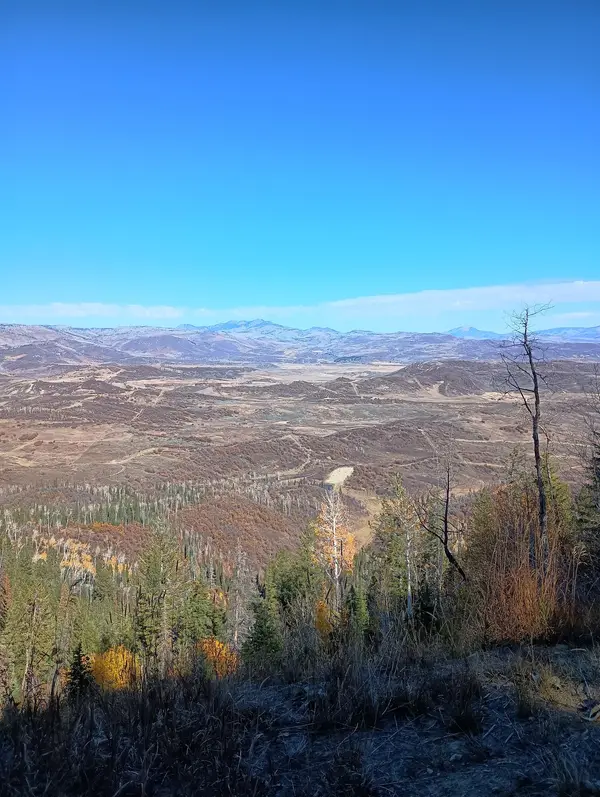
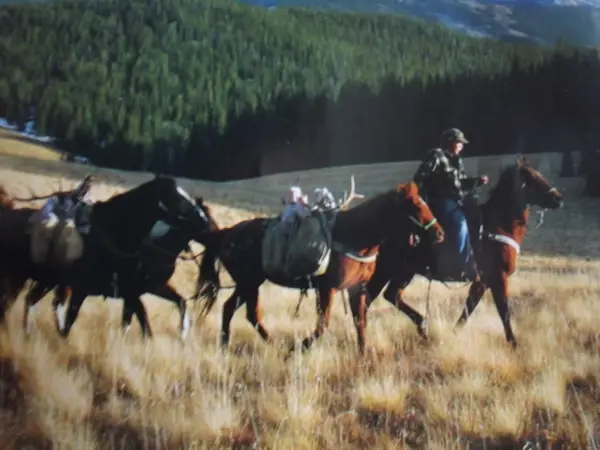
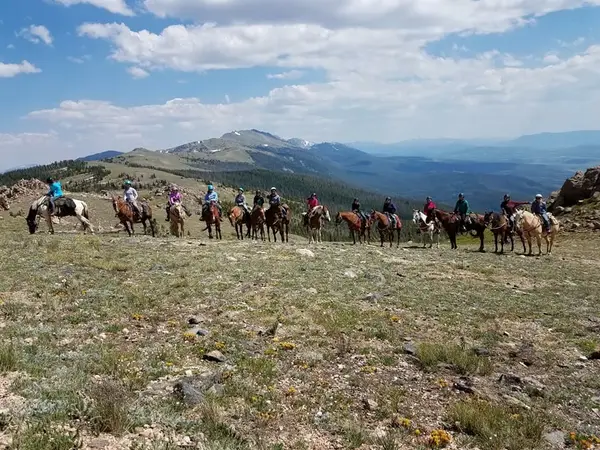
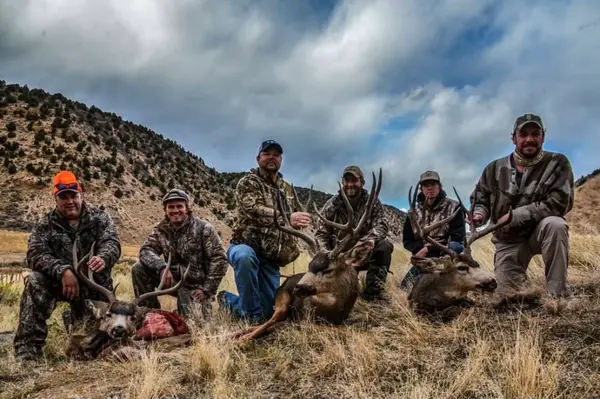

On the map
Outfitters in Colorado
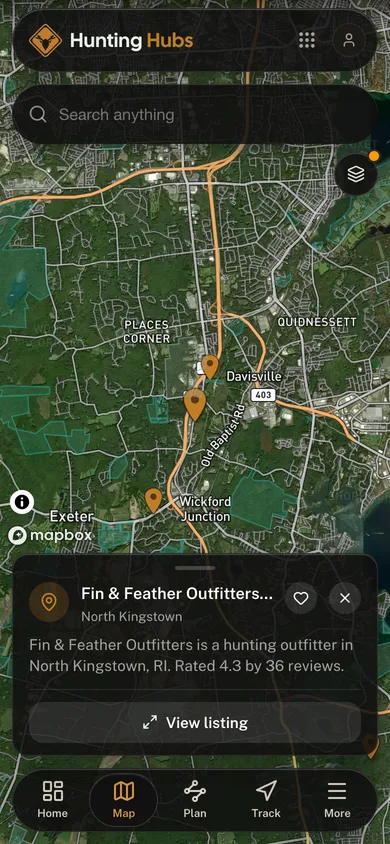
Everything we have mapped in Colorado, on one map. Tap anything for its details.
Loads the full map of Colorado. We leave it off by default so the page opens fast on mobile data.
About Colorado
Quick facts
- Outfitters listed
- 38
- Best season
- June through September
Trip guide
Know before you go in Colorado
Federal permits, lotteries and timed-entry reservations in Colorado, from Recreation.gov.
Confirm current requirements with the agency that sets them before your trip. Rules and fees change every season.
Colorado Hunting License
All hunters, regardless of age, must possess a valid Colorado hunting license. Annual licenses are available for residents and non-residents. Specific big game tags are purchased in addition to the base hunting license.
Hunter Education Requirements
Anyone born on or after January 1, 1949, must complete an approved hunter education course to purchase a Colorado hunting license. Proof of certification from any state or province is accepted. Exceptions may apply for those with prior licenses, verify with CPW.
Colorado Parks & WildlifeBig Game Tag Application and Draw
Deer and pronghorn tags are distributed through a limited license draw requiring a spring application, while elk offers both limited-draw and over-the-counter tags, over-the-counter bull elk tags are sold for the second and third rifle seasons without a draw. Hunters must accumulate preference points for certain units and species to improve their draw odds. Landowner Preference (LP) tags are available for qualifying private land, which can offer an advantage for those hunting on leased ground.
Colorado Parks & WildlifePrivate Land Access Permission
Hunting on private land in Colorado, whether leased or through a club, requires explicit permission from the landowner or lease manager. It is illegal to trespass or hunt on private property without consent. Always carry proof of your right to hunt on the property.
01Why should I consider a hunting club or lease in Colorado instead of public land?
02What types of game can I expect to hunt on private leased land in Colorado?
03Are big game tags easier to obtain if I'm hunting on private land in Colorado?
04What are common responsibilities or expectations for members of a Colorado hunting club?
05How far in advance should I look for a hunting club or lease in Colorado?
06What is the typical cost structure for a hunting club or lease in Colorado?
When to go
Season by season in Colorado
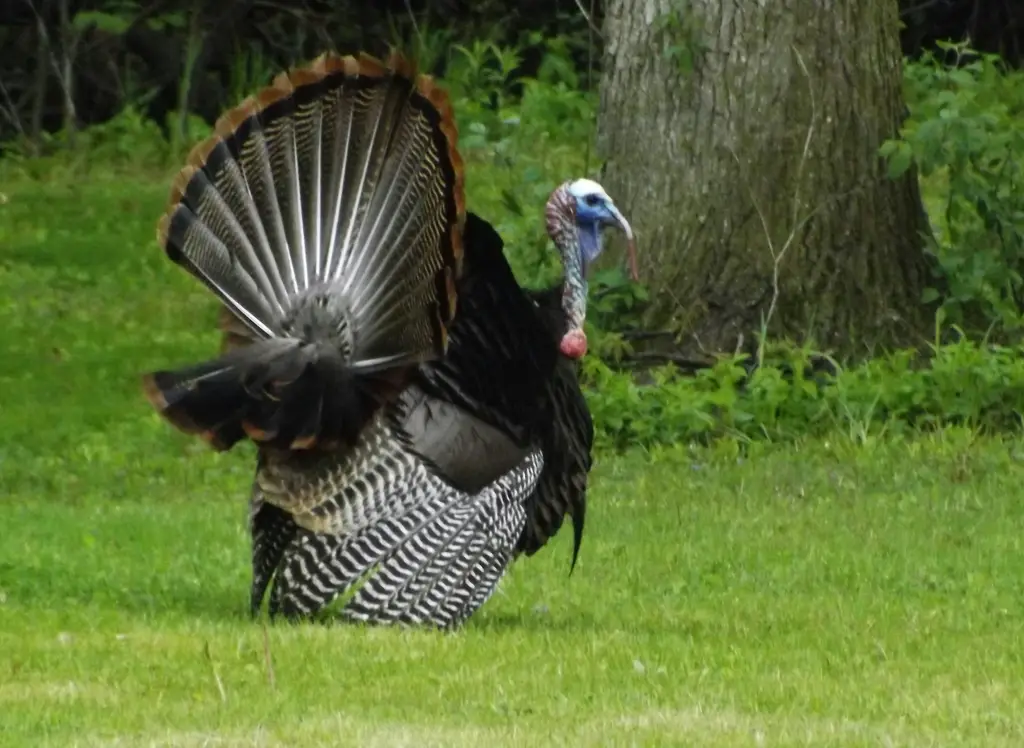
Spring (March - May)
Spring on club ground means turkey hunting, walking for shed antlers, and the year's dirt work. Members plant food plots, clear trails, and rebuild blinds while the ground is soft and the fall still feels far off.
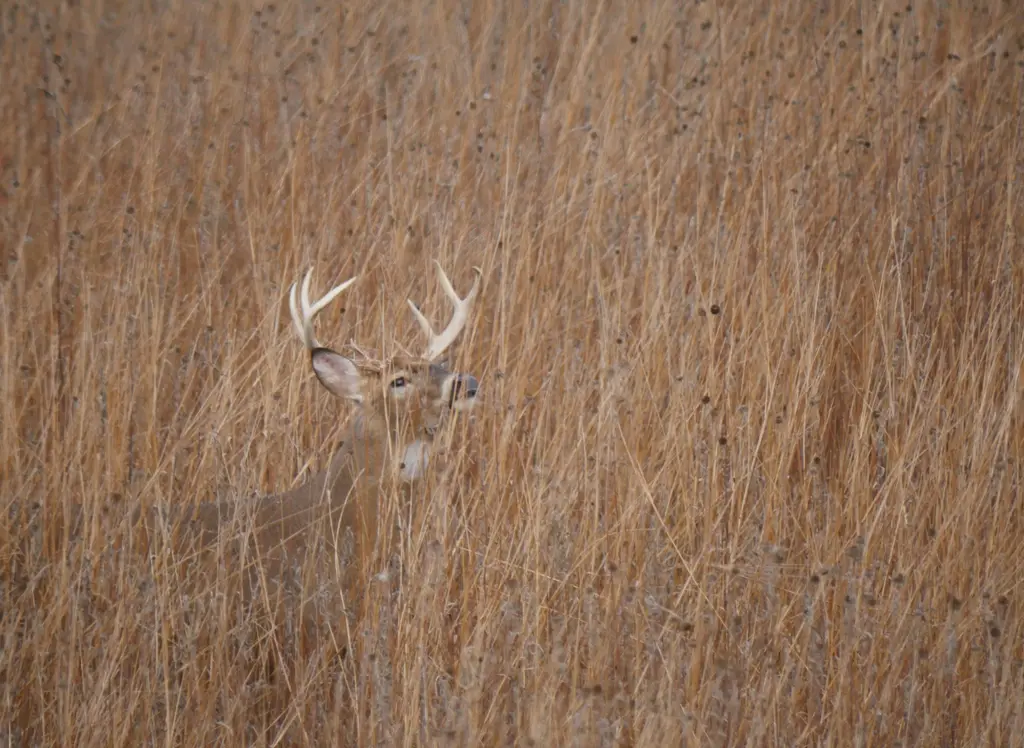
Summer (June - August)
Summer is camera season. Trail cams go up, scouting trips stack up, and habitat projects get finished before the animals shift into fall patterns. Little trigger time, but the members who put in July miles tend to fill tags in October.
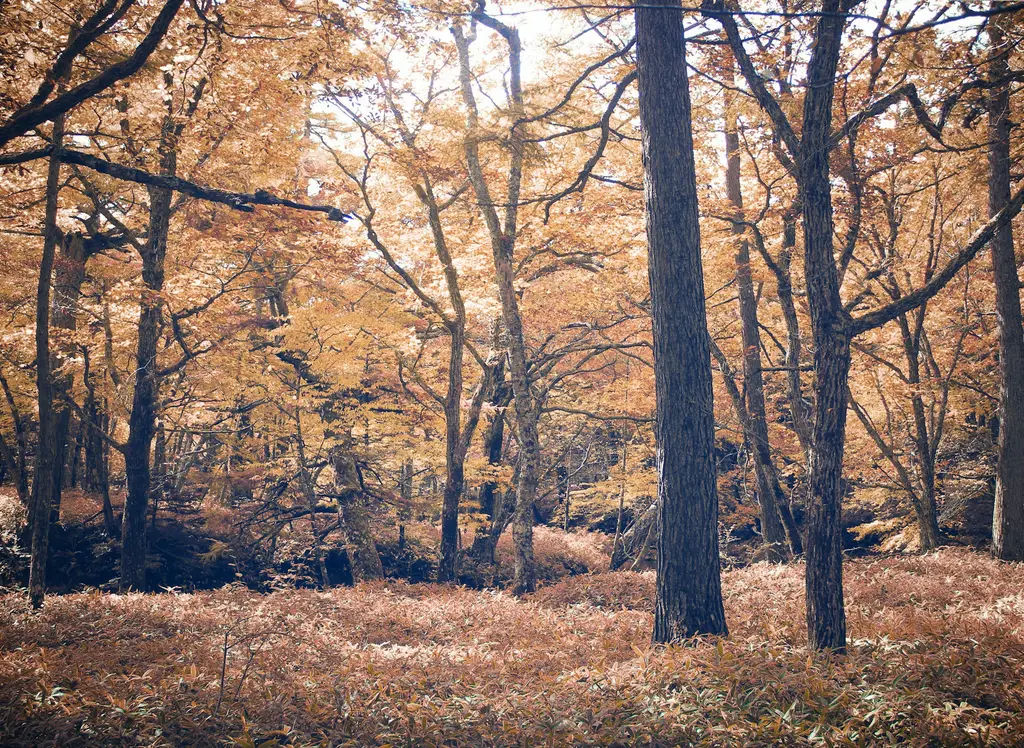
Fall (September - November)
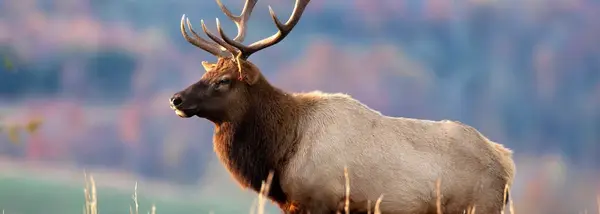
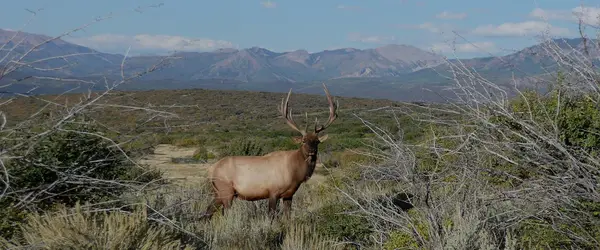
Fall is the whole point. Archery and rifle seasons for elk, deer, and pronghorn stack through these months, and leased ground earns its keep: exclusive access, a management plan, and animals that haven't been bumped by a parade of strangers.
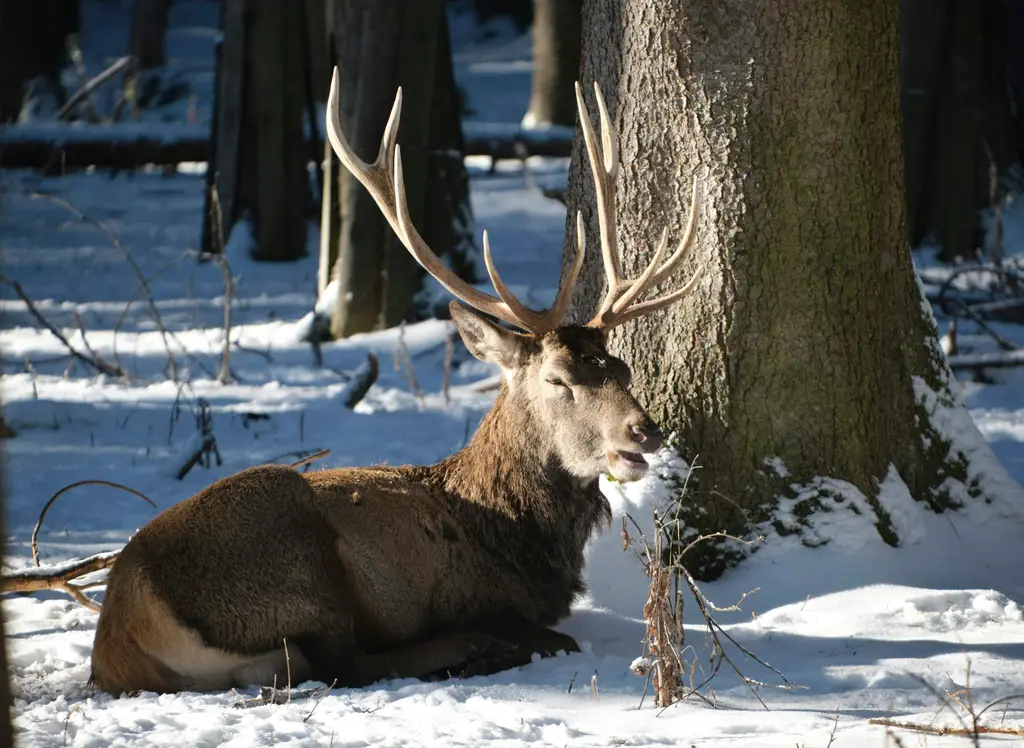
Winter (December - February)
Winter brings late-season chances for certain species and predator hunting for members who don't mind the cold. It's also the accounting season: what worked, what didn't, and what needs fixing before the spring thaw.
Free tools
Your free outdoor toolkit

Keep exploring