Hunting Outfitters · West Virginia
Hunting Outfitters in West Virginia
Hunt 13 outfitters across West Virginia. Maps, hours, contact info, photos, and verified operator profiles, all in one place.
Mountain State. Monongahela, the New River Gorge, and the Allegheny Plateau.
About West Virginia
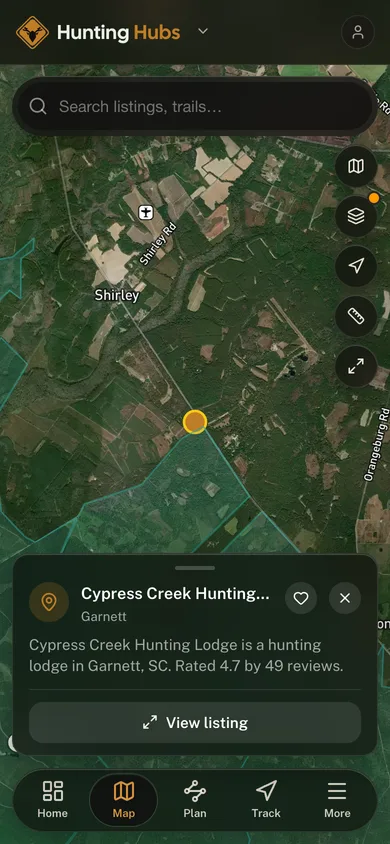
13 on the map
Tap a pin to open its profile.
Quick facts
- Outfitters listed
- 13
- Best season
- April through November
All listings
13 outfitters
across West Virginia
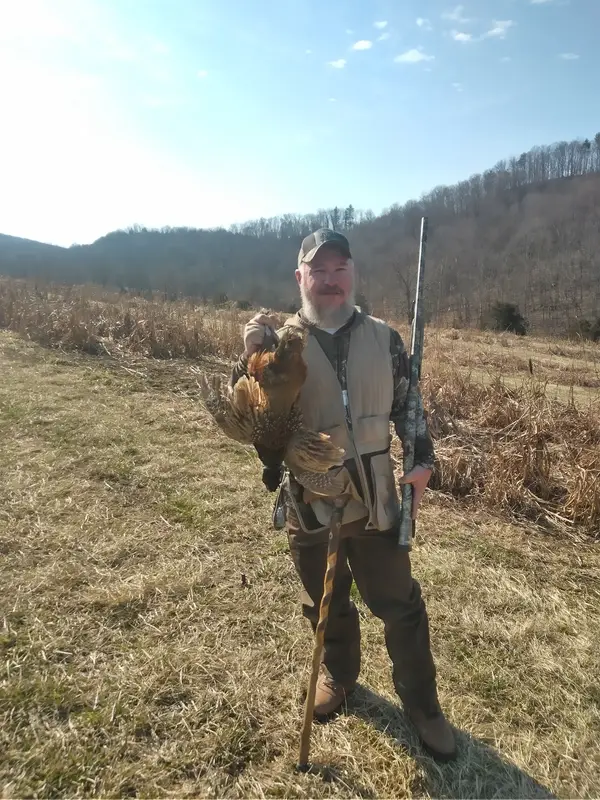
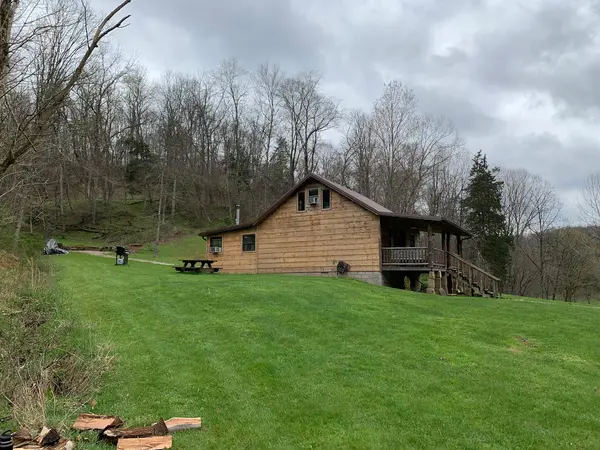
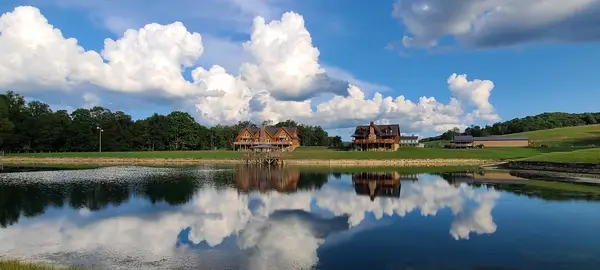
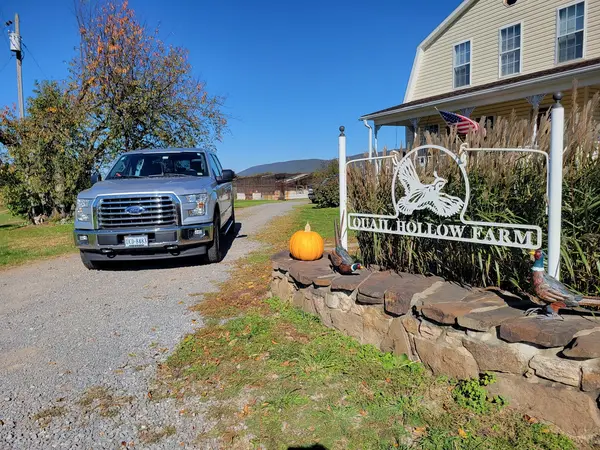
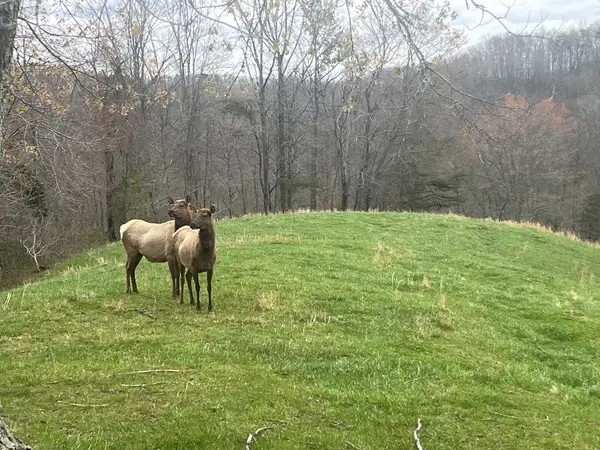
Plan your trip
Plan your trip to West Virginia
Game Species and Seasons
West Virginia offers hunting for whitetail deer (archery, muzzleloader, firearm), black bear (archery, muzzleloader, firearm), wild turkey (spring and fall), and various small game species like squirrel, rabbit, and grouse. Season dates and bag limits vary by species and county; always consult the current West Virginia Hunting and Trapping Regulations.
License and Tag Requirements
All hunters, resident and non-resident, must possess a valid West Virginia hunting license. Specific stamps or permits are required for certain species, such as deer, bear, and turkey. Non-residents will need to purchase appropriate non-resident licenses and stamps, which are generally higher in cost.
Private Land Access
Hunting on leased land or private hunting club property requires explicit written permission from the landowner or club manager. This permission typically comes with membership or lease agreements. Public lands have different regulations regarding access and hunting pressure.
Diverse Terrain Types
West Virginia's hunting grounds feature a mix of steep, forested Appalachian slopes, dense hardwood bottoms along rivers, and some agricultural fringe areas. Hunters should be prepared for varied terrain, which may include challenging climbs and dense cover, impacting hunting methods and gear choices.
Club Membership Norms
Hunting clubs and lease groups in West Virginia often operate with established rules, including annual dues, shared workdays for habitat maintenance, and specific regulations regarding stand placement, guest policies, and harvest reporting. Prospective members should inquire about these norms before joining.
Confirm current requirements with the state agency before your trip. Rules and fees change every season.
Hunting License and Stamps
All individuals hunting in West Virginia must possess a valid hunting license. Additionally, specific stamps are required for certain game species (e.g., bear, deer, turkey). Non-residents must obtain non-resident licenses and applicable stamps.
Hunter Education Requirement
Anyone born on or after January 1, 1975, must successfully complete an approved hunter education course to hunt in West Virginia. This requirement applies to both residents and non-residents, regardless of whether hunting on private leased land or public ground.
Private Land Permission
Hunting on any private land, including leased property or hunting club grounds, requires the express permission of the landowner or the authorized club representative. Hunters must be able to demonstrate this permission if requested by law enforcement.
Big Game Tagging
Hunters harvesting big game species like deer or bear must immediately attach a valid tag to the animal and complete the electronic game checking process as required by the state. This ensures proper record-keeping and adherence to bag limits.
- 01
1. Understand West Virginia Regulations
Read the current West Virginia Hunting and Trapping Regulations first: season dates, bag limits, license requirements, and legal methods for your target species. It's the foundation for every decision after.
- 02
2. Determine Target Species and Season
A bear lease and a turkey lease are different ground. Settle on what you're hunting and when, and let that narrow the properties worth your attention.
- 03
3. Search for Clubs or Leases
Use platforms like Hunting Hubs to find clubs and leased properties in West Virginia matching your species, region, and budget. Read past the acreage number, amenities and property rules matter over a full season.
- 04
4. Contact and Vet Potential Options
Get the manager or landowner on the phone and ask the specifics: membership terms, game populations, club rules, required workdays. Walk the property if you can, steep ground in particular has to be seen.
- 05
5. Secure Licenses and Permits
Once you're in, buy your West Virginia licenses, stamps, and permits well ahead of the season, and confirm your hunter education requirement is squared away.
01What game species are commonly hunted on West Virginia leases and club grounds?
02Are non-residents permitted to join hunting clubs or lease land in West Virginia?
03What is the typical duration of a hunting lease in West Virginia?
04Do hunting clubs or leases in West Virginia typically provide amenities like cabins or stands?
05What are the general expectations for members of a West Virginia hunting club?
06Is hunter education required for individuals hunting on leased land in West Virginia?
When to go
Season by season in West Virginia
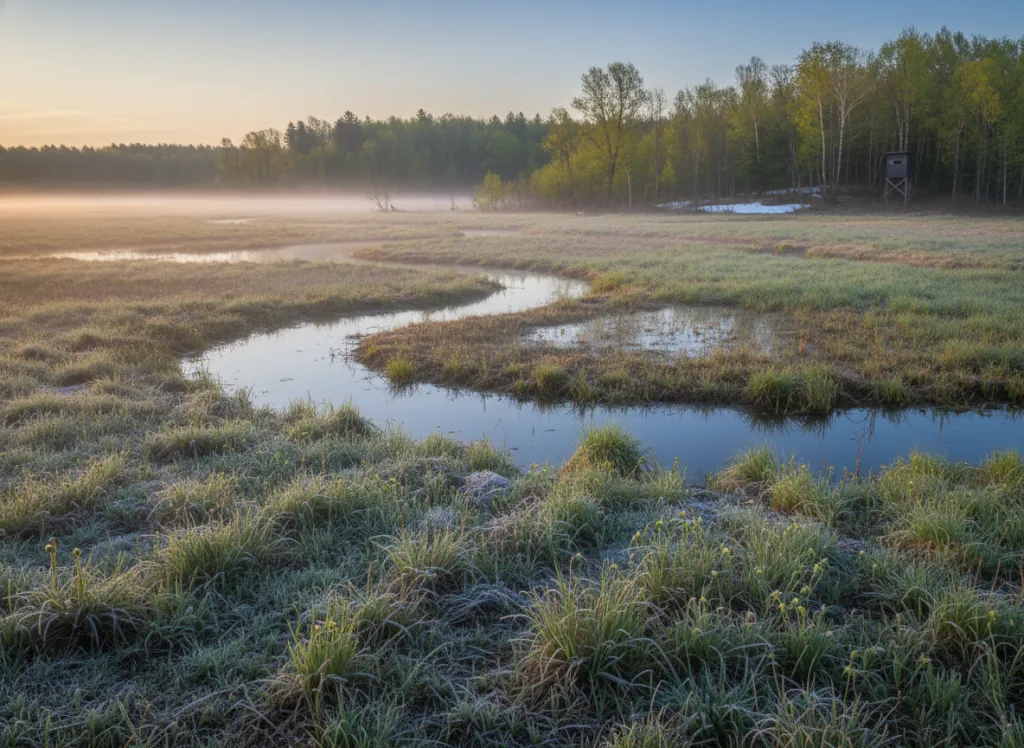
Spring
Gobbler season, the payoff for clubs that know their ridges, since a bird answering from the next hollow is half the hunt. Spring also opens the work calendar: scouting, hanging trail cameras, and laying out where the food plots will go.
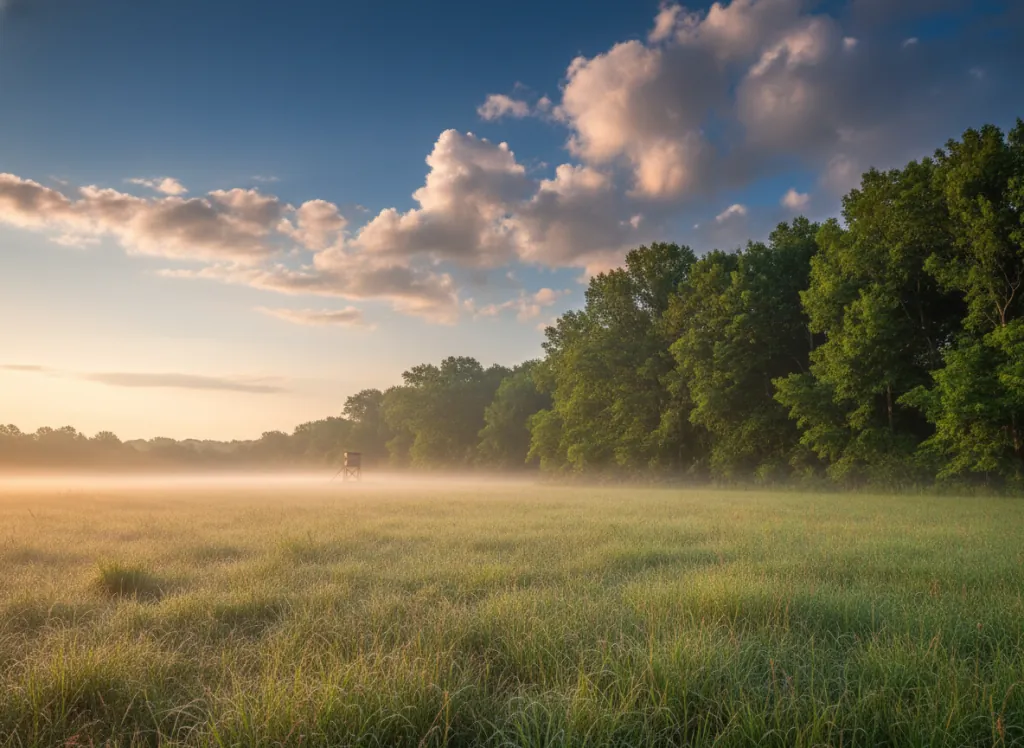
Summer
Plots get planted, trails get cut back before the growth swallows them, and stands come down the mountain for repair. Trail camera surveys run all summer, building the picture of what's on the property before anyone climbs a stand.

Fall
The season everything else points at. Archery, muzzleloader, and firearm seasons for deer and bear stack up through the calendar, and clubs are at full strength: coordinating group hunts, dragging harvests off the mountain, and holding each other to the property rules.
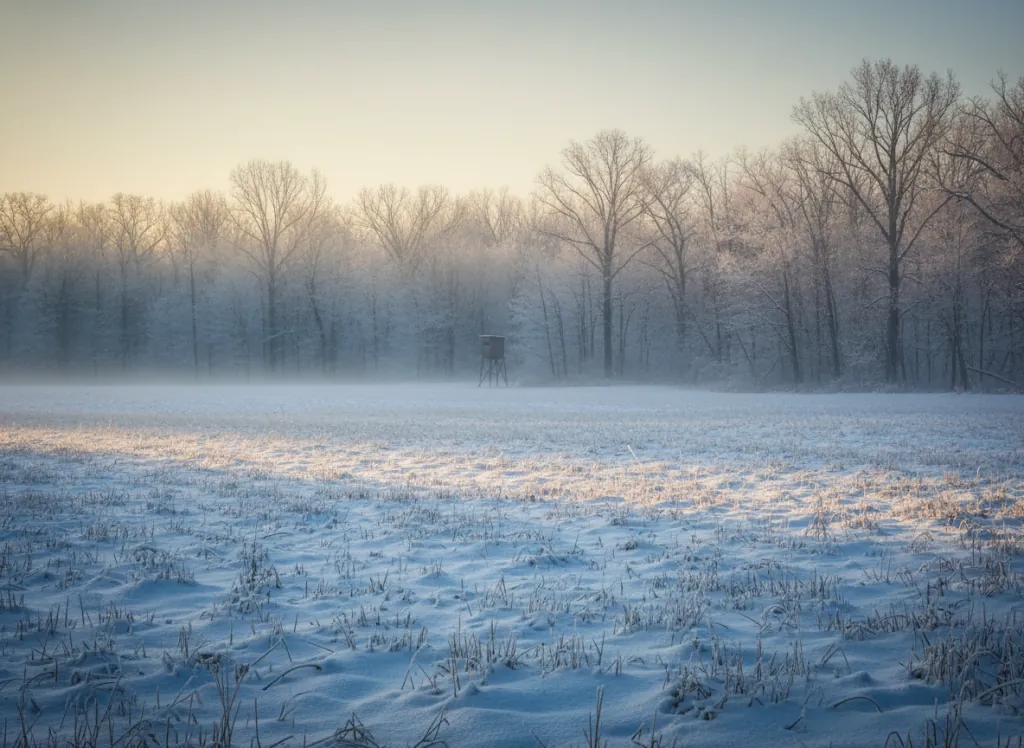
Winter
Late deer and small-game seasons keep boots on the ground into the cold months. When the hunting closes, the work opens: stand maintenance, habitat projects, and the club meetings where next year's plans and budgets get argued out.
Free tools
Your free outdoor toolkit

Everything Map
Listings, trails, spots, clubs and public land on a single full-screen map. Switch layers on and off, then tap any point for the details.
Open Everything MapTrail Explorer
Browse a community map of named trails with distance, difficulty, and where each one starts.
Open Trail ExplorerRoute Planner
Drop stops on a map and watch distance and drive time add up. Export a GPX or share the link.
Open Route PlannerHunting Clubs
Browse local clubs with meeting info and how to join, or start your own for free.
Open Hunting ClubsPhoto ID
Point your camera at whatever you found and get a structured identification. No signup.
Open Photo IDGear Checklists
Printable, save-as-you-go packing lists. Tick items off and pull them up on your phone.
Open Gear Checklists


Keep exploring