Hunting Outfitters · Virginia
Hunting Outfitters in Virginia
Hunt 30 outfitters across Virginia. Maps, hours, contact info, photos, and verified operator profiles, all in one place.
Shenandoah, the Chesapeake, and the southern Appalachians.
About Virginia
30 on the map
Tap a pin to open its profile.
Quick facts
- Outfitters listed
- 30
- Best season
- April through November
All listings
30 outfitters
across Virginia
Watch it live
Live webcams in Virginia
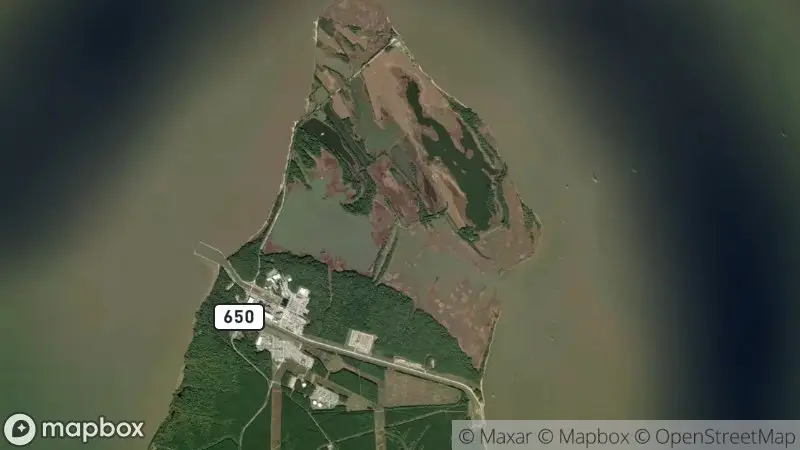 Location
Hog Island Wildlife Management Area
via HDOnTap
Watch livePlan your trip
Plan your trip to Virginia
Game Species and Seasons
Virginia offers robust populations of whitetail deer, wild turkey, black bear, and various small game. Seasons vary by species and region; for instance, deer seasons typically run from early fall through winter, with specific dates for archery, muzzleloader, and firearm. Bear seasons are often split, and turkey seasons include both spring gobbler and fall opportunities.
License and Tag Requirements
All hunters, including those on private leased land, must possess a valid Virginia hunting license. Specific tags or stamps are required for certain species like deer, bear, and turkey. Non-residents face higher license fees, and special draw lotteries may apply for limited quota hunts, though these are less common on private leases.
Private Land Access
Hunting on leased land or through a club requires permission from the landowner or club manager. This access is distinct from public land hunting, offering exclusive use and often less competition. Ensure you have proof of permission, such as a lease agreement or club membership card, when hunting on private property.
Terrain Types
Virginia's diverse terrain impacts hunting strategies. Expect hardwood bottoms and mature pine forests in the Piedmont, steep mountainsides and dense cover in the Appalachians, and marshy wetlands and agricultural fields in the Tidewater. Understanding the local terrain is key to selecting appropriate hunting methods and gear.
Club Membership Norms
Joining a hunting club in Virginia typically involves an application, membership fees, and adherence to club bylaws. These often cover harvest limits, guest policies, work day participation, and ethical conduct. Many clubs emphasize camaraderie and shared responsibility for property management and wildlife conservation.
Confirm current requirements with the state agency before your trip. Rules and fees change every season.
Virginia Hunting License
All individuals hunting in Virginia, regardless of land ownership or club membership status, must possess a valid Virginia hunting license. This includes both residents and non-residents. Specific licenses or stamps may be required for certain game species like deer, bear, and turkey.
Virginia Department of Wildlife Resources (DWR)Hunter Education Requirement
Hunter education is required before buying a Virginia hunting license for anyone who is 12 to 15 years old or has never previously held a hunting license, Virginia applies no birth-year cutoff. This requirement applies to all hunters, including those operating on private leased lands or within a hunting club.
Deer/Bear/Turkey Tags
In addition to a general hunting license, specific tags or permits are required for hunting deer, bear, and turkey. These tags must be validated (notched) before the animal is moved in any way, and the harvest must then be reported through DWR's checking system (the Go Outdoors Virginia app, telephone, or internet), as specified by the Virginia Department of Wildlife Resources regulations.
Virginia Department of Wildlife Resources (DWR)Written Landowner Permission (for non-landowners)
While hunting on leased land implies permission, it is crucial for hunters to carry proof of permission from the landowner or leaseholder. For any hunting on private lands where you are not the owner, written permission is highly recommended and sometimes legally required, especially for certain activities or when crossing property boundaries.
Virginia Department of Wildlife Resources (DWR)
- 01
Understand Virginia's Regulations
Start with the current Virginia Department of Wildlife Resources (DWR) regulations: season dates, bag limits, and licensing for whatever you plan to hunt. Everything else builds on knowing the rules cold.
- 02
Obtain Required Licenses and Education
Buy your Virginia hunting license and the tags your species require: deer, bear, turkey. If you were born after July 1, 1971, complete an approved hunter education course first; the license can't be issued without it.
- 03
Research Clubs or Lease Opportunities
Decide which region fits the hunting you want, then dig into what's available there: clubs versus straight leases, what species the ground holds, what the terrain demands, what membership actually costs. The homework here saves regret later.
- 04
Visit and Vet Potential Properties/Clubs
Go walk the ground. Talk to current members or the landowner, look at the habitat and the infrastructure, and get every term of the deal (rules, access, responsibilities), spelled out plainly before you commit a dime.
- 05
Prepare Your Gear and Plan Logistics
With the lease secured, sort out the practical side: the right weapon and clothing for the terrain, safety equipment, travel, lodging if the property is far from home, and the documentation you need to carry when hunting private land.
01What is the primary benefit of joining a hunting club in Virginia?
02Are non-residents allowed to lease hunting land or join clubs in Virginia?
03What types of game are typically hunted on leased land in Virginia?
04How do hunting clubs manage game populations on their leased properties?
05What should I look for in a hunting lease agreement in Virginia?
06Do Virginia hunting clubs provide lodging or other amenities?
When to go
Season by season in Virginia
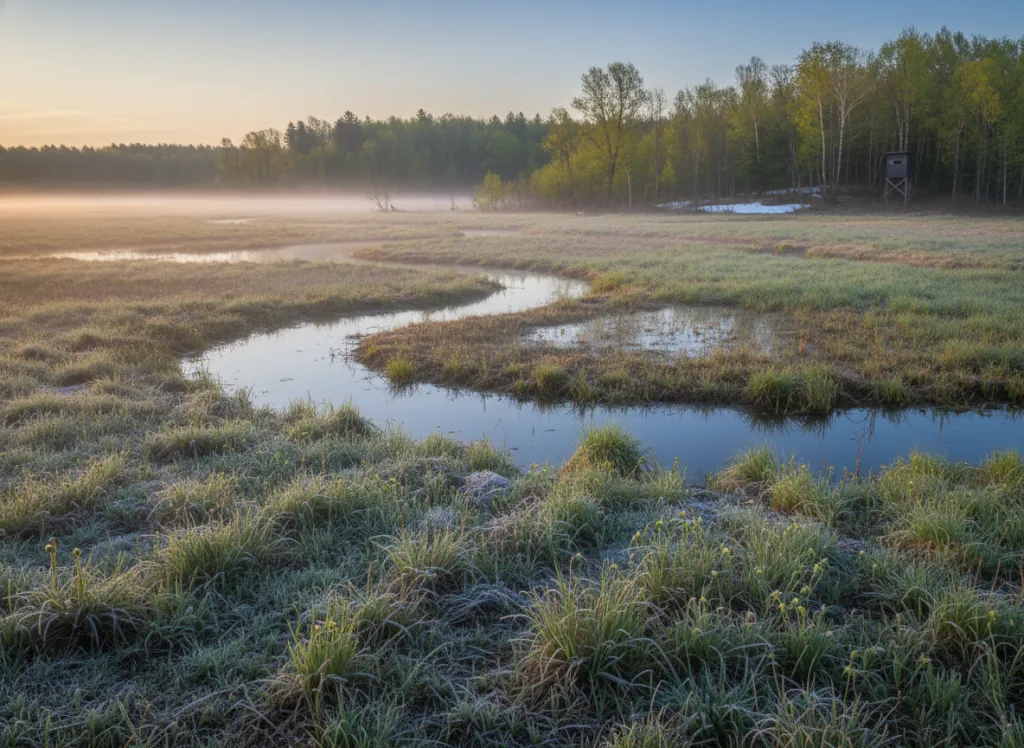
Spring
Spring belongs to the gobblers. Clubs and lease members manage strutting zones and roosting areas, scout hard, and put in the mornings: full camouflage, patient calling, and the particular tension of a tom hanging up just out of range.
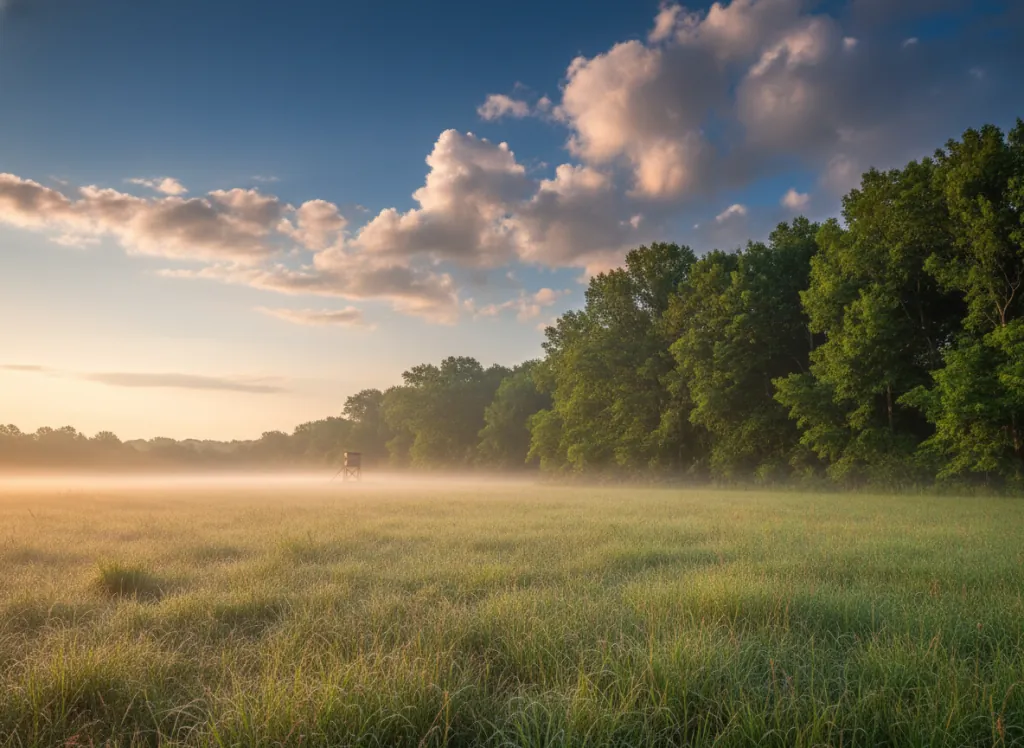
Summer
Summer is the investment season: food plots go in, trails get cleared, stands get checked and rehung. Camera cards come out weekly, and members start building a picture of the deer herd they'll be hunting when the leaves turn.
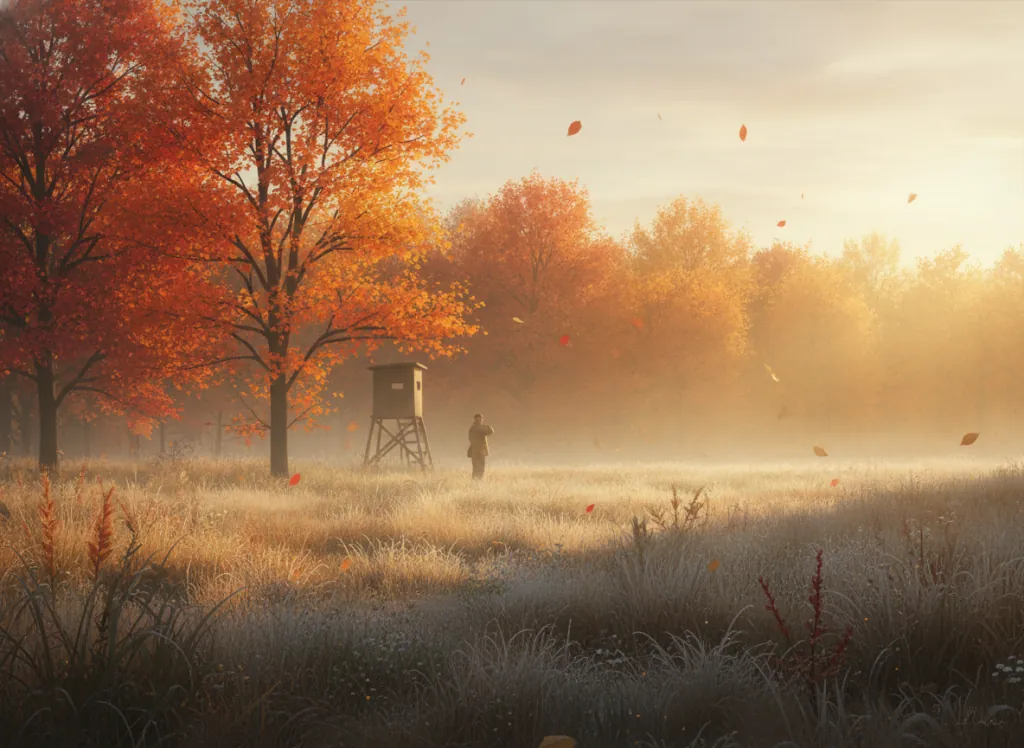
Fall
Fall is the payoff, whitetail and bear seasons open and club properties come alive. Members coordinate hunts, watch their harvest quotas, and hunt the rut on ground they spent all summer improving, with early migratory birds adding to the calendar.
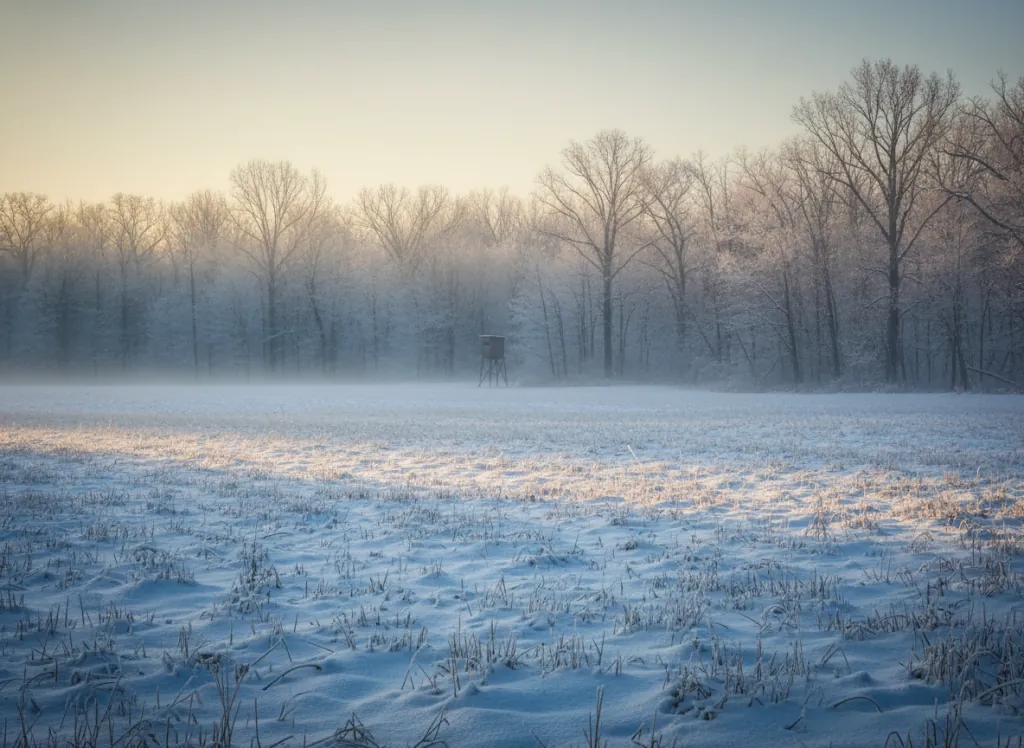
Winter
Winter carries the late deer seasons, often the antlerless management work, and puts the leased wetlands and river systems to use for waterfowl. Between hunts, clubs fix what broke, service equipment, and sketch next year's management plan.
Free tools
Your free outdoor toolkit

Everything Map
Listings, trails, spots, clubs and public land on a single full-screen map. Switch layers on and off, then tap any point for the details.
Open Everything MapTrail Explorer
Browse a community map of named trails with distance, difficulty, and where each one starts.
Open Trail ExplorerRoute Planner
Drop stops on a map and watch distance and drive time add up. Export a GPX or share the link.
Open Route PlannerHunting Clubs
Browse local clubs with meeting info and how to join, or start your own for free.
Open Hunting ClubsPhoto ID
Point your camera at whatever you found and get a structured identification. No signup.
Open Photo IDGear Checklists
Printable, save-as-you-go packing lists. Tick items off and pull them up on your phone.
Open Gear Checklists


Keep exploring