Skip to content
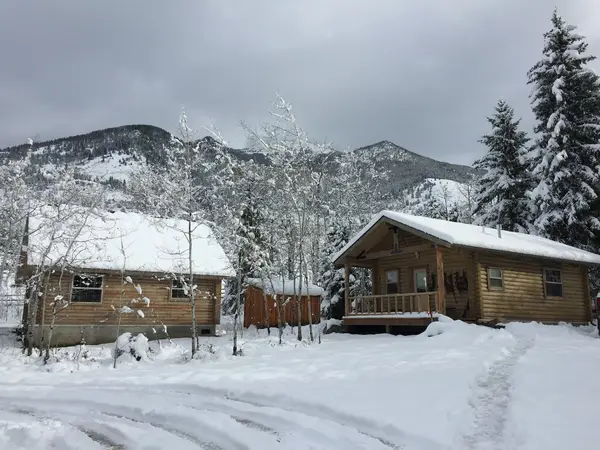
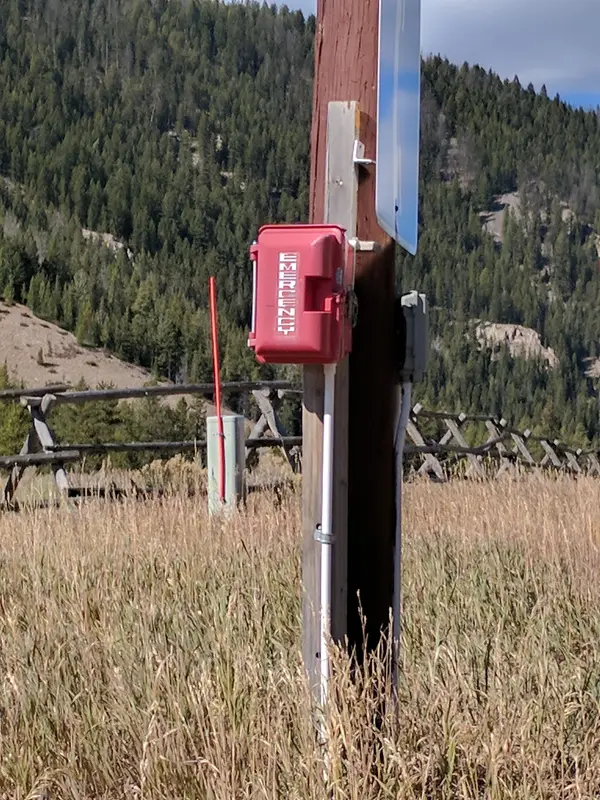
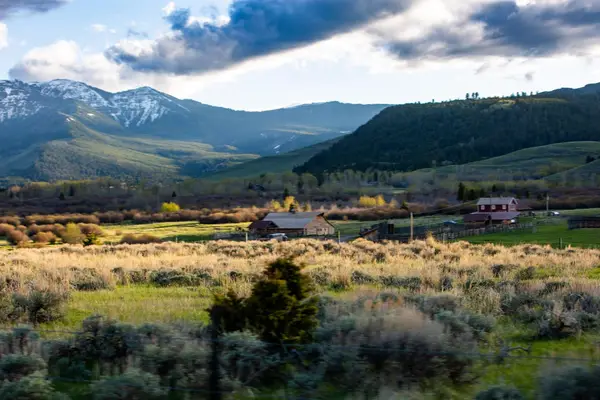
Montana hunting country. Backdrop for the Hunting Hubs Montana outfitter directory

Hunting Outfitters · Montana

Hunting Outfitters in Montana

Hunt 35 outfitters across Montana. Maps, hours, contact info, photos, and verified operator profiles, all in one place.

Big Sky country. Glacier, the Bob, and the Yellowstone headwaters.

Updated

All listings

35 outfitters in Montana
All states

Get listed free

Run a outfitter in Montana? Add it to Hunting Hubs. Free, no commission.

Add your listing

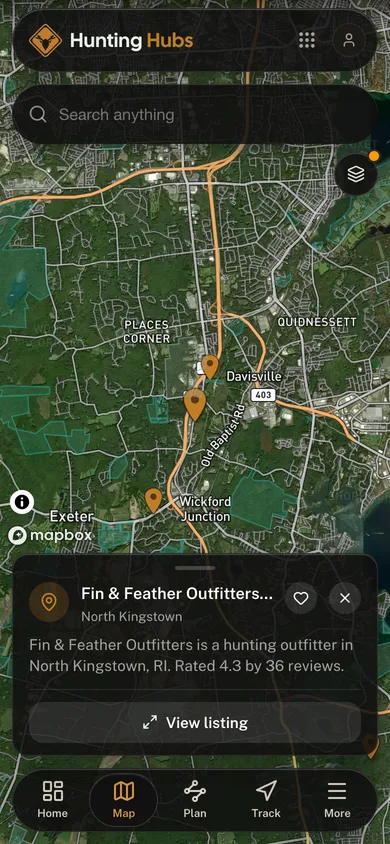
On the map

Outfitters in Montana

Everything we have mapped in Montana, on one map. Tap anything for its details.

Loads the full map of Montana. We leave it off by default so the page opens fast on mobile data.

About Montana

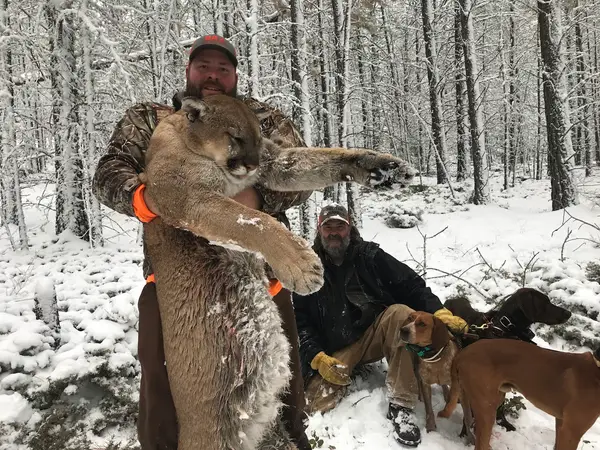
Montana is big-game country on a scale that changes how you plan a season. Rocky Mountain peaks in the west give way to rolling prairie in the east, and the private ground in between (wildlife corridors, grain fields, secluded timber), often borders or interlocks with immense public holdings. A club membership or lease buys what public land can't reliably deliver: consistent access to specific ground, away from the general pressure, where you know the animals and the animals haven't been pushed off by opening-weekend traffic.

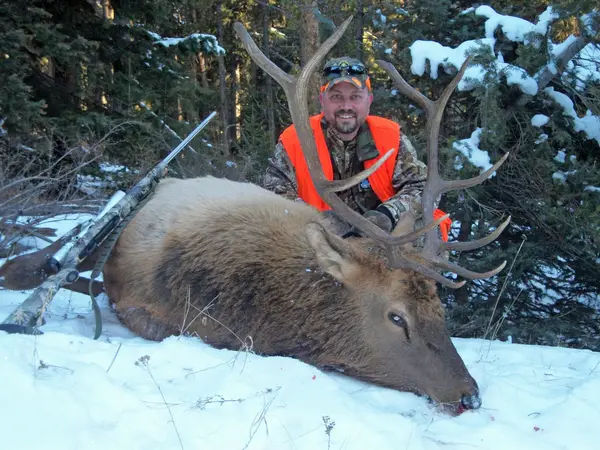
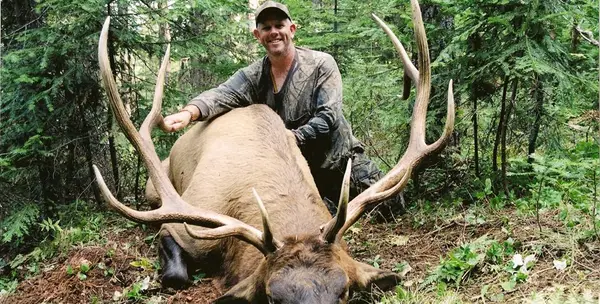
Big game is the reason most hunters come. Elk work the mountain country of the Bitterroot Range and the fringes of the Greater Yellowstone Ecosystem; whitetails and mule deer spread across the state from the Missouri and Yellowstone river bottoms up onto the high plains; pronghorn run the eastern prairies and make for fast, humbling hunts. The best leased properties sit on wintering ranges, migration routes, or prime feed, ground that concentrates animals year after year, and holding that ground lets a club manage habitat with a purpose instead of hoping.

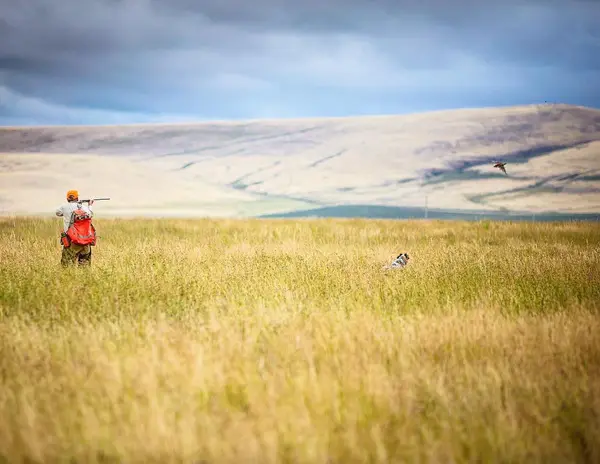
The bird hunting deserves more attention than it usually gets. Pheasants stack up where grain fields meet riparian cover through the central and eastern part of the state. Sharp-tailed, sage, and forest grouse each hold their own country, from open grassland to mountain timber. And the waterfowling along the major rivers and around reservoirs like Fort Peck can be world-class on the right day. Bird-focused clubs and leases tend to run tight operations: managed habitat, food plots, and hunting pressure metered carefully enough that the shooting holds up all season.

Quick facts

Outfitters listed
35
Best season
June through October

Trip guide

Know before you go in Montana

Federal permits, lotteries and timed-entry reservations in Montana, from Recreation.gov.

Confirm current requirements with the agency that sets them before your trip. Rules and fees change every season.

  • Montana Hunting License

    All hunters, resident and non-resident, must possess a valid Montana hunting license. This is the foundational requirement for any hunting activity within the state.

  • Hunter Education Requirement

    Individuals born after January 1, 1985, must complete an approved hunter education course to purchase a hunting license in Montana. This ensures safe and responsible hunting practices.

  • Big Game Tag Application

    For most popular big game species like elk, deer, and pronghorn, non-residents must apply for tags through an annual lottery draw system, with application deadlines typically in April. Success in the draw is not guaranteed.

  • Landowner Permission

    Regardless of general licenses, hunting on private land, even if leased, requires explicit permission from the landowner or leaseholder. Always carry proof of permission or lease agreement when hunting private property.

01What types of game can I expect to hunt on a lease in Montana?
The big four are elk, mule deer, whitetail deer, and pronghorn antelope, and many leases carry more than one. Depending on habitat and location, bird hunting can be a serious bonus: pheasants, several grouse species, and waterfowl all show up on the right ground.
02Are hunting licenses and tags difficult to obtain for non-residents?
They can be. Elk and deer tags for non-residents run through a lottery draw, and popular species draw more applicants than tags. Apply well ahead of the spring deadlines and build a backup plan for the years the draw doesn't go your way.
03What's the typical duration of a hunting club membership or lease?
It varies more here than in most states. Some leases cover a single hunting period; others run annually and include year-round access for scouting and property work. Club memberships are usually annual and renew each year.
04Do hunting clubs in Montana offer amenities or guided services?
Amenities like lodging, processing facilities, and gear storage are common at established clubs. Fully guided hunts are a different matter: those are typically separate services from licensed outfitters, not something bundled into a standard lease or membership, though some clubs will point you to good ones.
05How do I ensure I'm hunting legally on leased land?
Carry a copy of your lease agreement or written landowner permission every time out. Know the property boundaries cold, and follow Montana FWP regulations to the letter: season dates, bag limits, and weapon restrictions all run by hunting district.
06Can I bring my own ATV or UTV onto leased property?
That's entirely up to the club or lease agreement. Some properties allow machines on designated trails for access and game recovery; others ban them outright to keep disturbance down. Ask the leaseholder or club management before you haul one out.

When to go

Season by season in Montana
Spring

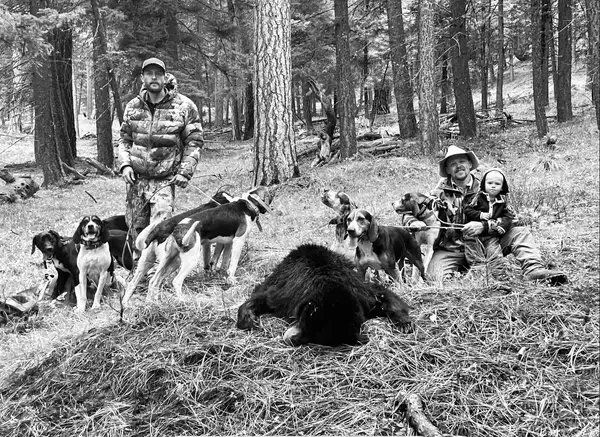
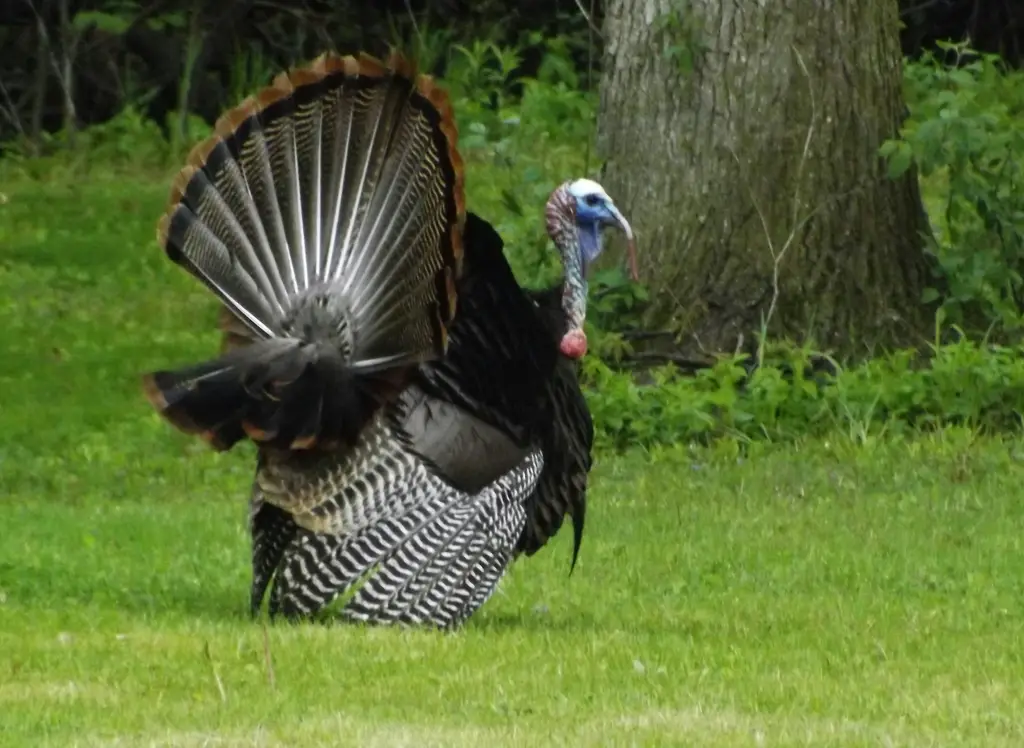
Snow comes off and the work begins: scouting new club properties, habitat projects, and turkey hunting where it's open. Bear seasons open too, a real spring pursuit for members with timbered leases to work.
Summer

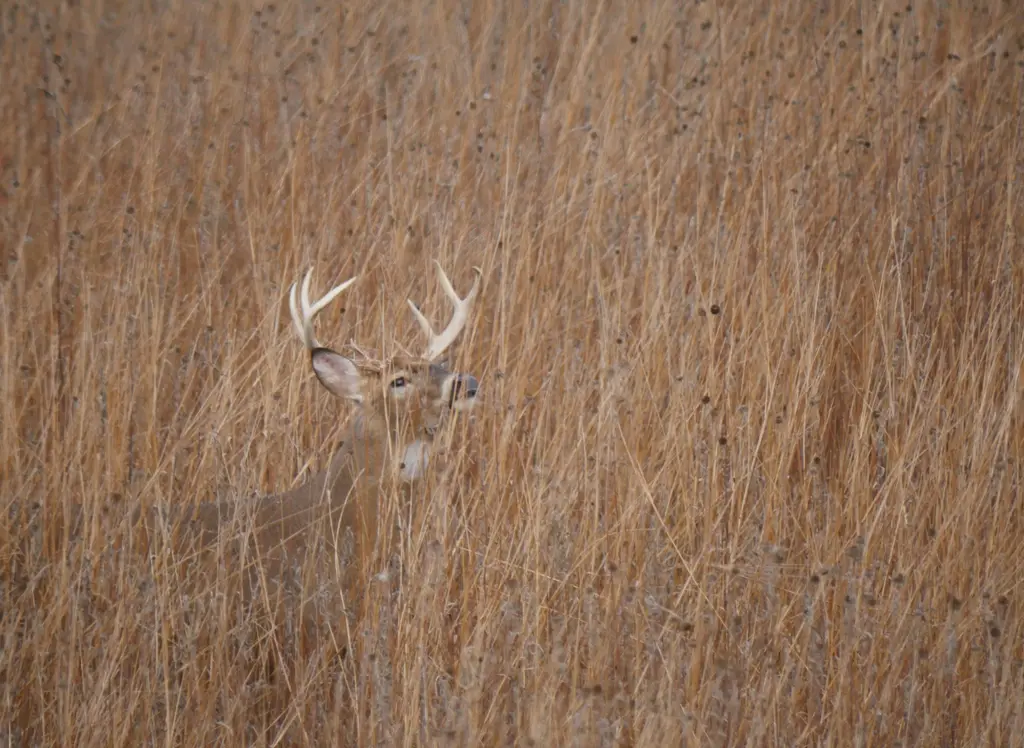
Preparation season. Rifles get sighted in, gear gets sorted, and game cameras start telling their stories on the leased ground. Clubs put in property work (trail clearing, maintenance), and get the social calendar in before fall scatters everyone.
Fall

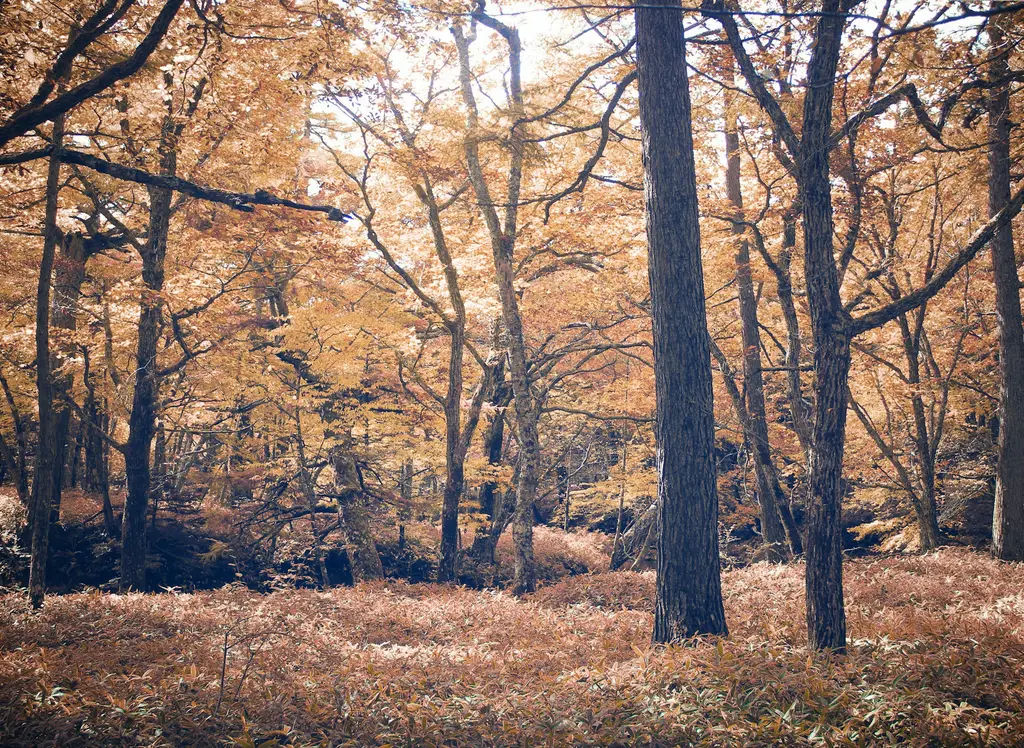
The season everything points toward. Elk, deer, pronghorn, pheasants, grouse, the big-game and upland calendars run hot at once, and private ground earns its cost as members hunt country that hasn't been pounded.
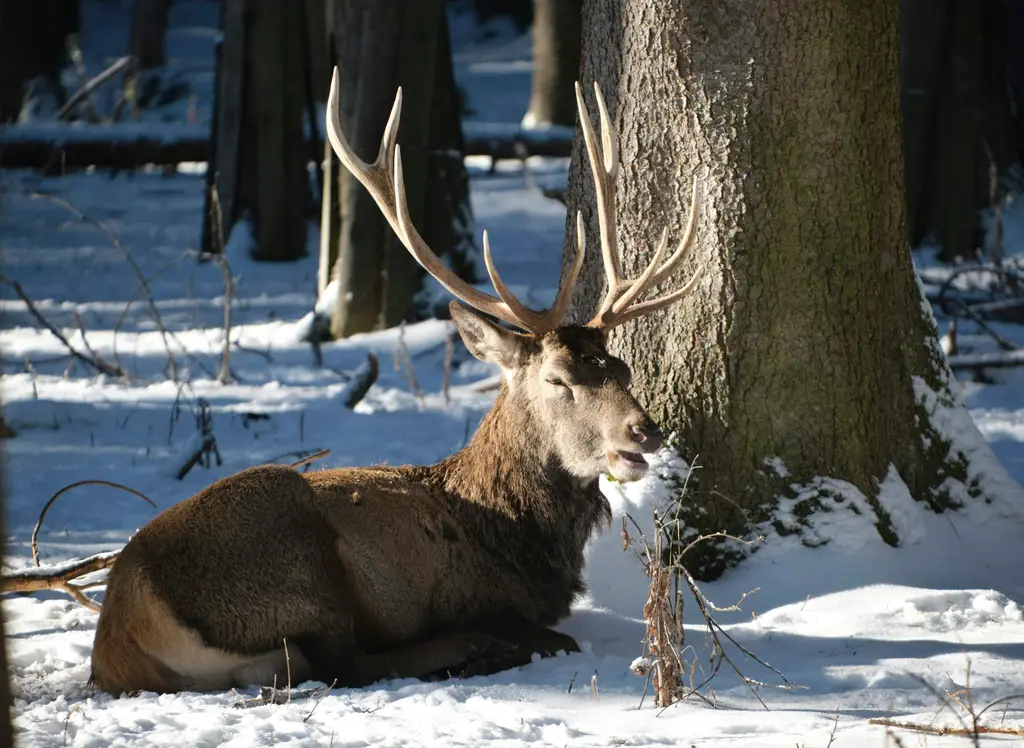
Winter

Late-season deer and elk hunts run into early winter in some units, and trapping picks up. Then the clubs take stock: securing property, reviewing what the season taught, and planning the next one while the memory is fresh.