Skip to content
Utah hunting country. Backdrop for the Hunting Hubs Utah outfitter directory

Hunting Outfitters · Utah

Hunting Outfitters in Utah

Hunt 28 outfitters across Utah. Maps, hours, contact info, photos, and verified operator profiles, all in one place.

Mighty Five national parks plus the Wasatch and the Uintas.

Updated

On the map

Outfitters in Utah

Everything we have mapped in Utah, on one map. Tap anything for its details.

Loads the full map of Utah. We leave it off by default so the page opens fast on mobile data.

About Utah

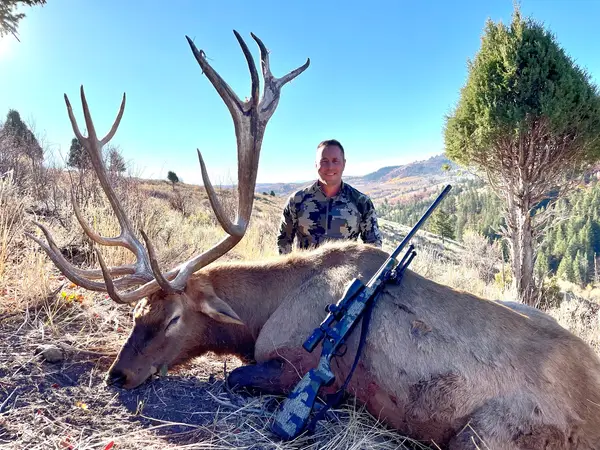
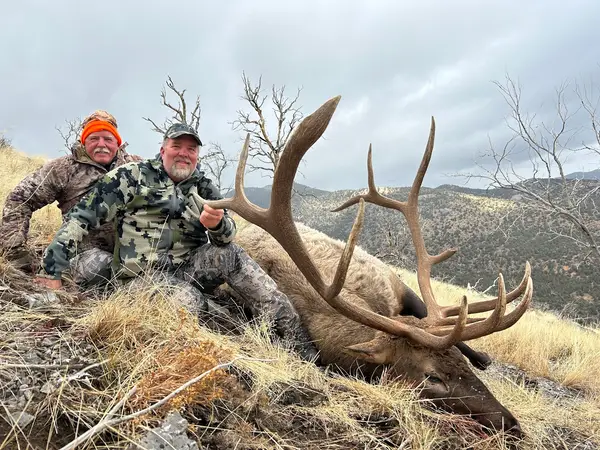
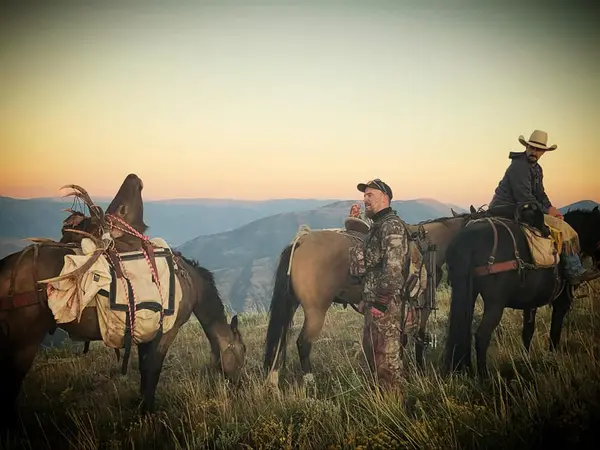
Utah is vertical country. The Wasatch and Uinta ranges stack timber and alpine basins above sagebrush steppe and red rock desert, and that spread of elevation carries real populations of mule deer, elk, and pronghorn. For clubs and lease groups, the interesting ground is often the private parcel butted up against a huge public block: a place to manage game, improve habitat, and hunt without the pressure that piles onto the open country next door. Some of the best leases sit on wintering grounds or migration corridors, which is exactly why they hunt so well.

The habitats sort the hunting. High conifer forest holds elk; the lower slopes and canyons, the country around the Manti-La Sal and Fishlake National Forests, are mule deer ground. Duck and goose hunters work the Great Salt Lake wetlands and the big river systems, the Green and the Colorado, where some clubs build their whole program around migratory birds. Cedar City, Vernal, and Logan sit at the edges of all of it, the towns where lease operations fuel up, resupply, and find the services that keep a camp running.

Utah's private-land market is smaller than what some neighboring states offer, but the quality holds up. Clubs and leased properties here tend to manage toward a specific goal (trophy potential in one unit, consistent harvest in another), and the long arrangements make long projects possible: habitat work that pays off over years, harvest strategies that outlast any single season, camp traditions that accumulate. For a hunter willing to invest in a sustained program rather than a one-off tag, that combination of rugged wilderness and accessible private ground is the draw.

What a lease buys, ultimately, is control. Control of access, of harvest, of how the ground gets treated, and mule deer in particular reward it, thriving where the pressure is managed and the habitat gets attention. The state's conservation work and the efforts of private landowners pull in the same direction, which leaves dedicated hunting groups room to build something durable: high-alpine elk hunts one season, desert pronghorn stalks the next, on ground they know intimately.

Quick facts

Outfitters listed
28
Best season
April through October

Trip guide

Know before you go in Utah

Federal permits, lotteries and timed-entry reservations in Utah, from Recreation.gov.

Confirm current requirements with the agency that sets them before your trip. Rules and fees change every season.

  • General Hunting License

    All individuals intending to hunt in Utah, whether on public or private land, must first obtain a valid Utah hunting license. This is a foundational requirement before applying for any specific permits or tags.

  • Big Game Permits and Tags

    Hunting big game animals like deer, elk, or pronghorn in Utah requires specific permits or tags, which are allocated through Utah's annual public draw: general-season hunts for most hunters, plus a harder-to-draw limited-entry tier for premium units, with some general-season elk permits sold over the counter. Even on private leased land, hunters must possess the appropriate tag for the unit and species they intend to hunt. Landowner Association (LOA) permits may exist in some units, offering private land access.

  • Hunter Education Requirement

    Anyone born after December 31, 1965, must complete an approved hunter education course to purchase a Utah hunting license. This requirement ensures hunters possess foundational knowledge of safety, ethics, and wildlife conservation.

  • Private Land Access Permission

    Hunting on any private property in Utah necessitates explicit permission from the landowner or leaseholder. Hunters should always carry proof of permission, such as a signed lease agreement or written consent, to avoid trespassing violations.

01Do I need a Utah hunting license to hunt on private leased land?
Yes. Utah requires a valid hunting license from everyone in the field, private land or not, the lease covers access, not licensing. Big game adds another layer: you'll need the specific tag or permit for the species and unit, even when the ground under your boots is leased.
02What common game species are typically available on Utah hunting leases?
Mule deer and elk anchor most Utah leases, they're what people pay for. Depending on the region and habitat, a lease may also carry pronghorn, wild turkey, waterfowl, or upland birds, so the same ground can fill out several seasons.
03How do big game tags work if I'm hunting with a club on private land?
The lease doesn't come with a tag. You still typically apply in Utah's public big-game draw for the unit your club's ground sits in. The exception is Landowner Association (LOA) permits, which landowners in certain units receive and sometimes allocate to club members, but availability varies, so verify with the club or the DWR before you count on one.
04Are hunting clubs in Utah active year-round?
The good ones are. Hunting season is a few months; the rest of the year is habitat projects, food plots, trail work, scouting, shed hunting, and the social gatherings that keep a membership tight. A club that only exists in October is missing most of what makes the model work.
05What is the typical structure or expectation for club members in Utah?
Structures vary, but the deal is roughly the same everywhere: contribute to the upkeep and management of the leased ground, follow the club's rules and the state's, and carry your share of the collective work. Ethical hunting and conservation aren't add-ons in most Utah clubs, they're the operating culture.
06Can non-residents join Utah hunting clubs or lease land?
Yes, nothing stops a non-resident from joining a club or leasing private ground in Utah. Budget accordingly, though: non-resident licenses and big game tags cost considerably more than resident ones, and all the state's regulations, including hunter education, apply to you just the same.

When to go

Season by season in Utah

Spring

Spring is shed season on Utah leases: members walk the winter range for antlers, pull camera cards, and get food plots and habitat projects moving. Turkey season opens too, the first real hunting of the club year.
Summer

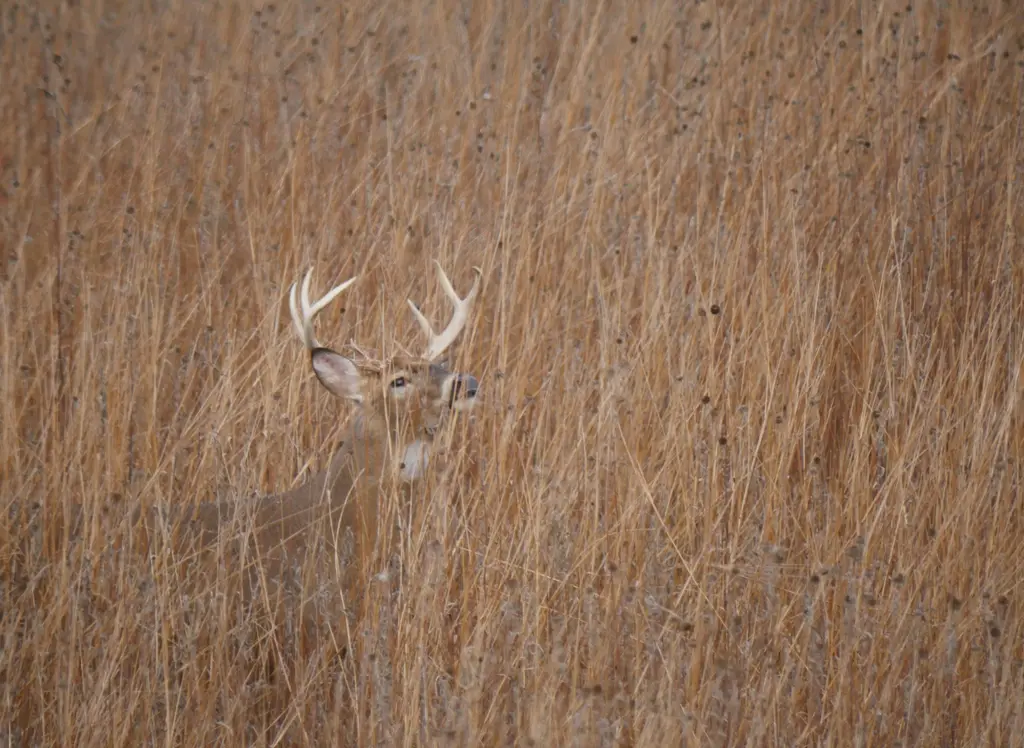
Summer is the working season: trails cleared, blinds repaired, habitat projects finished before the ground firms up. Members spend evenings behind glass, learning where the deer and elk are living before fall makes it matter.
Fall

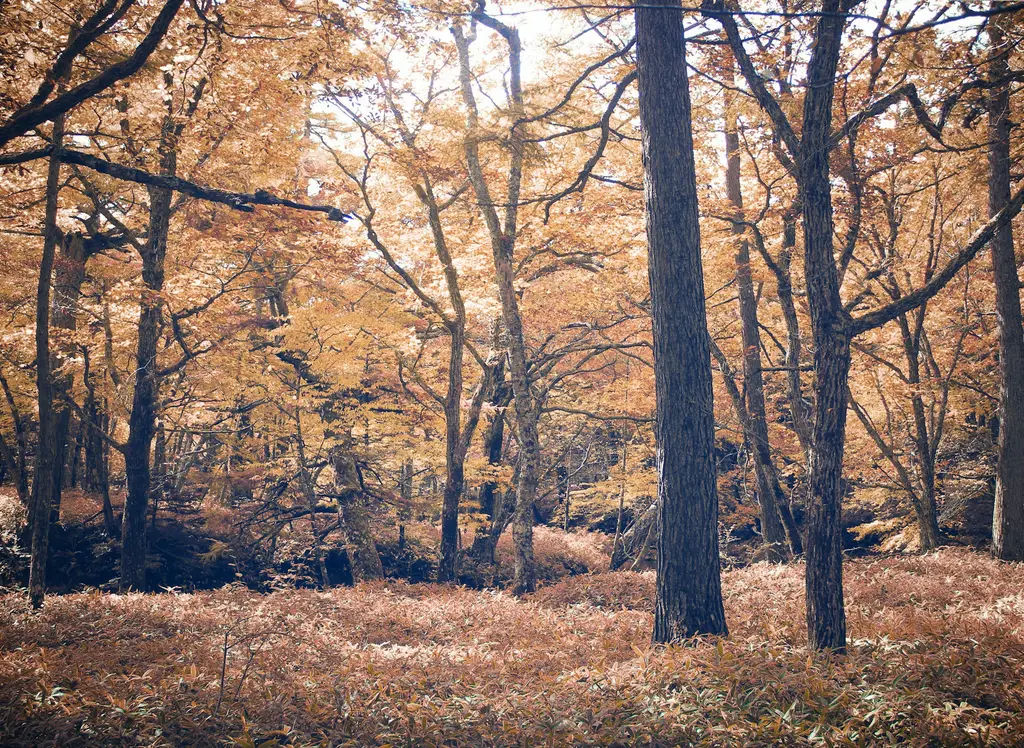
Fall is what the lease exists for. Mule deer, elk, and pronghorn seasons come in, waterfowl opens behind them, and every camp in the state fills up. It is the busiest stretch of the year for Utah clubs, and the one all the summer work was buying.
Winter

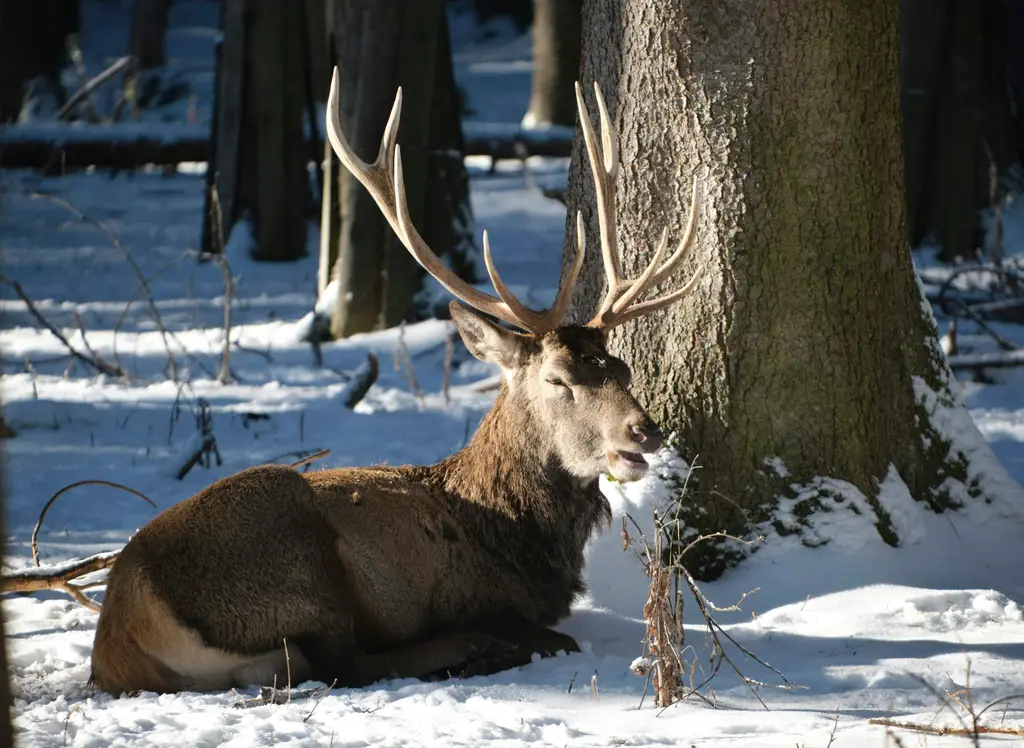
A few late-season hunts linger, but winter is mostly the ledger season: reviewing harvest data, closing out the year, planning the next one. Some clubs run strategic feeding or predator control on their ground while the snow holds.