Hunting Outfitters · Alabama
Hunting Outfitters in Alabama
Hunt 25 outfitters across Alabama. Maps, hours, contact info, photos, and verified operator profiles, all in one place.
Gulf coast, river deltas, and pine-belt forests stretching to the Tennessee border.
About Alabama
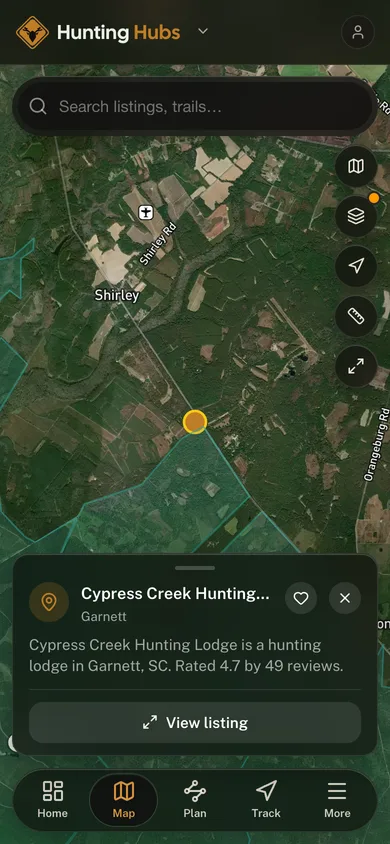
25 on the map
Tap a pin to open its profile.
Quick facts
- Outfitters listed
- 25
- Best season
- October through May
All listings
25 outfitters
across Alabama
Plan your trip
Plan your trip to Alabama
Game Species & Seasons
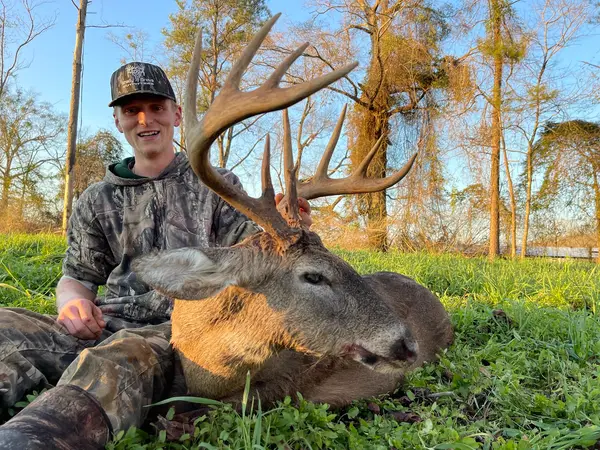
Alabama is renowned for its abundant whitetail deer and wild turkey. Deer seasons are long, often extending from October into February, with varying dates by zone. Turkey season typically runs from late March into early May, with the opener varying by zone. Waterfowl, dove, quail, and small game also offer significant opportunities. Always verify current season dates and bag limits with the Alabama Department of Conservation and Natural Resources (ADCNR).
License & Tag Requirements
All hunters, including those on private leased land or in clubs, must possess a valid Alabama hunting license. Alabama issues no per-animal deer or turkey tags, the base hunting license covers both, but every deer and turkey taken must be logged on a harvest record (paper or the Outdoor AL app) and reported through the mandatory Game Check system. Non-residents will need to purchase a non-resident license, which may have different fees and validity periods. Hunter education certification is mandatory for certain age groups.
Private Land Access
Hunting clubs and leased grounds operate exclusively on private land. Access is restricted to members, leaseholders, and their authorized guests. This contrasts with public lands, which have different regulations and higher hunter density. Leased properties often have gates, signage, and specific access protocols managed by the club or lease manager.
Typical Terrain
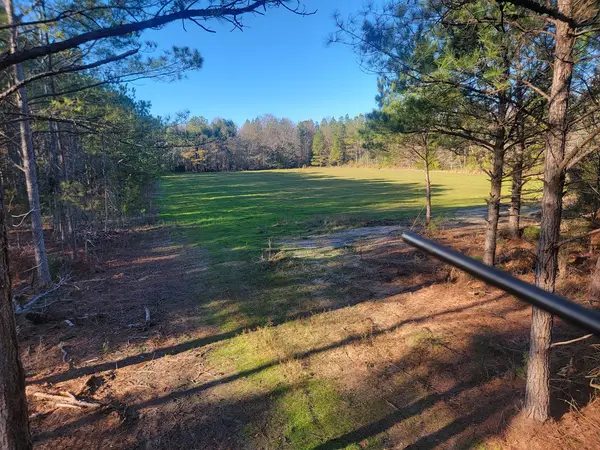
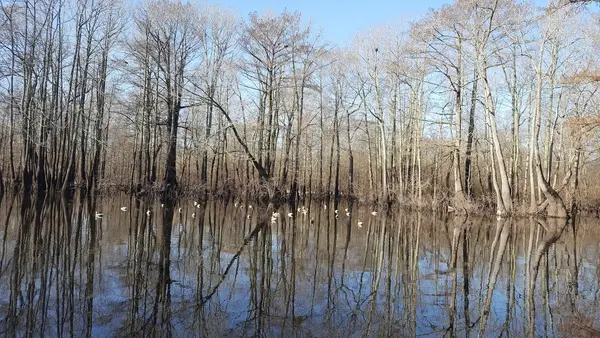
Hunters in Alabama can expect diverse terrain. The Black Belt features fertile soils, hardwood bottoms, and agricultural fields. Northern Alabama includes Appalachian foothills with mixed forests. The Coastal Plain is characterized by extensive pine plantations, mixed hardwoods, and river bottomlands. The Mobile-Tensaw Delta offers marshy environments ideal for waterfowl. Understanding the terrain helps in selecting the right club or lease.
Club Membership Norms
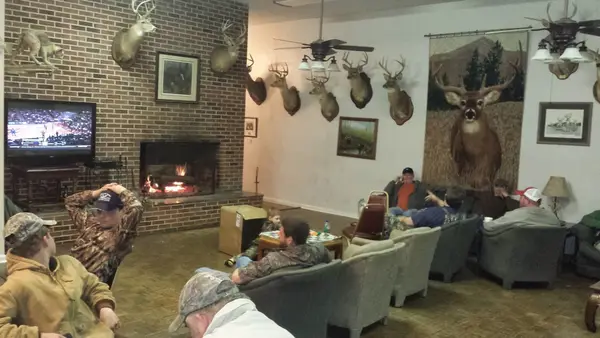
Membership in an Alabama hunting club often involves annual dues, participation in workdays (for habitat management, stand maintenance, etc.), and adherence to specific club rules regarding harvest, guest policies, and communal property use. Many clubs foster a strong sense of community and shared responsibility for the land and wildlife.
Confirm current requirements with the state agency before your trip. Rules and fees change every season.
Hunting License Requirement
All individuals hunting in Alabama, regardless of whether they are on private land, must possess a valid Alabama hunting license. Non-residents must purchase a non-resident license. Specific endorsements may be required for certain game species like deer and turkey. Licenses can typically be purchased online or from authorized agents.
Hunter Education Certification
Anyone born on or after August 1, 1977, must complete an approved hunter education course before purchasing an annual hunting license in Alabama. Proof of certification is required. There are exemptions for certain supervised hunting situations, but certification is generally recommended for all hunters.
Harvest Reporting
Hunters are required to report all harvested deer and turkey through Alabama's Game Check system. This system allows the ADCNR to collect vital data for wildlife management. Reporting must typically occur within 48 hours of harvest and before processing the animal or taking it out of state.
- 01
Define Your Hunting Goals
Get honest about what you want first: deer, turkey, or waterfowl; a camp with bunks or bare ground; what you'll spend; how you like to hunt. Every club is a compromise on something, know which compromises you can live with.
- 02
Research Available Clubs & Leases
Work the online directories, the local forums, and, most productive of all, word of mouth in the region you want. Compare location, acreage, and what members say about the game before you get attached to any one property.
- 03
Verify Licenses & Regulations
Nail down Alabama's license requirements, the hunter education mandate, and the game regulations for whatever you plan to pursue. Then layer on the club's own rules, harvest restrictions on a lease are often tighter than the state's.
- 04
Visit Properties & Meet Members
Never join sight unseen. Walk the ground, judge the habitat for yourself, and spend time with the members or the lease manager. An hour on the property and a conversation at the gate will tell you more about club culture than any listing ever will.
- 05
Understand Lease/Membership Agreements
Read every line before you sign. Pin down the costs, workday obligations, guest rules, and how long you're committed. The clubs that spell it out in writing are usually the ones worth joining.
01What game species are typically hunted on Alabama leases?
02What is the typical cost range for an Alabama hunting lease or club membership?
03Are guests allowed on hunting leases or in clubs?
04What kind of amenities can I expect from an Alabama hunting club?
05Do I need to participate in workdays if I join a hunting club?
06What is the typical duration of a hunting lease agreement?
When to go
Season by season in Alabama
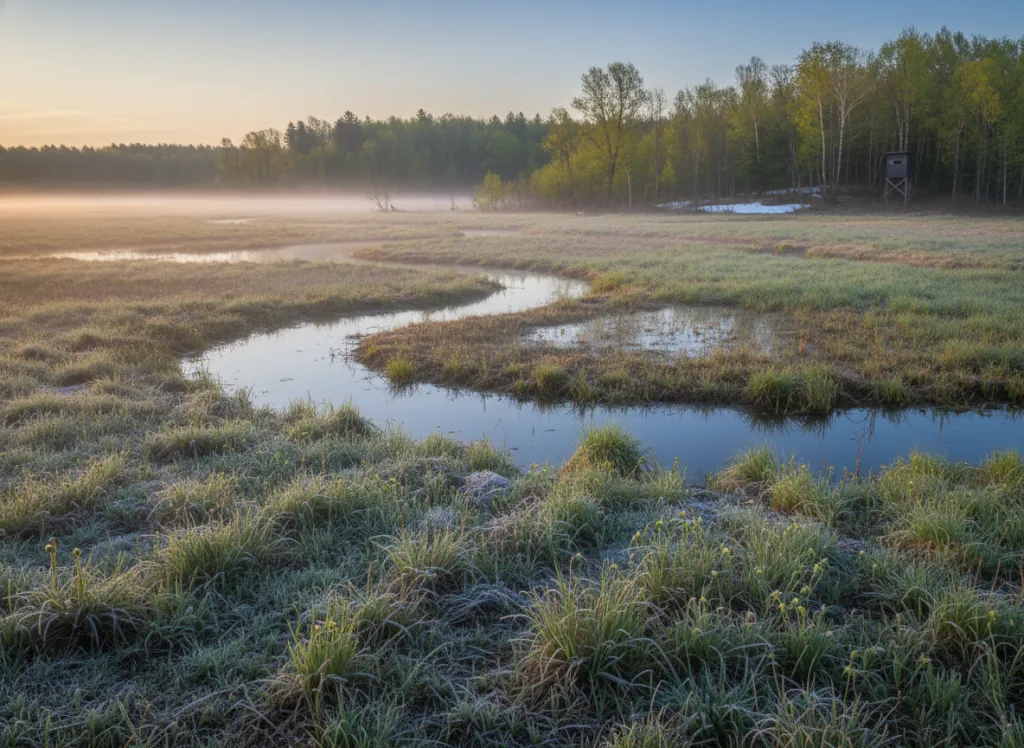
Spring
Spring means gobblers. Turkey season dominates the calendar, and between hunts the off-season work starts: spring food plots go in the ground, stands get checked, and the property gets its first real attention since deer season closed.
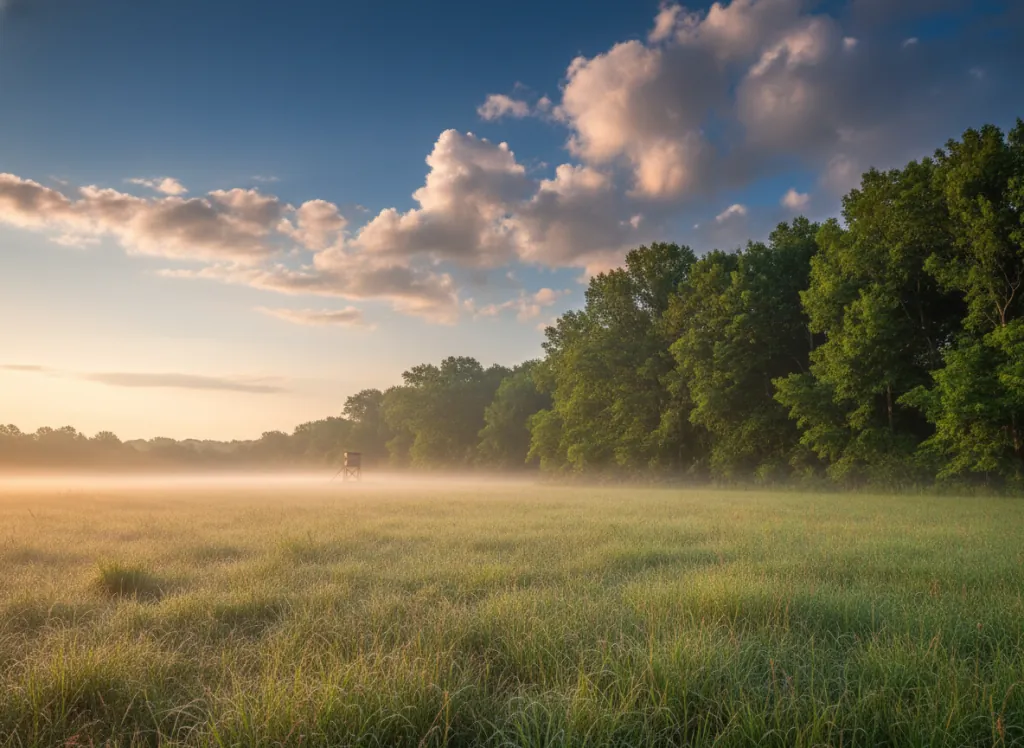
Summer
Summer is when good clubs earn their fall. Trail cameras go out, roads get graded, fall plots get planted, and stands and shooting houses get repaired in the heat. By the time dove and deer seasons arrive, the work is either done or it isn't.
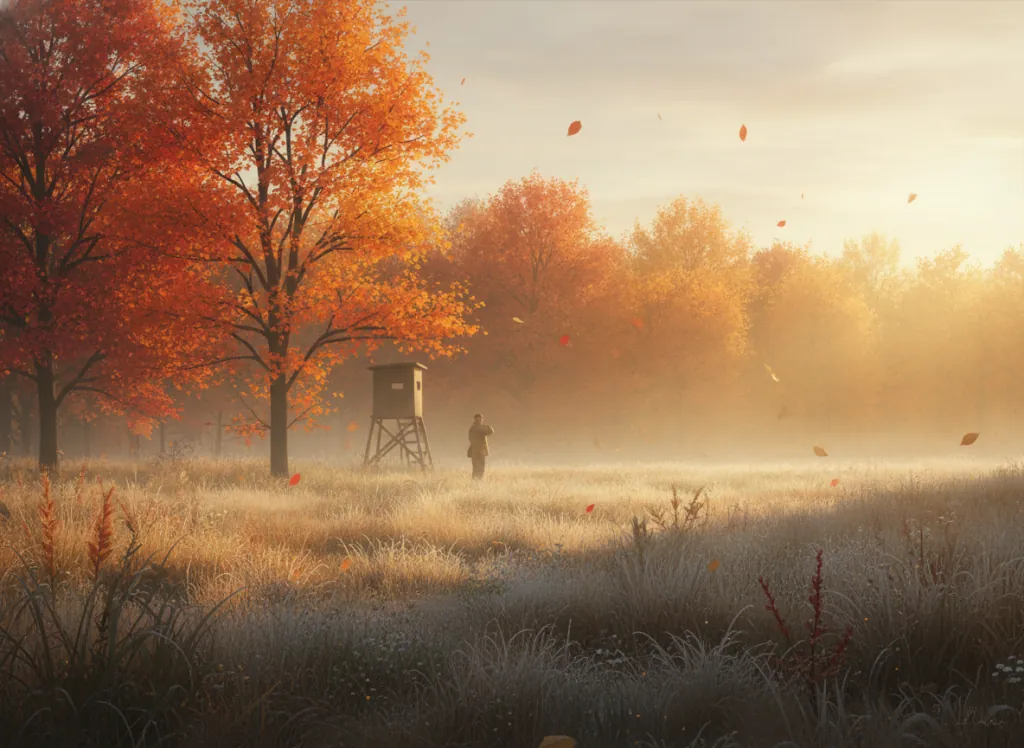
Fall
Deer, dove, and early waterfowl all open, and the clubhouse fills up. This is the season the dues pay for: members working the stands, tracking harvest against quotas, and gathering for the organized hunts and cookouts that hold a club together.
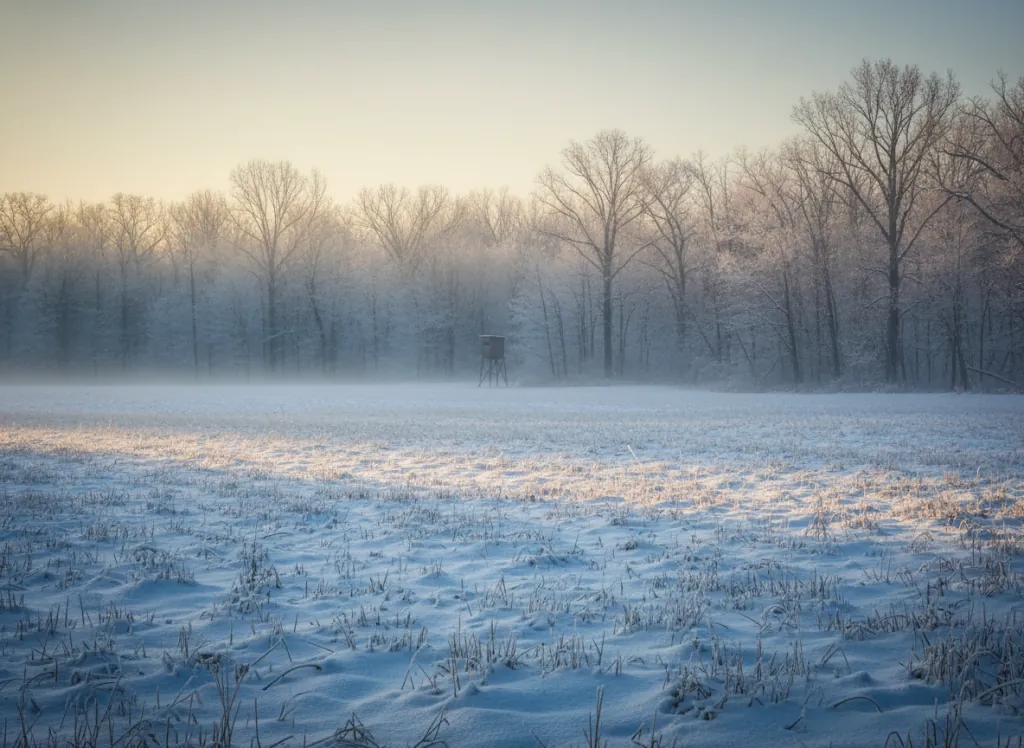
Winter
Deer hunting rolls on, and in some regions the late rut makes winter the best sit of the year. The delta and coastal marshes hit their waterfowl stride, small game picks up, and clubs close the books: season reviews, harvest tallies, and plans for next year.
Free tools
Your free outdoor toolkit

Everything Map
Listings, trails, spots, clubs and public land on a single full-screen map. Switch layers on and off, then tap any point for the details.
Open Everything MapTrail Explorer
Browse a community map of named trails with distance, difficulty, and where each one starts.
Open Trail ExplorerRoute Planner
Drop stops on a map and watch distance and drive time add up. Export a GPX or share the link.
Open Route PlannerHunting Clubs
Browse local clubs with meeting info and how to join, or start your own for free.
Open Hunting ClubsPhoto ID
Point your camera at whatever you found and get a structured identification. No signup.
Open Photo IDGear Checklists
Printable, save-as-you-go packing lists. Tick items off and pull them up on your phone.
Open Gear Checklists


Keep exploring