Hunting Outfitters · Idaho
Hunting Outfitters in Idaho
Hunt 27 outfitters across Idaho. Maps, hours, contact info, photos, and verified operator profiles, all in one place.
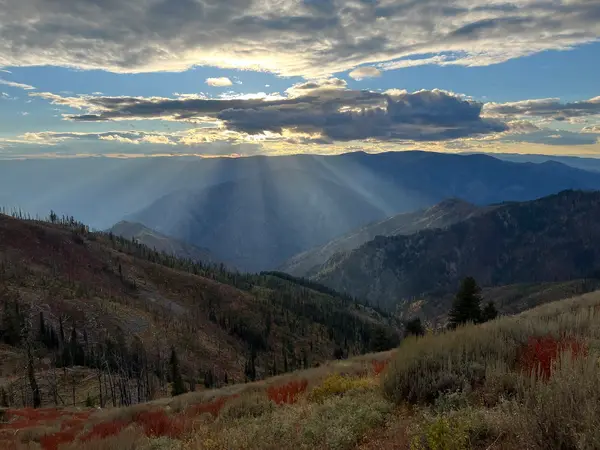
Wilderness density second only to Alaska. Salmon, Sawtooths, and Snake River.
Updated
All listings
27 outfitters in Idaho
On the map
Outfitters in Idaho
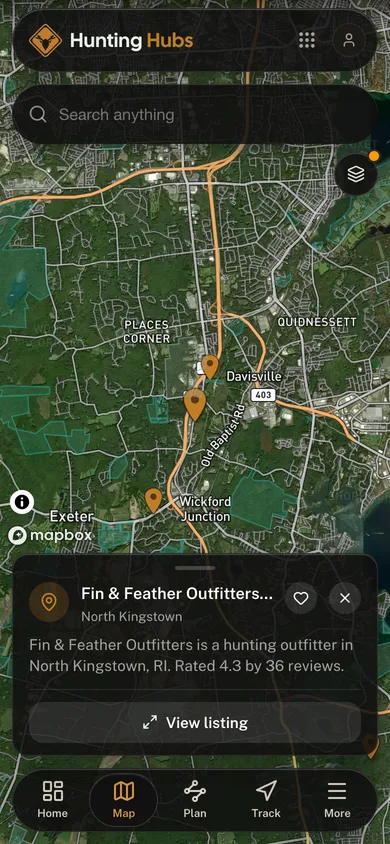
Everything we have mapped in Idaho, on one map. Tap anything for its details.
Loads the full map of Idaho. We leave it off by default so the page opens fast on mobile data.
About Idaho
Quick facts
- Outfitters listed
- 27
- Best season
- June through October
Trip guide
Know before you go in Idaho
Confirm current requirements with the agency that sets them before your trip. Rules and fees change every season.
Hunting License
A valid Idaho hunting license is required for all hunting activities in the state, regardless of land ownership. This applies to both residents and non-residents and must be purchased before hunting.
Idaho Fish and GameBig Game Tags
Specific tags are required for big game species like elk, deer, and bear. Many tags are unit-specific and obtained through a controlled draw system. Hunters must apply within designated periods, which vary by species and residency.
Idaho Fish and GameHunter Education
Hunters born on or after January 1, 1975, must possess a valid hunter education certificate to purchase a hunting license in Idaho. This requirement ensures hunters have fundamental safety and wildlife conservation knowledge.
Idaho Fish and GameTrespass Laws
Hunting on private land without explicit permission from the landowner or leaseholder is illegal in Idaho. Club members and leaseholders must ensure they understand the boundaries of their hunting grounds and have proper documentation of access.
Weapon-Specific Regulations
Specific regulations apply to different weapon types (e.g., archery, muzzleloader, rifle) regarding seasons, zones, and permissible equipment. Hunters must verify these details with the Idaho Fish and Game regulations for their target species and unit.
01What species are typically available through hunting clubs or leases in Idaho?
02Do I still need an Idaho hunting license and tags if I'm hunting on private leased land?
03What's the difference between a hunting club membership and a leased hunting ground?
04Are there specific hunter education requirements for Idaho?
05What kind of terrain can I expect on leased hunting properties in Idaho?
06How do I ensure I'm compliant with private land access rules?
When to go
Season by season in Idaho
Spring
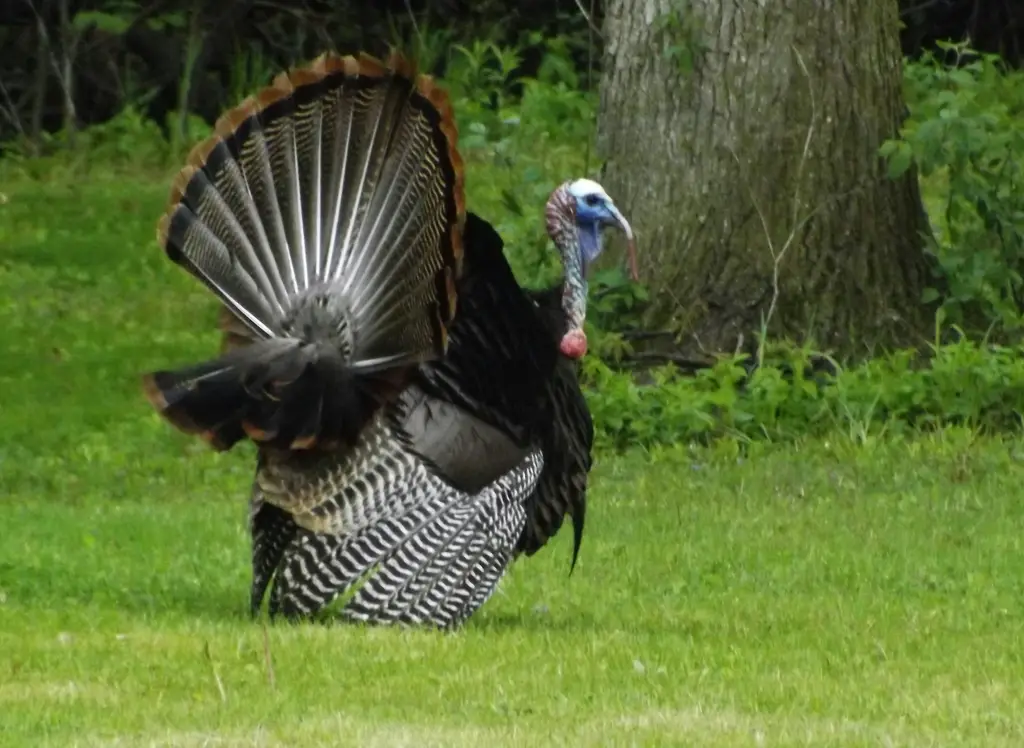
Shed hunting, scouting, and getting club properties squared away for fall. Turkey season gives some leased ground an early reason to be out with a call in hand.
Summer
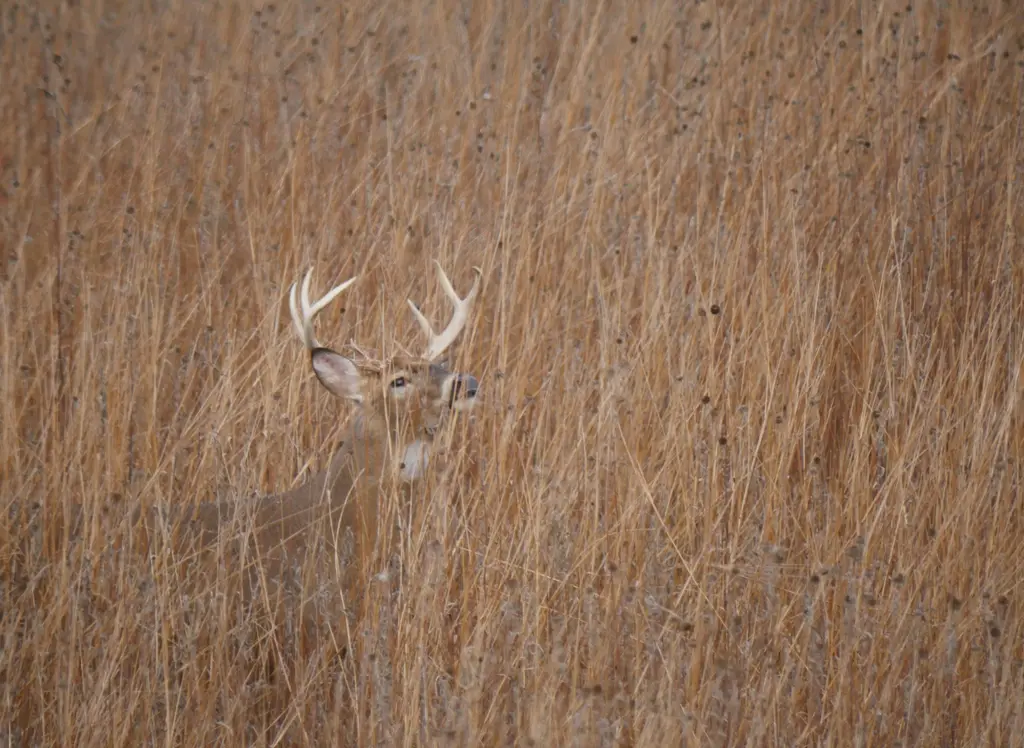
Work season: trail cameras go up, food plots go in, gates and roads get fixed. Most clubs lock in memberships and lease agreements now, before fall makes everyone busy.
Fall
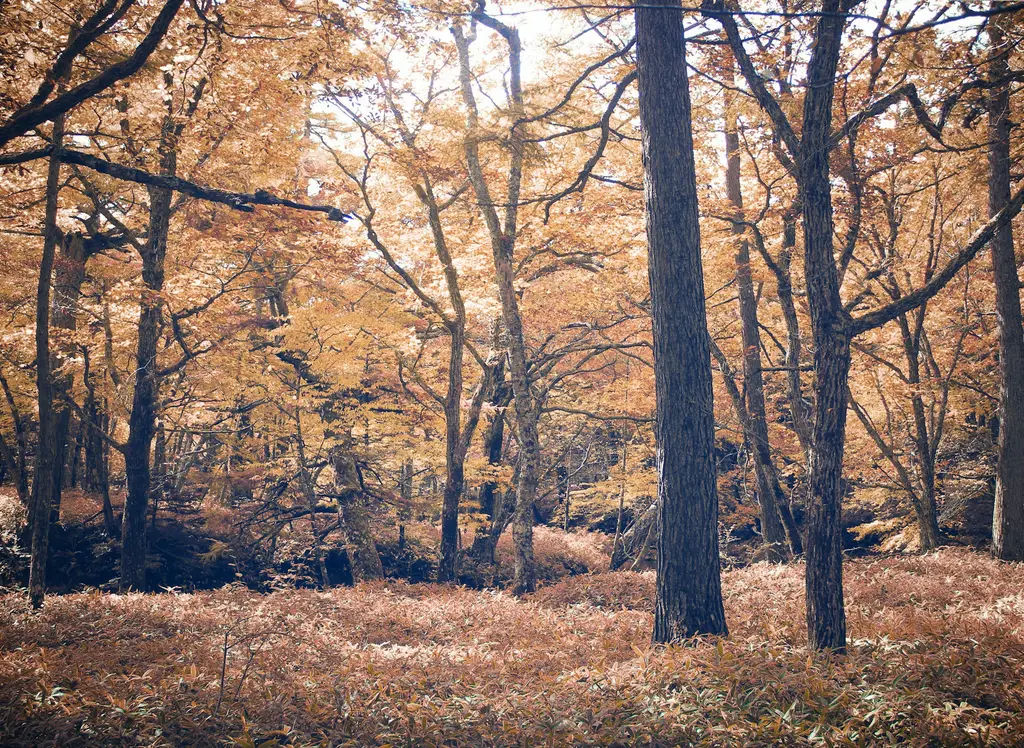
The main event. Big game seasons open across Idaho, and this is when managed private ground pays for itself: elk, deer, and bear that haven't been pushed by a parade of trucks.
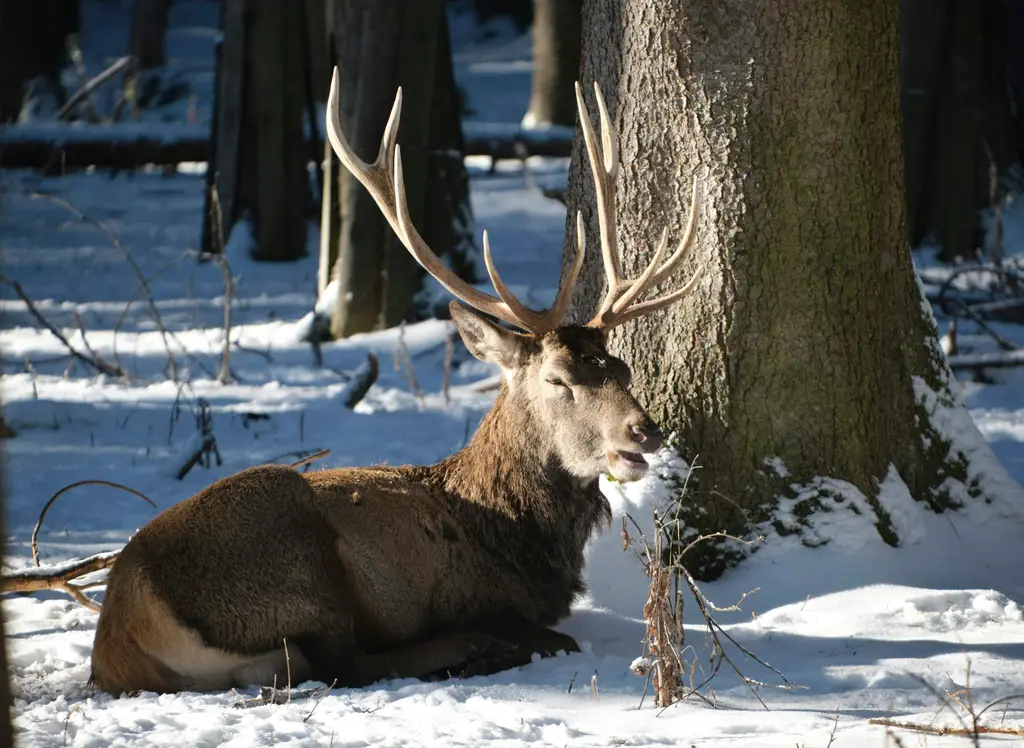
Winter
Late-season hunts for some species, then habitat work while the ground is quiet. It's also when smart groups sort out next year's leases instead of scrambling in August.
Free tools
Your free outdoor toolkit

Keep exploring