Hunting Outfitters · North Carolina
Hunting Outfitters in North Carolina
Hunt 44 outfitters across North Carolina. Maps, hours, contact info, photos, and verified operator profiles, all in one place.
Outer Banks, the Smokies, and the longest segment of the Blue Ridge.
About North Carolina
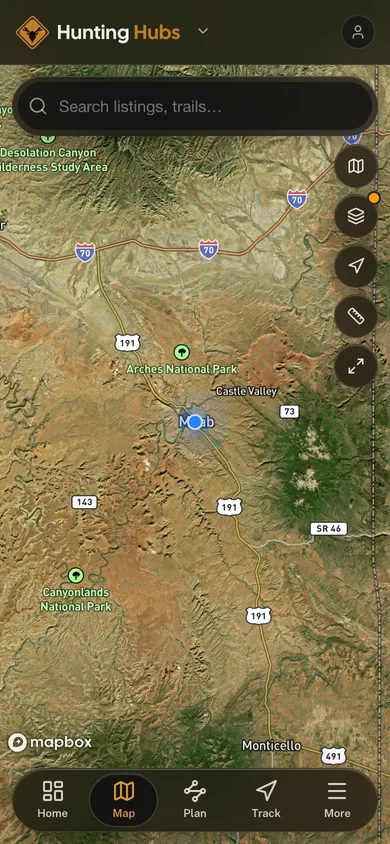
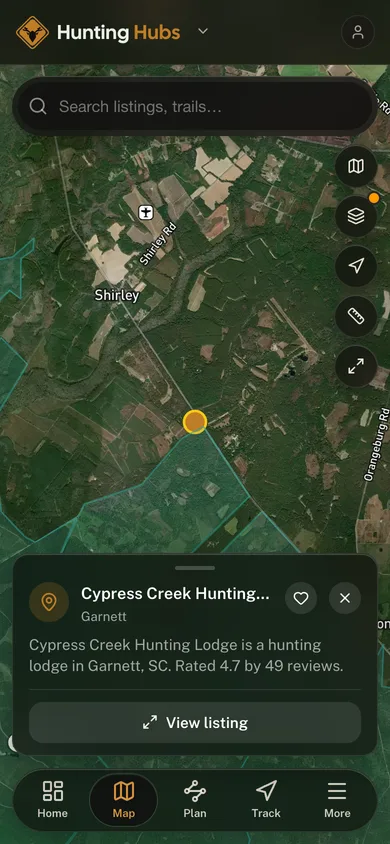
44 on the map
Tap a pin to open its profile.
Quick facts
- Outfitters listed
- 44
- Best season
- April through November
All listings
44 outfitters
across North Carolina


Plan your trip
Plan your trip to North Carolina
Game Species and Seasons
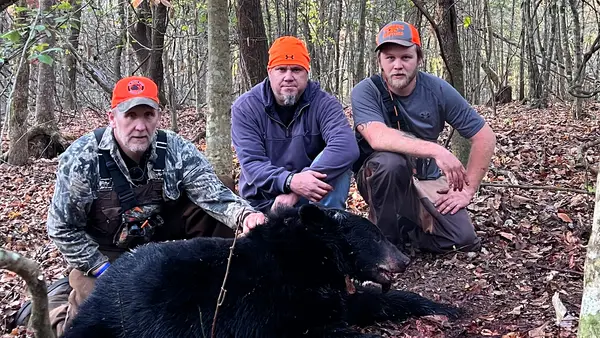
North Carolina offers diverse hunting for whitetail deer, black bear, wild turkey, and waterfowl. Seasons vary significantly by species and region; always consult the NC Wildlife Resources Commission (NCWRC) for current dates and regulations for specific game.
Licensing and Tag Requirements
A valid North Carolina hunting license is required for all hunters. Big game species like deer and bear may require specific tags or reporting. Non-residents must obtain a non-resident license, which typically costs more than resident licenses.
Private vs. Public Land Access
While North Carolina has public game lands, the most consistent and managed hunting opportunities, especially for big game, are often found on private lands accessed through hunting clubs or leases. Always secure explicit permission to hunt private property.
Diverse Terrain Types
Hunters will encounter varied landscapes: hardwood bottoms and swamps in the Coastal Plain, rolling agricultural fields and mixed forests in the Piedmont, and steep, dense timber in the Mountains. Understanding the terrain helps in selecting the right club or lease.
Club Membership Norms
Hunting clubs often have specific rules regarding guest policies, workdays, stand placement, and harvest limits. Prospective members should inquire about these norms to ensure alignment with their hunting style and expectations.
Confirm current requirements with the state agency before your trip. Rules and fees change every season.
North Carolina Hunting License
All individuals hunting in North Carolina must possess a valid hunting license. Various license types are available for residents and non-residents, including annual, short-term, and lifetime options. Specific endorsements may be required for certain species or methods.
Hunter Education Requirement
Since July 1, 2013, anyone, regardless of age, must show proof of hunter education (or a N.C. hunting heritage apprentice permit, or a N.C. hunting license held before that date) to buy a hunting license. This applies to residents and non-residents alike, with limited exceptions such as youth or apprentices hunting under a licensed adult's supervision.
Big Game Harvest Reporting
All harvested deer, bear, and wild turkey must be reported to the NC Wildlife Resources Commission. This can typically be done online, via a mobile app, or by phone. Failure to report harvests is a violation and can result in penalties.
Landowner Permission
Hunting on private land, including leased property, requires explicit permission from the landowner or leaseholder. Even with a valid hunting license, trespassing is illegal. Always carry proof of permission when hunting private property.
- 01
1. Understand NC Hunting Regulations
Start with the North Carolina Wildlife Resources Commission (NCWRC) regulations: seasons, bag limits, and licensing for your species and methods. Everything else builds on knowing the rules cold.
- 02
2. Define Your Hunting Priorities
Pin down the species, the terrain, mountains or coastal plain hunt nothing alike, and the budget. Three honest answers here will cut the list of clubs and leases down to a manageable few.
- 03
3. Explore Club and Lease Listings
Work online directories, forums, and local networks to surface available clubs and leases that match your priorities and your driving range.
- 04
4. Contact and Interview Potential Groups
Get club managers or leaseholders on the phone and ask the direct questions: acreage, amenities, management practices, rules, expectations, and every cost. How they answer tells you as much as what they answer.
- 05
5. Visit the Property and Finalize Arrangements
Walk the ground before you commit, listings flatter every property. When it holds up in person, read the membership agreement or lease contract line by line and sign only when every term is clear.
01What are the primary game species available through NC hunting clubs?
02Do I need a special license for hunting on leased land in North Carolina?
03What is the typical duration of a hunting lease in NC?
04Are there specific rules for non-resident hunters joining NC clubs?
05What kind of amenities can I expect from an NC hunting club?
06How do I report harvests when hunting on a private lease?
When to go
Season by season in North Carolina
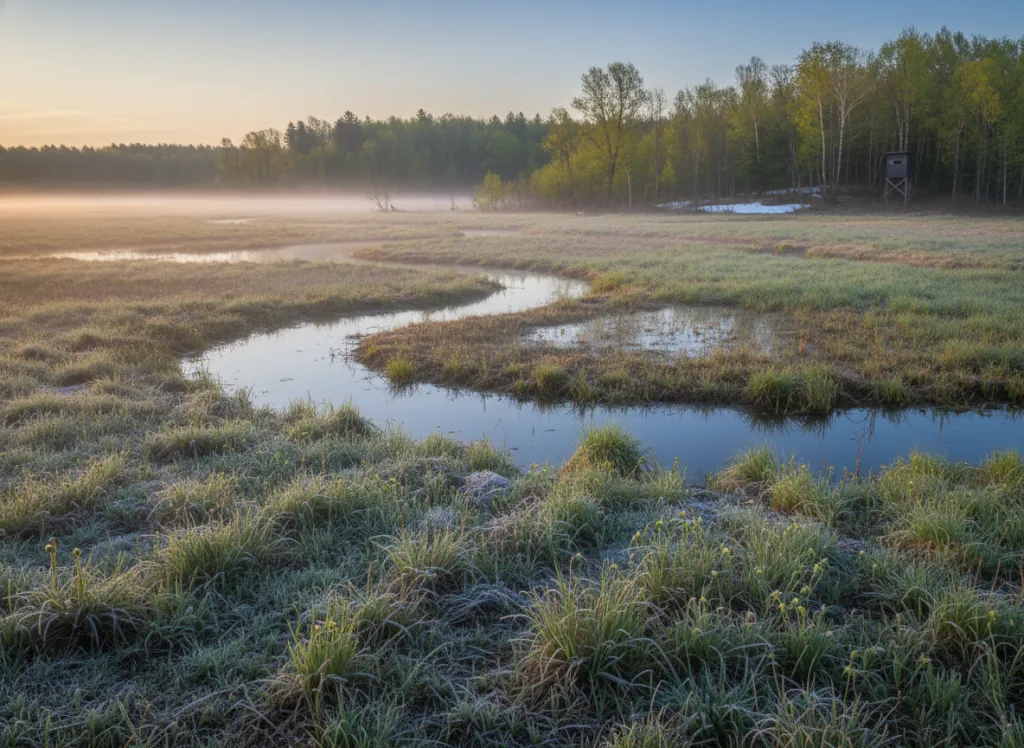
Spring
Gobbler season on club ground, mornings spent working turkeys, and the rest of the time spent on the property itself, turning food plots and getting stands squared away before summer.
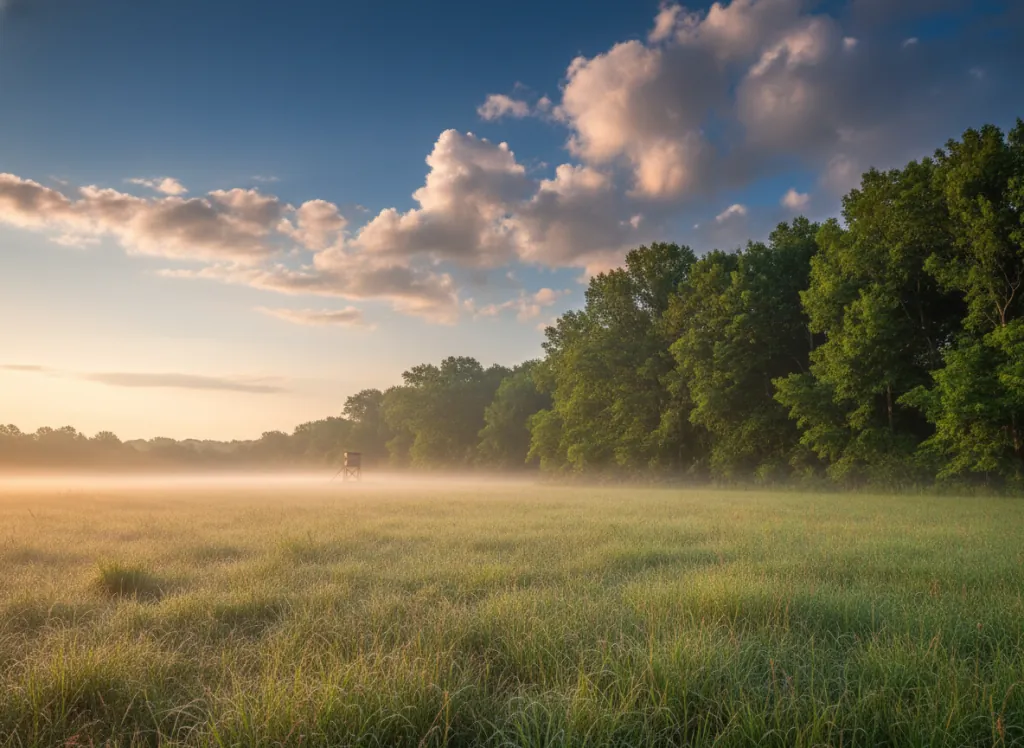
Summer
Scouting season. Trail cameras run their surveys, members walk the ground, and habitat projects continue through the heat so the property is right when fall arrives.
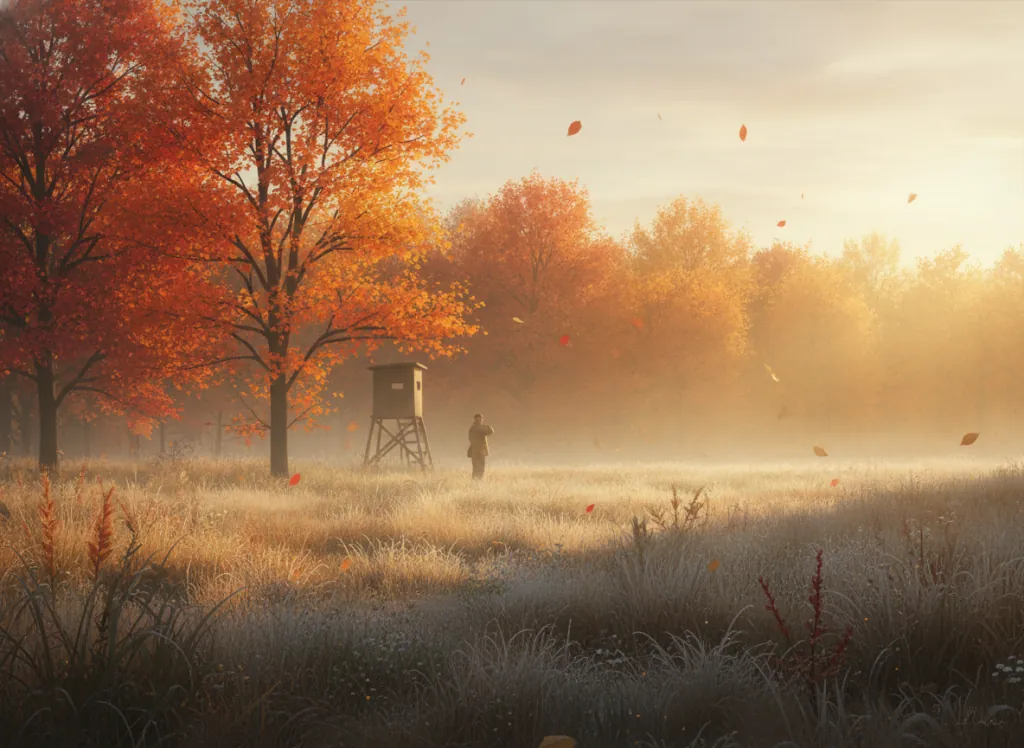
Fall
The peak. Whitetail deer, black bear, and migratory bird seasons open in succession, and club calendars fill, this is the stretch every lease payment and workday was for.
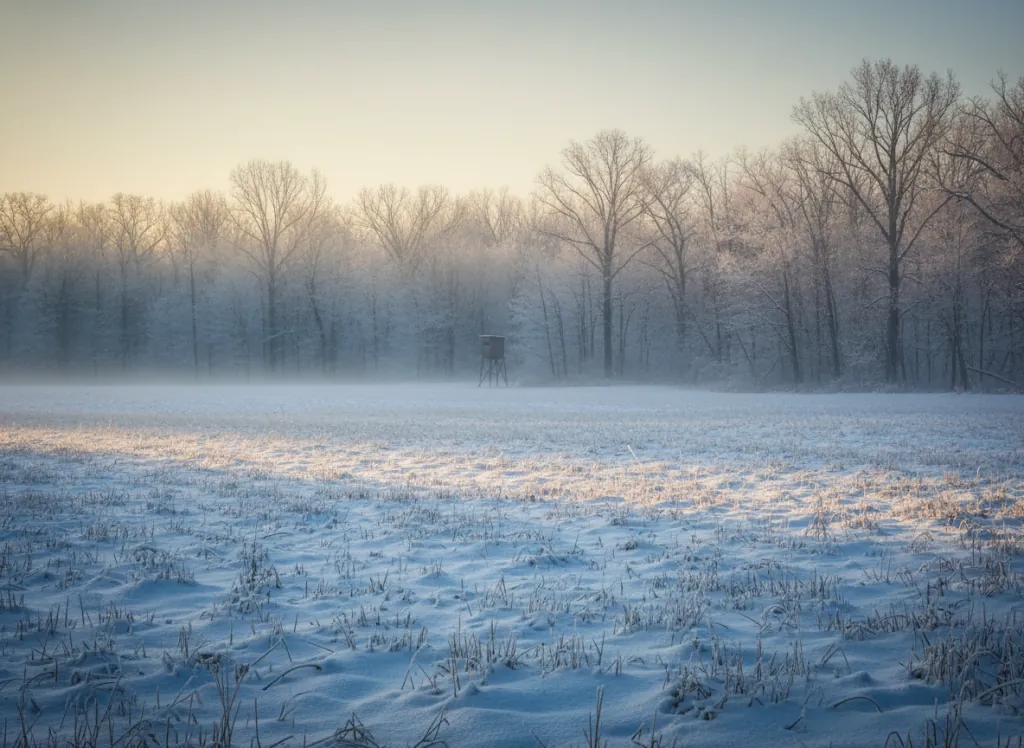
Winter
Late-season deer and small game carry the hunting into the cold months. When the seasons close, the work turns to planning, equipment repair, and the habitat projects that set up next year.
Free tools
Your free outdoor toolkit

Everything Map
Listings, trails, spots, clubs and public land on a single full-screen map. Switch layers on and off, then tap any point for the details.
Open Everything MapTrail Explorer
Browse a community map of named trails with distance, difficulty, and where each one starts.
Open Trail ExplorerRoute Planner
Drop stops on a map and watch distance and drive time add up. Export a GPX or share the link.
Open Route PlannerHunting Clubs
Browse local clubs with meeting info and how to join, or start your own for free.
Open Hunting ClubsPhoto ID
Point your camera at whatever you found and get a structured identification. No signup.
Open Photo IDGear Checklists
Printable, save-as-you-go packing lists. Tick items off and pull them up on your phone.
Open Gear Checklists


Keep exploring