Hunting Outfitters · Ohio
Hunting Outfitters in Ohio
Hunt 36 outfitters across Ohio. Maps, hours, contact info, photos, and verified operator profiles, all in one place.
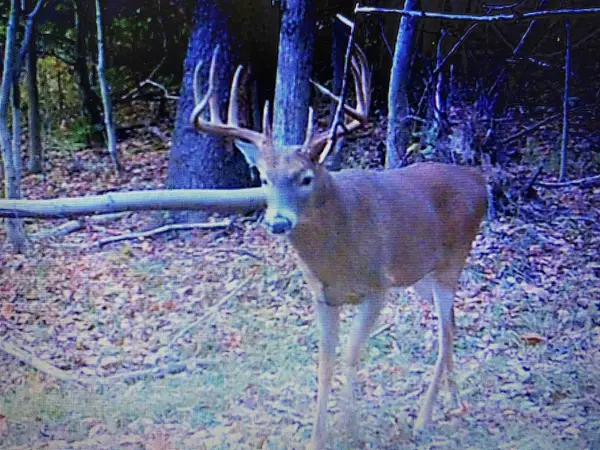
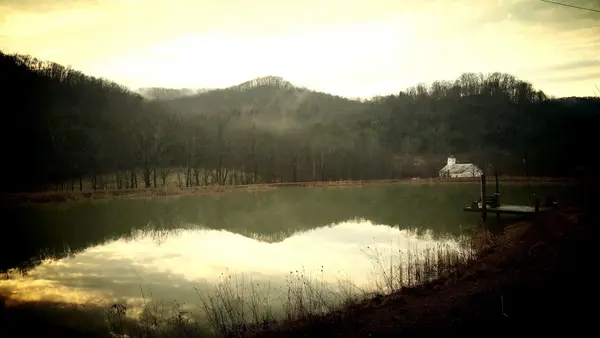
Hocking Hills, Lake Erie, and Amish hardwood country.
Updated
All listings
36 outfitters in Ohio
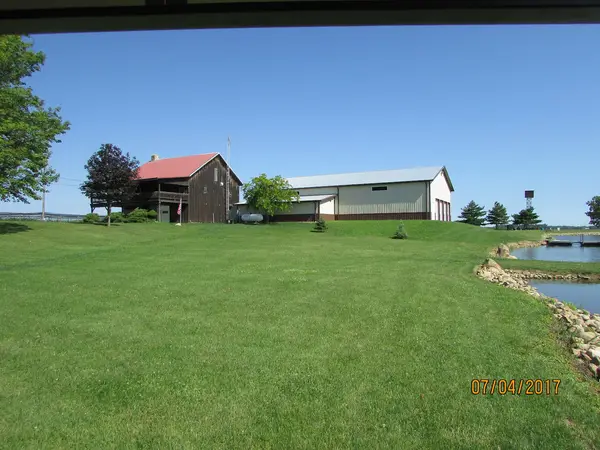
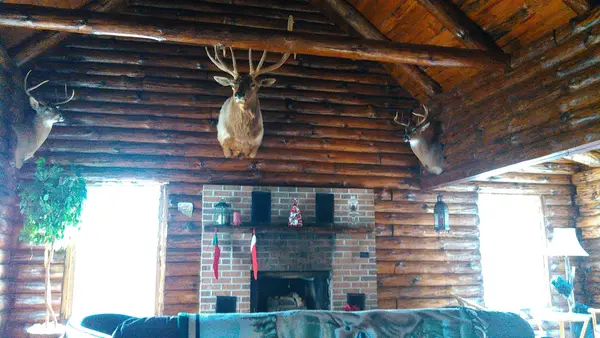
On the map
Outfitters in Ohio
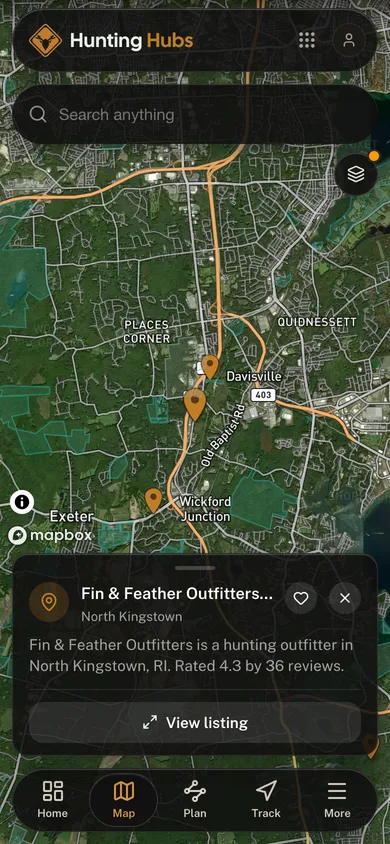
Everything we have mapped in Ohio, on one map. Tap anything for its details.
Loads the full map of Ohio. We leave it off by default so the page opens fast on mobile data.
About Ohio
Quick facts
- Outfitters listed
- 36
- Best season
- April through November
Trip guide
Know before you go in Ohio
Confirm current requirements with the agency that sets them before your trip. Rules and fees change every season.
Ohio Hunting License
A valid Ohio hunting license is required for all individuals to hunt any game animal in the state. Non-residents must purchase a non-resident license.
Ohio DNRDeer and Turkey Permits
In addition to a general hunting license, specific permits (tags) are required for hunting deer and wild turkey, with bag limits and season dates varying by species and zone.
Ohio DNRHunter Education Requirement
All first-time hunting license buyers, regardless of birth year, must successfully complete an approved hunter education course before purchasing an Ohio license, or hunt under an apprentice license alongside a licensed adult.
Ohio DNRWritten Landowner Permission
Hunters on private land, including leased properties, must carry explicit permission from the landowner or lease manager, especially if not the owner or primary leaseholder. This ensures legal access and avoids trespassing issues.
Bag Limits and Season Dates
All hunters must adhere strictly to Ohio's established bag limits, season dates, and legal hunting hours, which vary by species and often by specific hunting zone. It is crucial to consult the current hunting regulations annually.
01What game species are typically hunted on Ohio leases and clubs?
02Is a hunter education course required in Ohio?
03How do hunting club memberships typically work in Ohio?
04What types of terrain can I expect on leased hunting ground in Ohio?
05Are there specific regulations for hunting on private leased land in Ohio?
06What is the best time of year to look for hunting club openings or lease opportunities in Ohio?
When to go
Season by season in Ohio
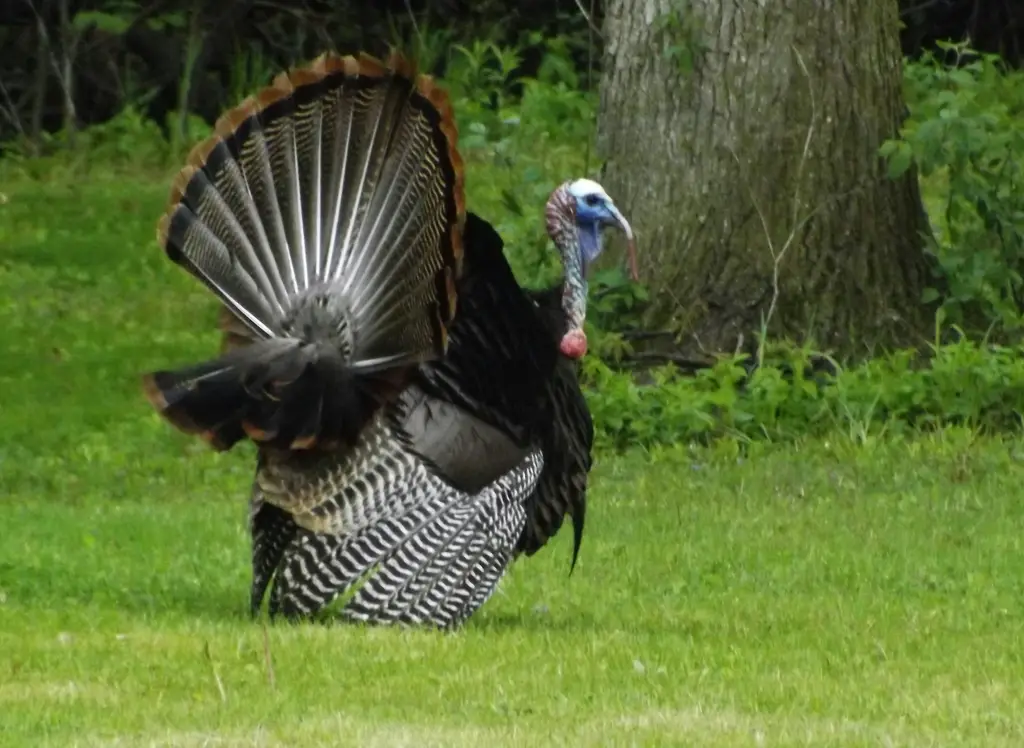
Spring
Gobblers take over the calendar across much of the state, while the deer hunters walk their leases for sheds, scout the winter sign, and pick where the food plots go come fall.
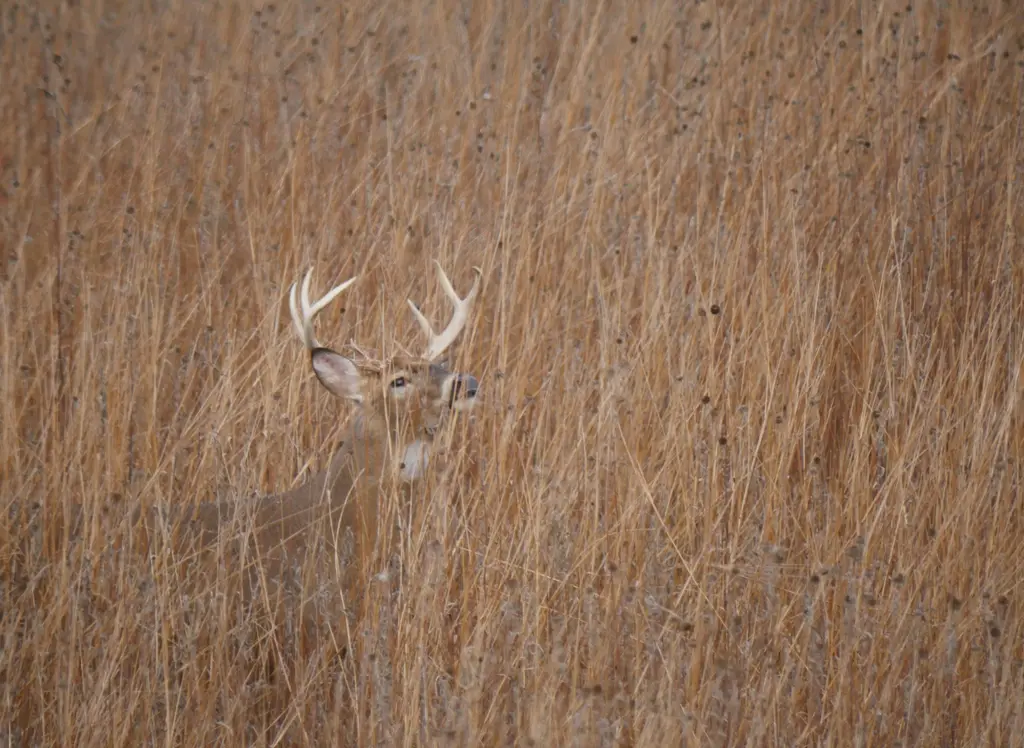
Summer
Plots get planted, trails get cleared, and trail cameras start reporting. On club properties and leased parcels, this is the season that decides how good October will be.
Fall
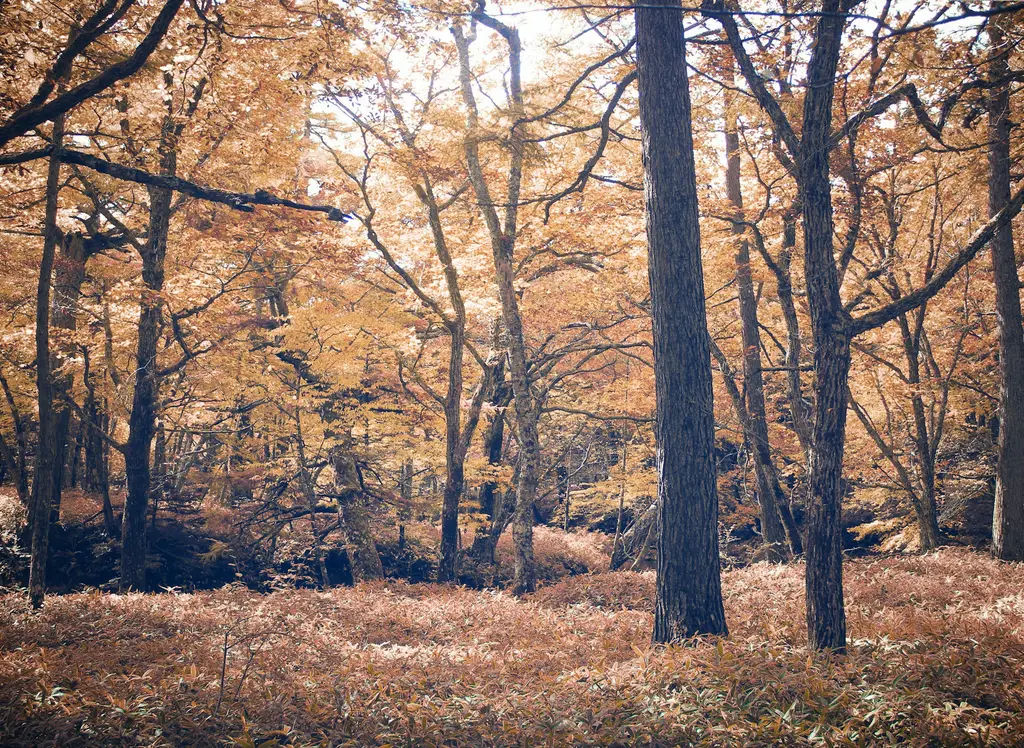
Whitetail, turkey, and waterfowl seasons open and the properties go to work: clubs and lease groups managing member access, coordinating hunts, and hunting the ground they spent all year preparing.
Winter
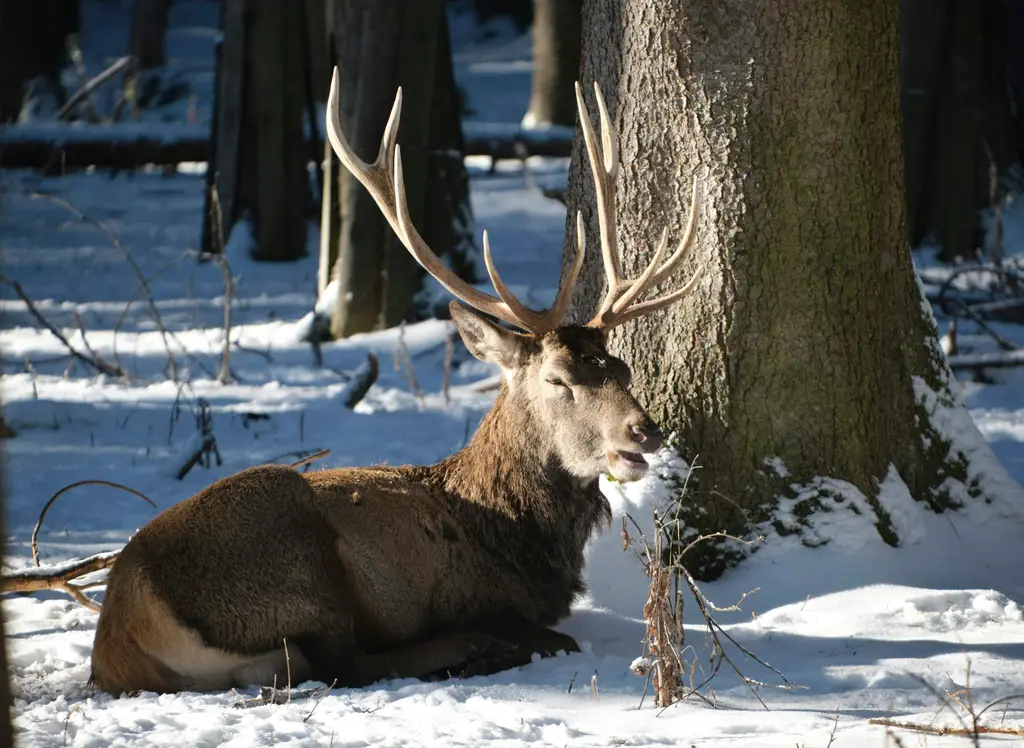
Late-season deer hunting runs into January. After that comes post-season scouting, gear repair, and the conversations that matter: who's renewing, what changes, and what next year's plan looks like.
Free tools
Your free outdoor toolkit

Keep exploring