Hunting Outfitters · Wisconsin
Hunting Outfitters in Wisconsin
Hunt 42 outfitters across Wisconsin. Maps, hours, contact info, photos, and verified operator profiles, all in one place.
Apostle Islands, the Driftless, and 15,000 lakes.
About Wisconsin
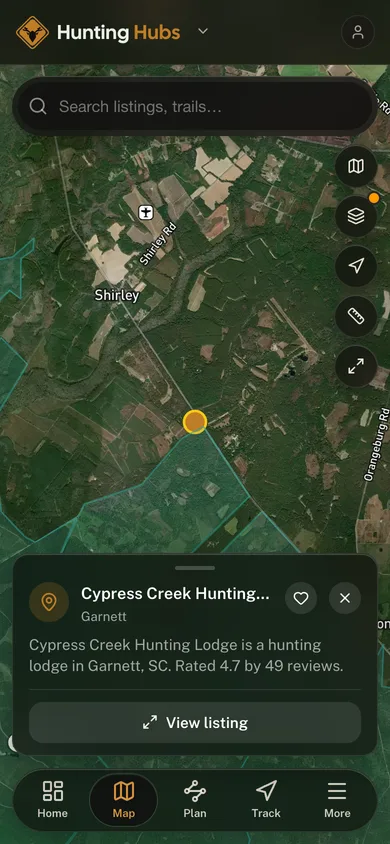
42 on the map
Tap a pin to open its profile.
Quick facts
- Outfitters listed
- 42
- Best season
- May through October
All listings
42 outfitters
across Wisconsin

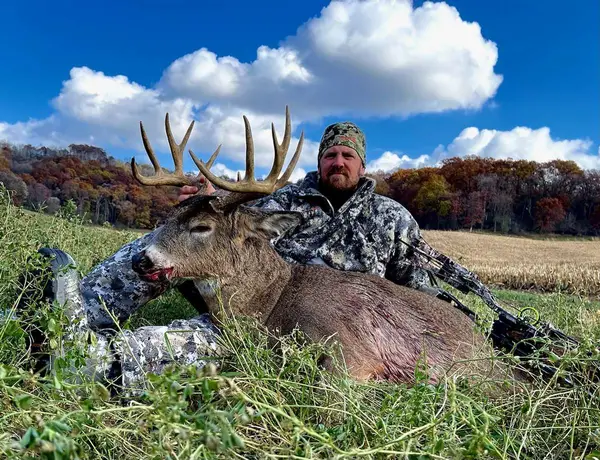
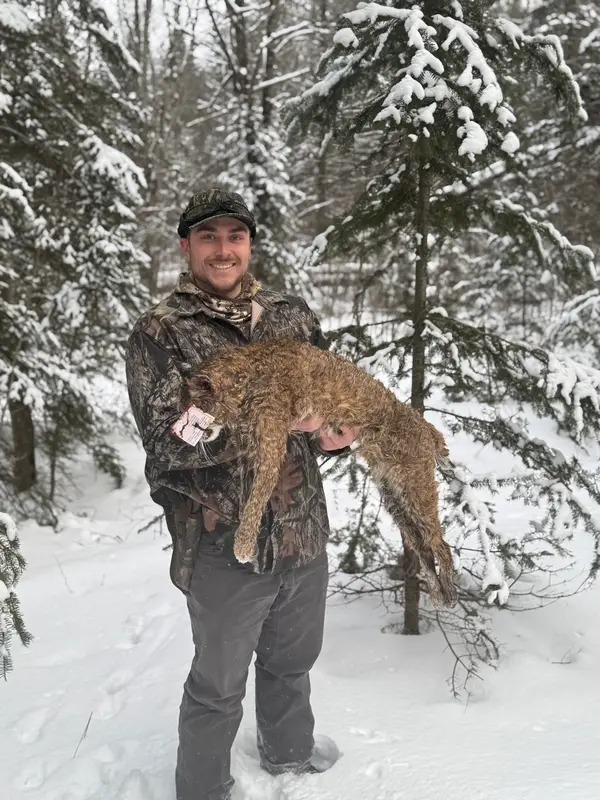
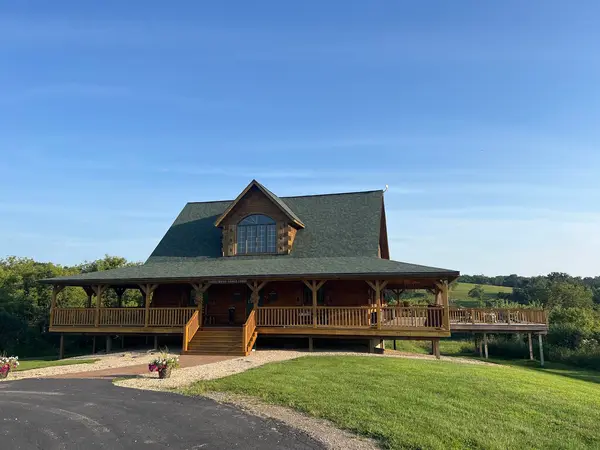
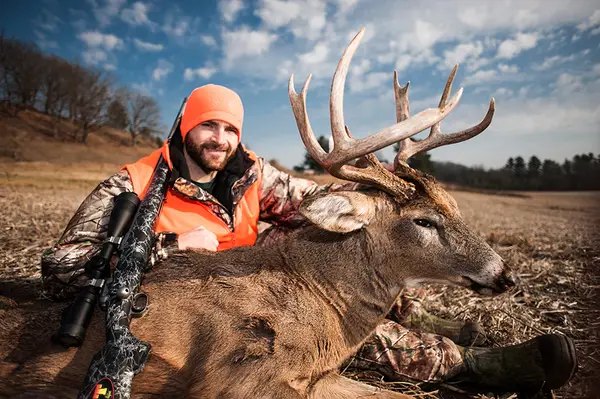
Plan your trip
Plan your trip to Wisconsin
Game Species & Seasons
Wisconsin is known for whitetail deer (archery, crossbow, firearm seasons), wild turkey (spring and fall), black bear (quota-based draw), and various waterfowl and upland birds. Specific season dates vary annually; consult the Wisconsin DNR.
Licensing & Tags
All hunters require a valid hunting license. Deer tags are often included with the license, but additional tags may be purchased. Bear permits are highly competitive and allocated through a preference point draw system.
Access on Leased/Club Land
Hunting on leased or club land requires explicit permission or membership. These properties offer exclusive access, often with managed habitats, in contrast to public lands which are open to all licensed hunters.
Terrain Types
Expect a mix of northern forests (pines, hardwoods), central sand plains, southern agricultural fields with woodlots, and extensive marshlands and river bottoms, particularly along the Mississippi and Wisconsin Rivers.
Club Membership Norms
Many clubs operate on a shared responsibility model, requiring members to contribute to property maintenance, food plot planting, and stand upkeep. Rules regarding guest access and harvest limits are common.
Confirm current requirements with the state agency before your trip. Rules and fees change every season.
Wisconsin Hunting License
All individuals hunting in Wisconsin must possess a valid hunting license. Non-residents have specific license categories. Verify the correct license type based on your residency and hunting plans.
Hunter Education Requirement
Anyone born on or after January 1, 1973, must complete a hunter education course to purchase a hunting license in Wisconsin, unless hunting under the Mentored Hunting Program.
Deer Carcass Movement Rules
Strict regulations are in place regarding the movement of deer carcasses, especially concerning Chronic Wasting Disease (CWD) zones. Hunters must be aware of and comply with rules for transporting deer harvested in CWD-affected areas.
Wisconsin DNRBear Harvest Authorizations
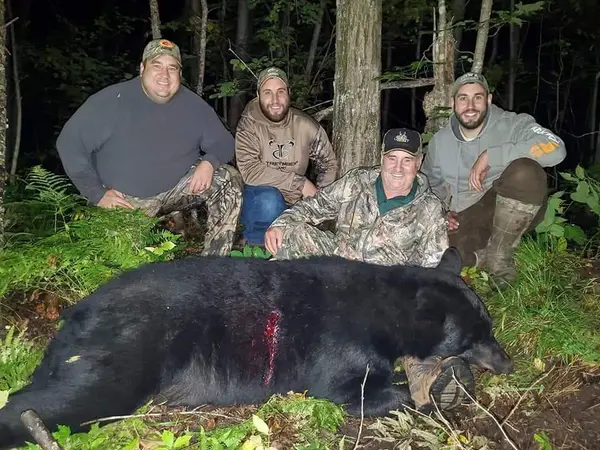
Black bear hunting in Wisconsin requires a specific bear harvest authorization, which is issued through a preference point lottery system. Applying for and obtaining this authorization is a multi-year process for many hunters.
- 01
Understand Wisconsin's Regulations
Start with the Wisconsin DNR's regulations: season dates, license requirements, and the rules for your target species. Everything else builds on knowing what's legal and when.
- 02
Determine Your Hunting Focus
Big-woods bucks and farm-country bucks are different hunts on different ground. Settle on the species and terrain you actually want before you start comparing properties.
- 03
Research Club/Lease Options
Search regions that match your target game and habitat. Weigh the things that matter over a full season: amenities, club rules, and how seriously the property is managed.
- 04
Inquire and Visit
Call the club or lease manager and ask the hard questions: membership terms, access, harvest quotas, what the property actually produces. Then walk the ground yourself if you can; no listing photo replaces boot leather.
- 05
Secure Membership/Lease Agreement
Read the agreement before you sign it. Make sure the terms on paper match what you were told about access, guests, and responsibilities.
01What are the primary game animals targeted by hunting clubs and leases in Wisconsin?
02Do I need a special license to hunt on leased land or with a club?
03How do hunting clubs and leases typically manage their properties for game?
04Are there opportunities for non-residents to join hunting clubs or lease land in Wisconsin?
05What is the typical duration of a hunting lease in Wisconsin?
06What kind of commitment is usually expected from members of a hunting club?
When to go
Season by season in Wisconsin
Spring (April-May)
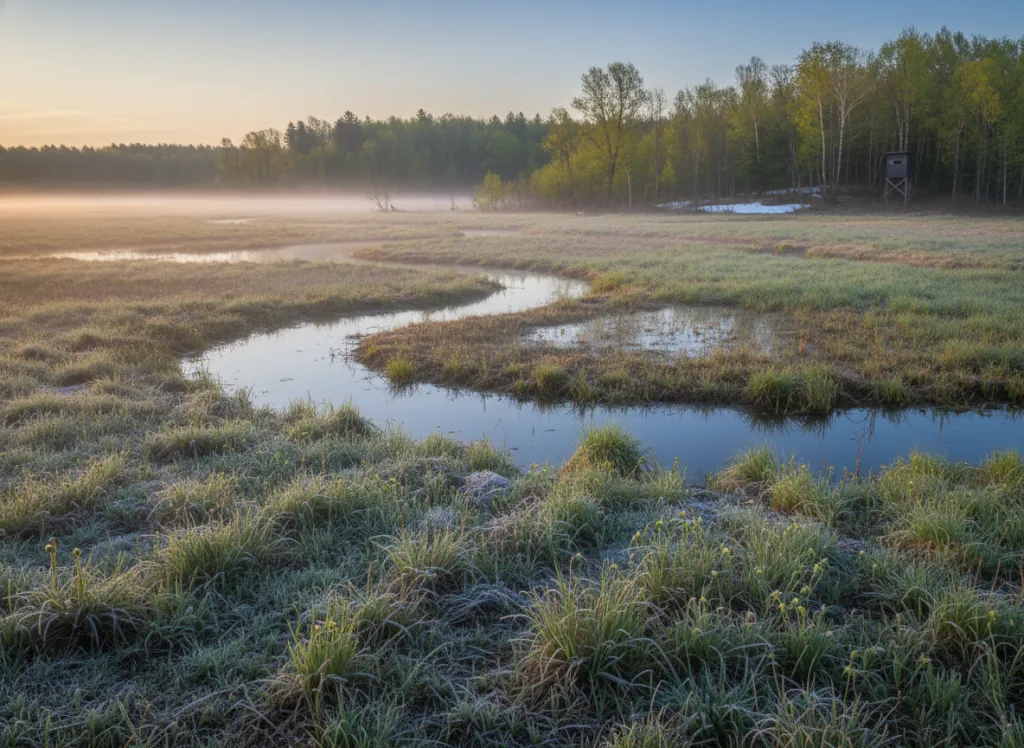
Turkey season. Clubs that have kept their food plots and roost timber in shape get paid back now, members work gobblers on ground they know, without company.
Summer (June-August)
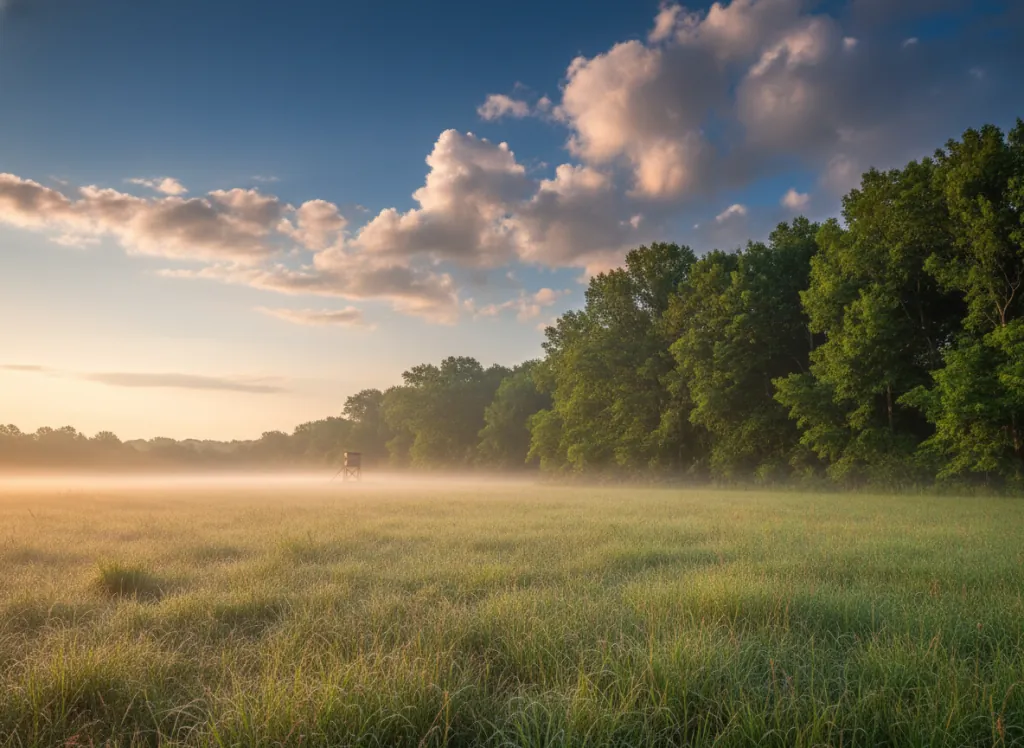
Work season. Food plots go in, trails get cleared, trail cameras start telling you which bucks made it through winter. The fall hunt is largely won or lost in these months.
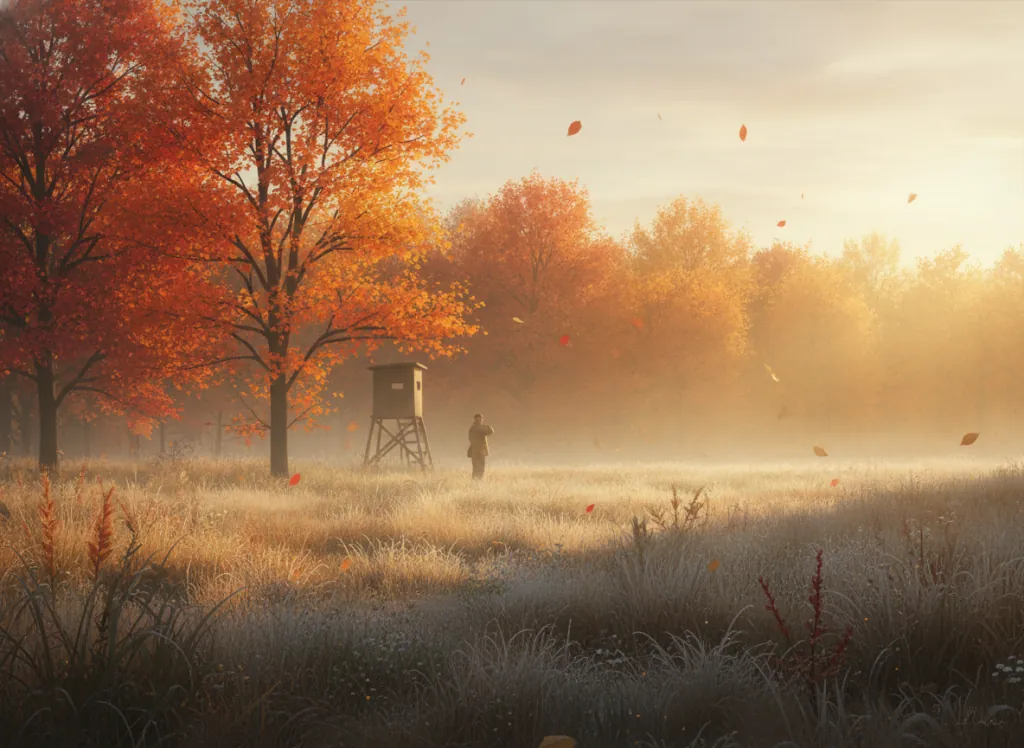
Fall (September-January)
The main event: whitetails through archery, the rut, and the firearm season, plus waterfowl and upland birds. Established blinds and stands mean you hunt spots that have produced before, and nobody else is sitting in them.
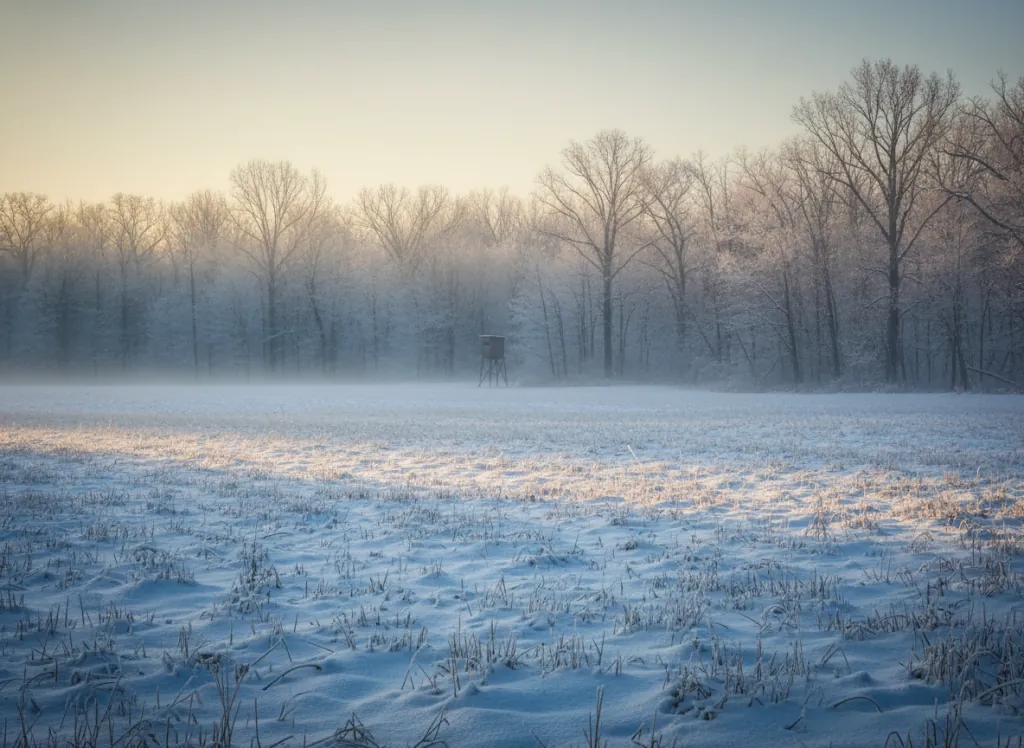
Winter (February-March)
Pull stands, fix what broke, walk the property while the sign is still readable, and plan next year. Some late small-game hunting may be open depending on the regulations.
Watch & learn
Watch & learn, Wisconsin
2022 Wisconsin Gun Deer Season Opener on Public Land | Wisconsin Public Land Deer Hunting
Red Bearded Predators
0GIANT BUCK DOWN! Wisconsin Public Land
DIY Sportsman
0Wisconsin Public Land Bow Hunting - Self Filmed Lighted Nock Shot on Buck
Burnin Eights
0
Free tools
Your free outdoor toolkit

Everything Map
Listings, trails, spots, clubs and public land on a single full-screen map. Switch layers on and off, then tap any point for the details.
Open Everything MapTrail Explorer
Browse a community map of named trails with distance, difficulty, and where each one starts.
Open Trail ExplorerRoute Planner
Drop stops on a map and watch distance and drive time add up. Export a GPX or share the link.
Open Route PlannerHunting Clubs
Browse local clubs with meeting info and how to join, or start your own for free.
Open Hunting ClubsPhoto ID
Point your camera at whatever you found and get a structured identification. No signup.
Open Photo IDGear Checklists
Printable, save-as-you-go packing lists. Tick items off and pull them up on your phone.
Open Gear Checklists


Keep exploring