Skip to content
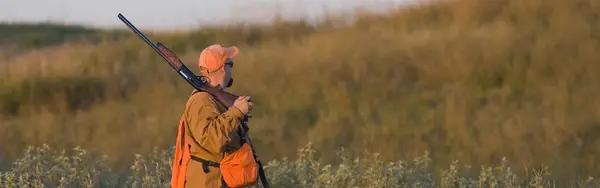
Kentucky hunting country. Backdrop for the Hunting Hubs Kentucky outfitter directory

Hunting Outfitters ยท Kentucky

Hunting Outfitters in Kentucky

Hunt 38 outfitters across Kentucky. Maps, hours, contact info, photos, and verified operator profiles, all in one place.

Cave country, the Cumberland Plateau, and the longest cave system on Earth.

Updated

All listings

38 outfitters in Kentucky
All states

Get listed free

Run a outfitter in Kentucky? Add it to Hunting Hubs. Free, no commission.

Add your listing

On the map

Outfitters in Kentucky

Everything we have mapped in Kentucky, on one map. Tap anything for its details.

Loads the full map of Kentucky. We leave it off by default so the page opens fast on mobile data.

About Kentucky

Kentucky runs from Appalachian foothills in the east to river-bottom farm country in the west, and whitetails and turkeys thrive across the whole spread. Most of that ground is in private hands, which is why the club and lease system does the heavy lifting here: it's the reliable route to consistent access, and it gives a group real control over how their acreage gets hunted and managed year over year.

Western Kentucky, the Pennyrile and the Western Coal Field, is where row crops meet mature hardwoods, and that edge is deer habitat at its best. Leases around Madisonville, Hopkinsville, and Paducah draw steady interest for exactly that reason. The Ohio and Green River systems lace the region with fertile bottomland, and the deer and turkey numbers those bottoms carry make this some of the most productive lease ground in the state.

The east is a different animal. Around Hazard, Pikeville, and Morehead, the Appalachian foothills stack up in forested hillsides, tight hollows, and valleys a long walk from any road. Clubs here tend toward big, contiguous leases, expanses of undisturbed timber where deer and turkey live largely unbothered. The hunting is physical and the strategies change with the grade, but the payoff is a kind of solitude the flatlands can't offer.

Central Kentucky's Bluegrass Region reads as horse country, but look past the board fences: woodlots, creek systems, and timbered river corridors like those along the Kentucky River thread through the pastures. Leases near Lexington and Frankfort pair quality deer and turkey cover with the convenience of hunting close to home, a combination that keeps clubs looking hard at ground most people drive past.

Quick facts

Outfitters listed
38
Best season
April through November

Trip guide

Know before you go in Kentucky

Confirm current requirements with the agency that sets them before your trip. Rules and fees change every season.

  • Kentucky Hunting License

    All individuals hunting in Kentucky must possess a valid Kentucky hunting license. This license is required regardless of whether you are hunting on public land, private land with permission, or as part of a hunting club or lease agreement.

  • Deer and Turkey Permits

    In addition to a general hunting license, hunters pursuing deer or turkey must purchase specific permits for each species. These permits dictate bag limits and allow harvest reporting, which is mandatory for successful hunts.

  • Hunter Education Certification

    Any person born on or after January 1, 1975, must successfully complete a Kentucky Department of Fish and Wildlife Resources (KDFWR) approved hunter education course before hunting in Kentucky. This ensures basic safety and ethical hunting practices.

  • Private Land Permission

    When hunting on any private property, including leased land or through a hunting club, hunters must have explicit permission from the landowner or leaseholder. While not a state-issued regulation, it is a fundamental legal requirement for private land hunting.

01What are the primary game animals available through hunting clubs and leases in Kentucky?
Whitetail deer and wild turkey lead by a wide margin, Kentucky consistently ranks among the top states for trophy whitetail. Many leases add small game like rabbit and squirrel, and some western Kentucky properties carry real waterfowl potential.
02Do I need a special license for hunting on leased land or with a club?
No. The standard Kentucky hunting license plus any species permits (deer, turkey), covers you, exactly as it would on public land or with landowner permission. Just make sure every permit matches the season and weapon you're hunting with.
03Are there specific hunter education requirements in Kentucky?
Yes, anyone born on or after January 1, 1975 must complete an approved hunter education course before hunting in Kentucky. Exemptions cover resident landowners hunting their own farmland, plus a once-in-a-lifetime one-year permit that lets a new hunter go afield under a licensed adult's supervision before completing the course.
04What kind of terrain can I expect on a Kentucky hunting lease?
It runs the full range. Eastern leases mean dense hardwoods and rugged hills; the Pennyrile offers rolling farm fields cut with timber; the Bluegrass mixes pastures, woodlots, and river bottoms. Each demands a different style of hunting, pick the ground that matches yours.
05How do hunting club memberships typically work in Kentucky?
Members share access to a larger leased property and split the costs: lease fees, land management, upkeep. Most clubs run on written bylaws covering stand placement, guests, and harvest reporting, which is what keeps the hunting fair and the herd sustainable across a full roster.
06What is the best time of year to secure a hunting club membership or lease in Kentucky?
Late winter and early spring, right after the previous season closes, is when the market moves, renewals settle and new ground gets listed. Signing then buys you the whole off-season to scout and prepare before fall.

When to go

Season by season in Kentucky
Spring

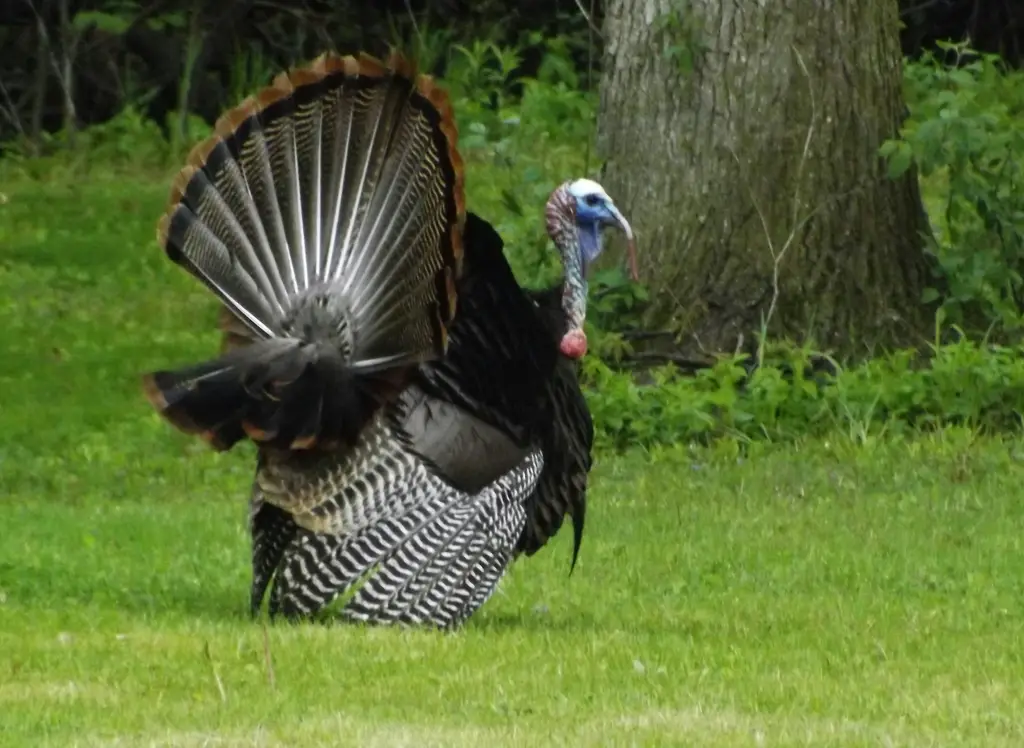
Turkey season takes over, with clubs and leaseholders scouting birds and setting blinds. It's also the best window for post-season deer work, travel corridors and bedding areas are easy to read before the foliage closes in.
Summer

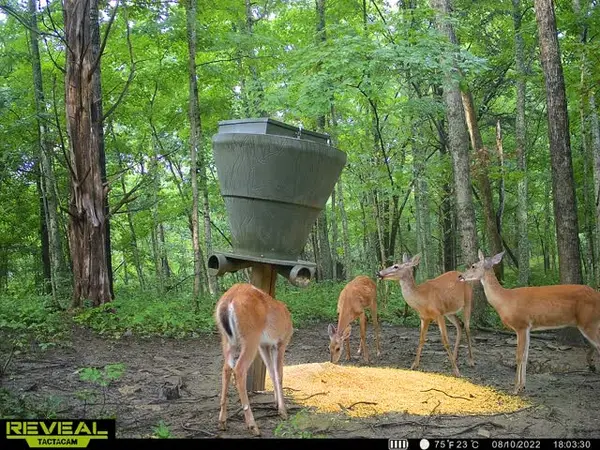
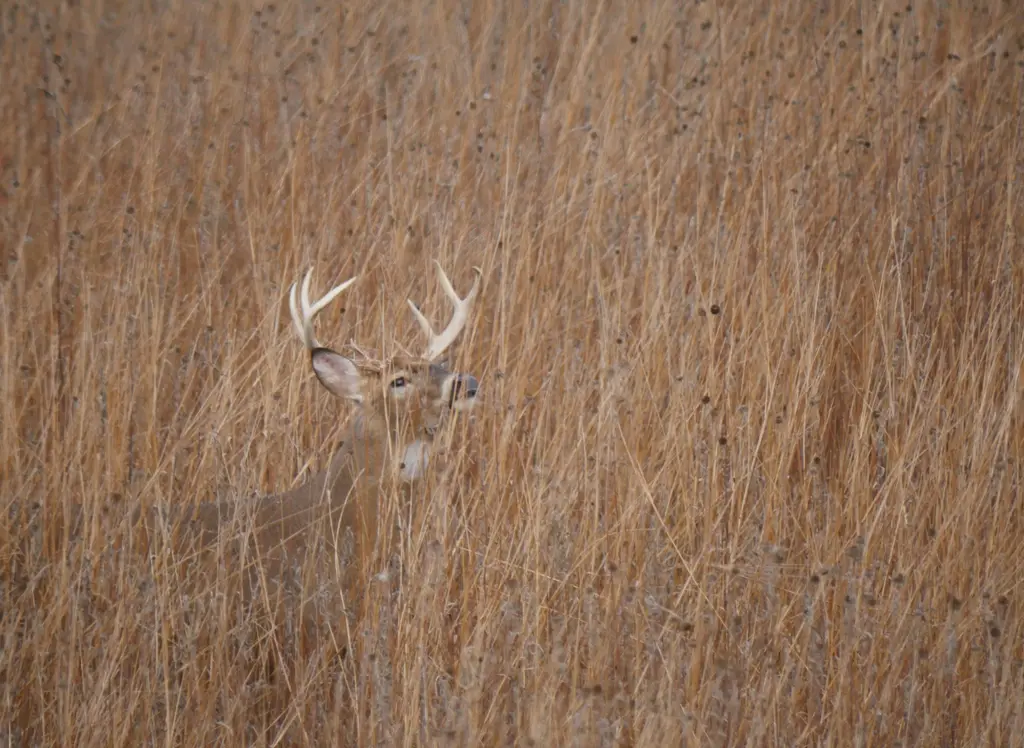
Land management season on leased ground: food plots go in, trails get cleared, and trail cameras start building the roster of deer and turkeys the property is holding. The fall hunt gets made now.
Fall

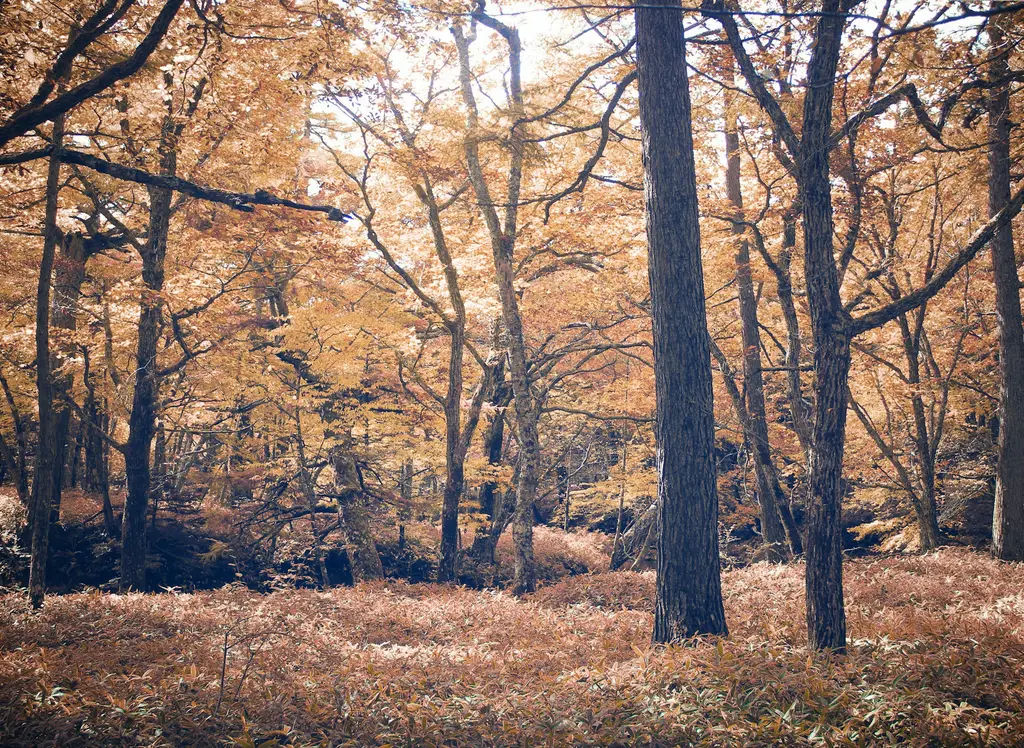
Deer and turkey seasons hit their peak. Clubs and lease groups hunt hard, hold to their harvest goals, and get the payoff for a year of quiet work, this is the stretch the whole arrangement exists for.
Winter

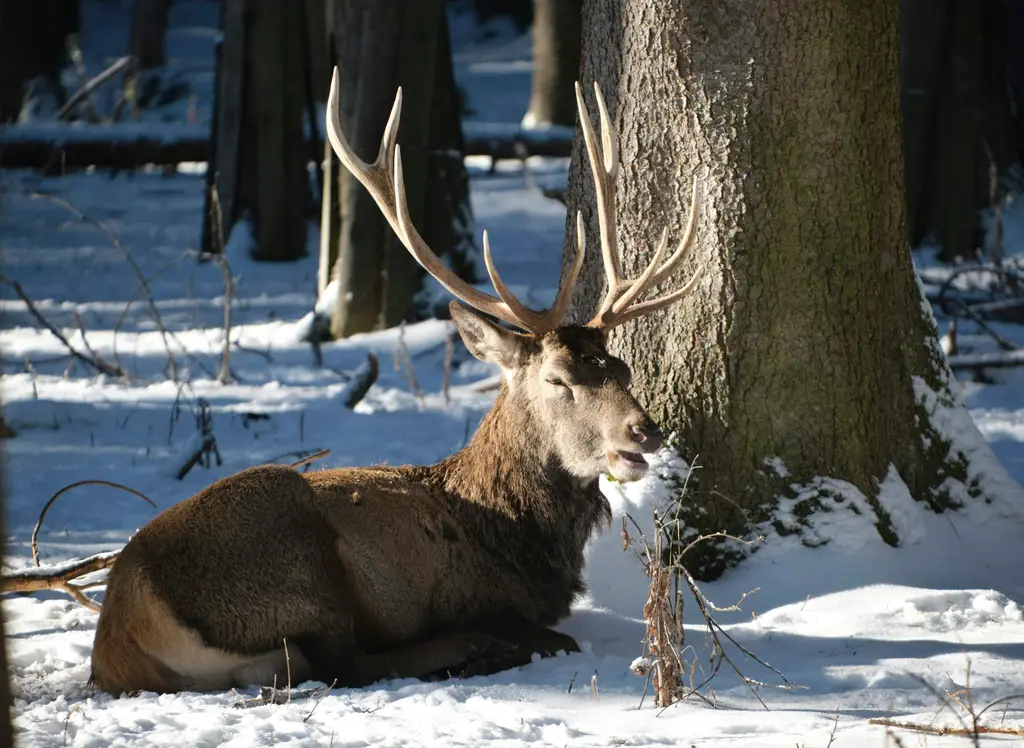
Late deer seasons run into the cold for those willing to sit through it. Afterward comes shed hunting, an honest look at how the habitat held up, and the annual question: renew the lease, or go find better ground.