Hunting Outfitters · Minnesota
Hunting Outfitters in Minnesota
Hunt 36 outfitters across Minnesota. Maps, hours, contact info, photos, and verified operator profiles, all in one place.
11,842 lakes, the Boundary Waters, and the headwaters of the Mississippi.
About Minnesota
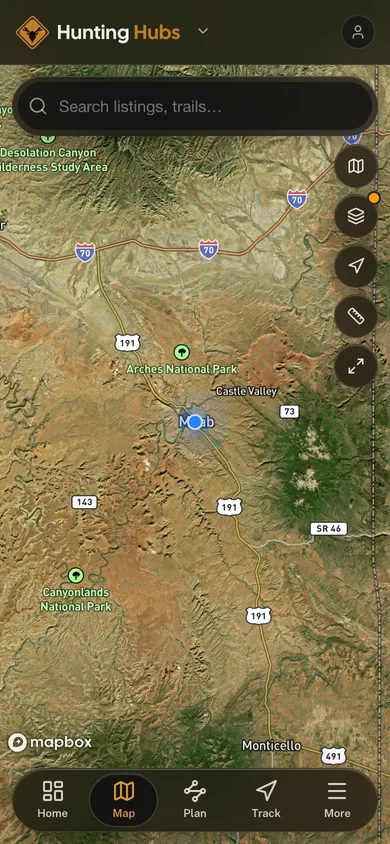
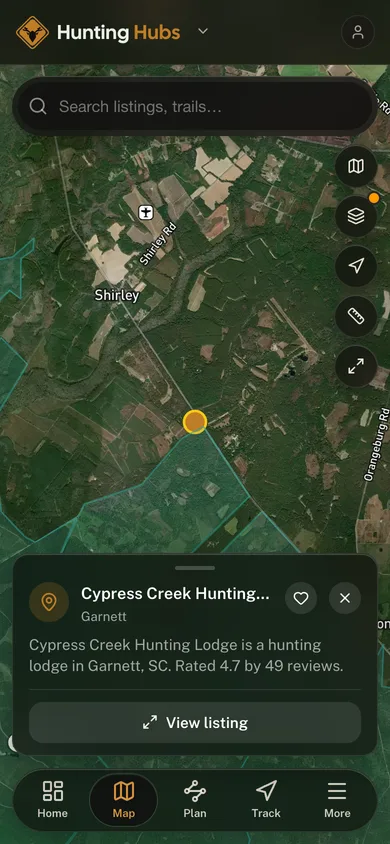
36 on the map
Tap a pin to open its profile.
Quick facts
- Outfitters listed
- 36
- Best season
- May through October
All listings
36 outfitters
across Minnesota
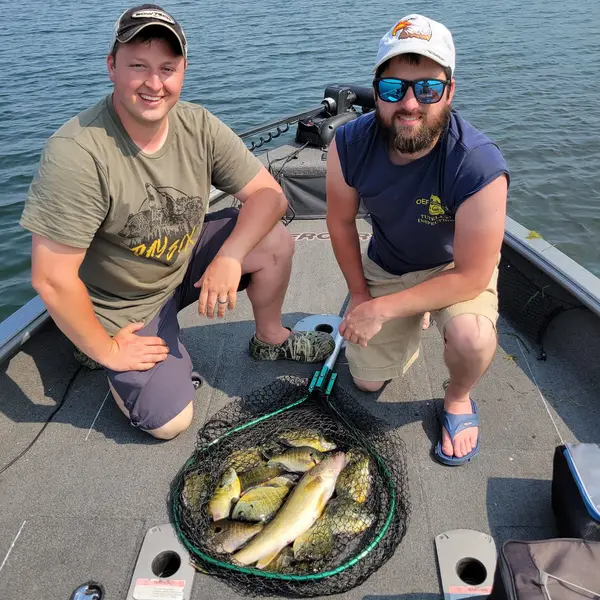
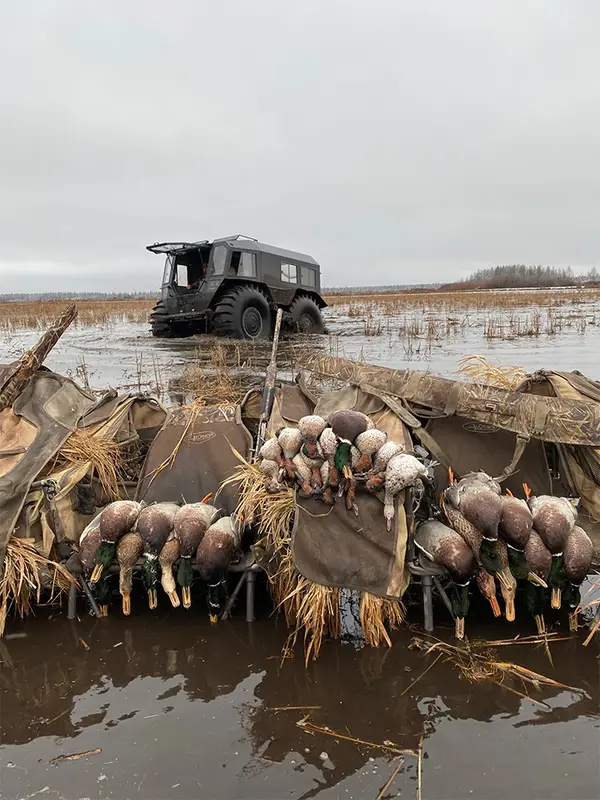
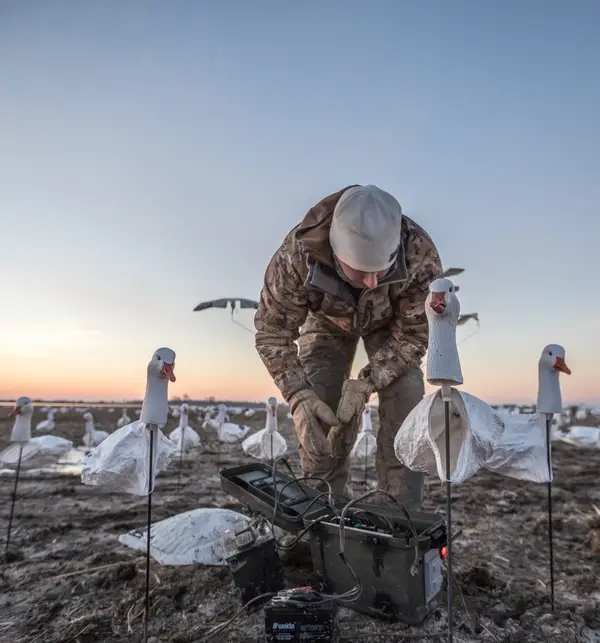
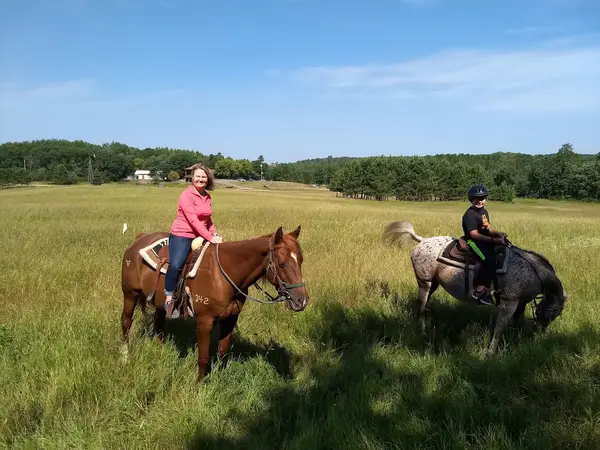
Plan your trip
Plan your trip to Minnesota
Game Species and Seasons
Minnesota offers robust seasons for whitetail deer, black bear (often lottery-based), wild turkey, various waterfowl (ducks, geese), and upland birds (pheasant, grouse). Season dates vary significantly by species and zone; always verify the current year's regulations.
Licensing and Tags
A general Minnesota hunting license is mandatory. Specific tags or permits are required for deer, bear, and turkey, with some areas having limited permits allocated via lottery. A federal migratory bird stamp and state waterfowl stamp are needed for migratory bird hunting.
Private Land Access
Hunting on private land, including leased property or club grounds, requires explicit permission from the landowner or club operator. Understand and respect the boundaries of your lease or club property to avoid trespassing issues.
Diverse Terrain Management
Minnesota's varied terrain means clubs and leases can range from dense northern hardwood forests to open prairie grasslands, river bottomlands, and extensive marsh systems. The type of terrain dictates the game pursued and the specific hunting methods employed.
Club Membership Norms
Hunting clubs in Minnesota often involve shared responsibilities for habitat management, stand maintenance, and group hunts. Prospective members should inquire about work requirements, club rules, and the general culture to ensure a good fit.
Confirm current requirements with the state agency before your trip. Rules and fees change every season.
Minnesota Hunting License
All hunters, resident and non-resident, must possess a valid Minnesota hunting license. Specific licenses are required for small game, big game, and waterfowl, often with additional endorsements or stamps depending on the species.
Minnesota DNRDeer and Bear Tagging & Registration
Hunters harvesting deer or bear must immediately validate their tag and register the animal within specified timeframes, either online or at an authorized station. Specific rules apply to party hunting for deer.
Minnesota DNRFirearms Safety Training
Individuals born after December 31, 1979, must complete a firearms safety certification course to purchase a hunting license in Minnesota. This requirement applies to both residents and non-residents.
Minnesota DNRMigratory Bird Stamps
Hunters pursuing migratory waterfowl (ducks, geese) must possess a federal migratory bird hunting and conservation stamp (Duck Stamp) and a Minnesota waterfowl stamp, in addition to their small game license.
- 01
1. Understand Minnesota's Hunting Regulations
Start with the current Minnesota Department of Natural Resources (DNR) regulations for whatever you plan to hunt. Season dates, bag limits, licensing, and zone restrictions all shift by species, know them before you shop for ground.
- 02
2. Determine Your Target Species and Region
Decide what you're hunting first; the map follows from that. Grouse ground and pheasant ground sit at opposite ends of the state, and picking a region narrows the list of clubs and leases fast.
- 03
3. Research Hunting Clubs and Leases
Work the directories, Hunting Hubs included, plus local forums and word of mouth. Ask about acreage, amenities, how the ground is managed, and how the membership is structured before you get attached to a listing.
- 04
4. Visit Properties and Interview Clubs
Walk the ground before you commit. Look at habitat, facilities, and how the place has been kept up, and for clubs, talk to current members, the culture matters as much as the deer sign.
- 05
5. Secure Your Membership or Lease Agreement
Read the contract like it matters, because it does. Access rights, payment schedule, work duties, get every term clear on paper before you sign, not after a dispute.
01What game species are commonly hunted through clubs or leases in Minnesota?
02Are there specific license requirements for hunting on leased land in Minnesota?
03How do hunting club memberships typically work in Minnesota?
04What are the benefits of joining a hunting club versus leasing private land independently?
05Can non-residents join hunting clubs or lease land in Minnesota?
06What should I look for when evaluating a hunting lease property?
When to go
Season by season in Minnesota
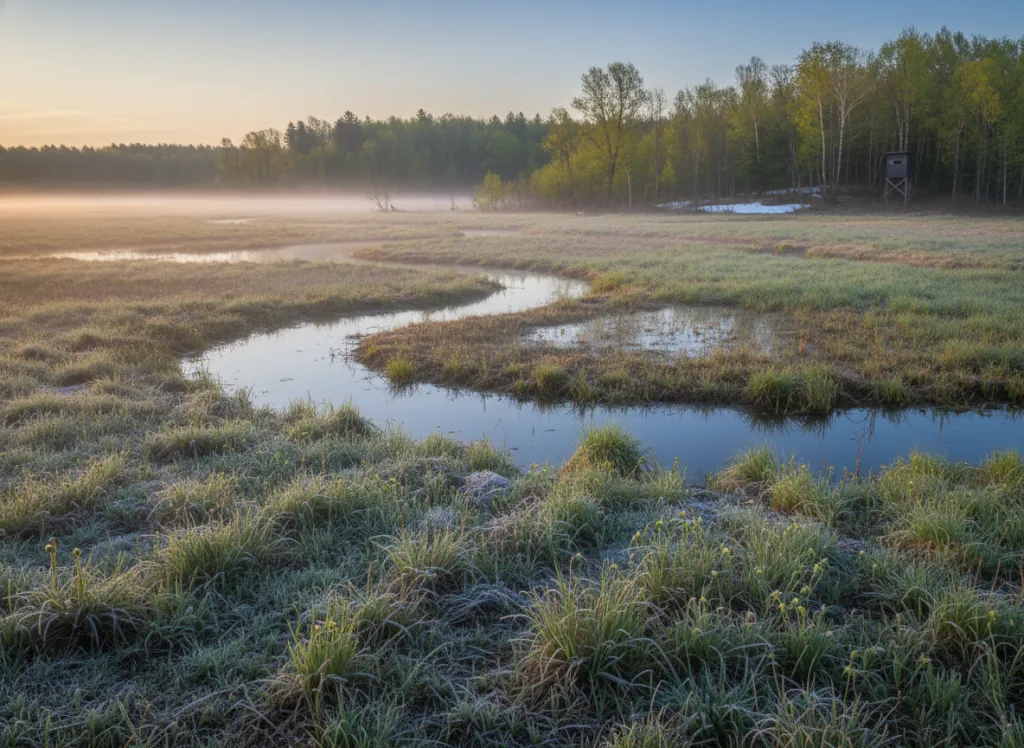
Spring (April - May)
Lease-shopping season. Walk properties while the woods are still open, assess habitat, and get food plots turned before green-up. Clubs hold annual meetings and set the fall calendar, and turkey leases go live for members chasing gobblers.
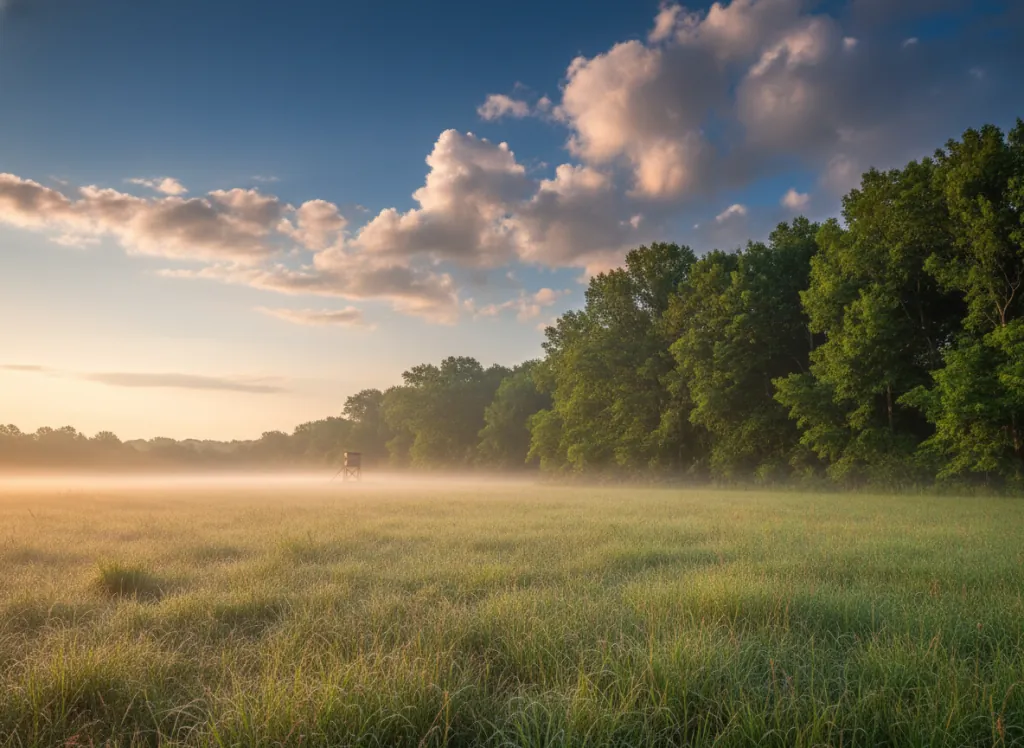
Summer (June - August)
Trail cameras go up, stands get checked and re-strapped, and habitat work continues through the heat. It's also when youth programs run and members put in range time, the quiet groundwork that fall depends on.
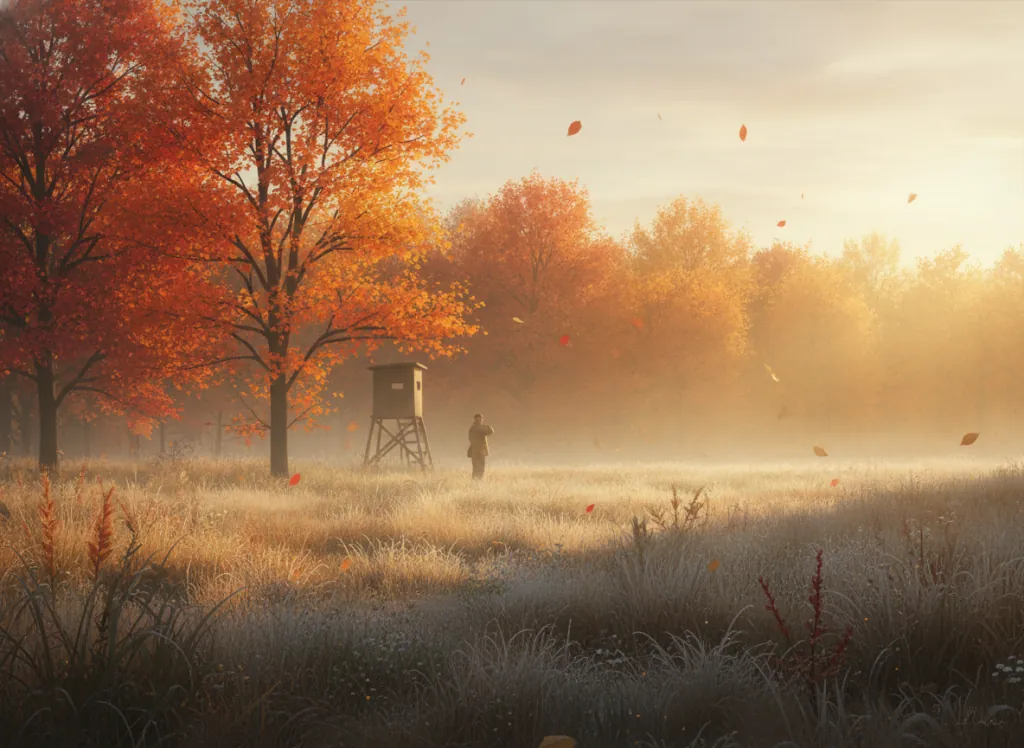
Fall (September - December)
Everything happens at once: deer, bear, waterfowl, pheasants. Leases run at full tilt, camps fill, and the shared work of the off-season pays out in the stand. This is the stretch every agreement is really written for.
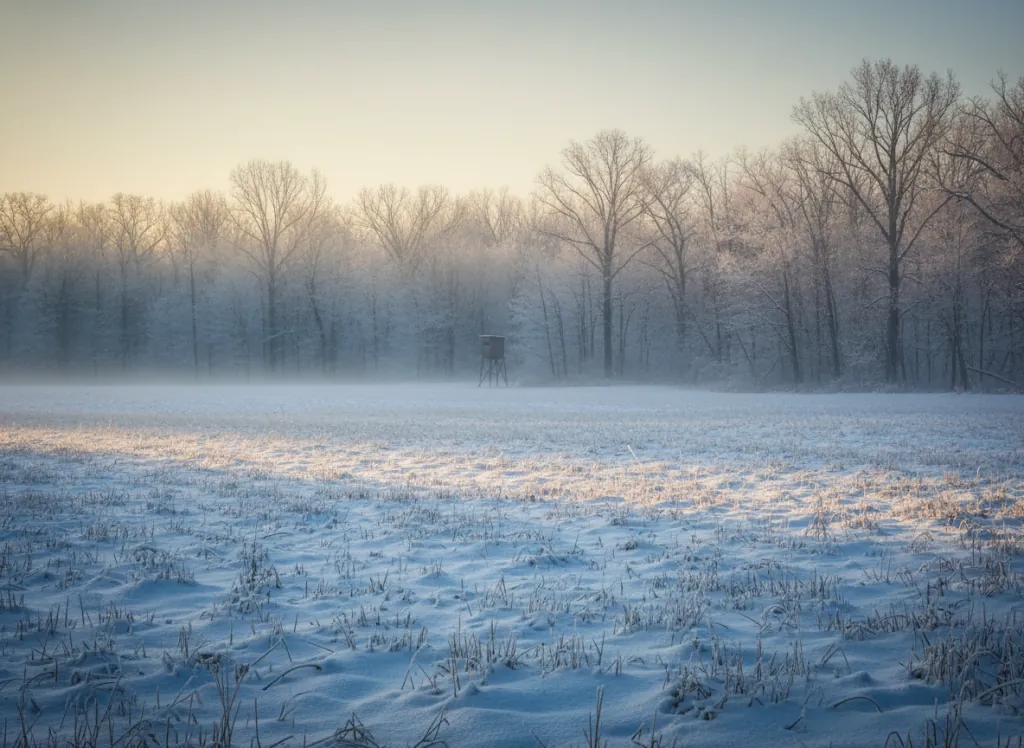
Winter (January - March)
Stands come down, late-season deer chances play out, and clubs turn to the ledger: what worked, what didn't, what to change. Maintenance projects and camp gatherings carry members through until spring scouting starts again.
Free tools
Your free outdoor toolkit

Everything Map
Listings, trails, spots, clubs and public land on a single full-screen map. Switch layers on and off, then tap any point for the details.
Open Everything MapTrail Explorer
Browse a community map of named trails with distance, difficulty, and where each one starts.
Open Trail ExplorerRoute Planner
Drop stops on a map and watch distance and drive time add up. Export a GPX or share the link.
Open Route PlannerHunting Clubs
Browse local clubs with meeting info and how to join, or start your own for free.
Open Hunting ClubsPhoto ID
Point your camera at whatever you found and get a structured identification. No signup.
Open Photo IDGear Checklists
Printable, save-as-you-go packing lists. Tick items off and pull them up on your phone.
Open Gear Checklists


Keep exploring